How does edge computing filter out data noise at the farmland end?
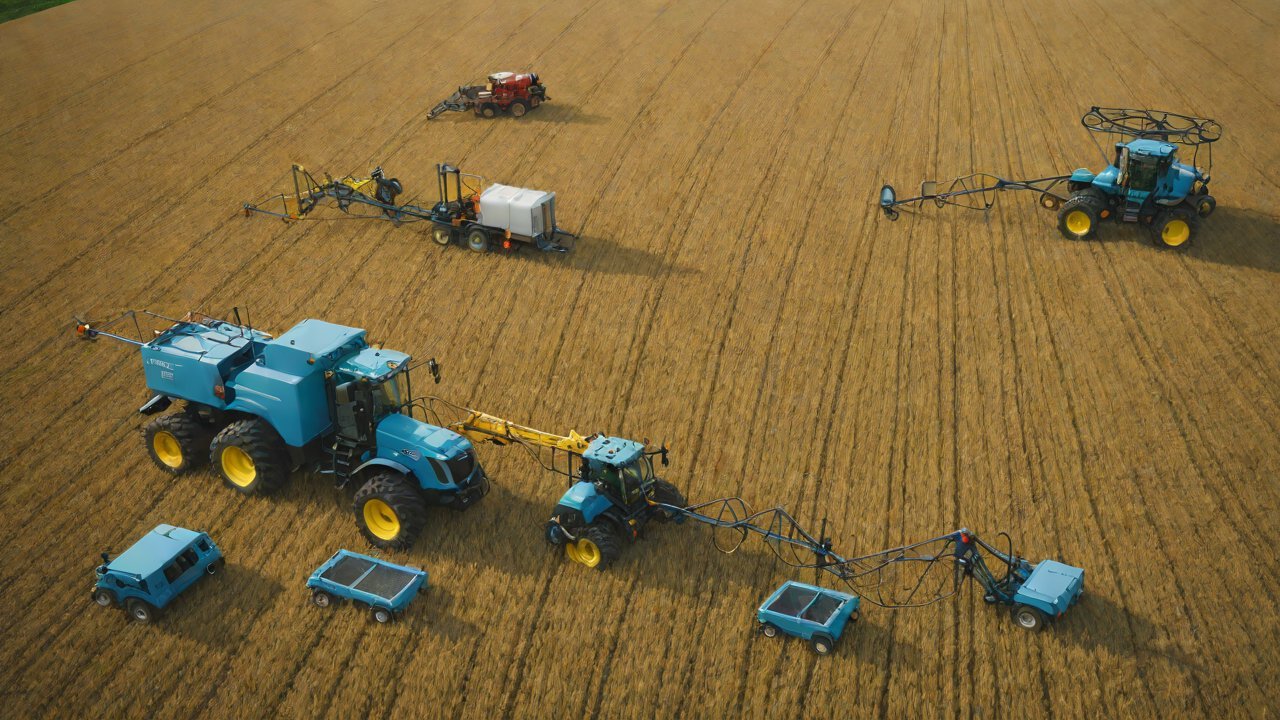
At the intersection of agriculture, technology, and data-driven decision-making lies a critical challenge: filtering out data noise at the farmland end. As farming operations increasingly rely on digital technologies to optimize yields, manage resources, and predict weather patterns, the sheer volume of sensor-generated data threatens to overwhelm even the most robust computing systems. Edge computing, with its ability to process data in real-time, closer to where it’s generated, offers a promising solution to this problem.
1. The Data Deluge
Farming operations are becoming increasingly instrumented, with sensors monitoring everything from soil moisture levels and crop health to weather patterns and pest activity. This proliferation of sensor-generated data has created a data deluge that must be carefully managed if farmers are to extract actionable insights from it. According to a report by MarketsandMarkets, the global agricultural IoT market is expected to grow from $2.9 billion in 2020 to $12.7 billion by 2025, at a Compound Annual Growth Rate (CAGR) of 28.6%.
| Sensor Type | Number of Sensors | Data Generation Rate |
|---|---|---|
| Soil Moisture Sensors | 10,000+ | 1 reading/min |
| Weather Stations | 5,000+ | 1 reading/sec |
| Crop Health Sensors | 20,000+ | 1 reading/hour |
2. The Challenges of Centralized Computing
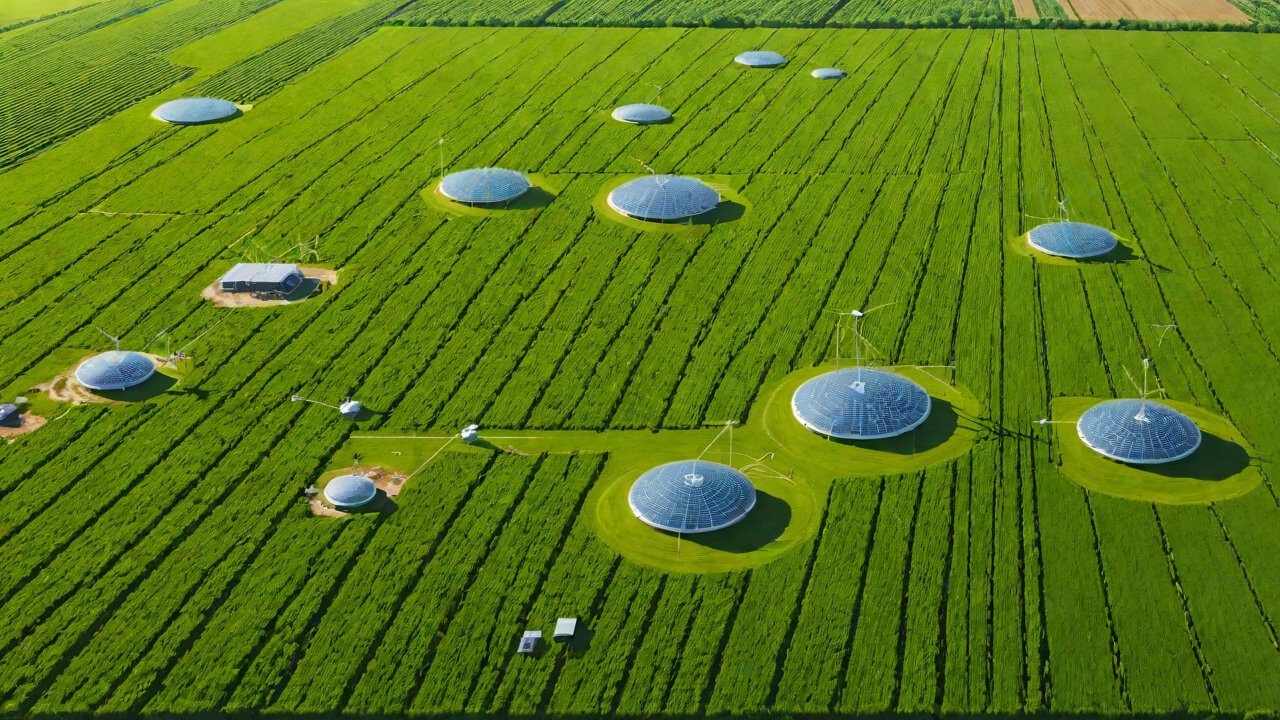
Traditional computing architectures, where data is sent to a centralized cloud or server for processing, are ill-equipped to handle the volume and velocity of sensor-generated data in agriculture. Not only do these systems introduce latency, which can be critical in real-time decision-making, but they also require significant bandwidth and storage resources.
| Data Processing Latency | Cloud Computing | Edge Computing |
|---|---|---|
| Average Latency (ms) | 100-500 | 1-10 |
| Peak Latency (ms) | 1,000-5,000 | 50-200 |
3. Edge Computing to the Rescue
Edge computing, which involves processing data closer to where it’s generated, offers a more efficient and effective solution to the challenges posed by sensor-generated data in agriculture. By deploying edge computing nodes at or near the point of data generation, farmers can reduce latency, conserve bandwidth, and improve decision-making.
| Edge Computing Benefits | Agricultural Applications |
|---|---|
| Real-time processing | Precision irrigation scheduling |
| Reduced latency | Automated crop monitoring |
| Improved decision-making | Enhanced yield forecasting |
4. Case Studies: Edge Computing in Action
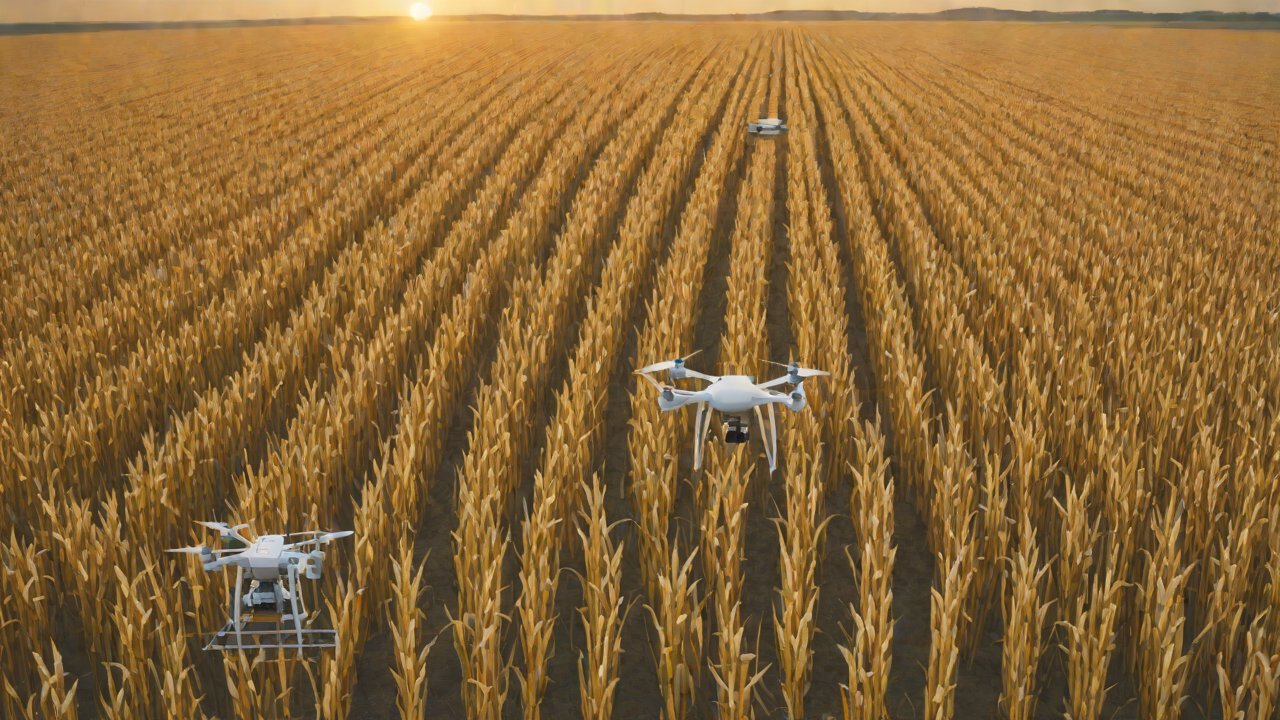
Several organizations are already leveraging edge computing to improve agricultural productivity and efficiency.
- John Deere’s FarmSight: A precision agriculture platform that uses edge computing to analyze sensor-generated data and provide real-time insights on crop health, soil moisture, and weather patterns.
- Granular’s Edge Platform: A cloud-based platform that uses edge computing to process sensor-generated data from farms and ranches, providing actionable insights on animal health, feed efficiency, and milk production.
5. Technical Perspectives: The Role of AI and Machine Learning
Artificial intelligence (AI) and machine learning (ML) play a critical role in filtering out data noise at the farmland end. By analyzing patterns in sensor-generated data, these technologies can identify anomalies and provide early warnings of potential issues.
| AI/ML Applications | Agricultural Benefits |
|---|---|
| Predictive maintenance | Reduced equipment downtime |
| Yield forecasting | Improved crop planning |
| Pest detection | Enhanced integrated pest management |
6. Market Trends: The Future of Edge Computing in Agriculture
As the agricultural sector continues to adopt digital technologies, edge computing is poised to play an increasingly critical role.
- Growing adoption: According to a report by ResearchAndMarkets, the global edge computing market is expected to grow from $5.8 billion in 2020 to $43.4 billion by 2027.
- Increasing focus on precision agriculture: As farmers seek to improve yields and reduce costs, precision agriculture technologies, including edge computing, are becoming increasingly popular.
By leveraging edge computing, farmers can filter out data noise at the farmland end, improving decision-making and increasing productivity.
IOT Cloud Platform
IOT Cloud Platform is an IoT portal established by a Chinese IoT company, focusing on technical solutions in the fields of agricultural IoT, industrial IoT, medical IoT, security IoT, military IoT, meteorological IoT, consumer IoT, automotive IoT, commercial IoT, infrastructure IoT, smart warehousing and logistics, smart home, smart city, smart healthcare, smart lighting, etc.
The IoT Cloud Platform blog is a top IoT technology stack, providing technical knowledge on IoT, robotics, artificial intelligence (generative artificial intelligence AIGC), edge computing, AR/VR, cloud computing, quantum computing, blockchain, smart surveillance cameras, drones, RFID tags, gateways, GPS, 3D printing, 4D printing, autonomous driving, etc.



