How Can Video Streetlights Automatically Capture and Upload Data of Illegally Parked Vehicles?
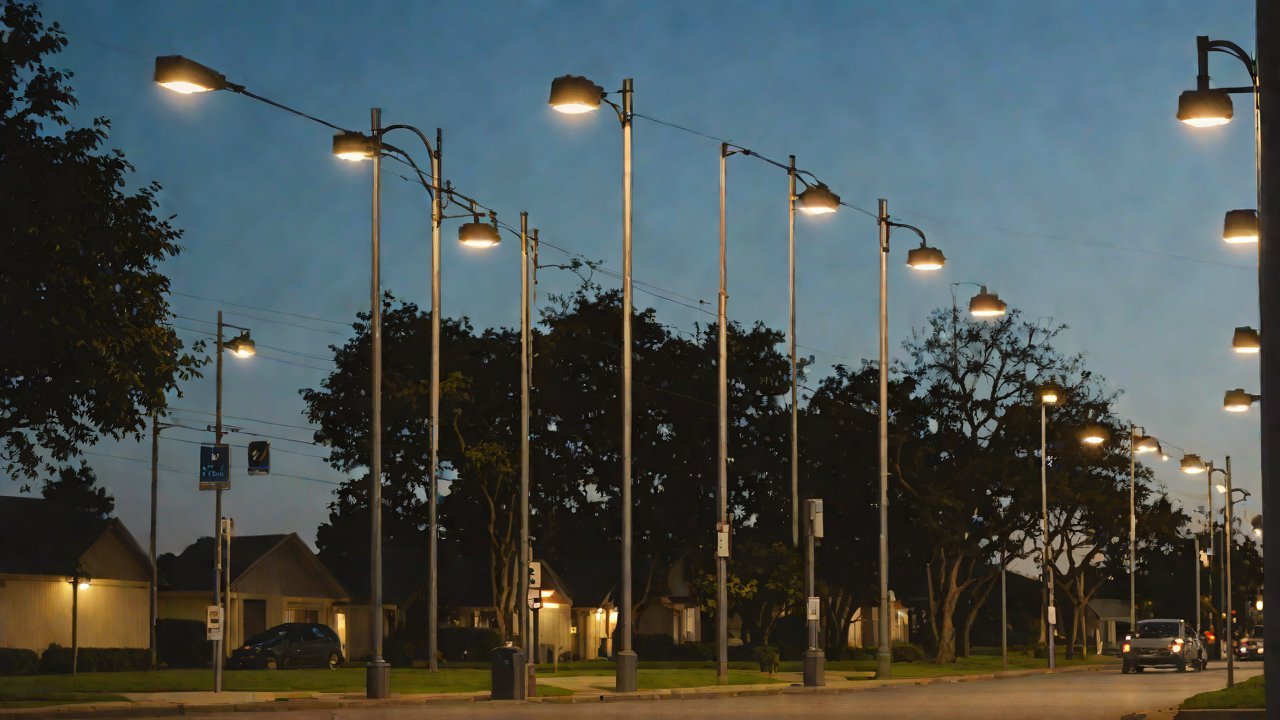
The urban landscape is witnessing a profound transformation, driven by the relentless march of technology and innovation. One of the most striking manifestations of this change can be observed in the humble streetlight, which has evolved from a mere provider of illumination to a sophisticated surveillance device capable of capturing and uploading data on illegally parked vehicles. The integration of artificial intelligence (AI), computer vision, and internet connectivity has empowered video streetlights to become an indispensable tool for urban planners, law enforcement agencies, and citizens alike.
The proliferation of smart city initiatives worldwide has led to the installation of millions of intelligent streetlights that are equipped with advanced sensors, cameras, and communication modules. These cutting-edge fixtures not only provide energy-efficient lighting but also enable real-time monitoring of traffic flow, pedestrian movement, and other urban dynamics. However, their true potential is yet to be fully exploited in terms of tackling a long-standing urban problem: the menace of illegal parking.
1. Understanding the Problem
Illegal parking poses significant challenges for cities worldwide, with far-reaching consequences on public safety, traffic congestion, and local businesses. According to a report by the International Parking Institute, an estimated 30% of urban spaces are occupied by parked vehicles, leading to reduced mobility for pedestrians and cyclists. Furthermore, illegally parked cars can obstruct emergency services’ access routes, compromising response times in critical situations.
Table 1: Estimated Costs of Illegal Parking (Source: International Parking Institute)
| Category | Estimated Annual Cost |
|---|---|
| Traffic Congestion | $20 billion |
| Reduced Productivity | $10 billion |
| Vehicle Damage | $5 billion |
| Other (Parking Enforcement, etc.) | $3 billion |
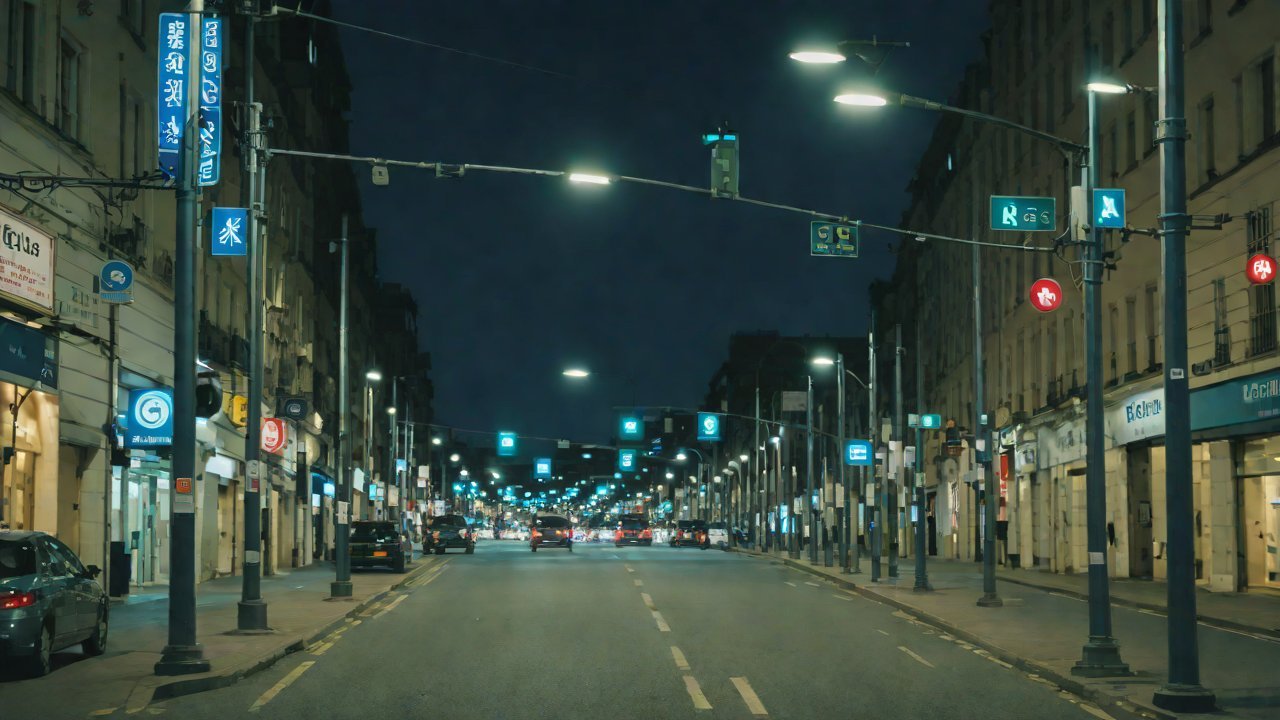
The economic burden of illegal parking is substantial, and cities are under increasing pressure to implement effective solutions. Video streetlights equipped with AI-powered computer vision can play a pivotal role in addressing this issue.
2. Technical Feasibility
To capture and upload data on illegally parked vehicles, video streetlights must possess several key capabilities:
- High-resolution imaging: To accurately identify vehicle make, model, color, and license plate numbers.
- Real-time object detection: To detect and track the movement of vehicles within the camera’s field of view.
- Machine learning algorithms: To classify parked vehicles as legitimate or illegitimate based on predefined rules and patterns.
The technical feasibility of implementing these features is well-established, with various vendors offering off-the-shelf solutions that can be integrated into existing streetlight infrastructure.
Table 2: Key Components of AI-Powered Video Streetlights (Source: Industry Reports)
| Component | Description |
|---|---|
| Camera Module | High-resolution camera with wide-angle lens and infrared capabilities. |
| Processor Unit | Dedicated hardware for processing video feeds in real-time. |
| Communication Module | Wi-Fi or cellular connectivity for uploading data to cloud servers. |
| Machine Learning Engine | Software module utilizing neural networks for object detection and classification. |
3. Data Analytics and Visualization
Once the video streetlights have captured data on illegally parked vehicles, the next crucial step is to analyze and visualize this information in a meaningful manner. This involves:
- Data storage and processing: Cloud-based or edge computing infrastructure for storing and analyzing large datasets.
- Visualization tools: Interactive dashboards and mapping applications for displaying parking patterns and trends.
By leveraging data analytics and visualization, cities can gain valuable insights into the dynamics of illegal parking, enabling them to develop targeted strategies for prevention and enforcement.
Table 3: Data Analytics and Visualization Tools (Source: Industry Reports)
| Tool | Description |
|---|---|
| Cloud-based Storage | Scalable infrastructure for storing and processing large datasets. |
| Edge Computing | Real-time data processing at the edge of the network, reducing latency and improving responsiveness. |
| Interactive Dashboards | Customizable visualizations for displaying parking patterns, trends, and anomalies. |
4. Implementation Roadmap
While the technical feasibility of AI-powered video streetlights is well-established, implementing this solution in a real-world setting requires careful planning and execution. A phased approach can help cities transition smoothly from traditional streetlight infrastructure to the next-generation intelligent lighting system.
Phase 1: Assessment and Planning (6-12 months)
- Conduct thorough assessments of existing streetlight infrastructure and parking patterns.
- Develop a comprehensive plan for implementation, including budgeting and resource allocation.
Phase 2: Pilot Deployment (6-9 months)
- Select pilot areas with high-density parking activity.
- Deploy AI-powered video streetlights in these areas, monitoring performance and gathering feedback from stakeholders.
Phase 3: Large-Scale Rollout (12-18 months)
- Based on the success of the pilot deployment, scale up implementation to cover entire city areas.
- Continuously monitor and evaluate performance, refining the system as needed.
5. Challenges and Limitations
While AI-powered video streetlights hold tremendous potential for addressing illegal parking, several challenges and limitations must be acknowledged:
- Data Privacy Concerns: Ensuring that personal data collected by the cameras is handled in accordance with local regulations and standards.
- Technical Complexity: Integrating advanced technologies like computer vision and machine learning into existing streetlight infrastructure can be complex and resource-intensive.
- Public Acceptance: Gaining public trust and acceptance of AI-powered surveillance systems requires transparency, communication, and education.
6. Conclusion
The integration of video streetlights with AI-powered computer vision technology presents a promising solution for tackling the problem of illegal parking in cities worldwide. By capturing and uploading data on illegally parked vehicles, these intelligent fixtures can help urban planners and law enforcement agencies develop targeted strategies for prevention and enforcement.
While challenges and limitations exist, the benefits of this approach far outweigh the costs. Cities that adopt AI-powered video streetlights will not only reduce congestion and improve public safety but also contribute to a more sustainable and livable environment for their citizens.
IOT Cloud Platform
IOT Cloud Platform is an IoT portal established by a Chinese IoT company, focusing on technical solutions in the fields of agricultural IoT, industrial IoT, medical IoT, security IoT, military IoT, meteorological IoT, consumer IoT, automotive IoT, commercial IoT, infrastructure IoT, smart warehousing and logistics, smart home, smart city, smart healthcare, smart lighting, etc.
The IoT Cloud Platform blog is a top IoT technology stack, providing technical knowledge on IoT, robotics, artificial intelligence (generative artificial intelligence AIGC), edge computing, AR/VR, cloud computing, quantum computing, blockchain, smart surveillance cameras, drones, RFID tags, gateways, GPS, 3D printing, 4D printing, autonomous driving, etc.