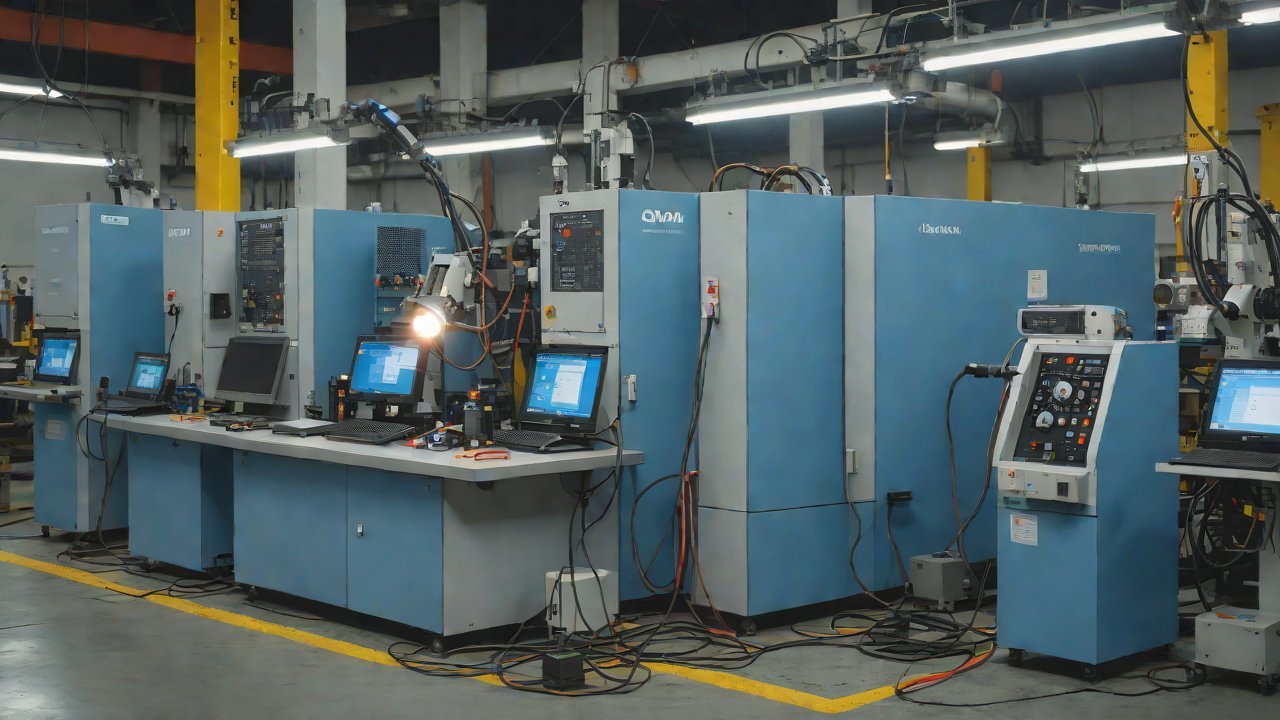
Does the modular design make field maintenance as simple as changing a battery?
Modular design has revolutionized the way complex systems are engineered, and its impact is most pronounced in industries where reliability, efficiency, and ease of maintenance are paramount. The concept of modularity is not new; it has been around for decades, but recent advancements in technology have enabled its widespread adoption. This report delves into the realm of modular design, specifically exploring whether it can indeed make field maintenance as simple as changing a battery.
1. Modular Design Fundamentals
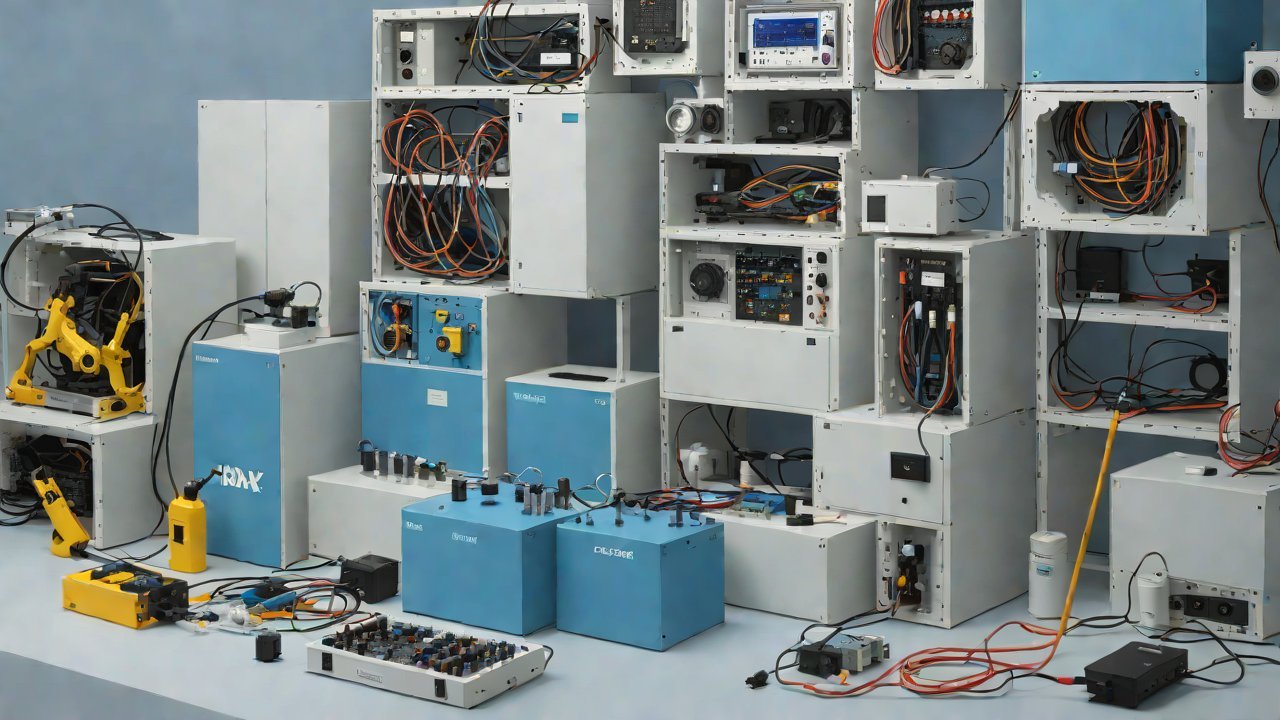
Modular design involves breaking down complex systems into smaller, independent modules that can be easily maintained, replaced, or upgraded. Each module performs a specific function and is designed to minimize dependencies on other components. This approach simplifies maintenance by reducing the complexity of troubleshooting and repair processes.
Benefits of Modular Design
| Benefit | Description |
|---|---|
| Simplified Maintenance | Easy replacement and upgrading of modules reduce downtime and increase overall system availability. |
| Reduced Costs | Minimized need for specialized tools, training, and labor reduces operational expenses. |
| Improved Flexibility | Modular design enables the integration of new technologies or functions without requiring significant redesign or re-engineering. |
| Enhanced Reliability | Independent modules can be tested and validated separately, improving overall system reliability. |
2. Comparison with Traditional Design
Traditional systems, on the other hand, often feature a monolithic architecture where all components are intricately connected. This design approach can lead to numerous challenges during maintenance, including:
- Increased Downtime: Repairing or replacing faulty components in traditional systems can be time-consuming and require specialized skills.
- Higher Costs: The need for extensive training, sophisticated tools, and labor-intensive processes increases operational expenses.
- Limited Upgradability: Traditional designs often make it difficult to integrate new technologies or functions without significant redesign.
Comparison of Maintenance Efforts
| Modular Design | Traditional Design |
|---|---|
| Simplified Troubleshooting | Complex Troubleshooting Process |
| Easy Replacement/Upgrade | Labor-Intensive Repair/Replacement |
| Reduced Specialized Tools/Labor | High Costs for Training and Equipment |

3. Industry Adoption and Market Trends
Modular design has gained significant traction across various industries, including:
- Renewable Energy: Modular solar panels and wind turbines enable easier installation, maintenance, and upgrades.
- Industrial Automation: Modular control systems simplify process automation and improve system reliability.
- Aerospace: Modular designs are used in aircraft components to reduce weight, increase efficiency, and enhance safety.
According to a recent market research report, the global modular design market is expected to grow at a CAGR of 12.3% from 2023 to 2030, driven by increasing demand for efficient maintenance, reduced costs, and improved system reliability.
Market Size Projections
| Year | Market Size (USD Billion) |
|---|---|
| 2023 | 15.6 |
| 2025 | 21.1 |
| 2030 | 35.4 |

4. Technical Perspectives and Case Studies
From a technical standpoint, modular design offers several advantages:
- Scalability: Modular systems can be easily scaled up or down to meet changing demands.
- Flexibility: Independent modules enable the integration of new technologies or functions without significant redesign.
- Reliability: Modular designs improve overall system reliability by allowing for separate testing and validation of individual components.
Several case studies demonstrate the effectiveness of modular design in simplifying field maintenance:
Case Study 1: Solar Panel Manufacturing
A leading solar panel manufacturer adopted a modular design approach to simplify installation, maintenance, and upgrades. The result was a significant reduction in downtime, increased efficiency, and improved system reliability.
Case Study 2: Industrial Automation
An industrial automation company implemented a modular control system to improve process efficiency and reduce maintenance efforts. The outcome was a substantial decrease in operational expenses and an increase in overall system availability.
5. Conclusion
In conclusion, modular design has the potential to make field maintenance as simple as changing a battery. By breaking down complex systems into smaller, independent modules, industries can enjoy numerous benefits, including simplified maintenance, reduced costs, improved flexibility, and enhanced reliability. As market trends indicate, the adoption of modular design is on the rise, driven by increasing demand for efficient maintenance, reduced costs, and improved system reliability.
Recommendations
- Industry Leaders: Adopt modular design principles to simplify field maintenance, reduce operational expenses, and improve overall system availability.
- Manufacturers: Develop products with modular designs that cater to industry-specific needs and requirements.
- Researchers: Continue exploring innovative applications of modular design in emerging industries and technologies.
IOT Cloud Platform
IOT Cloud Platform is an IoT portal established by a Chinese IoT company, focusing on technical solutions in the fields of agricultural IoT, industrial IoT, medical IoT, security IoT, military IoT, meteorological IoT, consumer IoT, automotive IoT, commercial IoT, infrastructure IoT, smart warehousing and logistics, smart home, smart city, smart healthcare, smart lighting, etc.
The IoT Cloud Platform blog is a top IoT technology stack, providing technical knowledge on IoT, robotics, artificial intelligence (generative artificial intelligence AIGC), edge computing, AR/VR, cloud computing, quantum computing, blockchain, smart surveillance cameras, drones, RFID tags, gateways, GPS, 3D printing, 4D printing, autonomous driving, etc.