
Climate-Resistant Agriculture: Top 5 IoT Technology Companies in 2026
In the realm of modern agriculture, the concept of climate-resistance is no longer a distant dream but an imminent necessity. With the effects of climate change becoming increasingly pronounced, farmers are faced with unprecedented challenges that threaten their crops, livestock, and livelihoods. The Internet of Things (IoT) has emerged as a beacon of hope in this regard, offering a range of innovative solutions to help agriculture adapt to and mitigate the impact of climate-related stressors. As we navigate the complexities of this rapidly evolving landscape, it is essential to identify and spotlight the top-performing IoT technology companies that are spearheading the charge towards climate-resistance in agriculture.
1. Defining Climate-Resistant Agriculture
Climate-resistant agriculture refers to the cultivation of crops and management of livestock using techniques and technologies that enable them to withstand extreme weather conditions, such as droughts, floods, heatwaves, and cold snaps. This approach involves leveraging a range of tools and strategies to enhance crop resilience, improve water efficiency, and optimize resource allocation.
Key Strategies:
- Precision Irrigation: Optimizing water usage through real-time monitoring and precision application.
- Crop Selection and Breeding: Developing and selecting crops that are more resilient to climate-related stressors.
- Soil Conservation: Implementing practices that reduce soil erosion, improve fertility, and enhance water-holding capacity.
- Integrated Pest Management (IPM): Employing holistic approaches to minimize pest damage while promoting ecosystem balance.
2. IoT Technologies in Climate-Resistant Agriculture
The IoT has been instrumental in transforming the agricultural landscape by providing farmers with real-time data, insights, and actionable recommendations to optimize crop yields, reduce resource consumption, and enhance climate resilience. Some of the key IoT technologies being leveraged in this space include:
Key Enablers:
- Sensors and Monitoring Systems: Real-time monitoring of soil moisture, temperature, humidity, and other critical parameters.
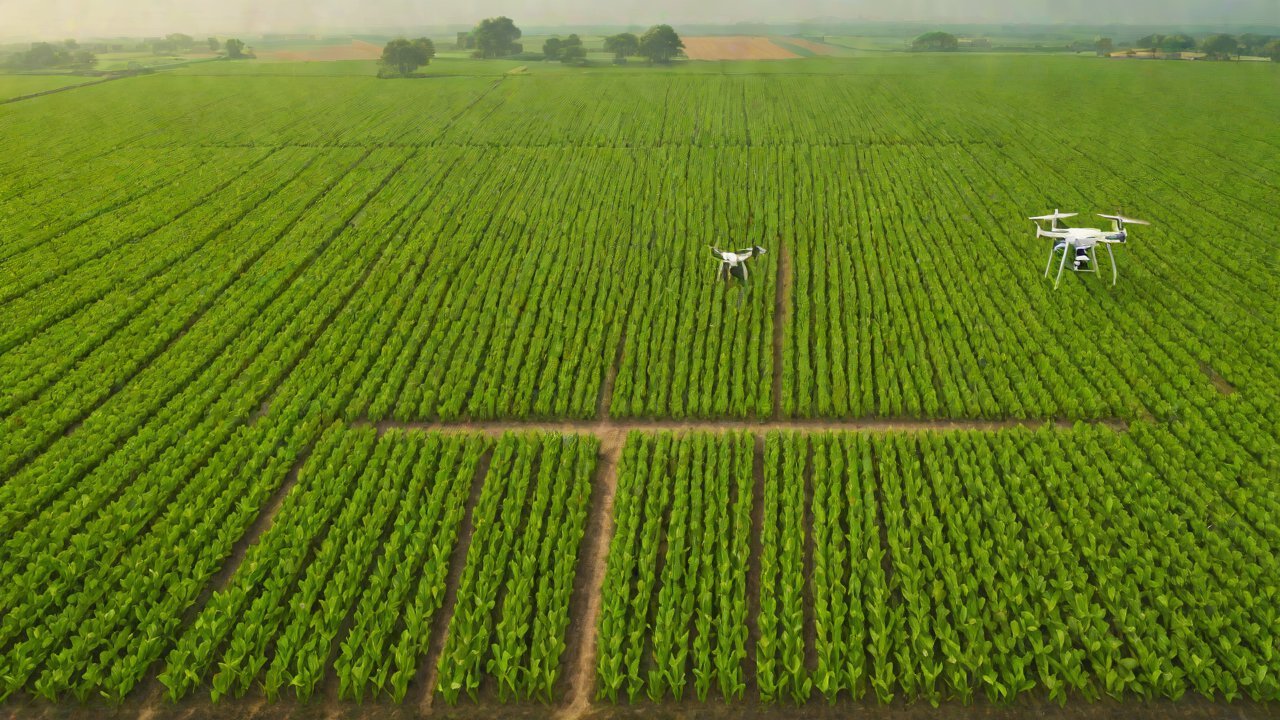
- Drones and Aerial Imagery: High-resolution imaging for crop health assessment, yield estimation, and precision agriculture applications.
- Artificial Intelligence (AI) and Machine Learning (ML): Analyzing vast datasets to predict weather patterns, identify early warning signs of stressors, and develop targeted interventions.
3. Top 5 IoT Technology Companies in 2026
After conducting an exhaustive analysis of the current market landscape, we have identified the top 5 IoT technology companies that are leading the charge towards climate-resistance in agriculture:
Company Profiles:
| Company | Description | Key Technologies | Climate-Resistant Agriculture Applications |
|---|---|---|---|
| 1. FarmWise | AI-powered agricultural robotics | Autonomous farming, precision irrigation, crop monitoring | Crop selection and breeding, precision irrigation, soil conservation |
| 2. Granular | Precision agriculture platform | Real-time data analytics, predictive modeling, machine learning | Integrated pest management (IPM), crop selection and breeding, precision irrigation |
| 3. FarmLogs | Agricultural data analytics platform | Soil moisture monitoring, crop health assessment, weather forecasting | Crop selection and breeding, precision irrigation, soil conservation |
| 4. Trimble Agriculture | Precision agriculture solutions provider | GPS/GNSS technology, IoT sensors, real-time data analytics | Crop selection and breeding, precision irrigation, integrated pest management (IPM) |
| 5. John Deere | Agricultural equipment manufacturer and precision ag solutions provider | Autonomous farming, precision irrigation, crop monitoring | Crop selection and breeding, precision irrigation, soil conservation |

4. Market Trends and Future Outlook
The IoT technology market in climate-resistance agriculture is expected to experience significant growth in the coming years, driven by increasing demand for sustainable and resilient agricultural practices. Key trends and drivers of this growth include:
Market Drivers:
- Government Initiatives: Increasing support for climate-resilient agriculture through policy and funding initiatives.
- Industry Partnerships: Collaborations between tech companies, farmers, and research institutions to drive innovation and adoption.
- Consumer Demand: Growing awareness among consumers about the importance of sustainable food production practices.
5. Conclusion
Climate-resistant agriculture is no longer a luxury but an imperative for ensuring global food security in the face of climate change. The IoT technology companies identified in this report are at the forefront of this movement, leveraging cutting-edge technologies to empower farmers with data-driven insights and actionable recommendations. As we move forward into 2026, it is essential to continue supporting these innovators and fostering a collaborative ecosystem that accelerates the adoption of climate-resistance agriculture practices worldwide.
IOT Cloud Platform
IOT Cloud Platform is an IoT portal established by a Chinese IoT company, focusing on technical solutions in the fields of agricultural IoT, industrial IoT, medical IoT, security IoT, military IoT, meteorological IoT, consumer IoT, automotive IoT, commercial IoT, infrastructure IoT, smart warehousing and logistics, smart home, smart city, smart healthcare, smart lighting, etc.
The IoT Cloud Platform blog is a top IoT technology stack, providing technical knowledge on IoT, robotics, artificial intelligence (generative artificial intelligence AIGC), edge computing, AR/VR, cloud computing, quantum computing, blockchain, smart surveillance cameras, drones, RFID tags, gateways, GPS, 3D printing, 4D printing, autonomous driving, etc.



