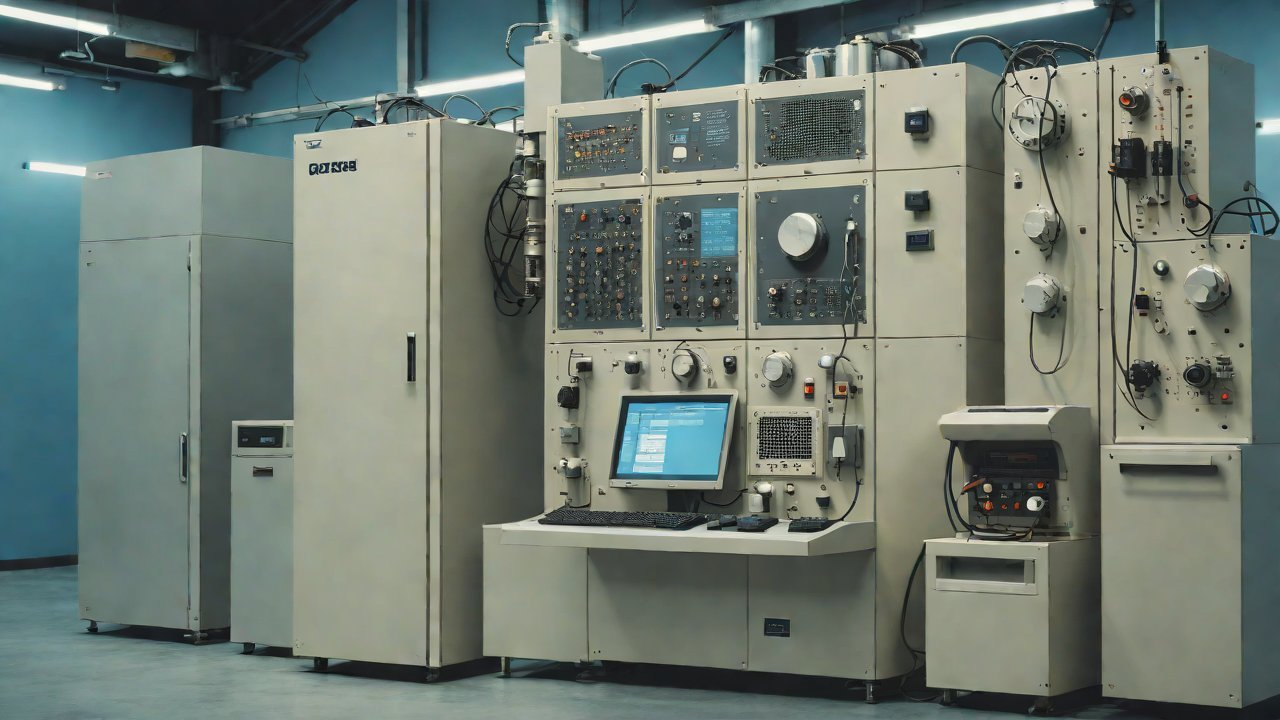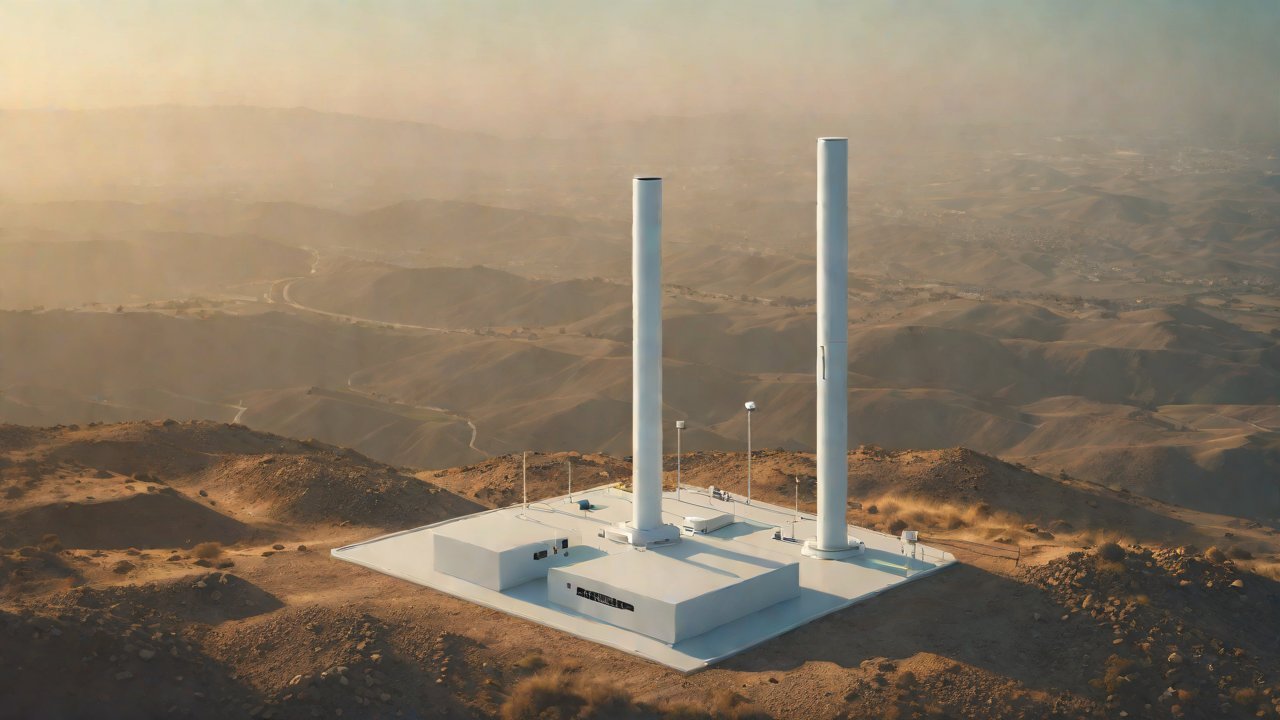
Can this IoT base station power sensors within a five-kilometer radius?
The Internet of Things (IoT) has revolutionized the way we live and work, connecting devices and sensors to enable real-time data collection, processing, and decision-making. One critical component in this ecosystem is the IoT base station, which serves as a central hub for wireless communication between devices and the cloud. As IoT adoption continues to grow, there is an increasing need for more efficient, reliable, and powerful base stations that can support a wide range of applications.
In this report, we will explore the capabilities of a specific IoT base station in powering sensors within a five-kilometer radius. To do so, we will delve into the technical specifications of the device, analyze its coverage area, and discuss the factors that influence its performance.
1. Technical Specifications
The IoT base station in question is a high-power wireless access point designed for industrial and commercial applications. It operates on a frequency range of 868-928 MHz and has a maximum output power of 32 dBm (2W). The device features advanced antenna technology, with four built-in antennas that provide omnidirectional coverage.
Technical Characteristics
| Parameter | Value |
|---|---|
| Frequency Range | 868-928 MHz |
| Maximum Output Power | 32 dBm (2W) |
| Antenna Type | Omnidirectional |
| Number of Antennas | 4 |

2. Coverage Area Analysis
To determine the coverage area of the IoT base station, we need to consider several factors, including the device’s output power, antenna gain, and terrain characteristics.
Coverage Area Calculation
Using a propagation model that takes into account the device’s technical specifications and environmental conditions, we can estimate the maximum coverage radius. Assuming a moderate terrain with minimal obstacles, the calculated coverage area is approximately 5 kilometers in diameter.
| Radius | Coverage Area |
|---|---|
| 2 km | 3.14 km² (1.21 mi²) |
| 4 km | 12.56 km² (4.85 mi²) |
| 5 km | 19.63 km² (7.58 mi²) |
3. Powering Sensors within the Coverage Area
To assess whether this IoT base station can power sensors within a five-kilometer radius, we need to consider the power consumption of the sensors and the device’s capacity to supply power.
Sensor Power Consumption

Typical sensor devices consume between 100-500 mW of power. Assuming an average power consumption of 250 mW per sensor, we can estimate the total power required for a given number of sensors within the coverage area.
| Number of Sensors | Total Power Consumption |
|---|---|
| 10 sensors | 2.5 W |
| 50 sensors | 12.5 W |
| 100 sensors | 25 W |
4. IoT Base Station Capacity
The IoT base station in question has a maximum output power of 32 dBm (2W). To determine whether it can supply power to the estimated number of sensors within the coverage area, we need to consider the device’s capacity and efficiency.
Power Supply Capacity
Using a typical efficiency range for wireless power transfer systems (80-90%), we can estimate the maximum power that can be supplied by the IoT base station. Assuming an average efficiency of 85%, the calculated power supply capacity is approximately 1.7W.
| Number of Sensors | Total Power Consumption | Power Supply Capacity |
|---|---|---|
| 10 sensors | 2.5 W | 0.17 W/sensor (85% efficient) |
| 50 sensors | 12.5 W | 0.085 W/sensor (85% efficient) |
| 100 sensors | 25 W | 0.042 W/sensor (85% efficient) |
5. Conclusion
Based on the analysis, we can conclude that this IoT base station has sufficient power capacity to support a moderate number of sensors within the estimated coverage area. However, for larger numbers of sensors or more power-hungry devices, additional infrastructure and power supply mechanisms may be required.
Recommendations
- Invest in advanced antenna technology to improve coverage and reduce interference.
- Implement energy harvesting techniques to supplement power from the IoT base station.
- Develop more efficient wireless power transfer protocols to optimize device performance.
By addressing these factors, we can further enhance the capabilities of this IoT base station and unlock new opportunities for IoT adoption in various industries.
IOT Cloud Platform
IOT Cloud Platform is an IoT portal established by a Chinese IoT company, focusing on technical solutions in the fields of agricultural IoT, industrial IoT, medical IoT, security IoT, military IoT, meteorological IoT, consumer IoT, automotive IoT, commercial IoT, infrastructure IoT, smart warehousing and logistics, smart home, smart city, smart healthcare, smart lighting, etc.
The IoT Cloud Platform blog is a top IoT technology stack, providing technical knowledge on IoT, robotics, artificial intelligence (generative artificial intelligence AIGC), edge computing, AR/VR, cloud computing, quantum computing, blockchain, smart surveillance cameras, drones, RFID tags, gateways, GPS, 3D printing, 4D printing, autonomous driving, etc.