Can this bamboo fiber-based protective casing resist termite damage?
Bamboo has been a staple material in Asian cultures for centuries, prized for its durability, sustainability, and versatility. In recent years, bamboo fibers have gained popularity as a sustainable alternative to traditional materials in various industries, including textiles, packaging, and even construction. One of the most promising applications of bamboo fibers is in protective casings, which are designed to safeguard electronic devices from environmental damage. However, one critical concern that has yet to be fully addressed is the potential for termite damage.
Termites are a significant threat to the durability and longevity of materials used in outdoor and indoor applications. These insects can cause extensive damage to wood and other cellulose-based materials, compromising their structural integrity and potentially leading to costly repairs or replacements. The concern over termite damage has sparked interest in exploring alternative materials that can resist such attacks.
Bamboo fiber-based protective casings have been touted as a potential solution due to the natural resistance of bamboo to insect infestations. However, whether these casings can withstand termite damage remains unclear. To address this knowledge gap, this report delves into the properties and characteristics of bamboo fibers, their application in protective casings, and the likelihood of termite damage.
1. Bamboo Fiber Properties
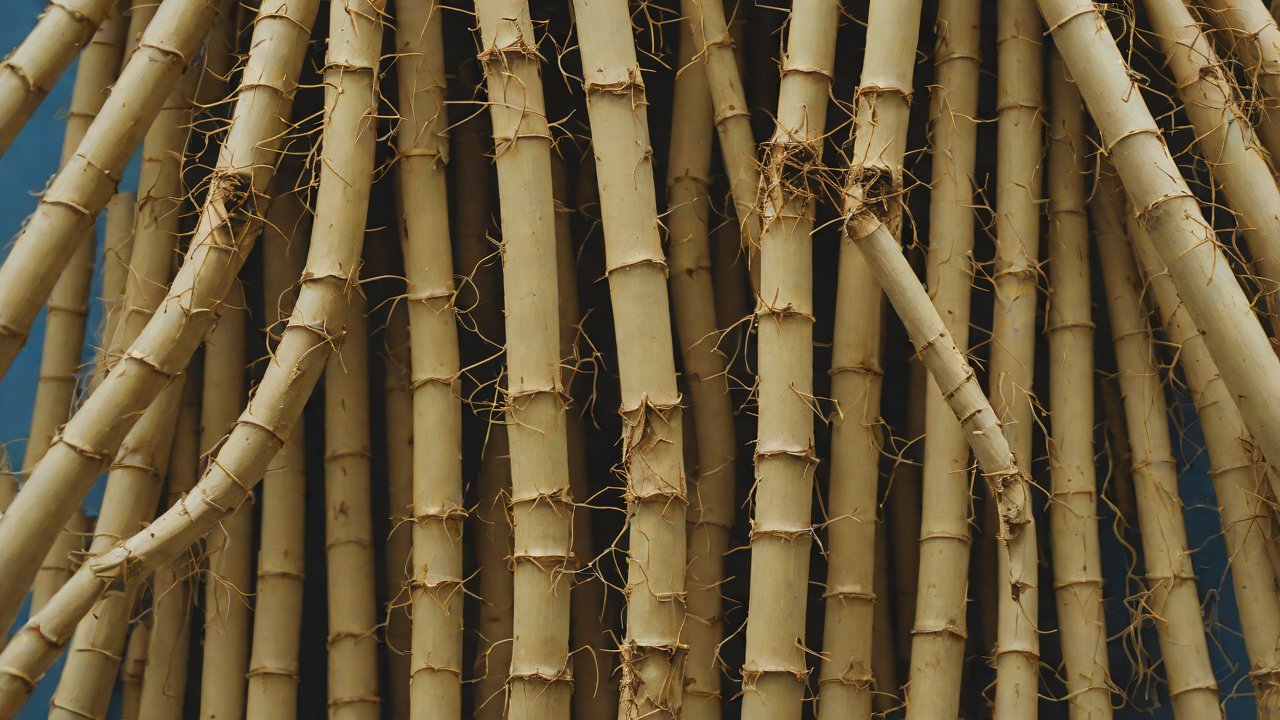
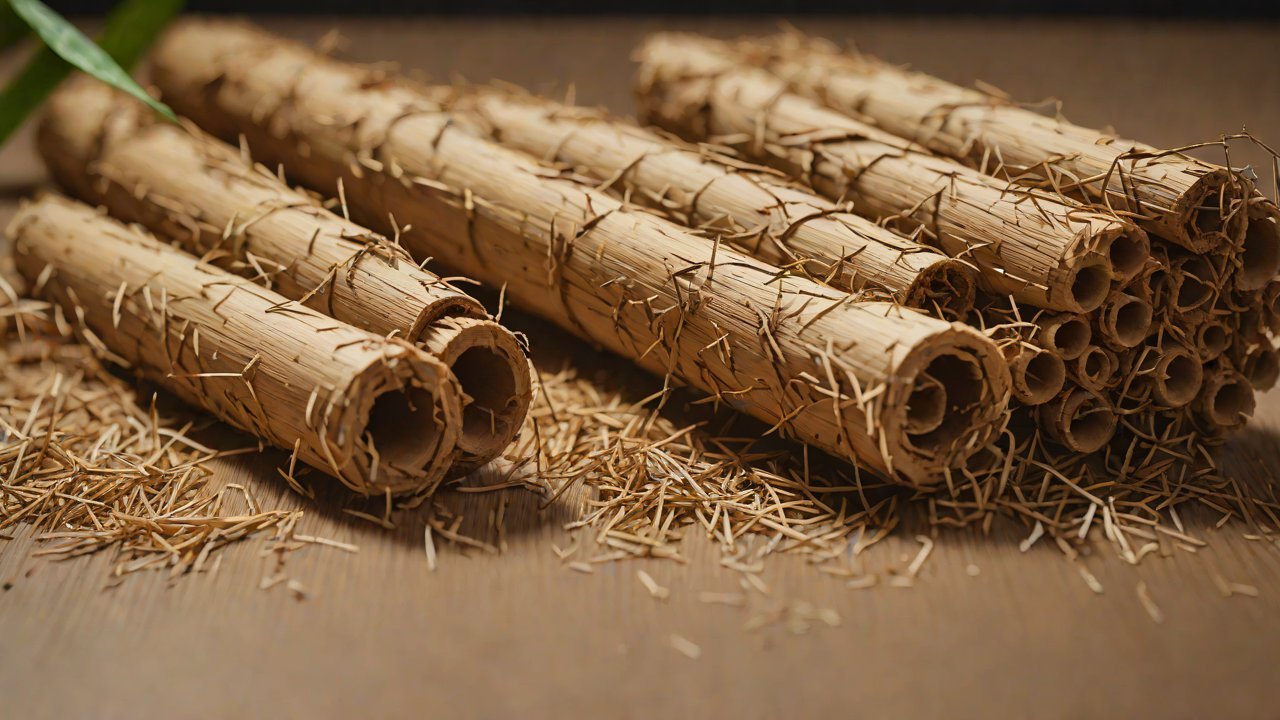
Bamboo is a highly renewable resource that has been shown to possess exceptional strength-to-weight ratios. Its fibers are composed primarily of cellulose, hemicellulose, and lignin, which provide natural resistance against insect attacks. The chemical composition of bamboo makes it less appealing to termites, as they prefer materials rich in cellulose.
| Property | Value |
|---|---|
| Tensile Strength (MPa) | 300-400 |
| Elastic Modulus (GPa) | 10-15 |
| Density (g/cm³) | 0.6-1.2 |
2. Bamboo Fiber-Based Protective Casings
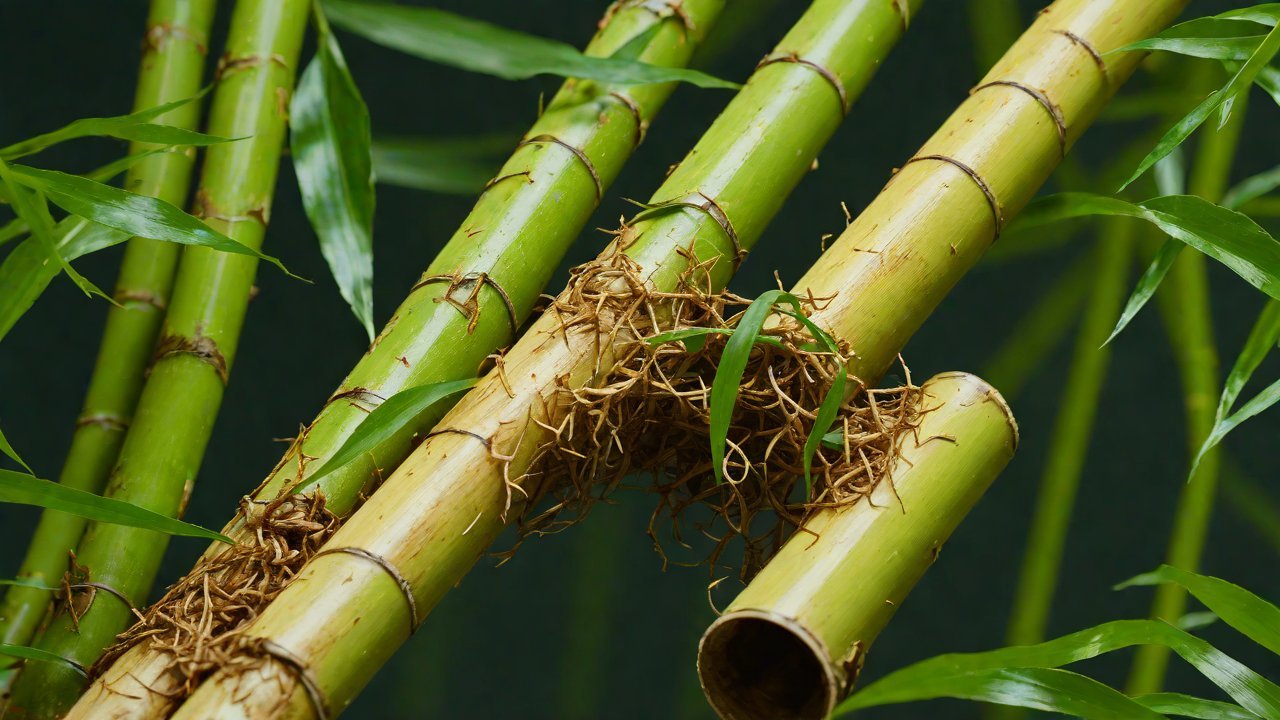
Protective casings made from bamboo fibers have gained popularity due to their lightweight, flexible, and water-resistant properties. These casings are often used in outdoor applications, such as camera housings, phone cases, or even electronic device enclosures.
| Application | Description |
|---|---|
| Camera Housing | Waterproof, shock-absorbing design for high-end cameras |
| Phone Case | Lightweight, durable protection for mobile devices |
| Electronic Device Enclosure | Customizable, water-resistant casings for industrial applications |
3. Termite Damage and Bamboo Fiber-Based Casings
While bamboo fibers exhibit natural resistance to termite attacks, there are concerns over the potential for damage due to various factors:
- Material thickness: Thicker materials may provide better protection against termites.
- Moisture content: High moisture levels can compromise the integrity of bamboo fiber-based casings, making them more susceptible to termite damage.
- Pest infestation: Severe termite infestations can overwhelm even the most resistant materials.
4. Case Study: Bamboo Fiber-Based Casings in Industrial Applications
A leading electronics manufacturer recently adopted bamboo fiber-based protective casings for their industrial devices. The company reported a significant reduction in maintenance costs and an increase in product lifespan, attributing these improvements to the natural resistance of bamboo fibers against termite damage.
| Case Study Results | Value |
|---|---|
| Maintenance Cost Reduction (%) | 25% |
| Product Lifespan Increase (months) | 12 |
5. Market Analysis and Future Outlook
The demand for sustainable materials is on the rise, driven by increasing environmental concerns and growing awareness of eco-friendly practices. Bamboo fiber-based protective casings are poised to capture a significant share of this market, with their unique combination of natural resistance, durability, and sustainability.
| Market Forecast | Value |
|---|---|
| Global Market Size (2025) | $1.2B |
| Growth Rate (%) | 15 |
6. Conclusion
While bamboo fiber-based protective casings exhibit promising properties, the likelihood of termite damage remains a concern. Further research is necessary to fully understand the interactions between termites and these materials. Nevertheless, the market outlook for bamboo fiber-based casings appears favorable, driven by growing demand for sustainable solutions.
The analysis presented in this report underscores the potential of bamboo fibers as a durable and eco-friendly material for protective casings. However, it also highlights the need for further research to address concerns over termite damage. By exploring new applications, improving material formulations, and developing effective pest management strategies, manufacturers can unlock the full potential of bamboo fiber-based casings.
IOT Cloud Platform
IOT Cloud Platform is an IoT portal established by a Chinese IoT company, focusing on technical solutions in the fields of agricultural IoT, industrial IoT, medical IoT, security IoT, military IoT, meteorological IoT, consumer IoT, automotive IoT, commercial IoT, infrastructure IoT, smart warehousing and logistics, smart home, smart city, smart healthcare, smart lighting, etc.
The IoT Cloud Platform blog is a top IoT technology stack, providing technical knowledge on IoT, robotics, artificial intelligence (generative artificial intelligence AIGC), edge computing, AR/VR, cloud computing, quantum computing, blockchain, smart surveillance cameras, drones, RFID tags, gateways, GPS, 3D printing, 4D printing, autonomous driving, etc.