AIGC-Driven Zero-Downtime Factory IoT Integration Solution
In today’s era of Industry 4.0, manufacturing facilities are increasingly adopting Internet of Things (IoT) technologies to enhance operational efficiency, reduce downtime, and improve overall productivity. Among these advancements, Artificial General Intelligence-Computer (AIGC)-driven solutions have emerged as a game-changer in the realm of factory IoT integration. By leveraging AIGC’s capabilities in predictive maintenance, real-time monitoring, and autonomous decision-making, manufacturers can create zero-downtime environments that minimize production losses and maximize output.
1. Market Landscape
The global Industrial Internet of Things (IIoT) market is projected to reach $1.3 trillion by 2027, with a Compound Annual Growth Rate (CAGR) of 24.2% from 2020 to 2027. The manufacturing sector accounts for the largest share of this growth, driven by increasing adoption of IoT technologies in production processes.
| Market Segment | 2020 | 2025 | 2027 |
|---|---|---|---|
| IIoT Market Size (USD Billion) | 240.6 | 630.8 | 1,300.4 |
| CAGR (%) | 18.2% | 22.3% | 24.2% |
2. AIGC-Driven Factory IoT Integration
AIGC represents a significant advancement in AI research, enabling machines to learn and apply knowledge across various domains without human intervention. In the context of factory IoT integration, AIGC-driven solutions can:
- Predictive Maintenance: Analyze sensor data from equipment and machinery to predict potential failures, reducing downtime and increasing overall equipment effectiveness (OEE).
- Real-time Monitoring: Continuously monitor production processes in real-time, enabling immediate response to anomalies or deviations.
- Autonomous Decision-Making: Automate decision-making processes using AIGC-driven algorithms, eliminating human error and improving productivity.
3. Technical Perspectives
AIGC-driven factory IoT integration solutions rely on the following technical components:
- Edge Computing: Real-time processing of sensor data at the edge of the network, reducing latency and increasing responsiveness.
- Cloud-Based Platforms: Scalable cloud infrastructure for storing and analyzing large datasets, enabling AIGC-driven decision-making.
- AIGC Algorithms: Advanced algorithms that learn from data and adapt to changing production environments.
4. Benefits and Use Cases
The benefits of AIGC-driven factory IoT integration solutions are numerous:
- Increased Productivity: Real-time monitoring and predictive maintenance reduce downtime, increasing overall output.
- Improved Quality: Autonomous decision-making ensures consistent product quality, reducing waste and rework.
- Enhanced Safety: Predictive maintenance reduces the risk of equipment failure, improving worker safety.
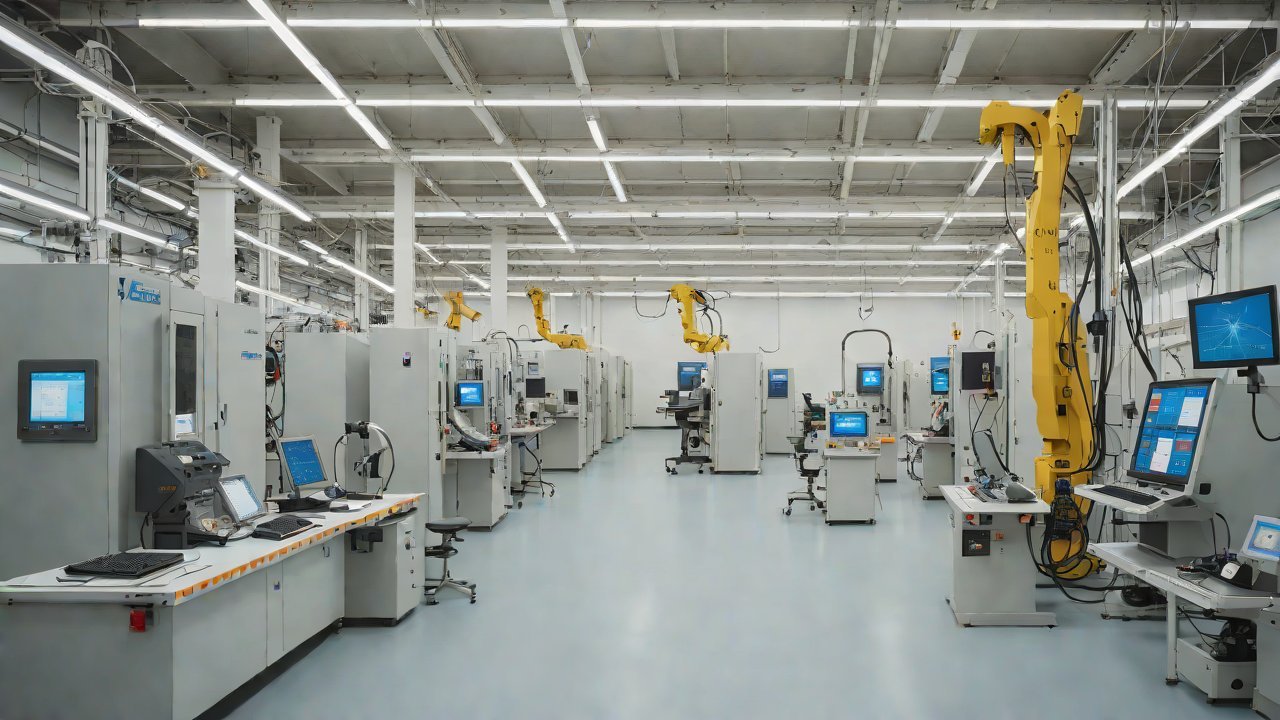
Some use cases for AIGC-driven factory IoT integration solutions include:
| Industry | Use Case |
|---|---|
| Automotive | Predictive maintenance on assembly lines to reduce downtime and improve OEE |
| Aerospace | Real-time monitoring of production processes to ensure consistent product quality |
| Food Processing | Autonomous decision-making for packaging and labeling operations to reduce waste and rework |
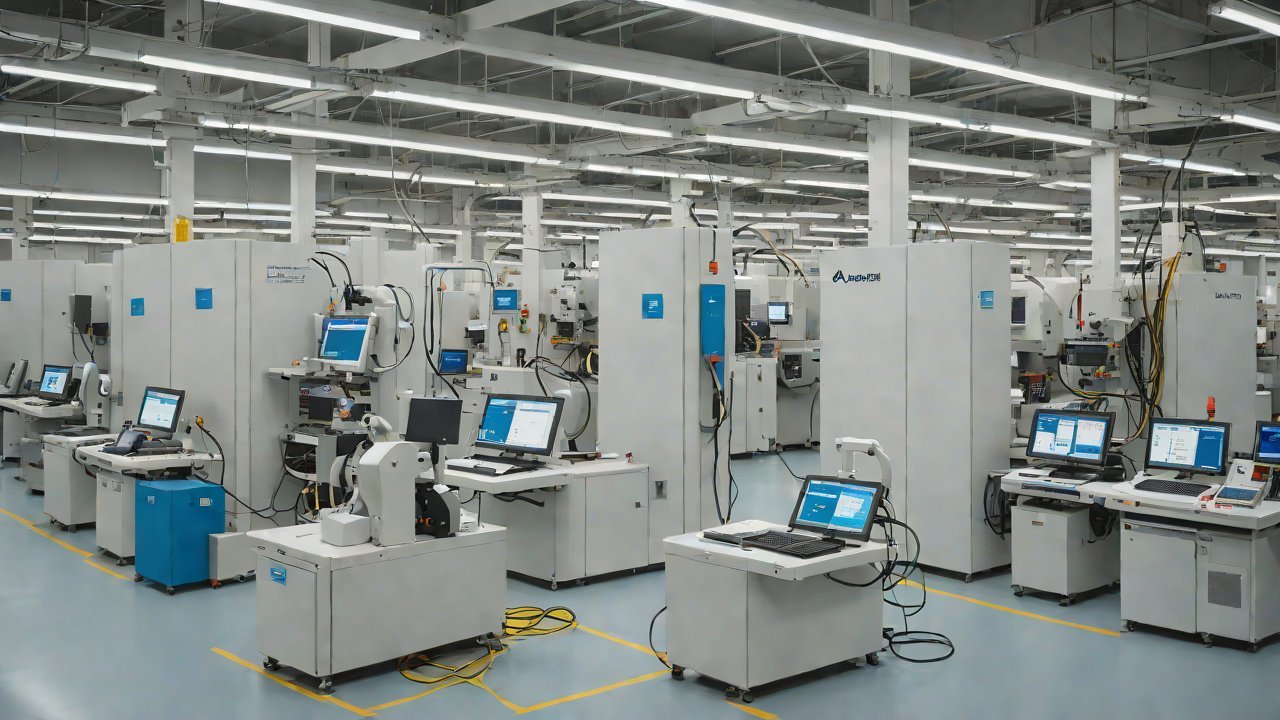
5. Implementation Roadmap
Implementing AIGC-driven factory IoT integration solutions requires a structured approach:
- Assessment: Conduct a thorough assessment of current production processes and equipment.
- Design: Design the AIGC-driven solution, including edge computing infrastructure and cloud-based platforms.
- Implementation: Implement the solution, ensuring seamless integration with existing systems.
- Training: Provide training for personnel on the use and maintenance of the new system.
6. Conclusion
AIGC-driven factory IoT integration solutions offer a powerful toolset for manufacturers seeking to enhance operational efficiency, reduce downtime, and improve overall productivity. By leveraging AIGC’s capabilities in predictive maintenance, real-time monitoring, and autonomous decision-making, manufacturers can create zero-downtime environments that minimize production losses and maximize output.
Recommendations
Based on the analysis presented above, we recommend:
- Investment in AIGC-Driven Solutions: Manufacturers should invest in AIGC-driven factory IoT integration solutions to enhance operational efficiency and reduce downtime.
- Development of Industry-Specific Use Cases: Companies should develop industry-specific use cases for AIGC-driven factory IoT integration solutions to maximize benefits.
Future Outlook
The future outlook for AIGC-driven factory IoT integration solutions is promising, with increasing adoption across various industries. As the market continues to evolve, manufacturers must stay ahead of the curve by investing in cutting-edge technologies and leveraging their capabilities to drive business growth.
IOT Cloud Platform
IOT Cloud Platform is an IoT portal established by a Chinese IoT company, focusing on technical solutions in the fields of agricultural IoT, industrial IoT, medical IoT, security IoT, military IoT, meteorological IoT, consumer IoT, automotive IoT, commercial IoT, infrastructure IoT, smart warehousing and logistics, smart home, smart city, smart healthcare, smart lighting, etc.
The IoT Cloud Platform blog is a top IoT technology stack, providing technical knowledge on IoT, robotics, artificial intelligence (generative artificial intelligence AIGC), edge computing, AR/VR, cloud computing, quantum computing, blockchain, smart surveillance cameras, drones, RFID tags, gateways, GPS, 3D printing, 4D printing, autonomous driving, etc.