7 Key Technologies of IoT Sensors
The internet of things (IoT) has revolutionized the way we live, work, and interact with our surroundings. At its core, IoT relies on sensors to collect and transmit data from various environments, devices, and systems. These tiny marvels are the unsung heroes of the IoT ecosystem, enabling the creation of smart cities, industrial automation, and personalized experiences. In this report, we will delve into the 7 key technologies of IoT sensors that are driving innovation and shaping the future of industry and society.
1. Accelerometers
Accelerometers are a type of inertial sensor that measure acceleration, velocity, and orientation in three-dimensional space. They are commonly used in wearable devices, smartphones, and vehicles to track movement, detect impacts, and monitor vibrations. The global accelerometer market is expected to reach $13.4 billion by 2025, growing at a CAGR of 11.1% from 2020 to 2025 (MarketsandMarkets).
| Accelerometer Type | Description |
|---|---|
| MEMS Accelerometers | Small, low-power, and high-accuracy accelerometers using micro-electromechanical systems (MEMS) technology |
| Piezoelectric Accelerometers | Use piezoelectric materials to generate an electric charge in response to acceleration or vibration |
| Capacitive Accelerometers | Measure changes in capacitance caused by acceleration or vibration |
Accelerometers have a wide range of applications, including:
- Wearable devices: fitness trackers, smartwatches, and augmented reality (AR) glasses
- Industrial automation: monitoring machinery vibrations, detecting equipment malfunctions
- Transportation: vehicle stability control, crash detection, and driver fatigue monitoring
2. Environmental Sensors
Environmental sensors measure temperature, humidity, pressure, gas concentration, and other environmental parameters. They are used in various industries, including agriculture, healthcare, and industrial automation. The global environmental sensor market is expected to reach $14.3 billion by 2027, growing at a CAGR of 8.1% from 2022 to 2027 (Grand View Research).
| Environmental Sensor Type | Description |
|---|---|
| Temperature Sensors | Measure temperature in various ranges, including Celsius and Fahrenheit |
| Humidity Sensors | Detect changes in humidity levels, often used in HVAC systems and climate control |
| Pressure Sensors | Measure pressure in various environments, including atmospheric and industrial settings |
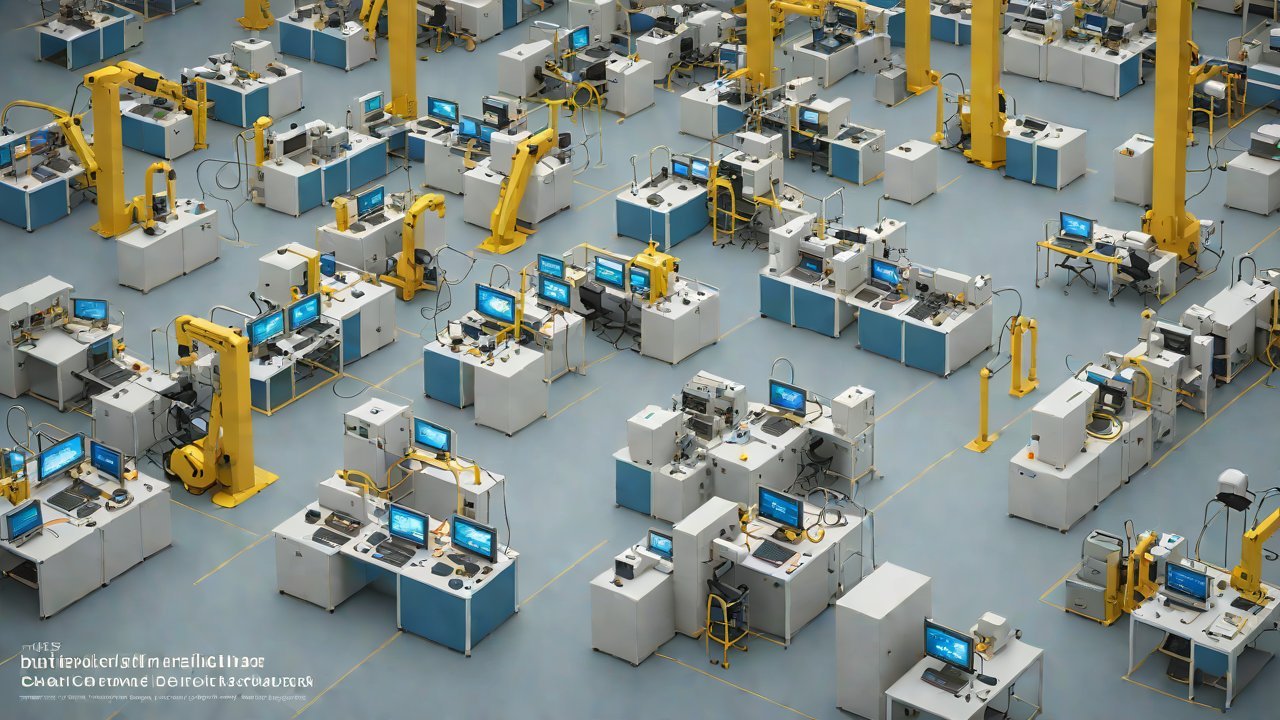
Environmental sensors have a significant impact on industries such as:
- Agriculture: monitoring soil moisture, temperature, and CO2 levels for optimal crop growth
- Healthcare: tracking patient vital signs, detecting airborne pathogens, and monitoring indoor air quality
- Industrial automation: optimizing process conditions, preventing equipment damage, and ensuring worker safety
3. Image Sensors
Image sensors capture visual data from the environment, enabling applications such as computer vision, surveillance, and augmented reality (AR). They are commonly used in smartphones, security cameras, and drones. The global image sensor market is expected to reach $23.4 billion by 2025, growing at a CAGR of 10.2% from 2020 to 2025 (ResearchAndMarkets).
| Image Sensor Type | Description |
|---|---|
| CMOS Image Sensors | Complementary metal-oxide-semiconductor (CMOS) technology provides high-resolution images and low power consumption |
| CCD Image Sensors | Charge-coupled device (CCD) technology offers high sensitivity and resolution, but higher power consumption |
| Infrared Image Sensors | Detect infrared radiation for night vision, thermal imaging, and object detection |
Image sensors have a wide range of applications in:
- Computer vision: image recognition, object detection, and tracking
- Surveillance: security cameras, motion detection, and facial recognition
- Augmented reality (AR): overlaying digital information on the real world
4. Microphones
Microphones capture audio data from the environment, enabling applications such as voice assistants, speech recognition, and sound monitoring. They are commonly used in smartphones, smart speakers, and hearing aids. The global microphone market is expected to reach $12.3 billion by 2025, growing at a CAGR of 9.1% from 2020 to 2025 (Grand View Research).
| Microphone Type | Description |
|---|---|
| MEMS Microphones | Small, low-power, and high-sensitivity microphones using MEMS technology |
| Electret Condenser Microphones | Offer high sensitivity and wide dynamic range, but higher power consumption |
| Dynamic Microphones | Provide high sensitivity and low noise, often used in professional audio applications |
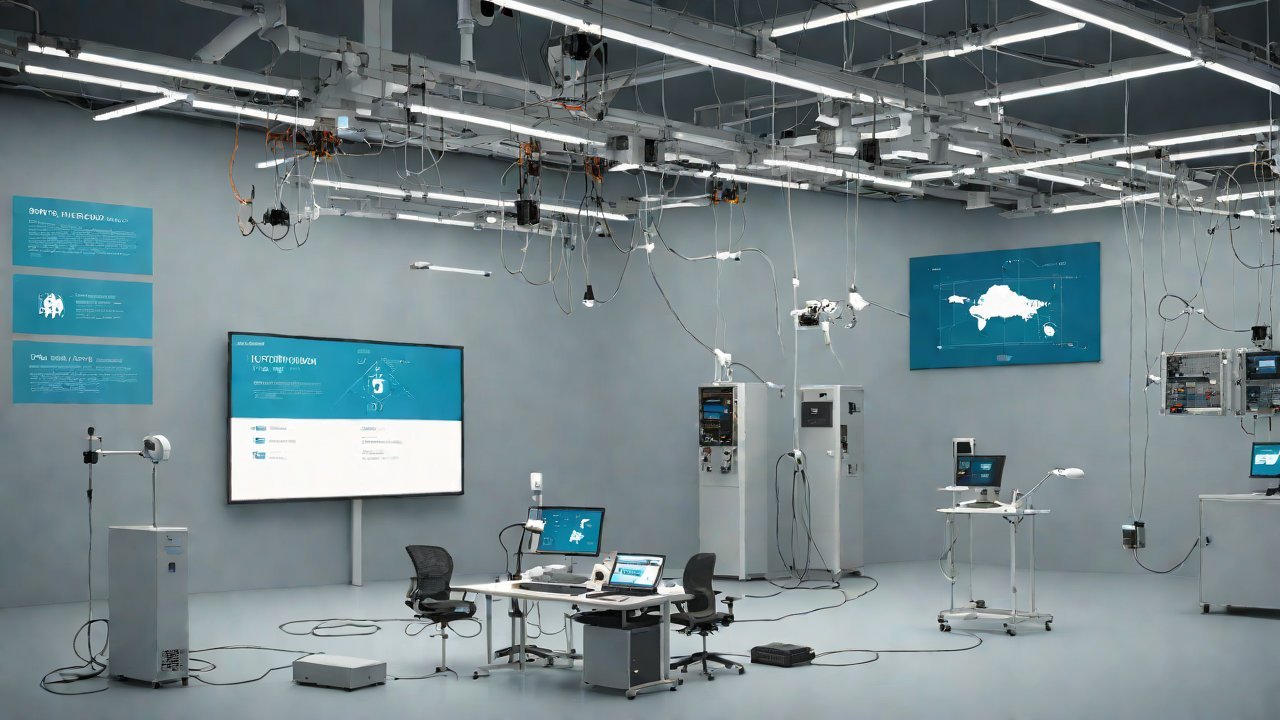
Microphones have a significant impact on industries such as:
- Voice assistants: Siri, Alexa, and Google Assistant
- Speech recognition: voice-to-text, speech synthesis, and dictation software
- Sound monitoring: audio recording, music production, and sound quality assessment
5. Proximity Sensors
Proximity sensors detect the presence or absence of objects in a specific area, enabling applications such as gesture recognition, object tracking, and smart home automation. They are commonly used in smartphones, smartwatches, and appliances. The global proximity sensor market is expected to reach $2.3 billion by 2025, growing at a CAGR of 10.4% from 2020 to 2025 (ResearchAndMarkets).
| Proximity Sensor Type | Description |
|---|---|
| Capacitive Proximity Sensors | Measure changes in capacitance caused by the presence or absence of objects |
| Inductive Proximity Sensors | Detect magnetic fields and object proximity using electromagnetic induction |
| Ultrasonic Proximity Sensors | Use high-frequency sound waves to detect object proximity and distance |
Proximity sensors have a wide range of applications in:
- Gesture recognition: smartphone gestures, smartwatches, and gaming controllers
- Object tracking: inventory management, package tracking, and supply chain optimization
- Smart home automation: lighting control, thermostat regulation, and security systems
6. Pressure Sensors
Pressure sensors measure pressure in various environments, enabling applications such as industrial automation, transportation, and medical devices. They are commonly used in vehicles, aircraft, and medical equipment. The global pressure sensor market is expected to reach $13.8 billion by 2025, growing at a CAGR of 9.3% from 2020 to 2025 (Grand View Research).
| Pressure Sensor Type | Description |
|---|---|
| Piezoresistive Pressure Sensors | Measure pressure changes using piezoresistive materials and resistors |
| Capacitive Pressure Sensors | Detect changes in capacitance caused by pressure changes |
| Optical Pressure Sensors | Use optical principles to measure pressure, often used in medical devices |
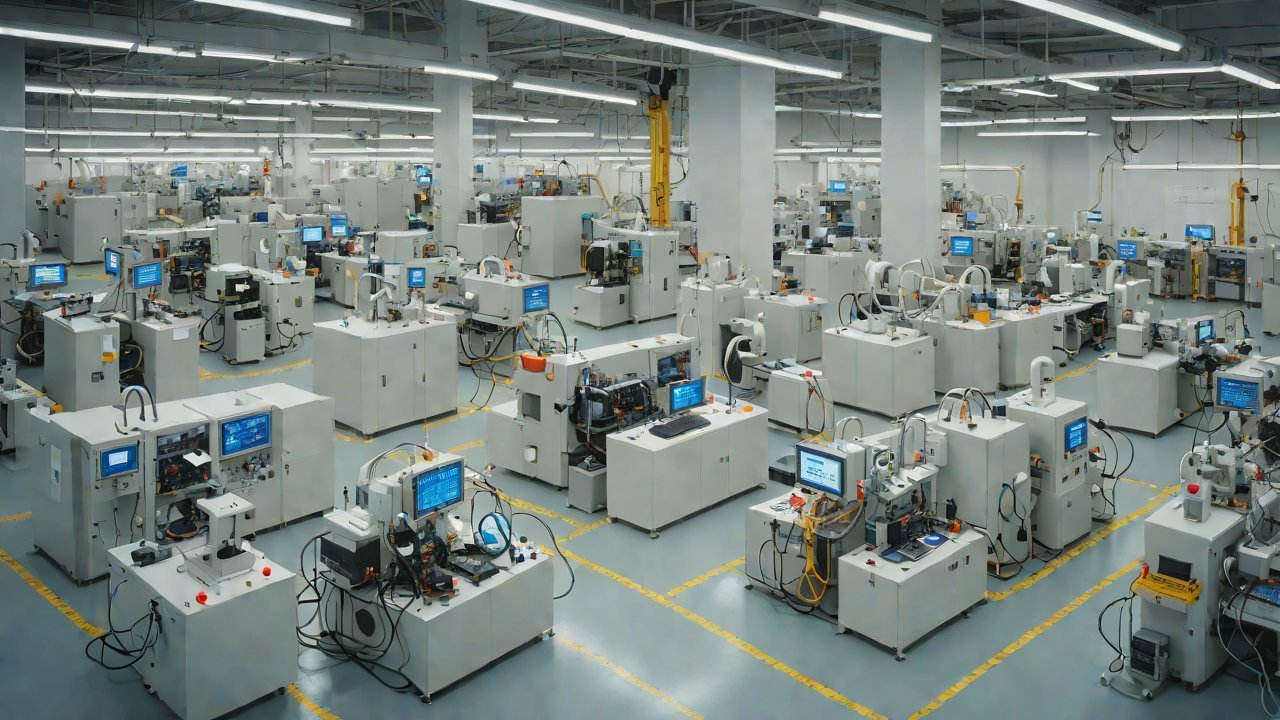
Pressure sensors have a significant impact on industries such as:
- Industrial automation: monitoring equipment performance, detecting leaks, and optimizing process conditions
- Transportation: tire pressure monitoring systems (TPMS), airbag deployment, and vehicle stability control
- Medical devices: blood pressure monitoring, respiratory therapy, and anesthesia delivery
7. Temperature Sensors
Temperature sensors measure temperature in various environments, enabling applications such as industrial automation, transportation, and medical devices. They are commonly used in vehicles, aircraft, and medical equipment. The global temperature sensor market is expected to reach $10.5 billion by 2025, growing at a CAGR of 8.2% from 2020 to 2025 (ResearchAndMarkets).
| Temperature Sensor Type | Description |
|---|---|
| Thermocouples | Measure temperature using the Seebeck effect and thermoelectric materials |
| Resistance Temperature Detectors (RTDs) | Measure temperature changes using resistance variations in metal alloys |
| Digital Temperature Sensors | Use digital signal processing to measure temperature, often used in industrial automation and medical devices |
Temperature sensors have a wide range of applications in:
- Industrial automation: monitoring equipment performance, detecting overheating, and optimizing process conditions
- Transportation: engine temperature monitoring, tire pressure monitoring systems (TPMS), and airbag deployment
- Medical devices: patient vital sign monitoring, blood temperature regulation, and anesthesia delivery
In conclusion, the 7 key technologies of IoT sensors – accelerometers, environmental sensors, image sensors, microphones, proximity sensors, pressure sensors, and temperature sensors – are driving innovation and shaping the future of industry and society. As these technologies continue to evolve, we can expect to see new applications, improved performance, and increased adoption across various industries.
IOT Cloud Platform
IOT Cloud Platform is an IoT portal established by a Chinese IoT company, focusing on technical solutions in the fields of agricultural IoT, industrial IoT, medical IoT, security IoT, military IoT, meteorological IoT, consumer IoT, automotive IoT, commercial IoT, infrastructure IoT, smart warehousing and logistics, smart home, smart city, smart healthcare, smart lighting, etc.
The IoT Cloud Platform blog is a top IoT technology stack, providing technical knowledge on IoT, robotics, artificial intelligence (generative artificial intelligence AIGC), edge computing, AR/VR, cloud computing, quantum computing, blockchain, smart surveillance cameras, drones, RFID tags, gateways, GPS, 3D printing, 4D printing, autonomous driving, etc.