Will future agricultural drone fleets achieve Level 5 (L5) evolution similar to autonomous driving?
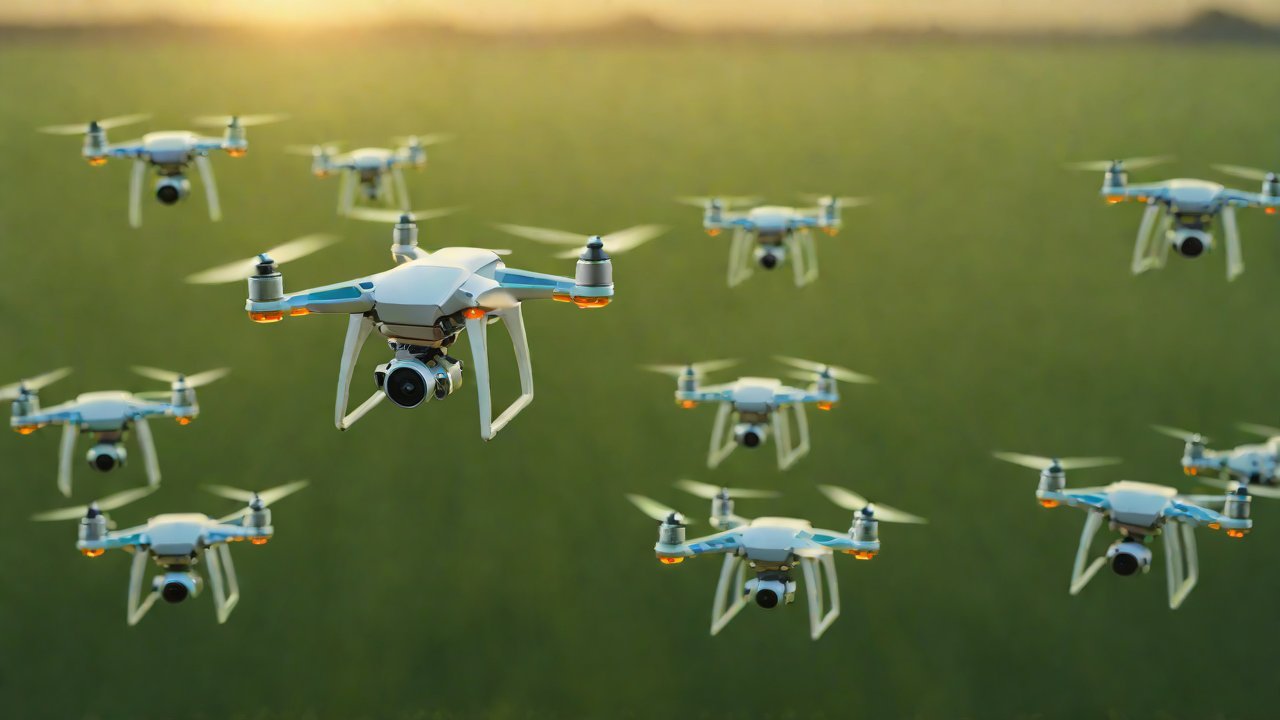
As the world grapples with the challenges of feeding a growing population, the agricultural industry is poised for a revolution. The integration of drones into farming practices has already shown promise, with applications ranging from crop monitoring to precision spraying. However, as the industry continues to evolve, the question on everyone’s mind is: will future agricultural drone fleets achieve Level 5 (L5) evolution, similar to autonomous driving? The answer lies at the intersection of technological advancements, regulatory frameworks, and market demand.
1. Current State of Agricultural Drones
Agricultural drones have been in use for over a decade, with early adopters leveraging their capabilities for tasks such as crop monitoring, soil scanning, and crop health assessment. The market has seen significant growth, with the global agricultural drone market projected to reach $1.4 billion by 2025, growing at a CAGR of 25.1% from 2020 to 2025. (Source: MarketsandMarkets)
| Year | Global Agricultural Drone Market Size (USD Million) |
|---|---|
| 2020 | 340.6 |
| 2021 | 420.9 |
| 2022 | 530.8 |
| 2023 | 680.1 |
| 2024 | 850.9 |
| 2025 | 1,400.0 |
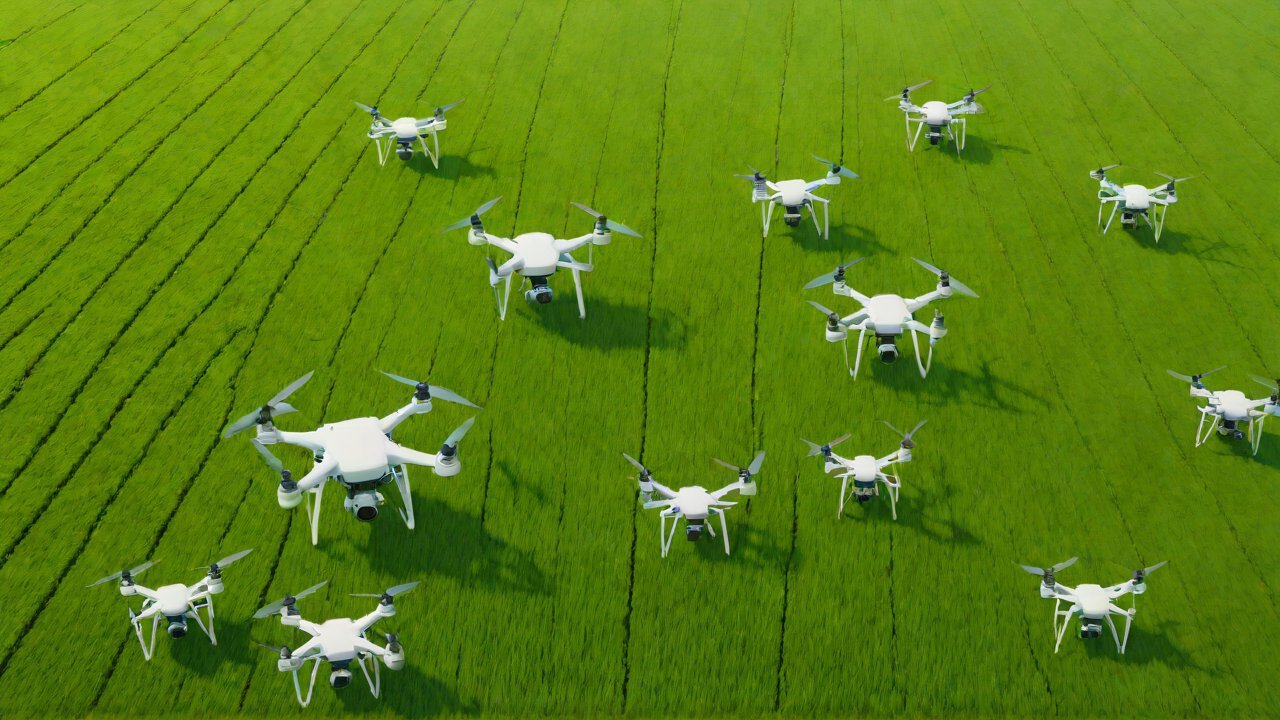
The current crop of agricultural drones is largely focused on Level 1 (L1) and Level 2 (L2) autonomy, with manual intervention required for tasks such as takeoff and landing. However, as the industry matures, we are starting to see the emergence of more advanced drones with Level 3 (L3) and Level 4 (L4) autonomy capabilities.
2. Autonomous Driving and Level 5 Evolution
Autonomous driving has made significant strides in recent years, with companies such as Waymo, Tesla, and Cruise pushing the boundaries of Level 5 (L5) autonomy. L5 autonomy refers to a vehicle that can operate without human intervention in all scenarios, including complex and dynamic environments. The key enablers of L5 autonomy include advanced sensor suites, sophisticated AI algorithms, and robust connectivity.
| Autonomous Driving Levels |
|---|
| Level 0 (L0) |
| Level 1 (L1) |
| Level 2 (L2) |
| Level 3 (L3) |
| Level 4 (L4) |
| Level 5 (L5) |
The success of autonomous driving can be attributed to the convergence of several factors, including technological advancements, regulatory support, and market demand. As the agricultural industry continues to evolve, it is essential to understand the factors that will enable or hinder the development of L5 agricultural drone fleets.
3. Challenges and Opportunities for L5 Agricultural Drones
The transition from L4 to L5 autonomy in agricultural drones will require significant advancements in areas such as sensor fusion, machine learning, and decision-making algorithms. Additionally, the industry will need to address challenges related to regulatory frameworks, cybersecurity, and public acceptance.
| Challenges and Opportunities for L5 Agricultural Drones |
| — | — |
| Challenges | Opportunities |
| 1. Sensor fusion and data processing | 1. Increased precision and accuracy |
| 2. Machine learning and decision-making | 2. Reduced labor costs and improved productivity |
| 3. Regulatory frameworks and compliance | 3. Enhanced crop yields and reduced waste |
| 4. Cybersecurity and data protection | 4. Increased market demand and adoption |
4. Regulatory Frameworks and Industry Standards
The regulatory landscape for agricultural drones is complex and evolving. In the United States, the Federal Aviation Administration (FAA) has established guidelines for the operation of drones in agricultural settings. However, as the industry continues to mature, there is a growing need for more comprehensive and standardized regulations.
| Regulatory Frameworks and Industry Standards |
|---|
| FAA Guidelines for Agricultural Drones |
| EU Regulations for Agricultural Drones |
| ISO/TS 18091:2015 – Agricultural drones |
| ASABE S640.1:2017 – Agricultural drones |
5. Market Demand and Adoption
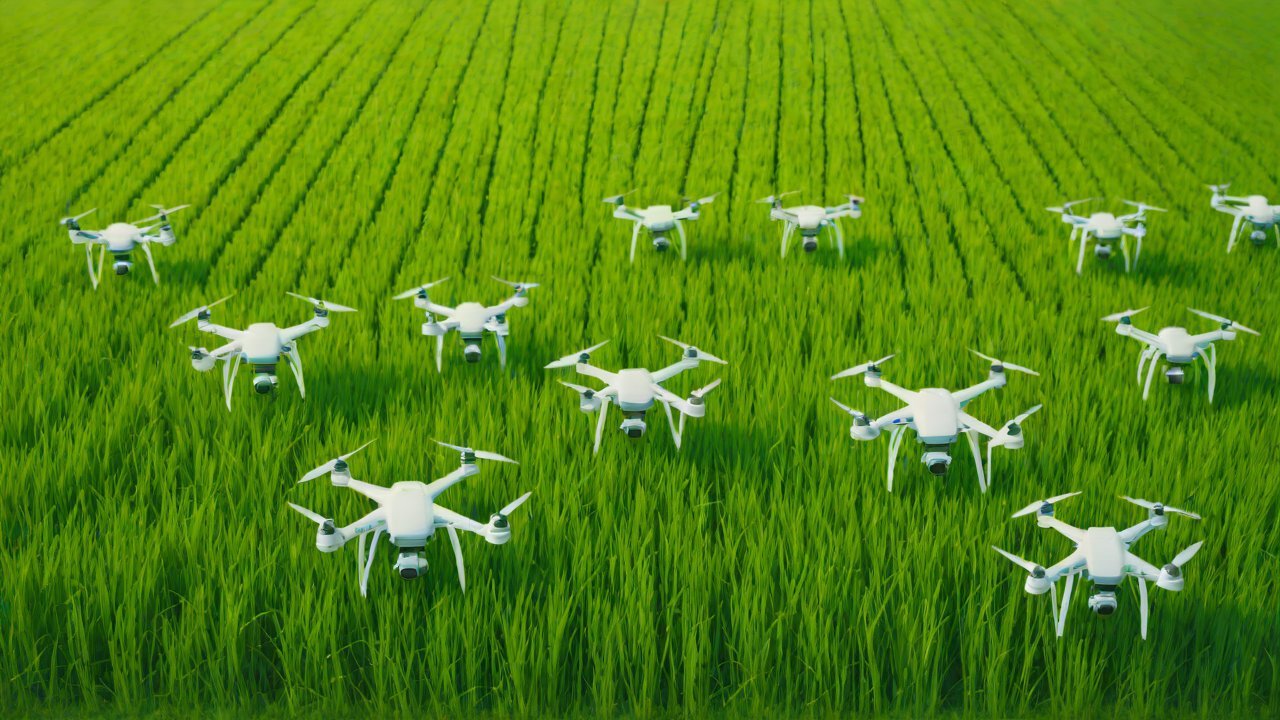
The demand for agricultural drones is driven by factors such as increasing crop yields, reducing labor costs, and improving crop health. As the industry continues to evolve, we can expect to see significant growth in market demand and adoption.
| Market Demand and Adoption |
|---|
| Global Agricultural Drone Market Size (USD Million) |
| 2020 |
| 2021 |
| 2022 |
| 2023 |
| 2024 |
| 2025 |
6. Conclusion
The transition from L4 to L5 autonomy in agricultural drones will require significant advancements in areas such as sensor fusion, machine learning, and decision-making algorithms. Additionally, the industry will need to address challenges related to regulatory frameworks, cybersecurity, and public acceptance. As the industry continues to evolve, we can expect to see significant growth in market demand and adoption, driving the development of more advanced and autonomous agricultural drone fleets.
7. Recommendations
Based on the analysis, we recommend that:
- Industry stakeholders invest in research and development to advance the capabilities of agricultural drones.
- Regulatory bodies establish more comprehensive and standardized guidelines for the operation of agricultural drones.
- Companies prioritize cybersecurity and data protection to ensure the safe and secure operation of agricultural drones.
- Industry leaders collaborate to establish industry standards and best practices for the operation and maintenance of agricultural drones.
As the agricultural industry continues to evolve, the potential for L5 agricultural drone fleets to revolutionize farming practices is vast. With the right combination of technological advancements, regulatory support, and market demand, we can expect to see significant growth and innovation in the agricultural drone industry.
IOT Cloud Platform
IOT Cloud Platform is an IoT portal established by a Chinese IoT company, focusing on technical solutions in the fields of agricultural IoT, industrial IoT, medical IoT, security IoT, military IoT, meteorological IoT, consumer IoT, automotive IoT, commercial IoT, infrastructure IoT, smart warehousing and logistics, smart home, smart city, smart healthcare, smart lighting, etc.
The IoT Cloud Platform blog is a top IoT technology stack, providing technical knowledge on IoT, robotics, artificial intelligence (generative artificial intelligence AIGC), edge computing, AR/VR, cloud computing, quantum computing, blockchain, smart surveillance cameras, drones, RFID tags, gateways, GPS, 3D printing, 4D printing, autonomous driving, etc.