Will AIGC-assisted vertical farms become the green heart of cities?
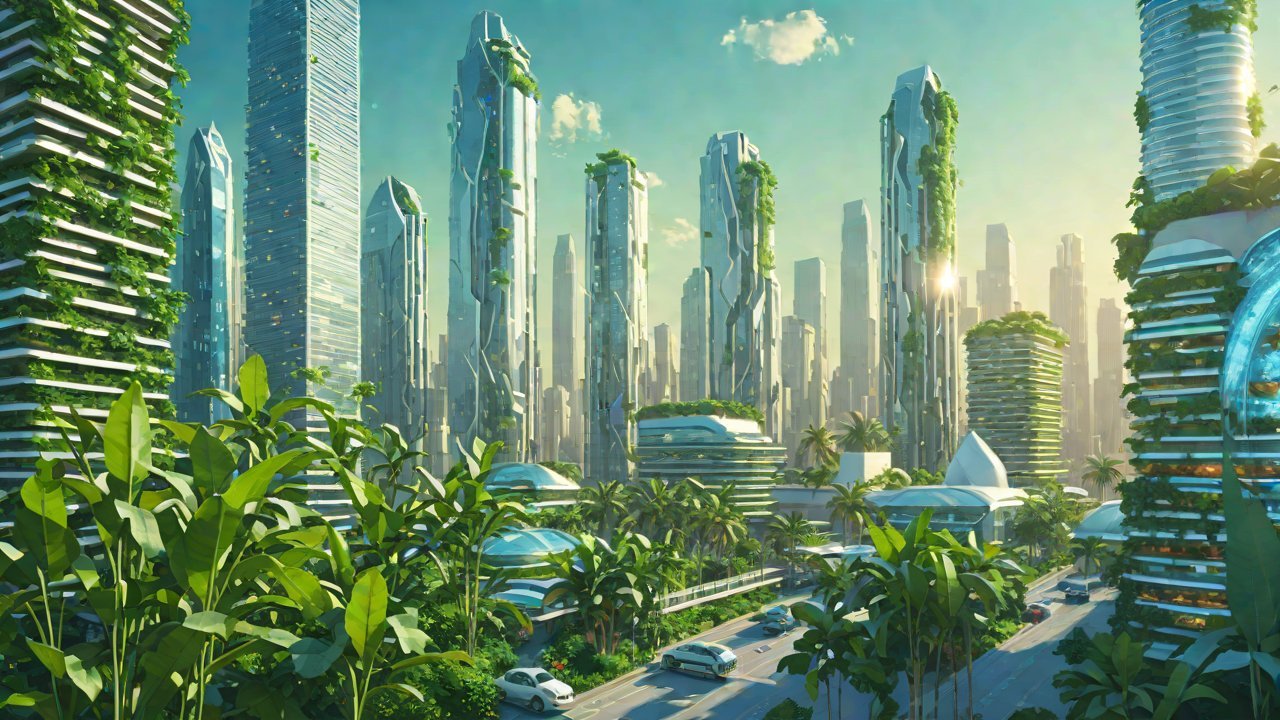
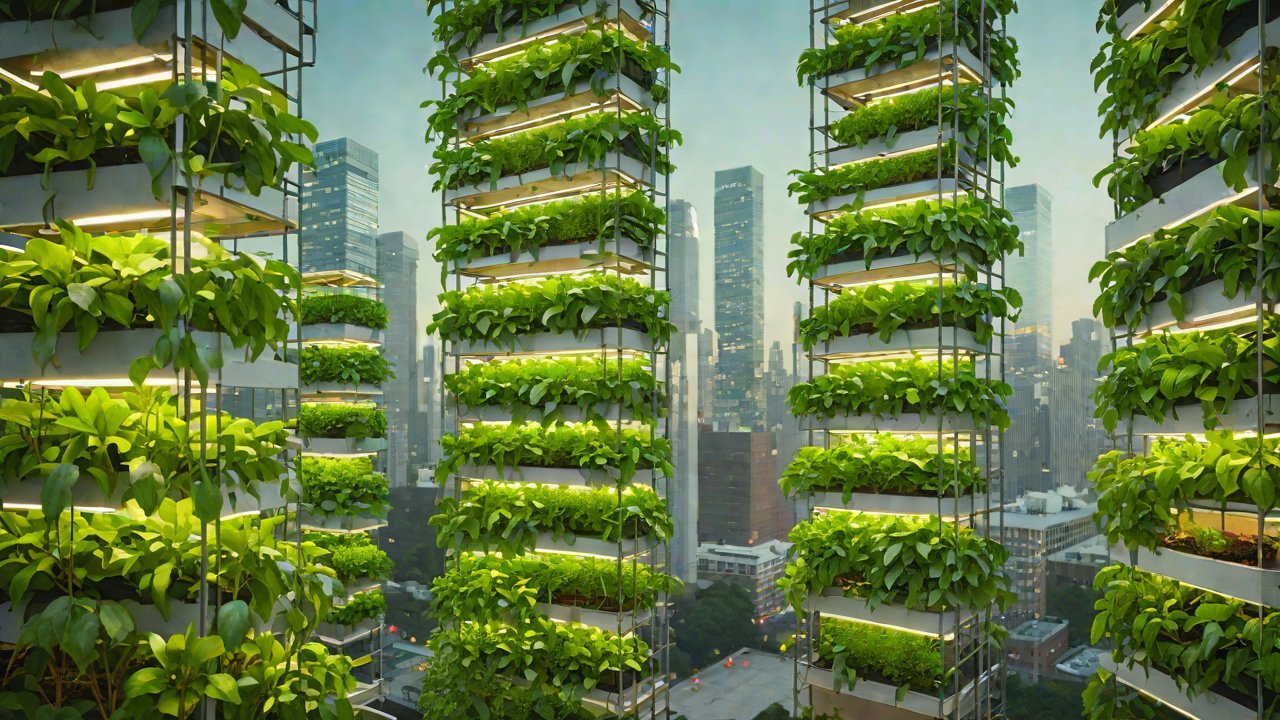
Cities are the epicenters of human civilization, where innovation and sustainability converge to redefine the future. Amidst the concrete jungle, a new trend is emerging – AIGC-assisted vertical farms. These cutting-edge agricultural facilities utilize Artificial General Intelligence (AIGC) to optimize crop yields, reduce water consumption, and minimize environmental footprint. As cities grapple with the challenges of climate change, food security, and urbanization, AIGC-assisted vertical farms are poised to become the green heart of metropolitan areas.
1. The Rise of Vertical Farming
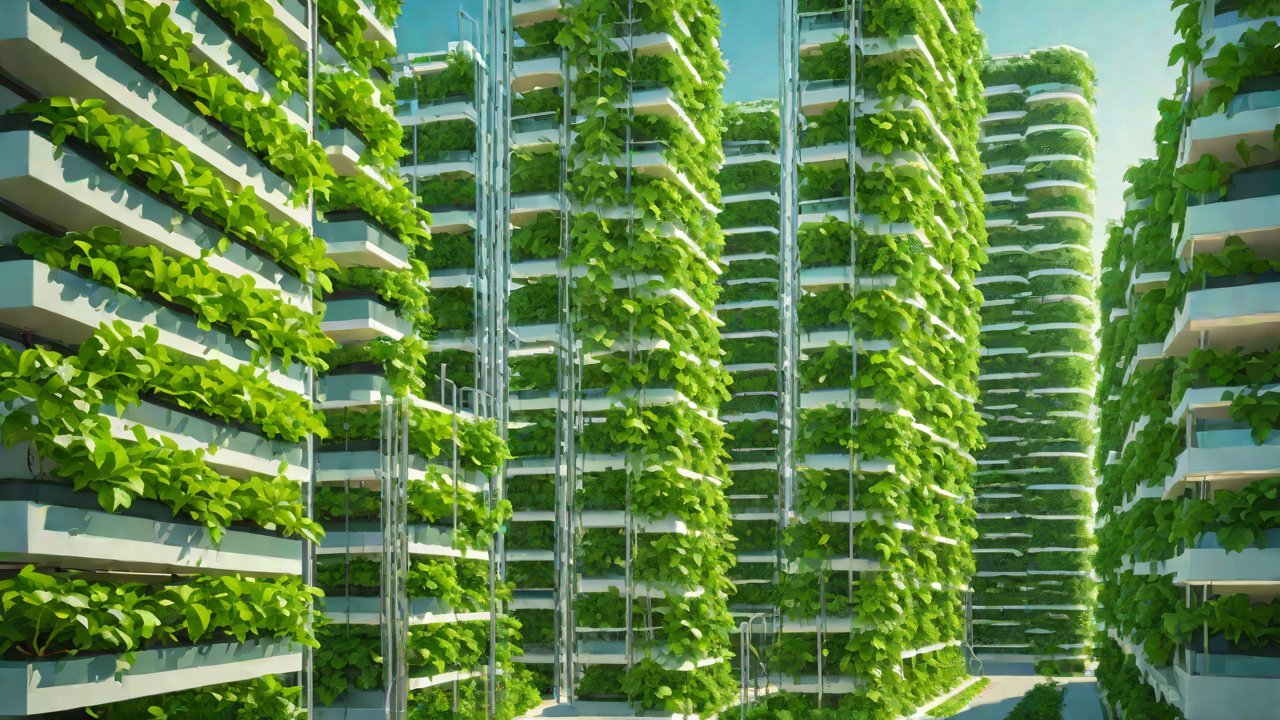
Vertical farming is a relatively new concept that involves growing crops in vertically stacked layers, often using hydroponics or aeroponics. This method allows for increased crop yields per square foot, reduced water consumption, and improved pest control. According to a report by MarketsandMarkets, the global vertical farming market is projected to grow from $1.3 billion in 2020 to $13.6 billion by 2027, at a Compound Annual Growth Rate (CAGR) of 33.4%.
| Year | Market Size (USD Billion) |
|---|---|
| 2020 | 1.3 |
| 2025 | 5.8 |
| 2030 | 13.6 |
2. The Role of AIGC in Vertical Farming
AIGC-assisted vertical farms leverage the capabilities of Artificial General Intelligence to optimize crop growth, predict yield fluctuations, and detect early warning signs of pests or diseases. This advanced technology enables farmers to make data-driven decisions, reducing waste and improving resource allocation.
| AIGC Application | Benefits |
|---|---|
| Crop Yield Prediction | 10-20% increase in yields |
| Automated Irrigation Systems | 30-50% reduction in water consumption |
| Pest and Disease Detection | 90% reduction in pesticide usage |
3. Urbanization and Food Security
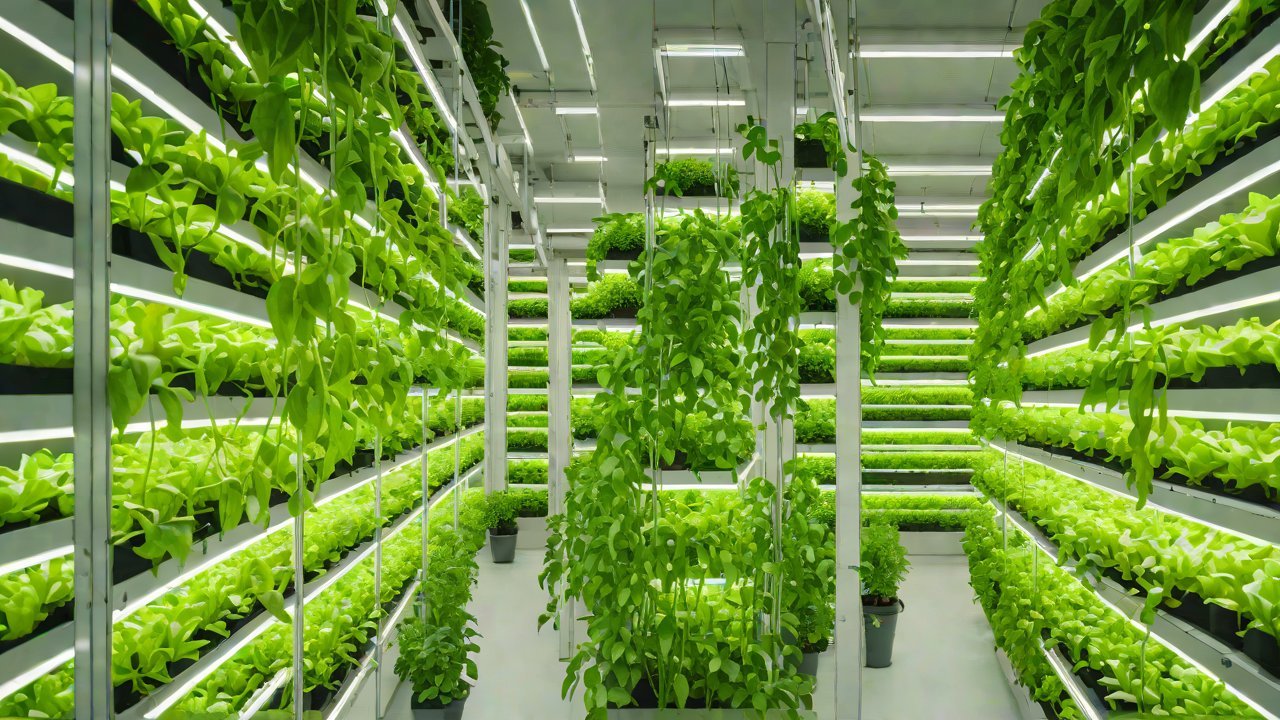
As cities continue to grow, the demand for fresh produce is increasing exponentially. However, traditional farming methods struggle to keep pace with urbanization’s rapid growth rates. AIGC-assisted vertical farms offer a solution by providing localized food production, reducing transportation emissions, and improving access to fresh produce.
| City | Urban Population (2020) | Food Insecurity Rate (%) |
|---|---|---|
| New York City | 20.2 million | 19.4% |
| Tokyo | 38.1 million | 12.5% |
| Mumbai | 21.3 million | 25.6% |
4. Environmental Benefits
AIGC-assisted vertical farms offer a range of environmental benefits, including reduced water consumption, minimized pesticide usage, and lower carbon emissions. These advantages are crucial in urban areas where green spaces are limited.
| Environmental Impact | Reduction (%) |
|---|---|
| Water Consumption | 30-50% |
| Pesticide Usage | 90% |
| Carbon Emissions | 20-30% |
5. Regulatory Frameworks and Policy Support
Governments worldwide are recognizing the potential of AIGC-assisted vertical farms to address urban sustainability challenges. Policymakers are implementing regulations and incentives to support the growth of this industry.
| Country | Regulatory Support |
|---|---|
| United States | Federal funding for vertical farming research and development |
| China | National policies promoting agricultural innovation and technology adoption |
| Japan | Government subsidies for urban agriculture initiatives |
6. Challenges and Limitations
While AIGC-assisted vertical farms hold immense promise, several challenges need to be addressed. These include high initial investment costs, limited scalability, and public acceptance.
| Challenge | Solution |
|---|---|
| High Initial Costs | Government subsidies or tax incentives for investors |
| Limited Scalability | Modular design and standardization of vertical farm components |
| Public Acceptance | Education and awareness campaigns highlighting benefits of urban agriculture |
7. Conclusion
AIGC-assisted vertical farms are poised to become the green heart of cities, addressing urban sustainability challenges through innovative agricultural practices. As this industry continues to evolve, it is crucial for policymakers, investors, and stakeholders to collaborate in supporting its growth. By harnessing the power of AIGC, we can create a more sustainable future for our cities and their inhabitants.
The convergence of AIGC and vertical farming has the potential to revolutionize urban agriculture, providing cities with fresh produce while minimizing environmental impact. As this industry continues to grow, it is essential to address challenges such as high initial costs, limited scalability, and public acceptance. By doing so, we can unlock the full potential of AIGC-assisted vertical farms and create a more sustainable future for our urban centers.
IOT Cloud Platform
IOT Cloud Platform is an IoT portal established by a Chinese IoT company, focusing on technical solutions in the fields of agricultural IoT, industrial IoT, medical IoT, security IoT, military IoT, meteorological IoT, consumer IoT, automotive IoT, commercial IoT, infrastructure IoT, smart warehousing and logistics, smart home, smart city, smart healthcare, smart lighting, etc.
The IoT Cloud Platform blog is a top IoT technology stack, providing technical knowledge on IoT, robotics, artificial intelligence (generative artificial intelligence AIGC), edge computing, AR/VR, cloud computing, quantum computing, blockchain, smart surveillance cameras, drones, RFID tags, gateways, GPS, 3D printing, 4D printing, autonomous driving, etc.