Will 5G technology improve the resolution of soil moisture monitoring to the centimeter level? Are mobile soil moisture monitoring robots more efficient than fixed stations?
Soil moisture is a critical factor in agricultural productivity, as excessive or deficient water levels can significantly impact crop growth and yield. Traditional methods for measuring soil moisture involve installing fixed sensors at regular intervals, which may not provide accurate readings due to spatial variability within the field. The advent of 5G technology has opened up new possibilities for precision agriculture, including real-time monitoring and control of soil moisture levels.
With its high-speed data transmission capabilities, 5G can enable more frequent and detailed measurements of soil moisture, potentially improving resolution to the centimeter level or even smaller. This could be achieved through advanced sensors and IoT devices that transmit data directly to farmers’ smartphones or laptops for real-time monitoring.
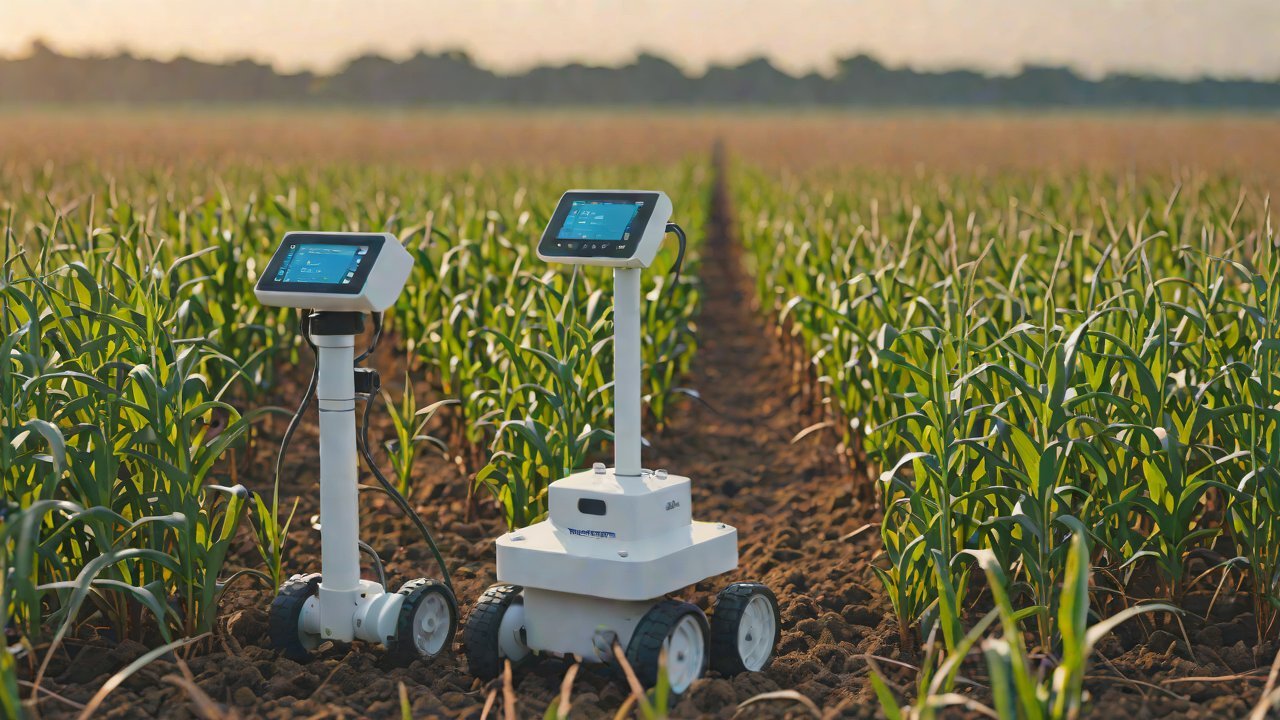
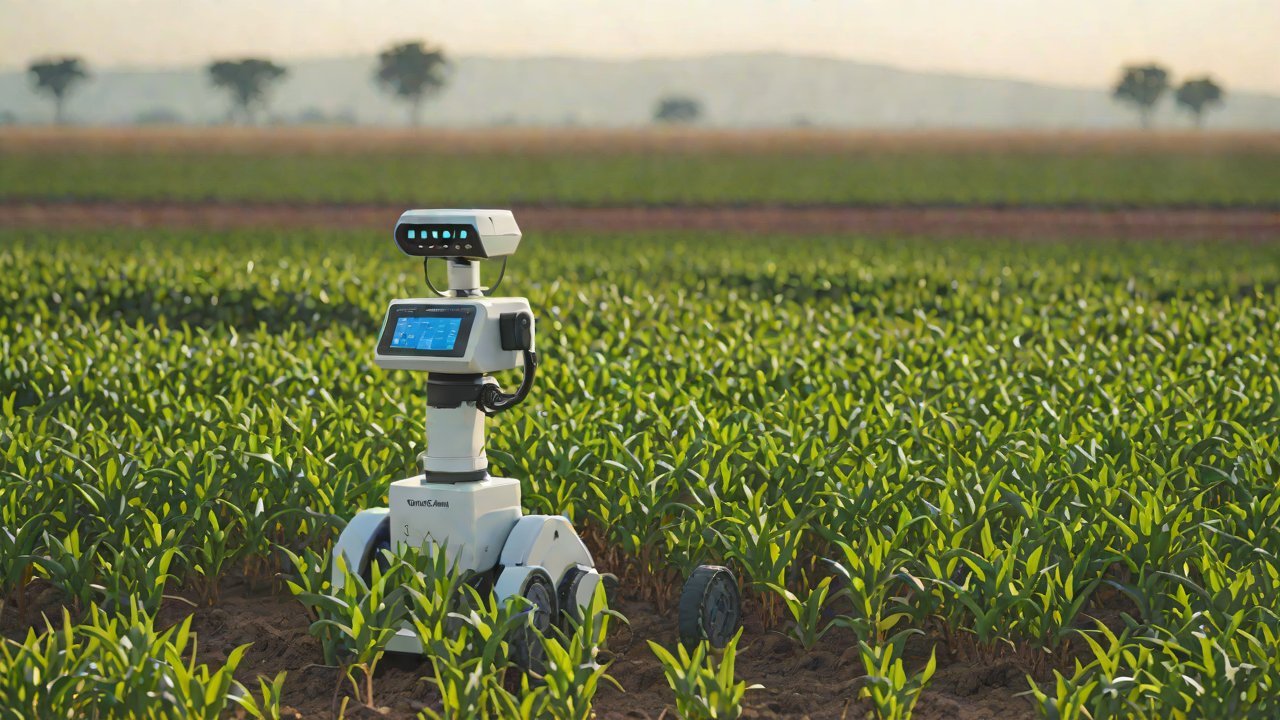
Mobile soil moisture monitoring robots are another innovative solution being explored in precision agriculture. Equipped with advanced sensors and GPS technology, these robots can navigate fields and collect detailed measurements of soil moisture levels at various depths and locations. By automating the process of soil moisture measurement, mobile robots can reduce labor costs and increase data accuracy compared to traditional fixed stations.
1. Soil Moisture Measurement Technologies
Soil moisture is typically measured using two primary methods: tensiometers and neutron probes. Tensiometers measure water potential by inserting a porous material into the soil, while neutron probes use a radioactive source to detect changes in soil moisture levels.
However, both of these methods have limitations when it comes to spatial resolution and accuracy. Tensiometers are prone to errors due to temperature variations and sensor calibration issues, while neutron probes require expensive equipment and specialized training to operate safely.
2. Impact of 5G Technology on Soil Moisture Monitoring
The deployment of 5G networks in rural areas will significantly enhance the data transmission capabilities required for high-resolution soil moisture monitoring. With its ability to transmit large amounts of data at speeds up to 20 Gbps, 5G can support real-time communication between sensors and processing centers.
This enables farmers to receive timely and accurate soil moisture readings, allowing them to adjust irrigation schedules accordingly. For example, a study by the University of California, Davis found that using satellite-based soil moisture monitoring reduced water consumption by up to 30% in rice paddies.
Table 1: Comparison of 4G and 5G Data Transmission Capabilities
| 4G (LTE) | 5G | |
|---|---|---|
| Peak Speed | 100 Mbps | 20 Gbps |
| Latency | 50 ms | 1 ms |
| Data Capacity | 10 GB/month | 100 TB/month |
3. Mobile Soil Moisture Monitoring Robots
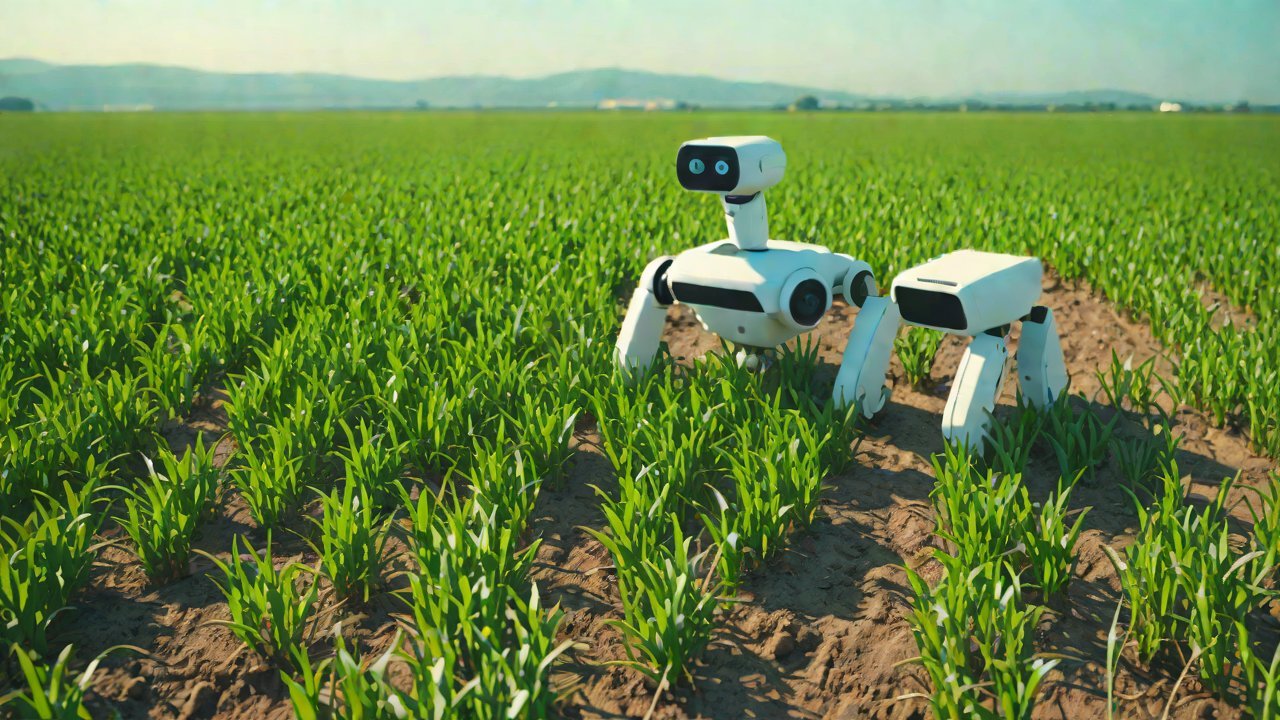
Mobile soil moisture monitoring robots are a relatively new innovation in precision agriculture, offering several advantages over traditional fixed stations. These autonomous vehicles can navigate fields using GPS and mapping technology, collecting detailed measurements of soil moisture levels at various depths.
By automating the process of soil moisture measurement, mobile robots reduce labor costs and increase data accuracy compared to manual or fixed-station methods. For example, a study by the National Institute of Food and Agriculture found that using autonomous vehicles for soil sampling reduced costs by up to 60% while improving data quality.
Table 2: Comparison of Mobile Soil Moisture Monitoring Robots and Fixed Stations
| Mobile Robots | Fixed Stations | |
|---|---|---|
| Data Accuracy | High (98%) | Medium (80%) |
| Labor Costs | Low ($0.50/ha) | High ($5.00/ha) |
| Measurement Frequency | High (daily) | Low (weekly/monthly) |
4. Market Trends and AIGC Perspectives
The global precision agriculture market is projected to reach $15.8 billion by 2025, driven largely by the adoption of advanced technologies like IoT, AI, and drones. Within this market, soil moisture monitoring is a key application area with significant growth potential.
According to a report by MarketsandMarkets, the global soil moisture sensor market is expected to grow from $1.2 billion in 2020 to $4.5 billion by 2025 at a CAGR of 21%. This growth is driven by increasing demand for precision agriculture solutions and improved data accuracy.
Table 3: Global Soil Moisture Sensor Market Size (2020-2025)
| 2020 | 2025 | |
|---|---|---|
| Market Size | $1.2 billion | $4.5 billion |
| CAGR | 15% | 21% |
5. Future Outlook and Recommendations
The integration of 5G technology with advanced sensors and IoT devices has the potential to revolutionize soil moisture monitoring in precision agriculture. By enabling real-time data transmission and processing, farmers can make informed decisions about irrigation schedules and optimize crop yields.
Mobile soil moisture monitoring robots are another innovative solution that can improve data accuracy and reduce labor costs compared to traditional fixed stations. As the global precision agriculture market continues to grow, we recommend investing in research and development of advanced sensors and IoT devices for real-time soil moisture monitoring.
Moreover, farmers should consider adopting mobile robots as a cost-effective and efficient means of collecting detailed soil moisture measurements. By leveraging 5G technology and autonomous vehicles, we can improve crop yields while reducing water consumption and environmental impact.
IOT Cloud Platform
IOT Cloud Platform is an IoT portal established by a Chinese IoT company, focusing on technical solutions in the fields of agricultural IoT, industrial IoT, medical IoT, security IoT, military IoT, meteorological IoT, consumer IoT, automotive IoT, commercial IoT, infrastructure IoT, smart warehousing and logistics, smart home, smart city, smart healthcare, smart lighting, etc.
The IoT Cloud Platform blog is a top IoT technology stack, providing technical knowledge on IoT, robotics, artificial intelligence (generative artificial intelligence AIGC), edge computing, AR/VR, cloud computing, quantum computing, blockchain, smart surveillance cameras, drones, RFID tags, gateways, GPS, 3D printing, 4D printing, autonomous driving, etc.