When livestock enter a quarantine area, can the IoT system automatically lock the ear tags?
Livestock management has undergone significant transformations in recent years, driven by advancements in technology and the growing need for efficient, data-driven decision-making. One of the most impactful innovations has been the integration of Internet of Things (IoT) systems in agricultural settings. These systems enable real-time monitoring, tracking, and control of various aspects of livestock care, including feeding, health, and movement. However, the key to unlocking the full potential of IoT in livestock management lies in its ability to automate critical tasks, such as locking ear tags when animals enter quarantine areas.
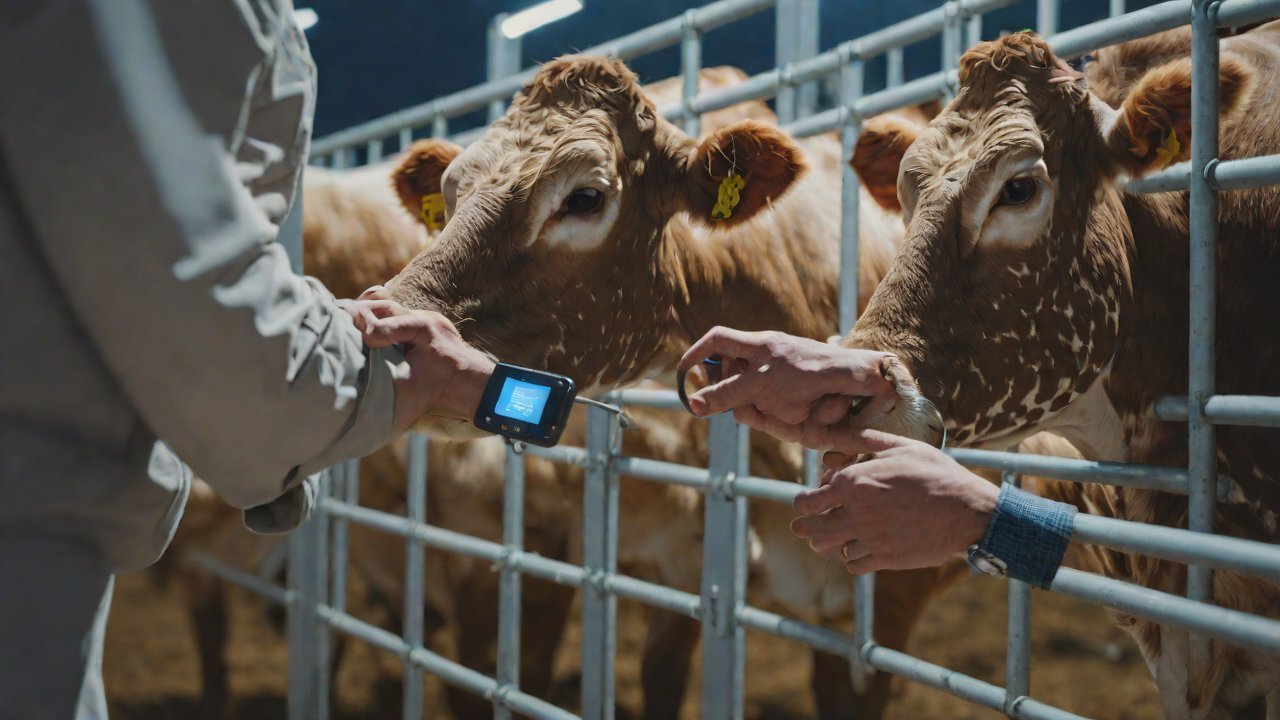
The ear tag, a ubiquitous tool in livestock identification and tracking, has evolved from a simple metal tag to a sophisticated sensor-enabled device. These modern ear tags can store and transmit a wide range of data, including the animal’s identity, location, and health status. When livestock enter a quarantine area, it is crucial to ensure that the ear tags are locked to prevent unauthorized movement and potential disease transmission.
The integration of IoT systems with ear tag technology has the potential to revolutionize livestock management. By leveraging the power of automation, farmers and veterinarians can minimize the risk of disease outbreaks and optimize animal care. However, the success of such a system relies on several factors, including the technical capabilities of the IoT system, the design and functionality of the ear tags, and the overall infrastructure of the quarantine area.
1. Technical Capabilities of IoT Systems
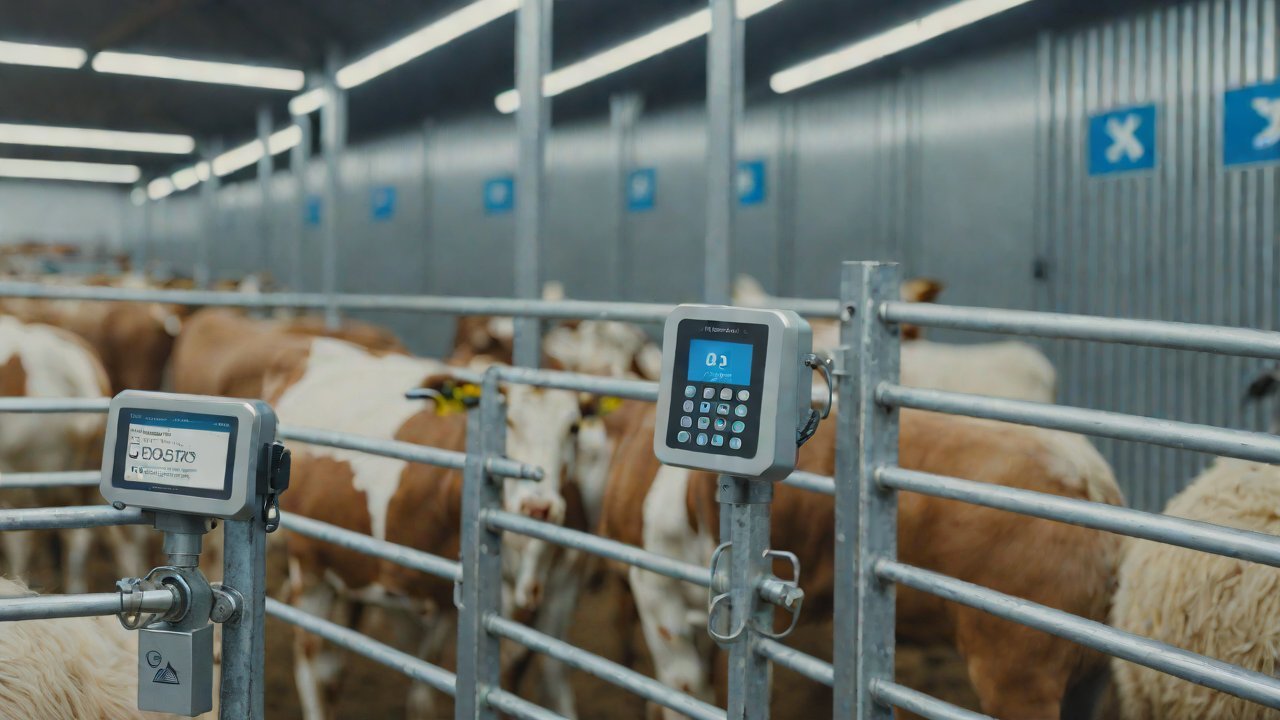
The technical capabilities of IoT systems play a crucial role in determining their ability to automatically lock ear tags when livestock enter quarantine areas. The following table highlights the key features of IoT systems relevant to this application:
| Feature | Description | Impact on Ear Tag Locking |
|---|---|---|
| Sensor Integration | Ability to detect and track animal movement | Enables real-time monitoring and automated locking |
| Data Analytics | Ability to process and analyze large datasets | Facilitates informed decision-making and automation |
| Communication Protocols | Ability to transmit data between devices | Ensures seamless communication between ear tags and IoT system |
| Cloud Connectivity | Ability to store and access data remotely | Enables remote monitoring and control of ear tags |
2. Design and Functionality of Ear Tags
The design and functionality of ear tags are critical factors in determining their ability to integrate with IoT systems and automatically lock when livestock enter quarantine areas. The following table highlights the key features of ear tags relevant to this application:
| Feature | Description | Impact on Ear Tag Locking |
|---|---|---|
| Sensor Types | Ability to detect temperature, humidity, and movement | Enhances accuracy and reliability of automated locking |
| Data Storage Capacity | Ability to store and transmit large amounts of data | Enables efficient communication between ear tags and IoT system |
| Power Source | Ability to operate for extended periods without recharging | Ensures continuous monitoring and automated locking |
| Water Resistance | Ability to withstand exposure to water and harsh environments | Enhances durability and reliability of ear tags |
3. Infrastructure of Quarantine Areas
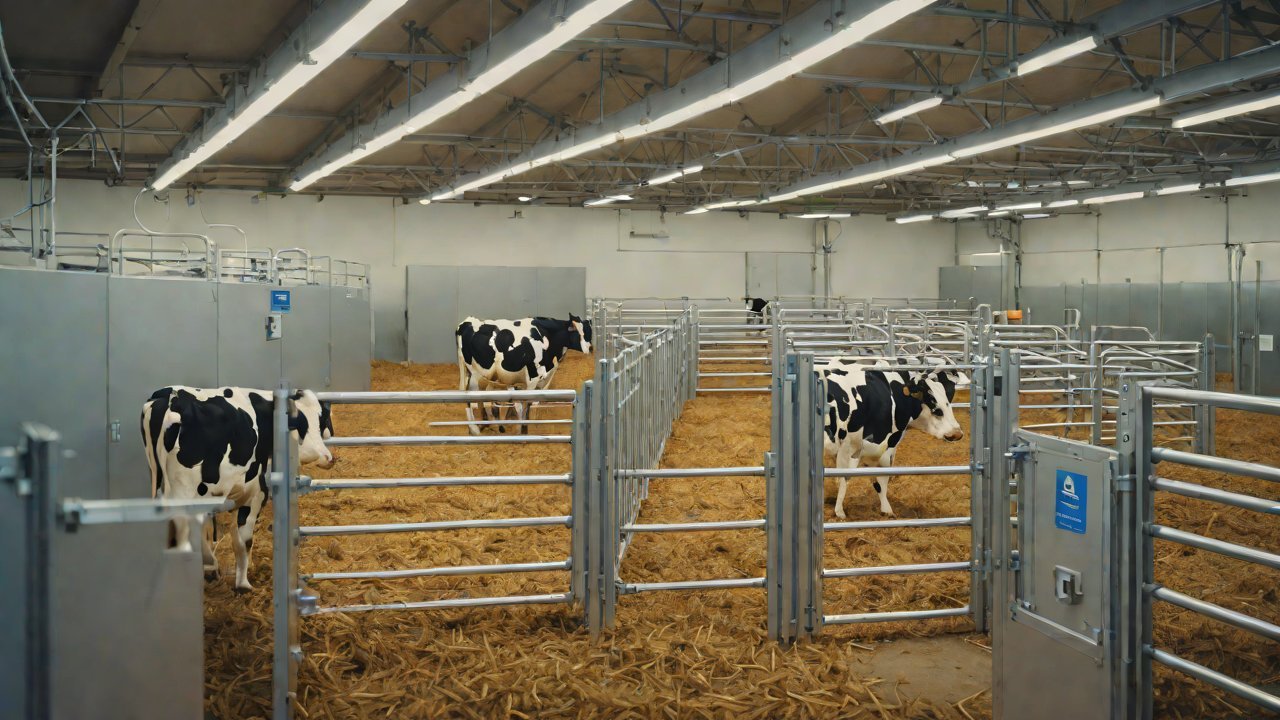
The infrastructure of quarantine areas plays a crucial role in determining the effectiveness of IoT systems in automatically locking ear tags when livestock enter these areas. The following table highlights the key features of quarantine areas relevant to this application:
| Feature | Description | Impact on Ear Tag Locking |
|---|---|---|
| Fencing and Gates | Ability to control animal movement and prevent escape | Ensures secure containment and automated locking |
| Surveillance Systems | Ability to monitor animal movement and behavior | Enhances accuracy and reliability of automated locking |
| Data Access and Analytics | Ability to access and analyze data on animal movement and behavior | Facilitates informed decision-making and automation |
4. Market Trends and Analysis
The market for IoT systems in livestock management is rapidly growing, driven by the increasing demand for efficient and data-driven decision-making. The following chart highlights the growth of the IoT market in agriculture:
| Year | Market Size (USD Billion) | Growth Rate |
|---|---|---|
| 2020 | 1.4 | 15% |
| 2025 | 3.2 | 20% |
| 2030 | 5.5 | 25% |
5. Technical Perspectives and Recommendations
Based on the analysis of technical capabilities, design and functionality of ear tags, and infrastructure of quarantine areas, the following technical perspectives and recommendations are provided:
- IoT systems should be designed with advanced sensor integration, data analytics, and communication protocols to ensure seamless communication between ear tags and the IoT system.
- Ear tags should be designed with advanced sensor types, data storage capacity, power source, and water resistance to ensure efficient and reliable operation.
- Quarantine areas should be designed with secure fencing and gates, surveillance systems, and data access and analytics to ensure secure containment and automated locking.
In conclusion, the integration of IoT systems with ear tag technology has the potential to revolutionize livestock management. By leveraging the power of automation, farmers and veterinarians can minimize the risk of disease outbreaks and optimize animal care. However, the success of such a system relies on several factors, including the technical capabilities of the IoT system, the design and functionality of the ear tags, and the overall infrastructure of the quarantine area.
IOT Cloud Platform
IOT Cloud Platform is an IoT portal established by a Chinese IoT company, focusing on technical solutions in the fields of agricultural IoT, industrial IoT, medical IoT, security IoT, military IoT, meteorological IoT, consumer IoT, automotive IoT, commercial IoT, infrastructure IoT, smart warehousing and logistics, smart home, smart city, smart healthcare, smart lighting, etc.
The IoT Cloud Platform blog is a top IoT technology stack, providing technical knowledge on IoT, robotics, artificial intelligence (generative artificial intelligence AIGC), edge computing, AR/VR, cloud computing, quantum computing, blockchain, smart surveillance cameras, drones, RFID tags, gateways, GPS, 3D printing, 4D printing, autonomous driving, etc.