What is the Role of SPI Detection Devices?
A Critical Examination of the Functionality and Importance of SPI Detection Devices in the Modern World
In the vast expanse of the digital landscape, the intricacies of data transmission and reception have given rise to an array of sophisticated technologies designed to ensure the integrity and security of data. One of the pivotal components in this arsenal is the SPI (Serial Peripheral Interface) detection device. These devices have evolved to play a critical role in the functioning of electronic devices, from smartphones and laptops to industrial control systems and medical equipment. The SPI detection device’s ability to detect and manage the flow of data between peripheral devices and the central processing unit (CPU) has become indispensable in the modern era of high-speed data transmission and reception.
1. Fundamentals of SPI Detection Devices
Overview of SPI
The Serial Peripheral Interface (SPI) is a synchronous serial communication interface specification used for exchanging data between microcontrollers and peripheral devices. It was first introduced in the late 1980s and has since become a widely adopted interface in various electronic systems. The SPI interface allows for full-duplex communication, enabling data to be transmitted and received simultaneously. It supports a wide range of applications, from industrial control systems to medical devices, and is particularly useful in situations where high-speed data transfer is required.
Functionality of SPI Detection Devices
SPI detection devices are designed to monitor and manage the SPI interface, ensuring that data is transmitted and received correctly and efficiently. These devices can detect various SPI-related issues, including:
- Clock Speed Anomalies: SPI detection devices can identify if the SPI clock speed is not within the specified range, which can lead to data corruption or device malfunction.
- Data Transmission Errors: These devices can detect errors in data transmission, such as incorrect data bits or synchronization errors.
- Peripheral Device Malfunction: SPI detection devices can identify if a peripheral device connected via the SPI interface is malfunctioning or not responding correctly.
Advantages of SPI Detection Devices
The incorporation of SPI detection devices in electronic systems offers several advantages, including:
- Improved System Reliability: By detecting and correcting SPI-related issues, these devices can prevent system crashes and ensure continuous operation.
- Enhanced Data Integrity: SPI detection devices can detect and correct data transmission errors, ensuring that data is received accurately.
- Increased System Efficiency: By optimizing the SPI interface, these devices can improve system performance and reduce the risk of data corruption.
Market Trends and Future Outlook
The demand for SPI detection devices is driven by the increasing need for high-speed data transmission and reception in various industries, including:
- Industrial Automation: The adoption of Industry 4.0 technologies has led to a surge in demand for high-speed data transmission and reception in industrial control systems.
- Medical Devices: The use of SPI detection devices in medical equipment is critical to ensure accurate and reliable data transmission, particularly in life-critical applications.
According to a recent market research report, the global SPI detection device market is expected to grow at a compound annual growth rate (CAGR) of 12.5% from 2023 to 2028. The increasing demand for high-speed data transmission and reception in various industries is driving this growth.
2. Applications and Use Cases of SPI Detection Devices
Industrial Automation
SPI detection devices play a critical role in industrial automation, particularly in the context of Industry 4.0. They are used to monitor and manage the SPI interface in various industrial control systems, including:
- Machine-to-Machine Communication: SPI detection devices enable high-speed data transmission and reception between machines, improving manufacturing efficiency and productivity.
- Predictive Maintenance: By detecting SPI-related issues, these devices can enable predictive maintenance, reducing downtime and improving overall system reliability.
Medical Devices
SPI detection devices are also used in medical devices, particularly in applications where high-speed data transmission and reception are critical, such as:
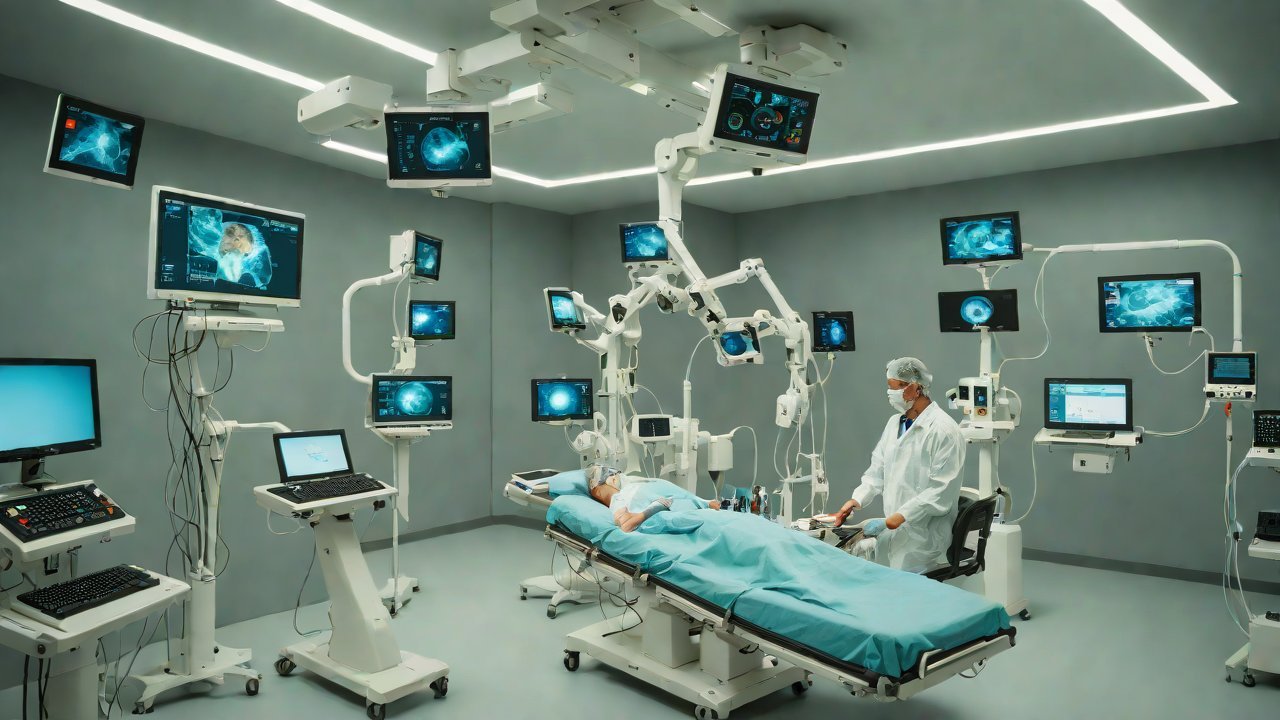
- Medical Imaging: SPI detection devices are used in medical imaging equipment, such as MRI and CT scanners, to ensure accurate and reliable data transmission.
- Patient Monitoring Systems: These devices are used in patient monitoring systems to detect and correct data transmission errors, ensuring accurate patient data.
Automotive Systems
SPI detection devices are also used in automotive systems, particularly in applications where high-speed data transmission and reception are critical, such as:
- Advanced Driver Assistance Systems (ADAS): SPI detection devices are used in ADAS to ensure accurate and reliable data transmission between sensors and the central processing unit.
- Infotainment Systems: These devices are used in infotainment systems to detect and correct data transmission errors, ensuring seamless entertainment and navigation experiences.
3. Technical Specifications and Implementation
Technical Specifications
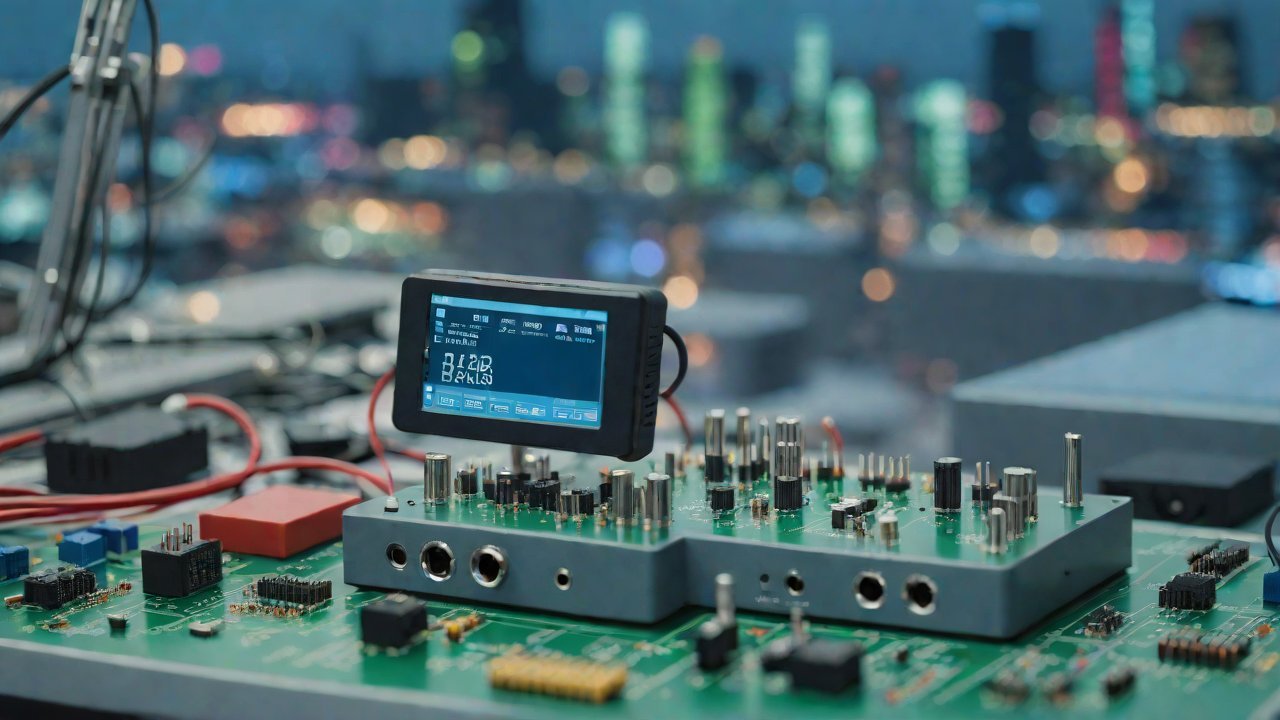
SPI detection devices typically have the following technical specifications:
- Clock Speed: 1 MHz to 100 MHz
- Data Transfer Rate: 10 Mbps to 1 Gbps
- Communication Protocol: SPI, I2C, UART
- Power Consumption: 1 mA to 10 mA
Implementation
SPI detection devices can be implemented in various ways, including:
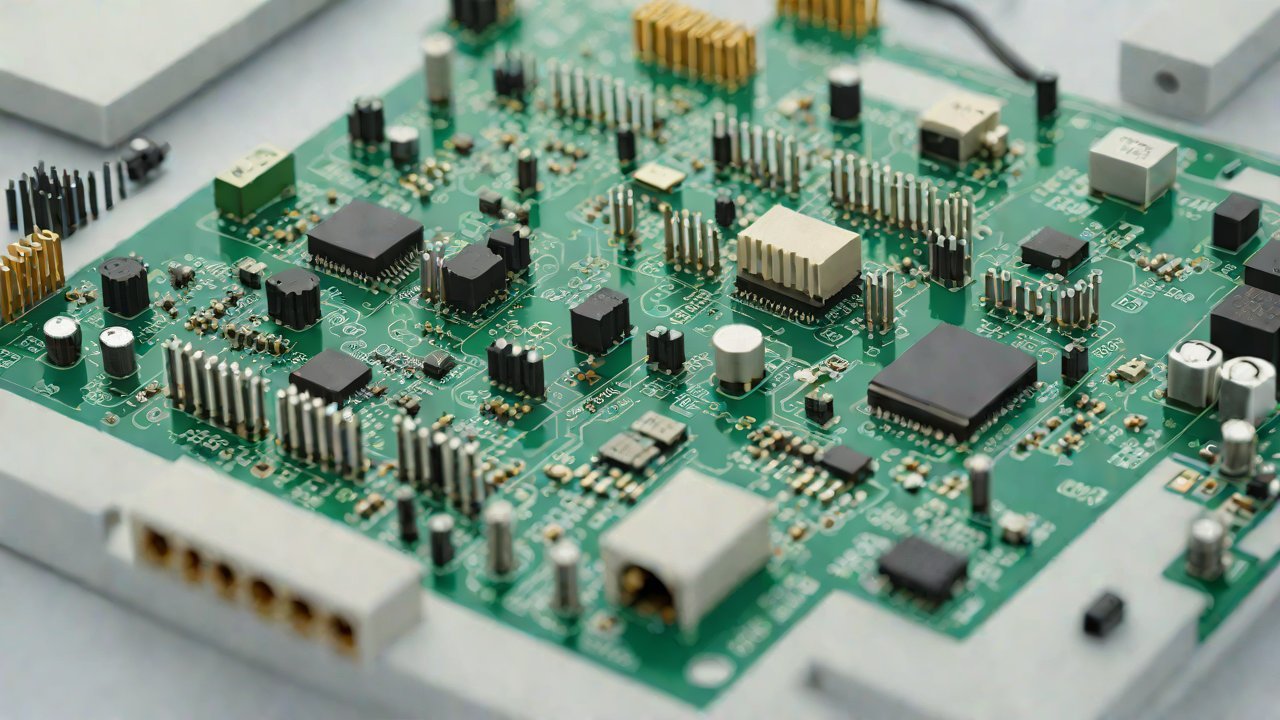
- Hardware Implementation: These devices can be implemented as a hardware component, integrated into the system’s circuit board.
- Software Implementation: SPI detection devices can also be implemented as a software component, running on the system’s microcontroller or CPU.
- Firmware Implementation: These devices can also be implemented as firmware, running on the system’s microcontroller or CPU.
4. Conclusion
In conclusion, SPI detection devices play a critical role in ensuring the integrity and security of data in various electronic systems. Their ability to detect and manage the SPI interface has become indispensable in the modern era of high-speed data transmission and reception. The increasing demand for high-speed data transmission and reception in various industries, including industrial automation, medical devices, and automotive systems, is driving the growth of the SPI detection device market. As technology continues to evolve, the importance of SPI detection devices will only continue to grow, ensuring that data is transmitted and received accurately and efficiently.
IOT Cloud Platform
IOT Cloud Platform is an IoT portal established by a Chinese IoT company, focusing on technical solutions in the fields of agricultural IoT, industrial IoT, medical IoT, security IoT, military IoT, meteorological IoT, consumer IoT, automotive IoT, commercial IoT, infrastructure IoT, smart warehousing and logistics, smart home, smart city, smart healthcare, smart lighting, etc.
The IoT Cloud Platform blog is a top IoT technology stack, providing technical knowledge on IoT, robotics, artificial intelligence (generative artificial intelligence AIGC), edge computing, AR/VR, cloud computing, quantum computing, blockchain, smart surveillance cameras, drones, RFID tags, gateways, GPS, 3D printing, 4D printing, autonomous driving, etc.