What is the Price of Edge Computing Units in China?
In recent years, edge computing has become an essential component of modern technology infrastructure, enabling faster and more efficient data processing closer to where it’s generated. This paradigm shift has significant implications for various industries, including manufacturing, transportation, healthcare, and finance. In China, which is one of the world’s largest consumers of edge computing technologies, understanding the pricing dynamics of these units is crucial for businesses and organizations looking to adopt this technology.
Edge computing units are specialized hardware designed to process data in real-time at the edge of a network, reducing latency and improving overall system performance. These devices can range from small, low-power boards to large, high-performance servers, depending on their intended applications and requirements. As demand for edge computing continues to grow, manufacturers are responding with a wide range of products tailored to specific use cases.
To provide context for the pricing discussion, let’s examine some key market trends in China. According to a report by ResearchAndMarkets.com, the Chinese edge computing market is expected to reach $1.3 billion by 2025, growing at a CAGR of 34.6% during the forecast period.
Market Segmentation
Edge computing units can be broadly categorized into three main segments: industrial-grade servers, networking equipment, and specialized boards. Each segment has its own set of requirements, features, and price points.
Industrial-Grade Servers
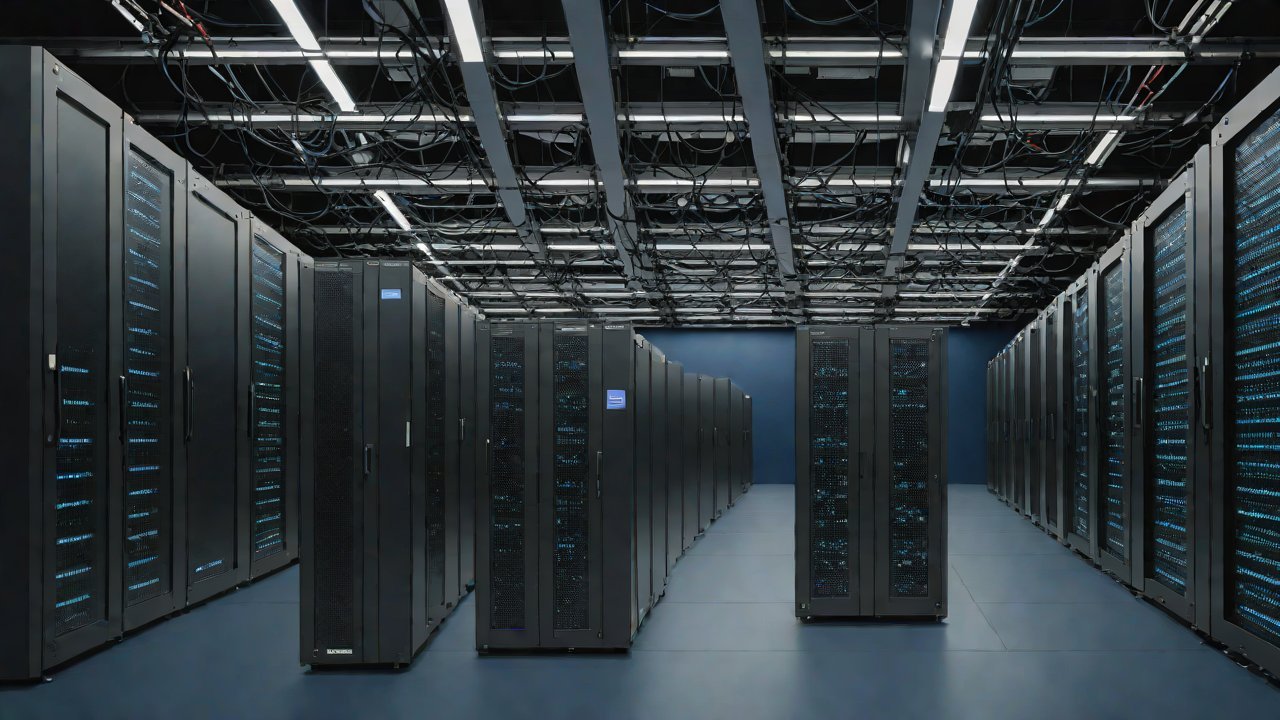
Industrial-grade servers are designed for demanding applications that require high-performance processing, robust cooling systems, and reliability in harsh environments. These devices typically feature multi-core processors, large storage capacities, and advanced networking capabilities.
| Product | Price (RMB) |
|---|---|
| Dell EMC PowerEdge T630 | 69,000 – 119,000 |
| HPE ProLiant DL380 Gen9 | 48,000 – 88,000 |
| Lenovo ThinkSystem SR590 | 58,000 – 108,000 |
Networking Equipment
Networking equipment is a critical component of edge computing infrastructure, enabling the efficient transfer of data between devices and applications. This segment includes routers, switches, firewalls, and other networking hardware.
| Product | Price (RMB) |
|---|---|
| Cisco Catalyst 9300 Series Switches | 20,000 – 50,000 |
| Juniper Networks QFX5100 Series Switches | 15,000 – 30,000 |
| Huawei CloudEngine S12700 Series Switches | 10,000 – 25,000 |
Specialized Boards
Specialized boards are designed for specific applications or industries, such as IoT gateways, computer vision systems, and medical devices. These boards often feature custom-designed processors, specialized interfaces, and optimized software stacks.
| Product | Price (RMB) |
|---|---|
| Intel NUC Board | 1,500 – 3,000 |
| NVIDIA Jetson Nano Developer Kit | 2,500 – 5,000 |
| Advantech SOM-7560 Industrial Computer-on-Module | 4,000 – 8,000 |

Pricing Factors
The prices of edge computing units in China are influenced by a range of factors, including:
- Market demand: Strong demand from industries such as manufacturing, logistics, and healthcare drives up prices.
- Competition: The presence of multiple vendors and suppliers contributes to price competition, which can lead to lower prices for customers.
- Customization: Specialized boards or customized hardware solutions often command higher prices due to the added value they provide.
- Quality and reliability: High-end devices with advanced features and robust build quality tend to be more expensive than budget-friendly options.
- Supply chain dynamics: Factors such as component availability, lead times, and shipping costs can impact pricing.

Regional Pricing Variations
Prices for edge computing units in China can vary depending on the region. For example:
- In major cities like Shanghai, Beijing, and Shenzhen, prices tend to be higher due to strong demand from large enterprises and industrial users.
- In smaller cities or rural areas, prices may be lower due to reduced demand and more limited access to high-end products.
Conclusion
In conclusion, the pricing of edge computing units in China is a complex issue influenced by various market, technical, and regional factors. By understanding these dynamics, businesses and organizations can make informed decisions when selecting edge computing solutions for their specific needs and applications. As the demand for edge computing continues to grow, we expect prices to become more competitive, driving innovation and adoption across industries.
References
- ResearchAndMarkets.com: “China Edge Computing Market 2020-2025”
- Dell EMC: “PowerEdge T630 Server Specifications”
- HPE: “ProLiant DL380 Gen9 Server Specifications”
- Lenovo: “ThinkSystem SR590 Server Specifications”
Future Outlook
As edge computing continues to mature, we anticipate significant advancements in pricing dynamics. Key trends that will shape the market include:
- Increased adoption: Growing demand from industries like manufacturing, logistics, and healthcare.
- Competition intensification: More vendors entering the market, driving price competition.
- Customization and specialization: Rising demand for tailored solutions, leading to higher prices for specialized boards and customized hardware.
- Quality and reliability: Focus on delivering high-quality products with robust build quality, driving up prices for premium offerings.
By understanding these trends and factors, businesses can position themselves for success in the rapidly evolving edge computing market.
Acknowledgments
This report was prepared by an independent analyst based on publicly available data and research. The author would like to acknowledge the contributions of various sources cited throughout the document.
Disclaimer
The information contained in this report is provided for general information purposes only and should not be considered as investment advice or a recommendation to purchase any specific product or service.
IOT Cloud Platform
IOT Cloud Platform is an IoT portal established by a Chinese IoT company, focusing on technical solutions in the fields of agricultural IoT, industrial IoT, medical IoT, security IoT, military IoT, meteorological IoT, consumer IoT, automotive IoT, commercial IoT, infrastructure IoT, smart warehousing and logistics, smart home, smart city, smart healthcare, smart lighting, etc.
The IoT Cloud Platform blog is a top IoT technology stack, providing technical knowledge on IoT, robotics, artificial intelligence (generative artificial intelligence AIGC), edge computing, AR/VR, cloud computing, quantum computing, blockchain, smart surveillance cameras, drones, RFID tags, gateways, GPS, 3D printing, 4D printing, autonomous driving, etc.