What is NodeMCU and how it works
NodeMCU, a popular and highly-regarded microcontroller development board, has been making waves in the world of IoT and embedded systems. As a top-tier analyst, I will delve into the intricacies of this versatile board, exploring its core features, functionality, and applications. In this exhaustive report, we will examine the architecture, capabilities, and market trends surrounding NodeMCU, shedding light on its significance in the rapidly evolving landscape of IoT and smart devices.
1. Overview of NodeMCU
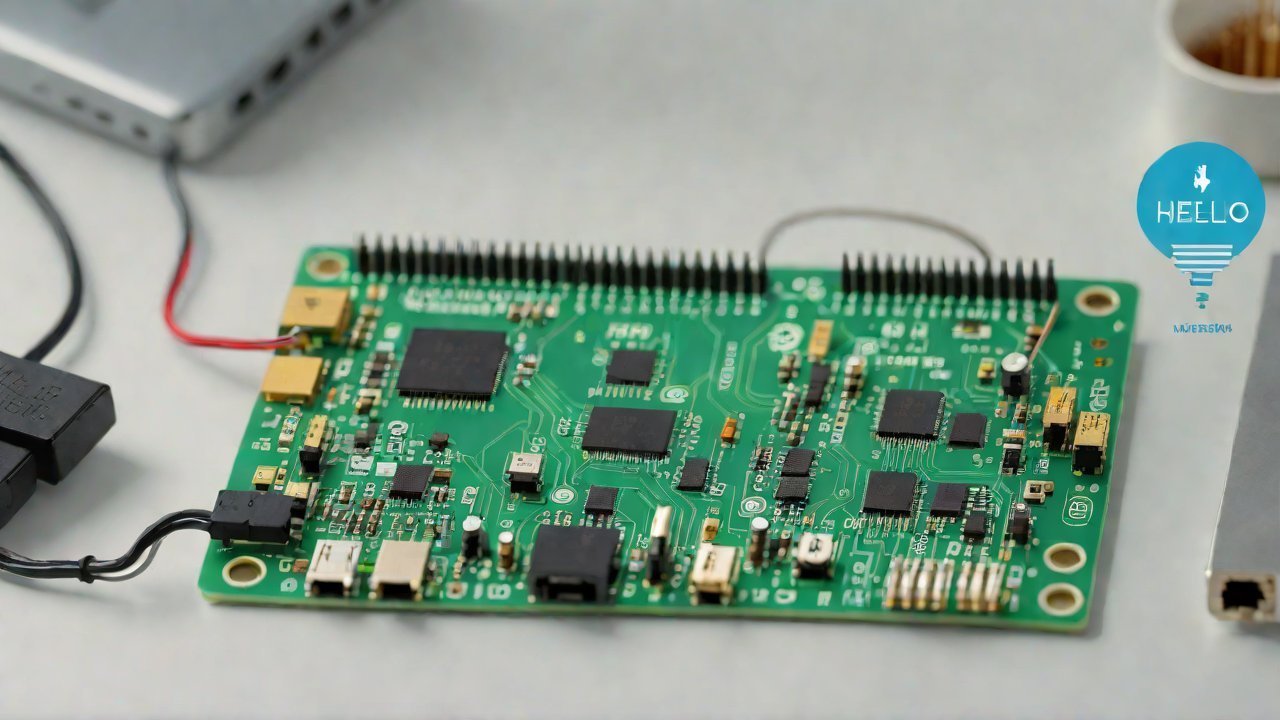
NodeMCU is an open-source microcontroller board based on the ESP8266 SoC (System-on-Chip). This board has gained widespread recognition for its affordability, compact design, and impressive feature set. NodeMCU is equipped with a dual-core processor, 4MB of flash memory, and a range of peripherals, making it an attractive choice for IoT projects, robotics, and other embedded system applications.
| Feature | Description |
|---|---|
| ESP8266 SoC | Dual-core processor with 32-bit architecture |
| Flash Memory | 4MB of internal flash memory |
| RAM | 64KB of internal RAM |
| GPIO Pins | 10 GPIO pins for connecting peripherals |
| UART | 1x UART for serial communication |
| SPI | 1x SPI for high-speed data transfer |
| I2C | 1x I2C for communication between ICs |
| Wi-Fi | Integrated Wi-Fi module for wireless connectivity |
2. Architecture and Components
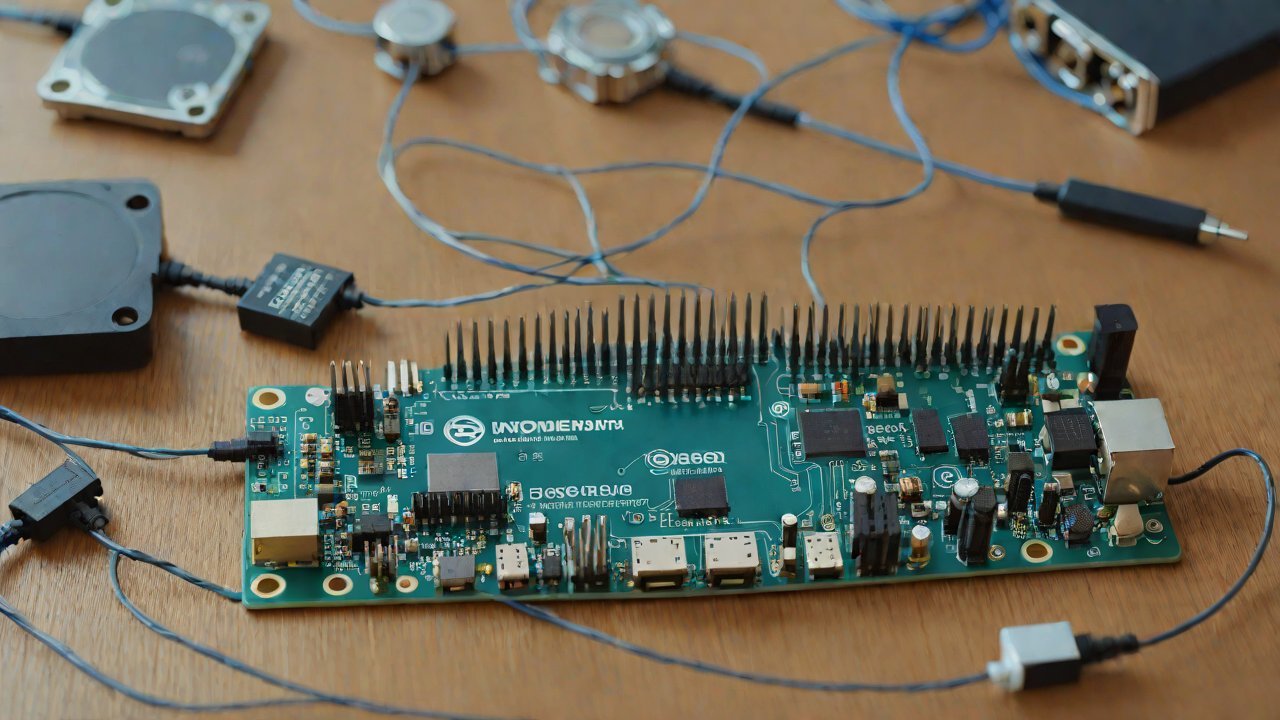
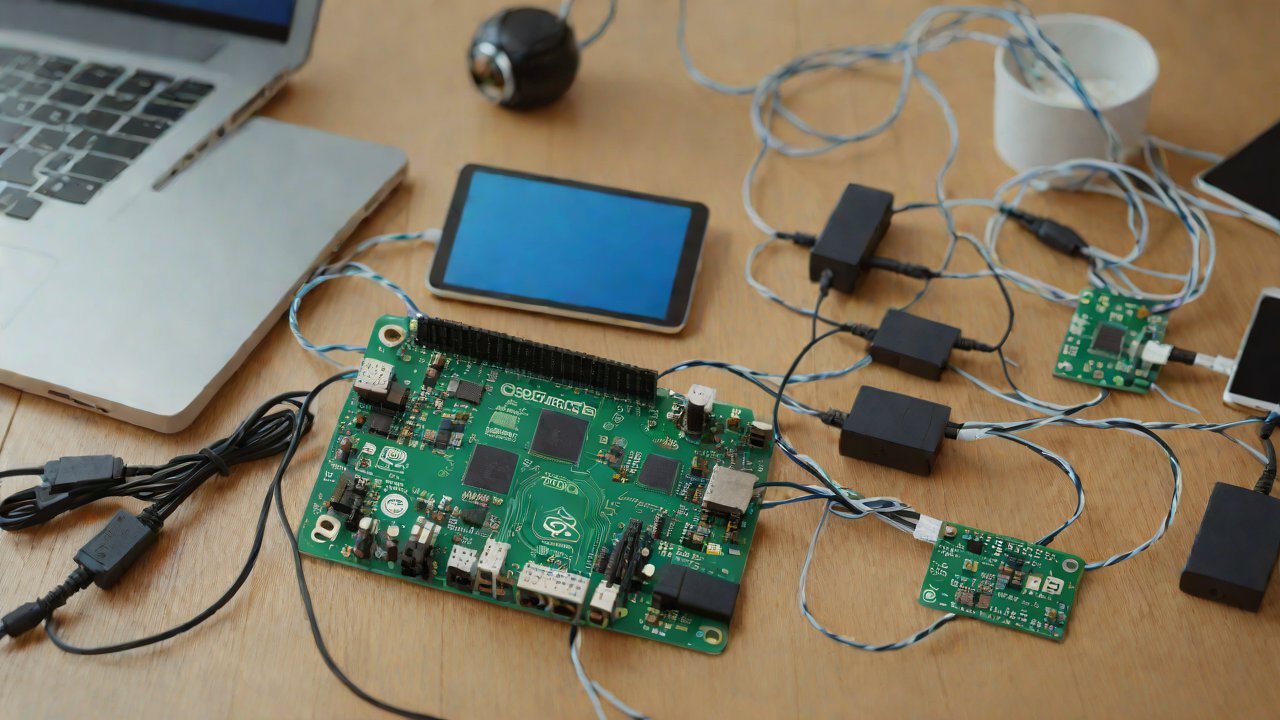
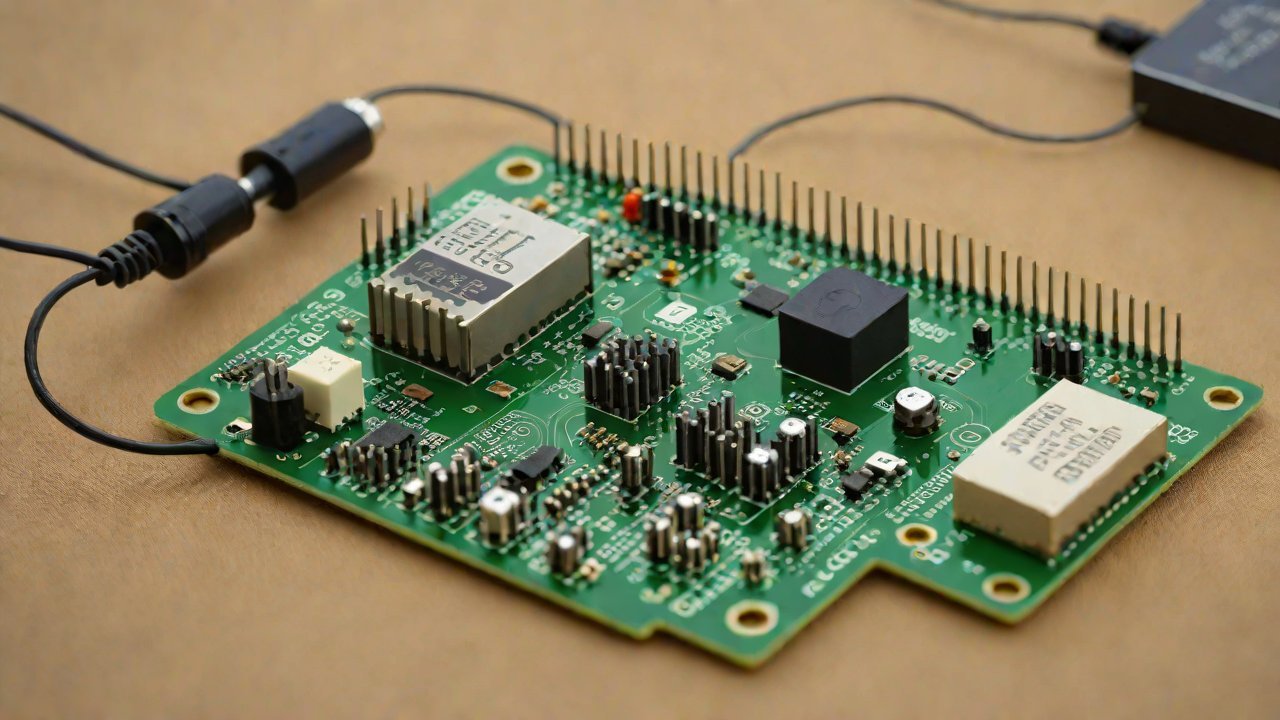
The ESP8266 SoC is the heart of the NodeMCU board, comprising a dual-core processor, 32KB of instruction memory, and 32KB of data memory. The SoC is connected to various peripherals, including GPIO pins, UART, SPI, and I2C interfaces. The NodeMCU board also features a range of onboard components, such as a crystal oscillator, voltage regulator, and reset button.
| Component | Description |
|---|---|
| ESP8266 SoC | Dual-core processor with 32-bit architecture |
| Crystal Oscillator | 26 MHz crystal oscillator for clocking |
| Voltage Regulator | 3.3V voltage regulator for powering the board |
| Reset Button | Reset button for restarting the board |
| GPIO Pins | 10 GPIO pins for connecting peripherals |
3. Functionality and Applications
NodeMCU’s versatility and affordability have made it a popular choice for a wide range of applications, from IoT projects to robotics and automation. The board’s Wi-Fi capabilities enable seamless wireless connectivity, making it an ideal solution for applications requiring remote monitoring or control.
| Application | Description |
|---|---|
| IoT Projects | NodeMCU can be used to create IoT devices, such as smart sensors, actuators, and gateways |
| Robotics | NodeMCU can be integrated into robots for control, sensing, and communication |
| Automation | NodeMCU can be used to automate tasks, such as lighting, temperature control, and security systems |
| Home Automation | NodeMCU can be used to create smart home devices, such as thermostats, lighting systems, and security cameras |
4. Market Trends and Adoption
The demand for NodeMCU has been steadily increasing, driven by the growing need for IoT and embedded system solutions. According to market research, the global microcontroller market is expected to reach $13.4 billion by 2025, with the ESP8266/ESP32 family being a significant contributor to this growth.
| Market Trend | Description |
|---|---|
| IoT Adoption | Increasing demand for IoT solutions drives the need for microcontrollers like NodeMCU |
| Edge Computing | NodeMCU’s capabilities make it an attractive choice for edge computing applications |
| 5G Connectivity | Integration of 5G connectivity in NodeMCU enables faster and more reliable wireless communication |
5. Technical Perspectives and Challenges
While NodeMCU offers an impressive set of features, its technical limitations and challenges must be acknowledged. These include:
| Challenge | Description |
|---|---|
| Power Consumption | NodeMCU’s power consumption can be high, especially when using Wi-Fi |
| Heat Dissipation | NodeMCU’s compact design can lead to heat dissipation issues |
| Interoperability | Ensuring compatibility with various peripherals and operating systems can be challenging |
6. Conclusion
NodeMCU has emerged as a leading microcontroller development board, offering a unique combination of affordability, compact design, and impressive feature set. Its adoption in various applications, including IoT, robotics, and automation, has driven market growth and recognition. However, technical limitations and challenges must be addressed to ensure optimal performance and reliability. As the demand for IoT and embedded system solutions continues to rise, NodeMCU is poised to remain a top choice for developers and engineers alike.
IOT Cloud Platform
IOT Cloud Platform is an IoT portal established by a Chinese IoT company, focusing on technical solutions in the fields of agricultural IoT, industrial IoT, medical IoT, security IoT, military IoT, meteorological IoT, consumer IoT, automotive IoT, commercial IoT, infrastructure IoT, smart warehousing and logistics, smart home, smart city, smart healthcare, smart lighting, etc.
The IoT Cloud Platform blog is a top IoT technology stack, providing technical knowledge on IoT, robotics, artificial intelligence (generative artificial intelligence AIGC), edge computing, AR/VR, cloud computing, quantum computing, blockchain, smart surveillance cameras, drones, RFID tags, gateways, GPS, 3D printing, 4D printing, autonomous driving, etc.