What is edge computing with example
Edge computing is a distributed computing paradigm that brings data processing closer to the source of the data, reducing latency and improving real-time processing capabilities. This approach is particularly useful in IoT (Internet of Things) applications, where devices generate vast amounts of data that need to be processed quickly and efficiently. By moving data processing to the edge, organizations can reduce the amount of data that needs to be transmitted to the cloud or a central data center, resulting in significant cost savings and improved performance.
1. The Rise of Edge Computing
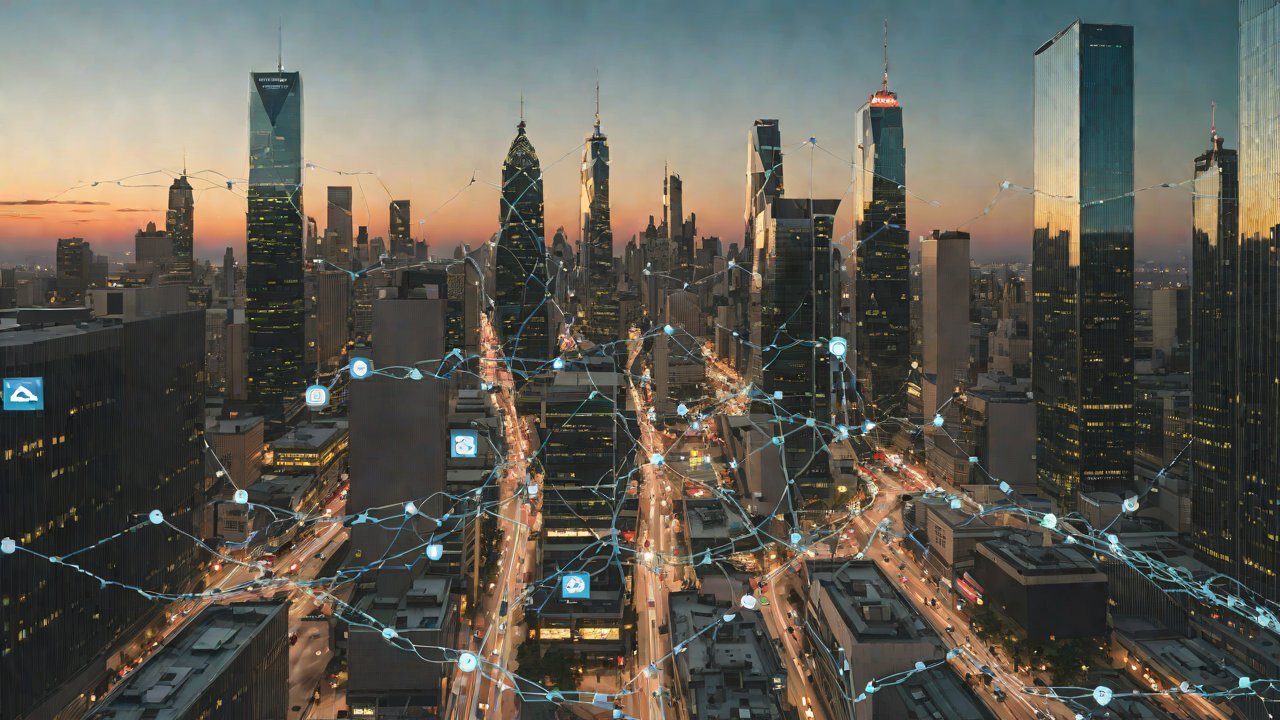
The growth of IoT devices has led to an explosion of data being generated at the source of the data, rather than in a centralized data center. This has created a need for more efficient and effective data processing capabilities that can handle the volume, velocity, and variety of this data. Edge computing addresses this need by bringing data processing closer to the source of the data, reducing the latency and improving the real-time processing capabilities of IoT applications.
Key Characteristics of Edge Computing
| Characteristic | Description |
|---|---|
| Decentralization | Edge computing is a decentralized approach to data processing, where data processing is distributed across multiple locations, rather than being centralized in a single data center. |
| Real-time Processing | Edge computing enables real-time processing of data, reducing latency and improving the responsiveness of IoT applications. |
| Autonomy | Edge computing devices are often autonomous, able to operate independently of a central data center and make decisions based on local data processing. |
2. Applications of Edge Computing
Edge computing has a wide range of applications across various industries, including:
Industrial Automation
- Predictive maintenance: Edge computing can be used to analyze sensor data from industrial equipment and predict when maintenance is required, reducing downtime and improving overall equipment effectiveness.
- Quality control: Edge computing can be used to analyze images and videos from cameras and sensors, enabling real-time quality control and defect detection.
Healthcare
- Remote monitoring: Edge computing can be used to analyze data from wearable devices and sensors, enabling remote monitoring of patients and early detection of health issues.
- Telemedicine: Edge computing can be used to analyze data from medical devices and sensors, enabling remote consultation and diagnosis.
Transportation
- Autonomous vehicles: Edge computing can be used to analyze data from sensors and cameras, enabling real-time decision-making and improving the safety and efficiency of autonomous vehicles.
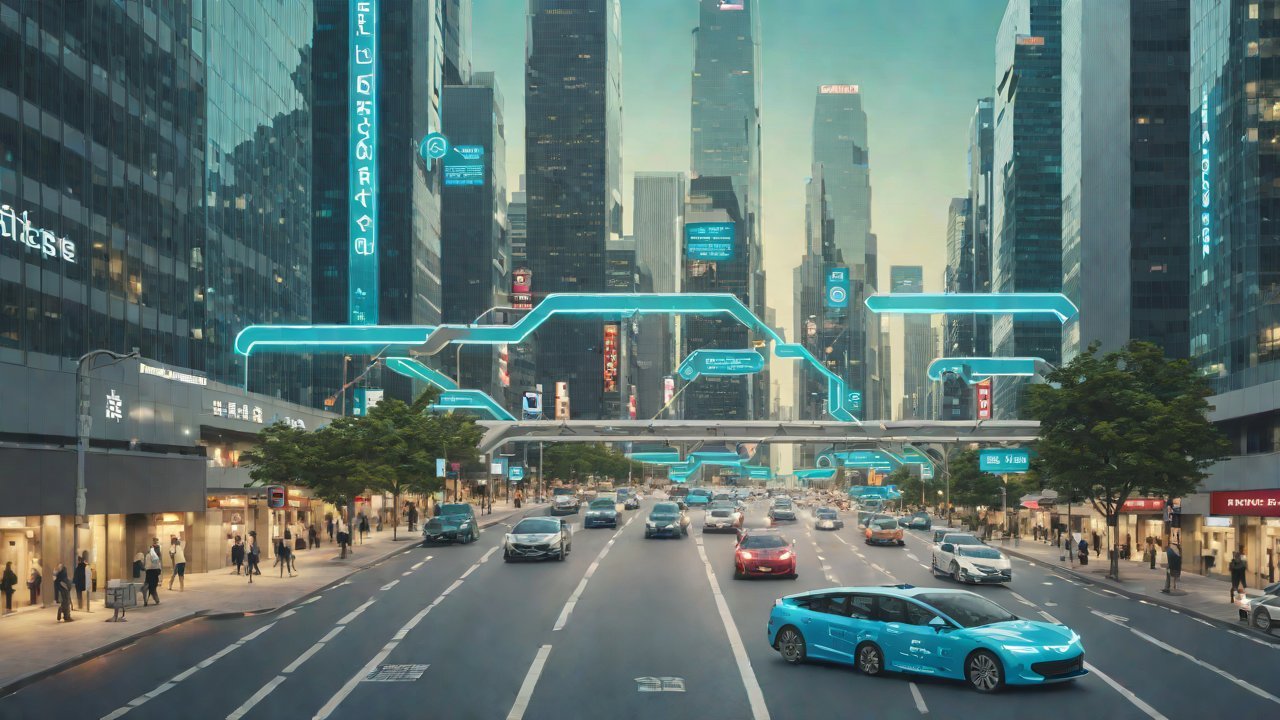
- Traffic management: Edge computing can be used to analyze data from sensors and cameras, enabling real-time traffic management and improving the efficiency of transportation systems.
3. Architecture of Edge Computing
The architecture of edge computing typically consists of the following components:
Edge Devices

- Edge devices are the hardware components that perform data processing at the edge, such as sensors, cameras, and microcontrollers.
- Edge devices are often small, low-power devices that are capable of performing complex data processing tasks.
Edge Gateways
- Edge gateways are software components that connect edge devices to the cloud or a central data center, enabling data transmission and processing.
- Edge gateways can be used to filter and process data, reducing the amount of data that needs to be transmitted to the cloud or a central data center.
Cloud or Central Data Center
- The cloud or central data center is the location where data is stored and processed, often using centralized data processing architectures.
- The cloud or central data center can be used to analyze data from edge devices, enabling more complex data processing tasks and improving overall system performance.
4. Benefits of Edge Computing
The benefits of edge computing include:
Reduced Latency
- Edge computing reduces latency by processing data closer to the source, enabling real-time processing and improving the responsiveness of IoT applications.
Improved Real-time Processing
- Edge computing enables real-time processing of data, reducing the need for batch processing and improving the overall system performance.
Reduced Data Transmission
- Edge computing reduces the amount of data that needs to be transmitted to the cloud or a central data center, reducing costs and improving system efficiency.
Increased Autonomy
- Edge computing enables autonomous devices to operate independently of a central data center, improving system reliability and reducing the need for centralized data processing.
5. Challenges of Edge Computing
The challenges of edge computing include:
Complexity
- Edge computing introduces complexity, as data processing is distributed across multiple locations, requiring more complex system architectures and management.
Security
- Edge computing introduces security risks, as data is processed at multiple locations, requiring more robust security measures to protect against data breaches and cyber attacks.
Scalability
- Edge computing requires scalable architectures, as the number of edge devices and data processing tasks can grow rapidly, requiring more robust system architectures and management.
6. Conclusion
In conclusion, edge computing is a distributed computing paradigm that brings data processing closer to the source of the data, reducing latency and improving real-time processing capabilities. Edge computing has a wide range of applications across various industries, including industrial automation, healthcare, and transportation. While edge computing introduces complexity, security risks, and scalability challenges, the benefits of reduced latency, improved real-time processing, reduced data transmission, and increased autonomy make it an attractive solution for IoT applications.
IOT Cloud Platform
IOT Cloud Platform is an IoT portal established by a Chinese IoT company, focusing on technical solutions in the fields of agricultural IoT, industrial IoT, medical IoT, security IoT, military IoT, meteorological IoT, consumer IoT, automotive IoT, commercial IoT, infrastructure IoT, smart warehousing and logistics, smart home, smart city, smart healthcare, smart lighting, etc.
The IoT Cloud Platform blog is a top IoT technology stack, providing technical knowledge on IoT, robotics, artificial intelligence (generative artificial intelligence AIGC), edge computing, AR/VR, cloud computing, quantum computing, blockchain, smart surveillance cameras, drones, RFID tags, gateways, GPS, 3D printing, 4D printing, autonomous driving, etc.