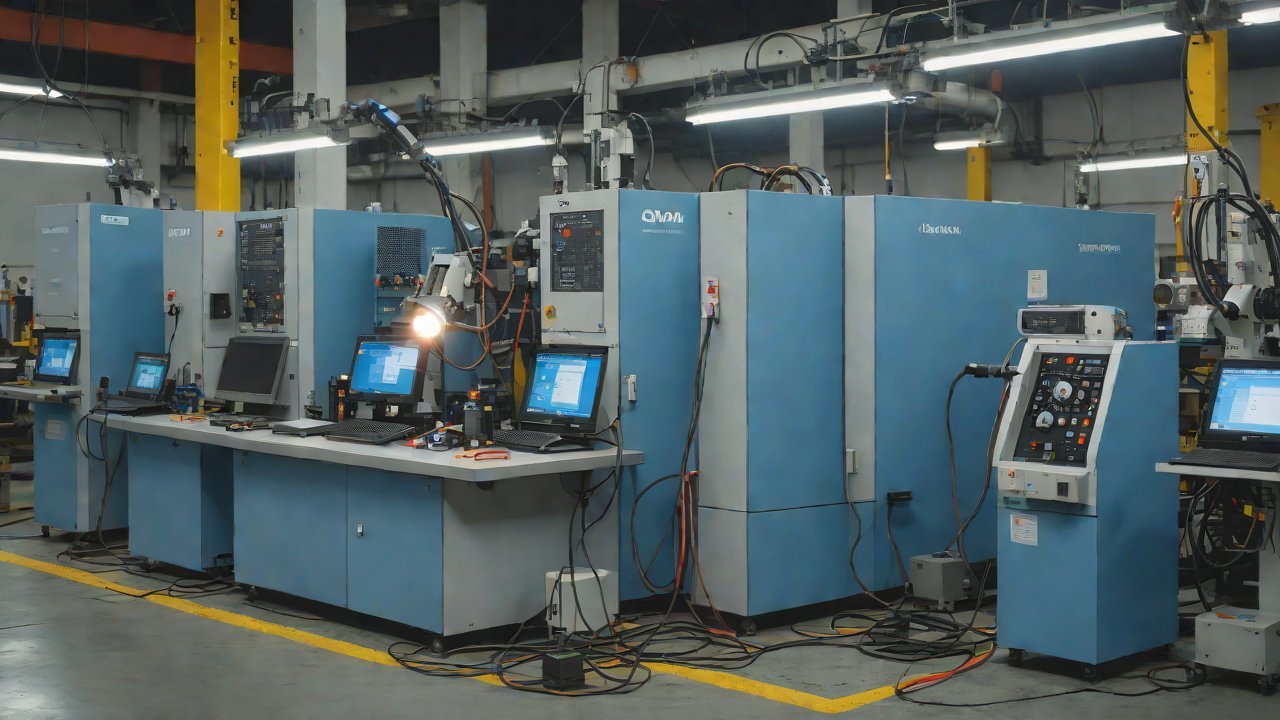
What is an IoT Operating System?
The proliferation of Internet of Things (IoT) devices has given rise to a new paradigm in the way we interact with and manage our digital lives. At the heart of this revolution lies the Internet of Things Operating System (OS), a software framework designed to manage and oversee the multitude of connected devices. The IoT OS is the unsung hero of the IoT ecosystem, working tirelessly behind the scenes to ensure seamless communication and data exchange between devices.
The IoT OS is an operating system specifically designed for IoT devices, providing a platform for device manufacturers to create, manage, and update their products. It is an essential component of the IoT ecosystem, responsible for managing device connectivity, data collection, and application execution. The IoT OS is not just a simple operating system; it is a sophisticated software framework that enables the creation of smart, connected, and autonomous devices.
The IoT OS market has witnessed significant growth in recent years, with major players such as Amazon, Google, and Microsoft vying for dominance. According to a report by MarketsandMarkets, the IoT OS market is projected to reach $14.8 billion by 2025, growing at a CAGR of 31.4% from 2020 to 2025. The report also highlights the increasing adoption of IoT OS in various industries, including manufacturing, healthcare, and transportation.
1. Key Components of an IoT Operating System
An IoT OS typically consists of several key components, including:
| Component | Description |
|---|---|
| Device Management | Enables device manufacturers to manage and monitor their products remotely |
| Data Collection | Collects data from connected devices and stores it in a centralized database |
| Application Execution | Executes applications and services on connected devices |
| Security | Provides a secure environment for data exchange and device communication |
| Connectivity | Enables devices to connect to the internet and communicate with other devices |
The IoT OS also includes various features such as device provisioning, firmware updates, and analytics tools.
2. Types of IoT Operating Systems
There are several types of IoT OS, each designed for specific use cases and industries. Some of the most popular types of IoT OS include:
| Type | Description |
|---|---|
| Linux-based IoT OS | Open-source and customizable, suitable for industrial and commercial applications |
| Real-time Operating System (RTOS) | Optimized for real-time applications, commonly used in industrial control systems |
| Mobile Operating System (MOS) | Designed for mobile devices, such as smartphones and tablets |
| Embedded Operating System (EOS) | Optimized for embedded systems, such as smart home devices and wearables |

3. Benefits of Using an IoT Operating System
The use of an IoT OS offers several benefits, including:
| Benefit | Description |
|---|---|
| Improved Device Management | Enables device manufacturers to manage and monitor their products remotely |
| Enhanced Data Collection | Collects data from connected devices and stores it in a centralized database |
| Increased Security | Provides a secure environment for data exchange and device communication |
| Better Connectivity | Enables devices to connect to the internet and communicate with other devices |
| Reduced Costs | Eliminates the need for manual device management and reduces the risk of device failure |

4. Challenges and Limitations of IoT Operating Systems
Despite its benefits, the IoT OS faces several challenges and limitations, including:
| Challenge | Description |
|---|---|
| Security Risks | IoT devices are vulnerable to cyber-attacks, compromising device security and user data |
| Data Management | Managing large volumes of data from connected devices can be a significant challenge |
| Interoperability | Ensuring seamless communication between devices from different manufacturers can be difficult |
| Scalability | IoT OS must be able to scale to meet the growing demands of connected devices |
| Cost | Developing and maintaining an IoT OS can be resource-intensive and costly |
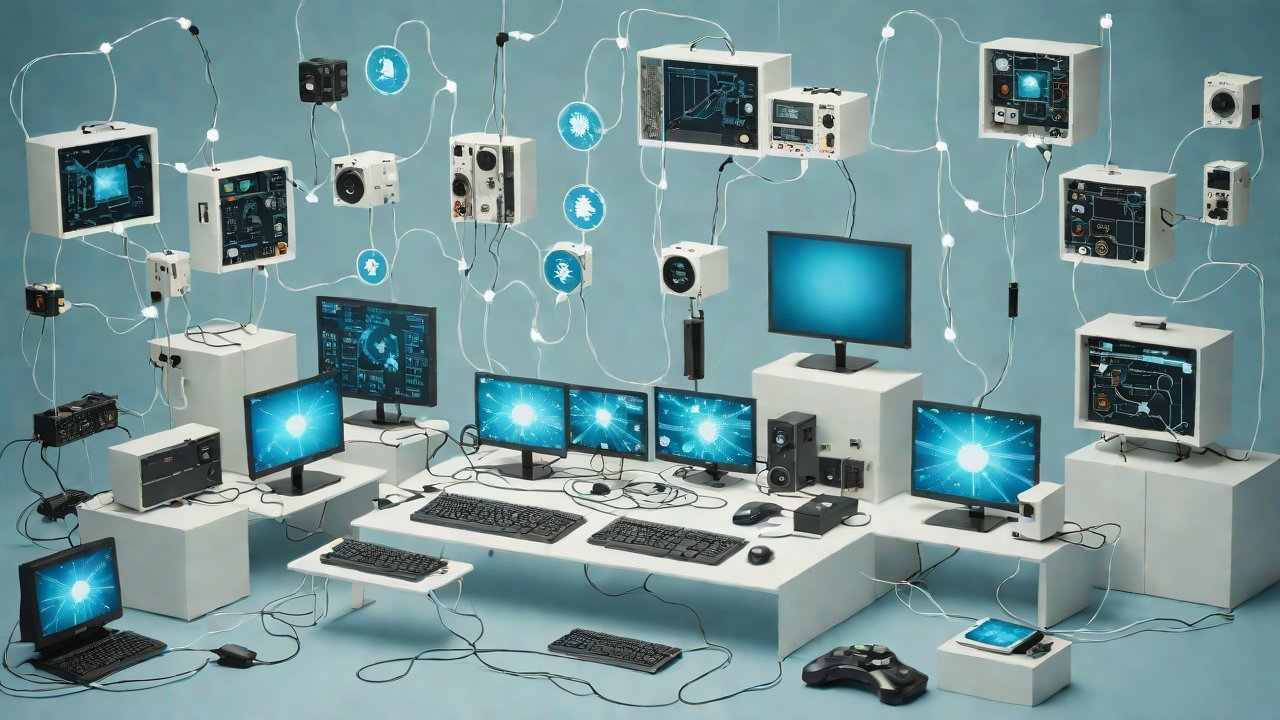
5. Future of IoT Operating Systems
The future of IoT OS is promising, with several trends and technologies emerging to shape the industry. Some of the key trends include:
| Trend | Description |
|---|---|
| Edge Computing | Enables data processing and analysis at the edge of the network, reducing latency and improving performance |
| Artificial Intelligence (AI) | Enhances device performance and improves user experience through AI-powered predictive maintenance and analytics |
| 5G Connectivity | Enables faster and more reliable connectivity, supporting the growth of IoT applications |
| Cloud Computing | Provides a scalable and secure platform for IoT data management and analytics |
In conclusion, the IoT OS is a critical component of the IoT ecosystem, providing a platform for device manufacturers to create, manage, and update their products. As the IoT market continues to grow, the demand for IoT OS is expected to increase, driving innovation and investment in the industry. However, the IoT OS also faces several challenges and limitations, including security risks, data management, and interoperability. Addressing these challenges will be crucial for the continued growth and success of the IoT industry.
IOT Cloud Platform
IOT Cloud Platform is an IoT portal established by a Chinese IoT company, focusing on technical solutions in the fields of agricultural IoT, industrial IoT, medical IoT, security IoT, military IoT, meteorological IoT, consumer IoT, automotive IoT, commercial IoT, infrastructure IoT, smart warehousing and logistics, smart home, smart city, smart healthcare, smart lighting, etc.
The IoT Cloud Platform blog is a top IoT technology stack, providing technical knowledge on IoT, robotics, artificial intelligence (generative artificial intelligence AIGC), edge computing, AR/VR, cloud computing, quantum computing, blockchain, smart surveillance cameras, drones, RFID tags, gateways, GPS, 3D printing, 4D printing, autonomous driving, etc.