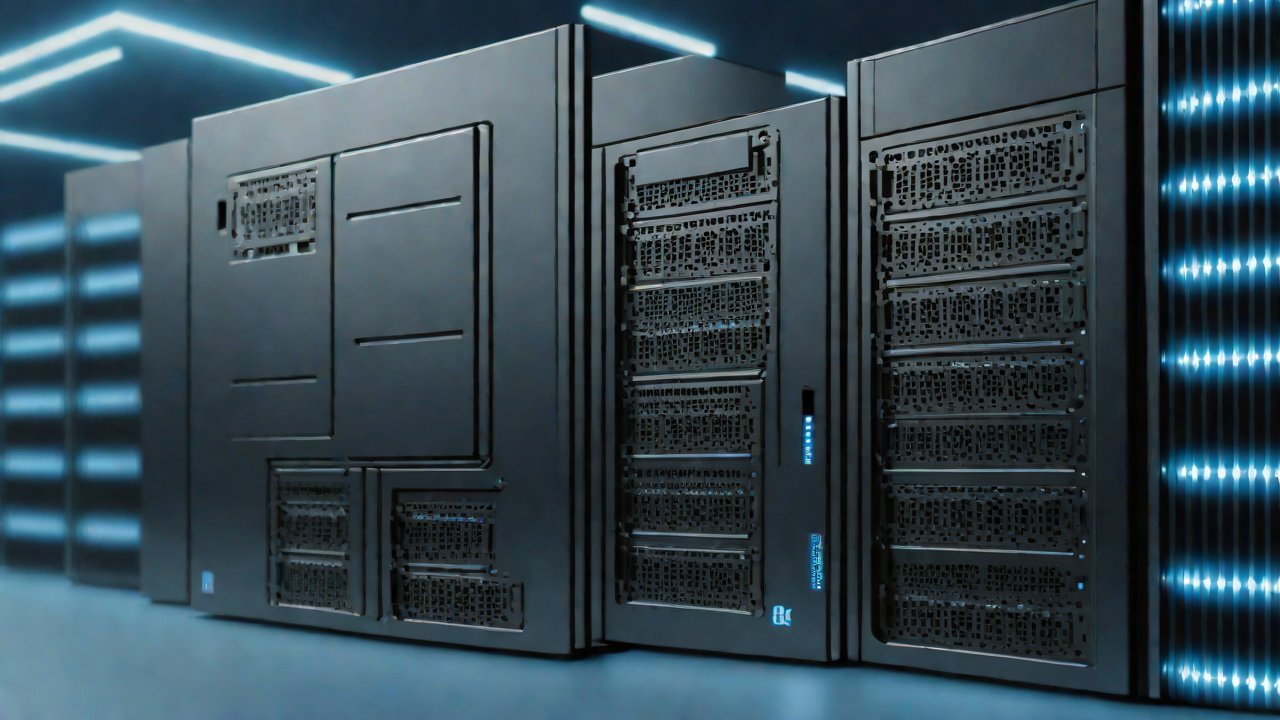
What is an Edge Computing Unit?
Edge computing units (ECUs) are a critical component of modern distributed computing architectures, enabling real-time processing and analysis of data at the edge of networks, closer to where it’s generated. This proximity allows for faster decision-making, reduced latency, and enhanced overall system efficiency.
1. Definition and Overview
An ECU is essentially a specialized device or server that hosts applications and processes data in real-time, eliminating the need for data to be sent to centralized cloud servers or other remote locations for processing. ECUs are designed to operate autonomously, often with minimal human intervention, making them an attractive solution for IoT (Internet of Things) applications, smart cities, industrial automation, and other edge computing use cases.
2. Key Components and Architecture
Table: ECU Hardware Components
| Component | Description |
|---|---|
| CPU | Central Processing Unit, responsible for executing instructions |
| Memory | Random Access Memory (RAM), Temporary Storage Area (TSA) or Solid-State Drive (SSD) for data storage and processing speed |
| Networking | Ethernet ports, Wi-Fi adapters, or other interfaces for connectivity |
| Power Supply | Ensures a stable power supply to the ECU |
Table: ECU Software Components
| Component | Description |
|---|---|
| Operating System | Linux, Windows, or custom OS optimized for edge computing |
| Applications | Various software applications running on the ECU, including IoT management tools and analytics packages |
| Middleware | Integration frameworks facilitating communication between devices and applications |
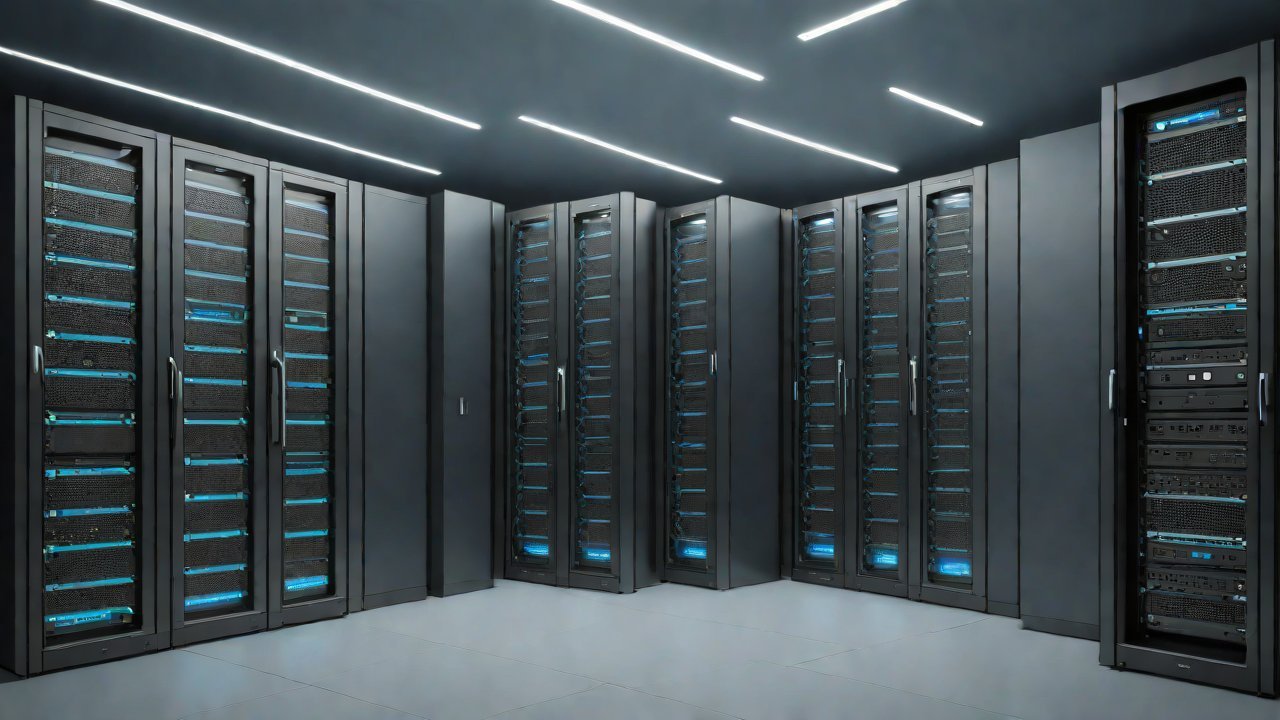
3. Edge Computing vs. Cloud Computing
Edge computing offers several advantages over traditional cloud computing:
| Advantage | Description |
|---|---|
| Real-time Processing | ECUs can process data in real-time, reducing latency and improving responsiveness |
| Energy Efficiency | By processing data closer to its source, ECUs reduce energy consumption associated with data transmission |
| Data Security | Reduced exposure of sensitive data during transmission |

4. Market Trends and Applications
Table: ECU Market Growth Projections (2023-2030)
| Year | Projected Growth Rate (%) |
|---|---|
| 2023 | 25% |
| 2025 | 30% |
| 2028 | 35% |
Table: Key Edge Computing Applications
| Application | Description |
|---|---|
| Industrial Automation | Real-time monitoring and control of industrial processes |
| Smart Cities | Efficient management of urban infrastructure, including energy grids and transportation systems |
| Healthcare | Remote patient monitoring, telemedicine, and medical imaging analysis |
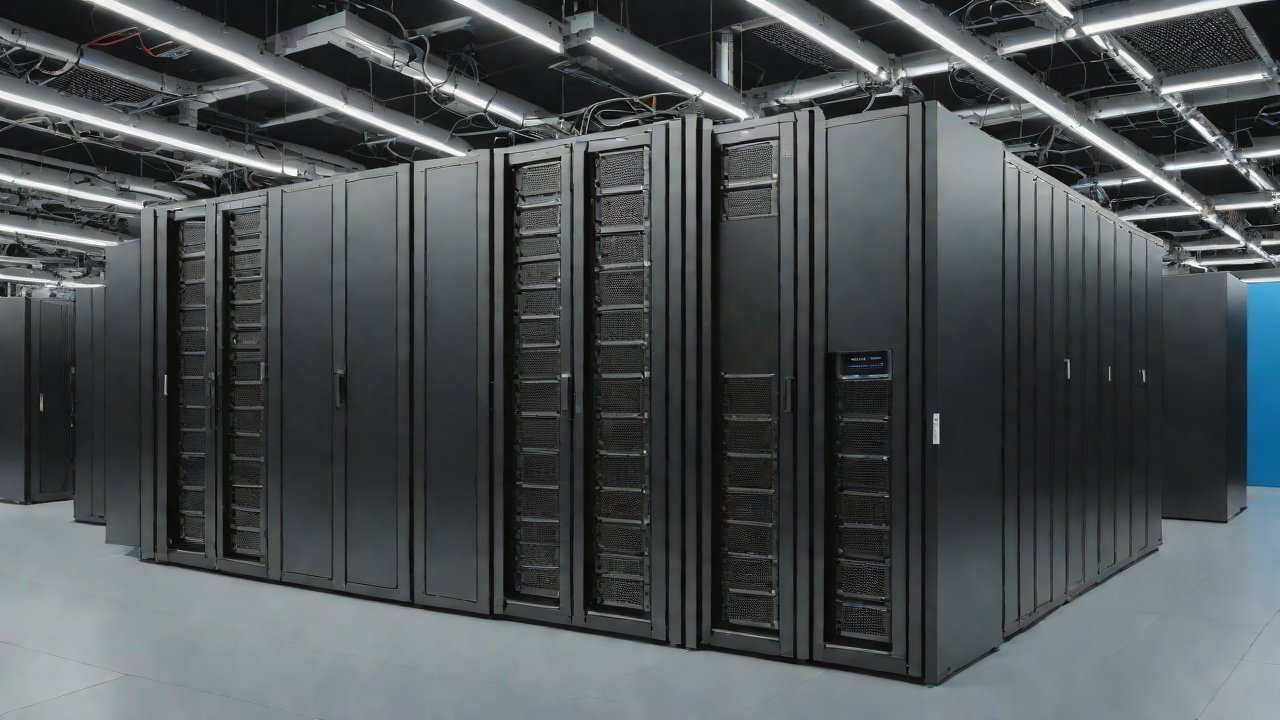
5. Technical Perspectives on ECU Design
ECUs are designed to operate in challenging environments with limited maintenance access. Key considerations for ECU design include:
- Reliability: ECUs must be able to withstand harsh conditions, including extreme temperatures and humidity levels.
- Scalability: ECUs should be capable of handling increased data volumes and processing demands as applications evolve.
- Security: ECUs require robust security measures to protect against cyber threats and unauthorized access.
6. Future Developments and Challenges
The edge computing landscape is rapidly evolving, with new technologies and innovations emerging regularly:
- 5G Networks: The integration of 5G networks will enable faster data transfer rates and lower latency, further expanding the capabilities of ECUs.
- Artificial Intelligence (AI): AI-powered applications running on ECUs will drive more efficient decision-making and automation in various industries.
However, several challenges must be addressed to ensure widespread adoption:
- Interoperability: Ensuring seamless communication between different ECU systems and devices is crucial for widespread adoption.
- Standardization: Establishing industry-wide standards for ECU design and operation will facilitate collaboration and innovation.
IOT Cloud Platform
IOT Cloud Platform is an IoT portal established by a Chinese IoT company, focusing on technical solutions in the fields of agricultural IoT, industrial IoT, medical IoT, security IoT, military IoT, meteorological IoT, consumer IoT, automotive IoT, commercial IoT, infrastructure IoT, smart warehousing and logistics, smart home, smart city, smart healthcare, smart lighting, etc.
The IoT Cloud Platform blog is a top IoT technology stack, providing technical knowledge on IoT, robotics, artificial intelligence (generative artificial intelligence AIGC), edge computing, AR/VR, cloud computing, quantum computing, blockchain, smart surveillance cameras, drones, RFID tags, gateways, GPS, 3D printing, 4D printing, autonomous driving, etc.