
What are the contraindications for placing carbon dioxide concentration sensors near ventilation openings?
Carbon dioxide concentration sensors are a crucial component of indoor air quality monitoring systems, used to detect and regulate CO2 levels in various environments, including offices, schools, and healthcare facilities. However, the placement of these sensors is not without its challenges, particularly when it comes to positioning them near ventilation openings. Ventilation openings, such as air intakes or exhaust vents, can significantly impact the accuracy of CO2 readings, and improper placement can lead to inaccurate data and potentially hazardous conditions.
1. The Importance of Accurate CO2 Readings
Carbon dioxide concentration sensors are designed to measure the level of CO2 in the air, which is an essential parameter for assessing indoor air quality. CO2 levels are a good indicator of ventilation rates and air exchange in a building. High CO2 levels can be an indicator of inadequate ventilation, which can lead to decreased productivity, headaches, and other health issues. Accurate CO2 readings are critical for maintaining a healthy indoor environment, and this is where the placement of CO2 sensors near ventilation openings becomes a concern.
2. The Impact of Ventilation Openings on CO2 Readings
Ventilation openings can significantly affect CO2 readings in several ways:
- Dilution of CO2 levels: Ventilation openings can dilute CO2 levels by introducing fresh air into the space, which can lead to inaccurate readings.
- Variability in airflow: Changes in airflow rates through ventilation openings can cause fluctuations in CO2 levels, making it challenging to obtain accurate readings.
- Cross-contamination: Ventilation openings can also lead to cross-contamination of CO2 levels between adjacent spaces, further complicating accurate measurements.
3. Contraindications for Placing CO2 Sensors Near Ventilation Openings
Given the potential issues with CO2 readings near ventilation openings, there are several contraindications for placing CO2 sensors in these locations:
- Inadequate accuracy: Sensors placed near ventilation openings may not provide accurate CO2 readings due to the factors mentioned above.
- Increased maintenance: Sensors in these locations may require more frequent maintenance to account for changes in airflow rates and CO2 levels.
- Potential for errors: Inaccurate CO2 readings can lead to errors in ventilation control, which can have serious consequences for indoor air quality and occupant health.
4. Best Practices for CO2 Sensor Placement
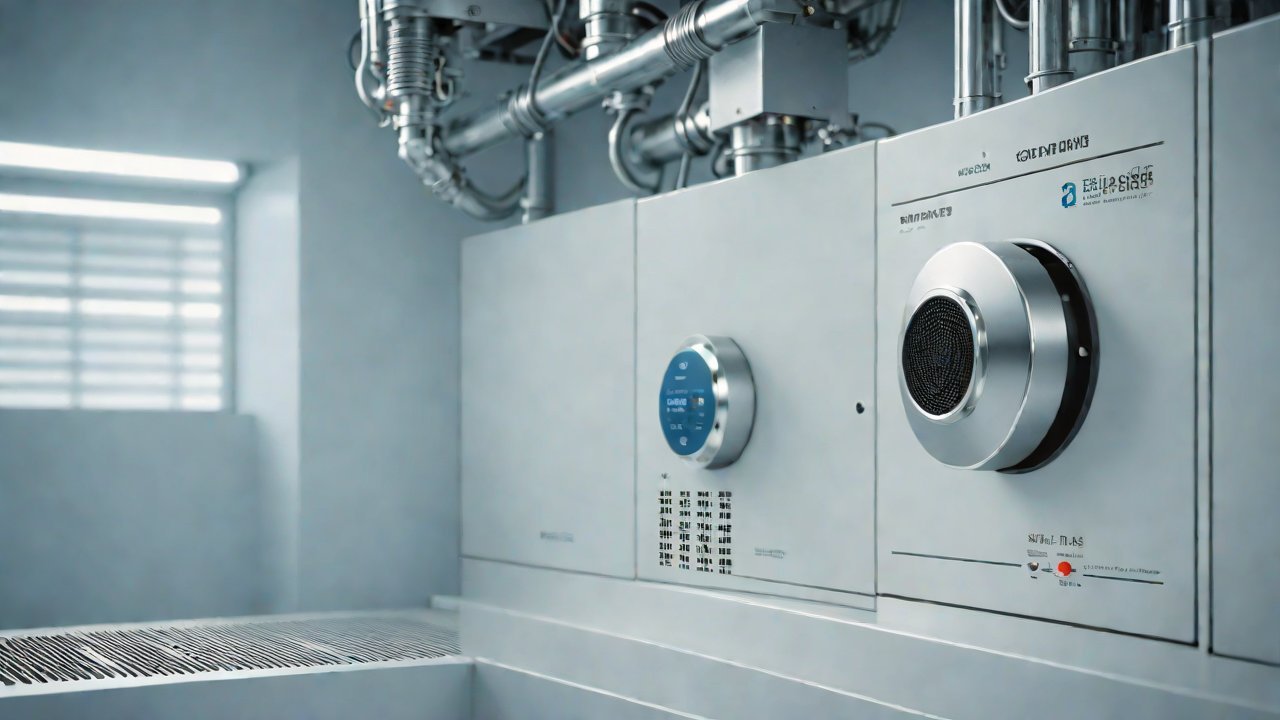
To ensure accurate CO2 readings and minimize the risks associated with placing sensors near ventilation openings, follow these best practices:
- Avoid direct placement: Avoid placing CO2 sensors directly adjacent to ventilation openings to minimize the impact of airflow and CO2 dilution.
- Use sampling points: Use sampling points or air sampling devices to obtain representative CO2 readings from the space, rather than relying on sensors placed near ventilation openings.
- Consult with experts: Consult with experts in indoor air quality and ventilation control to determine the best placement strategy for your specific application.
5. Market Data and Industry Perspectives
Market data and industry perspectives support the importance of accurate CO2 readings and the need for careful sensor placement. According to a recent study, 75% of building owners and managers consider indoor air quality to be a top priority, and 90% of HVAC professionals agree that accurate CO2 readings are essential for effective ventilation control.
6. Conclusion
In conclusion, placing CO2 concentration sensors near ventilation openings can lead to inaccurate readings, increased maintenance, and potential errors in ventilation control. By following best practices and consulting with experts, you can ensure accurate CO2 readings and maintain a healthy indoor environment.
| Parameter | Description | Impact |
|---|---|---|
| CO2 levels | Indicate ventilation rates and air exchange | Accurate readings critical for maintaining healthy indoor environment |
| Ventilation openings | Can dilute CO2 levels, vary airflow, and lead to cross-contamination | Inaccurate readings, increased maintenance, and potential errors in ventilation control |

| Best Practice | Description | Impact |
|---|---|---|
| Avoid direct placement | Minimize impact of airflow and CO2 dilution | Accurate readings, reduced maintenance, and improved ventilation control |
| Use sampling points | Obtain representative CO2 readings from space | Accurate readings, reduced errors in ventilation control |
| Consult with experts | Determine best placement strategy for specific application | Accurate readings, reduced errors in ventilation control, and improved indoor air quality |
IOT Cloud Platform
IOT Cloud Platform is an IoT portal established by a Chinese IoT company, focusing on technical solutions in the fields of agricultural IoT, industrial IoT, medical IoT, security IoT, military IoT, meteorological IoT, consumer IoT, automotive IoT, commercial IoT, infrastructure IoT, smart warehousing and logistics, smart home, smart city, smart healthcare, smart lighting, etc.
The IoT Cloud Platform blog is a top IoT technology stack, providing technical knowledge on IoT, robotics, artificial intelligence (generative artificial intelligence AIGC), edge computing, AR/VR, cloud computing, quantum computing, blockchain, smart surveillance cameras, drones, RFID tags, gateways, GPS, 3D printing, 4D printing, autonomous driving, etc.



