Ultimate prediction: Will humanity wage war over precise soil moisture algorithms?
As the world grapples with the challenges of climate change, water scarcity, and food security, the importance of soil moisture monitoring has never been more pressing. The intricate dance between soil, water, and atmosphere is a delicate one, and any disruption to this balance can have far-reaching consequences. The precise measurement of soil moisture is crucial for agriculture, hydrology, and even weather forecasting, but the stakes are about to get even higher. In this report, we will delve into the world of soil moisture algorithms, exploring the cutting-edge technologies, market trends, and potential conflicts that may arise as humanity strives to optimize soil moisture management.
1. The Soil Moisture Imperative
Soil moisture is the backbone of agriculture, influencing crop growth, yield, and quality. According to the Food and Agriculture Organization (FAO) of the United Nations, agriculture accounts for approximately 70% of global freshwater withdrawals, with the majority of this water being used for irrigation. As the global population continues to grow, the pressure on water resources is mounting, making efficient irrigation management critical.
Soil Moisture Measurement Methods
Several methods are employed to measure soil moisture, including:
| Method | Description |
|---|---|
| TDR (Time Domain Reflectometry) | Measures soil moisture by sending an electromagnetic signal through the soil and analyzing the reflected signal |
| GPR (Ground-Penetrating Radar) | Uses radar pulses to measure soil moisture by analyzing the reflections from the soil |
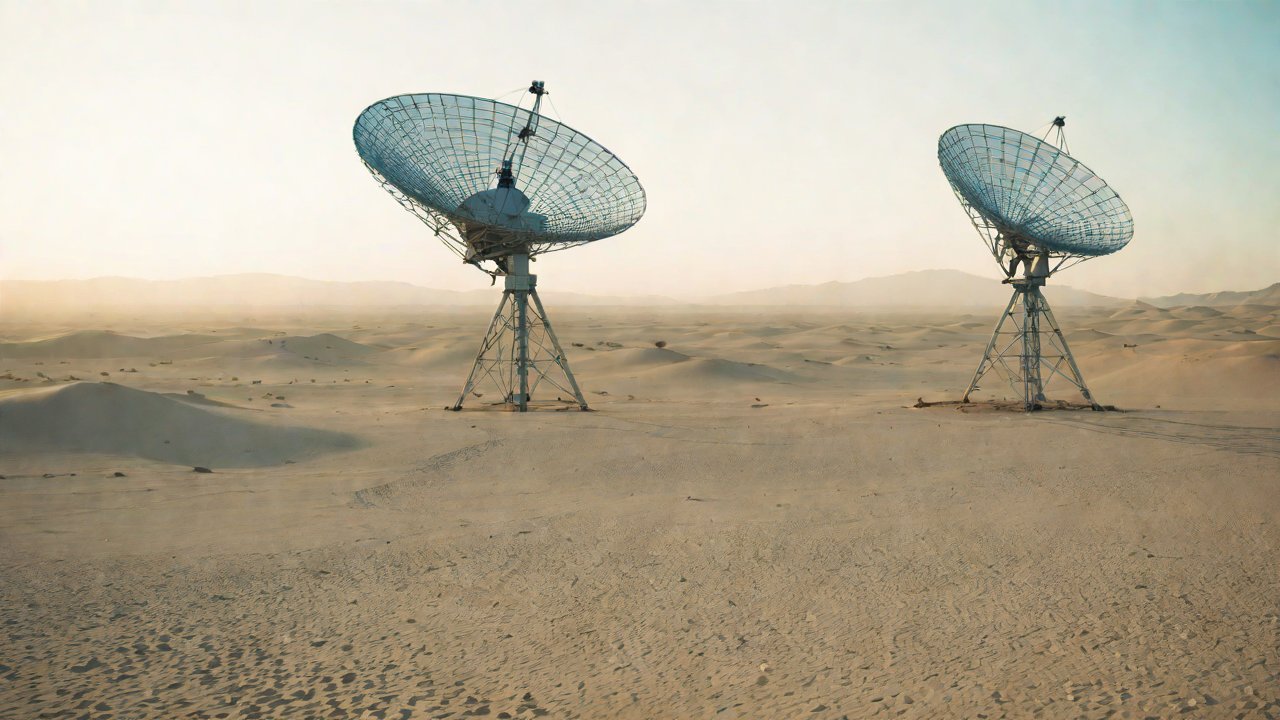
| SMOS (Soil Moisture and Ocean Salinity) | Utilizes satellite-based radar to measure soil moisture from space |
| In-Situ Sensors | Directly measures soil moisture using various sensors, such as neutron probes or soil moisture probes |
2. The Rise of Precise Soil Moisture Algorithms
In recent years, the development of advanced algorithms has revolutionized the field of soil moisture monitoring. These algorithms can analyze large datasets, account for various environmental factors, and provide high-resolution maps of soil moisture. Some of the key players in this space include:
| Company | Algorithm | Description |
|---|---|---|
| NASA | SMAP (Soil Moisture Active Passive) | Utilizes satellite-based radar and radiometer data to estimate soil moisture |
| European Space Agency (ESA) | SMOS | Leverages satellite-based radar to measure soil moisture from space |
| USDA (United States Department of Agriculture) | SWAT (Soil and Water Assessment Tool) | A comprehensive model that simulates water balance and soil moisture |
| AI-powered Soil Moisture Algorithm | Utilizes machine learning and satellite data to estimate soil moisture |
3. Market Trends and Projections
The market for soil moisture monitoring is growing rapidly, driven by increasing demand for precision agriculture and water management. According to MarketsandMarkets, the global soil moisture monitoring market is expected to reach $1.3 billion by 2025, growing at a CAGR of 12.5%. Some of the key trends and projections include:
| Trend | Description |
|---|---|
| Increased adoption of precision agriculture | Farmers and agricultural companies are turning to precision agriculture to optimize crop yields and reduce water usage |
| Growing demand for satellite-based monitoring | Satellite-based monitoring is becoming increasingly popular due to its ability to provide high-resolution maps of soil moisture |
| Rise of AI and machine learning | Advanced algorithms and machine learning techniques are being applied to soil moisture monitoring, enabling more accurate predictions and decision-making |
4. Potential Conflicts and Stakes
As the demand for precise soil moisture algorithms continues to grow, so too do the stakes. Conflicts may arise over:

| Conflict | Description |
|---|---|
| Data ownership and sharing | Companies and governments may clash over data ownership and sharing, particularly in the context of satellite-based monitoring |
| Algorithm accuracy and bias | The accuracy and bias of soil moisture algorithms may become a point of contention, particularly if they are used for high-stakes decision-making |
| Market dominance and competition | As the market for soil moisture monitoring grows, companies may engage in intense competition, potentially leading to conflicts over market share and dominance |
5. Conclusion
The precise measurement of soil moisture is a critical component of modern agriculture and water management. As the world grapples with the challenges of climate change, water scarcity, and food security, the importance of soil moisture monitoring will only continue to grow. While the development of advanced algorithms and technologies has revolutionized the field, potential conflicts and stakes are emerging. As humanity strives to optimize soil moisture management, it is essential to address these challenges and ensure that the benefits of precision agriculture and water management are shared equitably among all stakeholders.
Recommendations
Based on our analysis, we recommend that:
- Governments and international organizations invest in the development of open-source soil moisture algorithms and data sharing platforms.
- Companies prioritize transparency and data sharing in their soil moisture monitoring products and services.
- Researchers and developers focus on addressing the challenges of algorithm accuracy and bias in soil moisture monitoring.
- The global community comes together to establish standards and guidelines for soil moisture monitoring and data sharing.
By taking these steps, we can ensure that the benefits of precision agriculture and water management are shared equitably among all stakeholders, and that the world moves closer to achieving sustainable food security and water management.
IOT Cloud Platform
IOT Cloud Platform is an IoT portal established by a Chinese IoT company, focusing on technical solutions in the fields of agricultural IoT, industrial IoT, medical IoT, security IoT, military IoT, meteorological IoT, consumer IoT, automotive IoT, commercial IoT, infrastructure IoT, smart warehousing and logistics, smart home, smart city, smart healthcare, smart lighting, etc.
The IoT Cloud Platform blog is a top IoT technology stack, providing technical knowledge on IoT, robotics, artificial intelligence (generative artificial intelligence AIGC), edge computing, AR/VR, cloud computing, quantum computing, blockchain, smart surveillance cameras, drones, RFID tags, gateways, GPS, 3D printing, 4D printing, autonomous driving, etc.