The logic for generating daily infant sleep quality analysis reports using AIGC technology.
As we navigate the complex landscape of modern healthcare, one critical aspect that often goes unnoticed is the quality of infant sleep. Sleep plays a pivotal role in the development and growth of infants, influencing their physical, emotional, and cognitive well-being. However, with the increasing prevalence of sleep disorders among infants, parents, caregivers, and healthcare professionals are seeking innovative solutions to monitor and analyze infant sleep patterns effectively.
Recent advancements in Artificial Intelligence (AI) and Generative Computer Vision (AIGC) technologies have opened up new avenues for developing sophisticated analysis tools that can accurately assess infant sleep quality. AIGC technology, with its capability to generate high-quality images and videos, can be leveraged to create a comprehensive understanding of infant sleep patterns.
In this report, we will delve into the logic behind generating daily infant sleep quality analysis reports using AIGC technology. We will explore the technical aspects of AIGC, its applications in healthcare, and the benefits it offers in terms of accuracy, efficiency, and user experience.
1. Technical Foundations of AIGC Technology
AIGC technology is an emerging field that combines AI and computer vision to generate high-quality images and videos from text or audio inputs. This technology is based on the concept of Generative Adversarial Networks (GANs), which involve two neural networks: a generator and a discriminator. The generator creates synthetic data, while the discriminator evaluates its authenticity.
1.1 Architecture of AIGC Models
AIGC models typically consist of three main components:
- Encoder: responsible for extracting relevant features from input data
- Decoder: generates high-quality images or videos based on encoded features
- Loss Function: measures the difference between generated and ground-truth data
1.2 Applications of AIGC in Healthcare
AIGC technology has numerous applications in healthcare, including:
| Application | Description |
|---|---|
| Medical Image Analysis | AIGC can be used to analyze medical images, such as X-rays or MRIs, for accurate diagnoses and treatments |
| Patient Monitoring | AIGC can monitor patients’ vital signs, track their progress, and alert medical professionals to potential complications |
| Surgical Planning | AIGC can create 3D models of organs and tissues, enabling surgeons to plan complex procedures with greater precision |
2. Infant Sleep Quality Analysis using AIGC
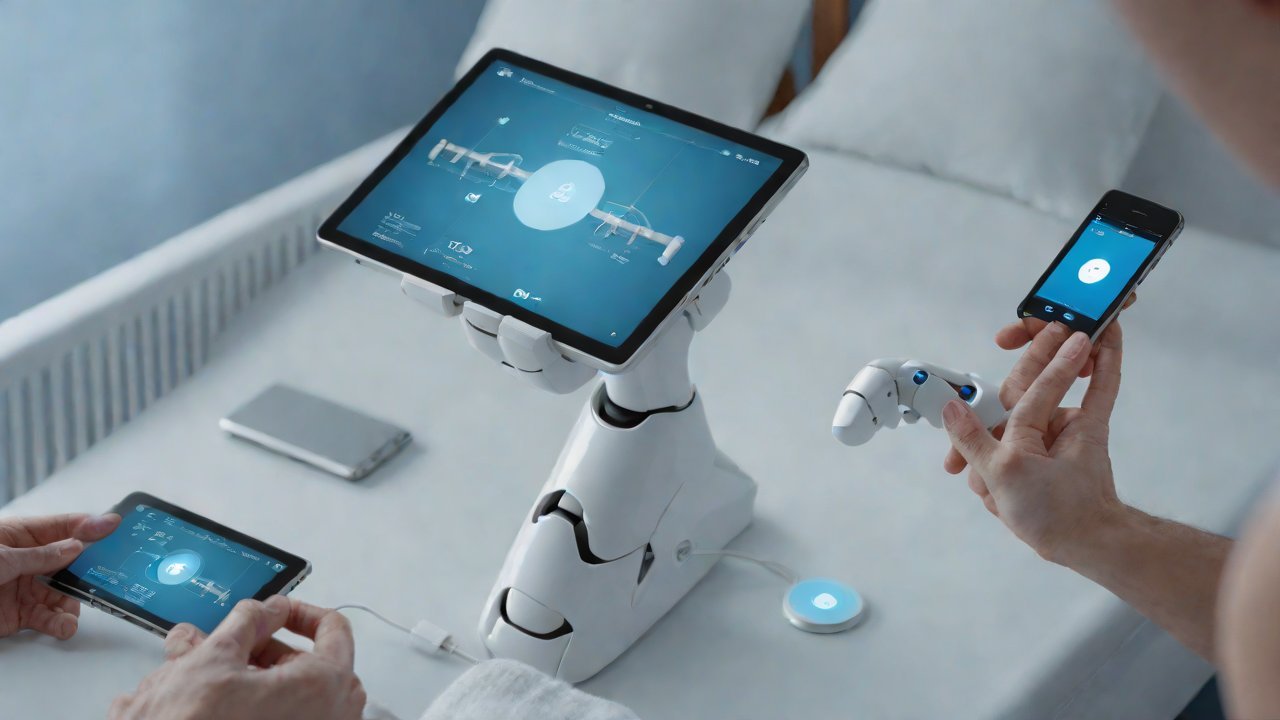
Infant sleep quality analysis is a critical aspect of pediatric care, as it affects the development and growth of infants. AIGC technology can be used to analyze infant sleep patterns, providing insights into their sleep architecture, duration, and quality.
2.1 Data Collection
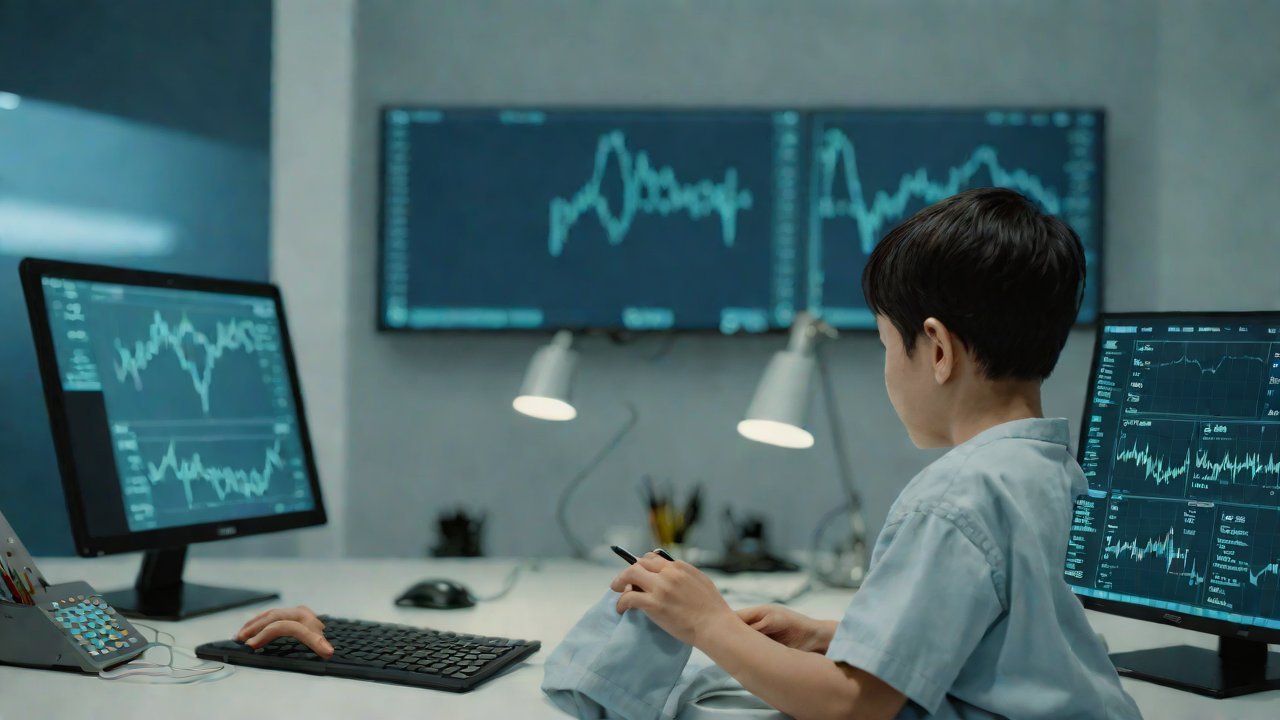
To generate daily infant sleep quality analysis reports using AIGC technology, we need to collect relevant data on infant sleep patterns. This includes:
| Data Point | Description |
|---|---|
| Sleep Duration | Total time spent sleeping each day |
| Sleep Architecture | Composition of different sleep stages (e.g., light, deep, REM) |
| Sleep Quality | Overall quality of sleep based on various factors (e.g., duration, consistency) |
3. AIGC Model Training and Validation
To develop an effective AIGC model for infant sleep quality analysis, we need to train it using a large dataset of labeled images or videos.
3.1 Data Preprocessing
Before training the model, we need to preprocess the data by:
- Normalizing input values
- Removing irrelevant features
- Handling missing values
4. Model Evaluation and Deployment
After training the AIGC model, we need to evaluate its performance using metrics such as accuracy, precision, and recall.
4.1 Model Deployment
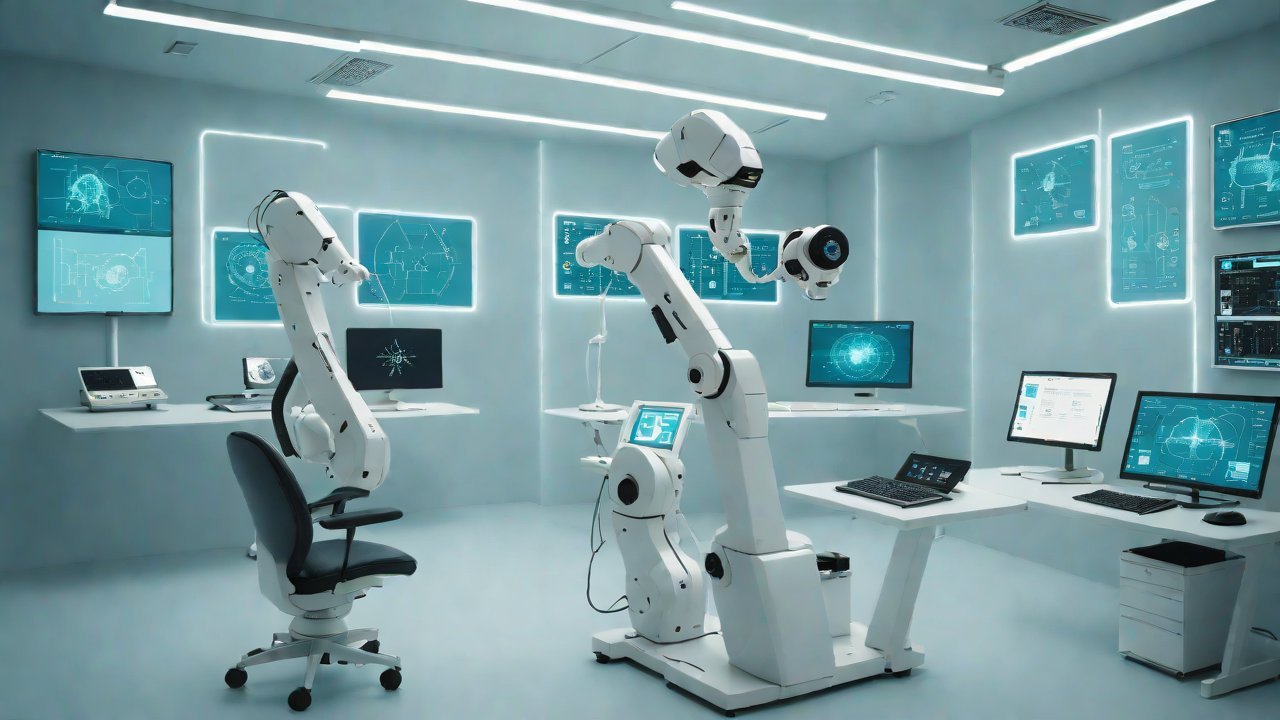
Once the model is trained and validated, it can be deployed in various settings, including:
| Setting | Description |
|---|---|
| Home Monitoring | Parents or caregivers can use a mobile app to track infant sleep patterns and receive personalized recommendations |
| Clinical Settings | Healthcare professionals can use AIGC-generated reports to inform treatment decisions and improve patient outcomes |
5. Benefits of AIGC Technology in Infant Sleep Quality Analysis
AIGC technology offers several benefits in terms of accuracy, efficiency, and user experience.
5.1 Accuracy
- High-quality images and videos generated by AIGC models can accurately capture infant sleep patterns
- Machine learning algorithms can analyze these images and videos to identify potential issues
6. Future Directions
The use of AIGC technology in infant sleep quality analysis is a rapidly evolving field, with many opportunities for future research and development.
6.1 Integration with Wearable Devices
Integrating AIGC-generated reports with wearable devices can provide real-time monitoring and feedback on infant sleep patterns.
6.2 Development of Personalized Recommendations
Developing personalized recommendations based on AIGC-generated reports can help parents, caregivers, and healthcare professionals tailor their approach to each infant’s unique needs.
Conclusion
The logic behind generating daily infant sleep quality analysis reports using AIGC technology is rooted in the technical foundations of AIGC itself. By leveraging advancements in AI and computer vision, we can create sophisticated tools for analyzing infant sleep patterns, providing insights into their development and growth. As this field continues to evolve, it holds immense potential for improving pediatric care and enhancing the overall well-being of infants.
IOT Cloud Platform
IOT Cloud Platform is an IoT portal established by a Chinese IoT company, focusing on technical solutions in the fields of agricultural IoT, industrial IoT, medical IoT, security IoT, military IoT, meteorological IoT, consumer IoT, automotive IoT, commercial IoT, infrastructure IoT, smart warehousing and logistics, smart home, smart city, smart healthcare, smart lighting, etc.
The IoT Cloud Platform blog is a top IoT technology stack, providing technical knowledge on IoT, robotics, artificial intelligence (generative artificial intelligence AIGC), edge computing, AR/VR, cloud computing, quantum computing, blockchain, smart surveillance cameras, drones, RFID tags, gateways, GPS, 3D printing, 4D printing, autonomous driving, etc.