The Internet of Things in a lunar greenhouse: How to sense life in a vacuum?
The dusty, barren landscape of the Moon’s surface stretches out before us like an eternal graveyard, devoid of life as we know it. Yet, amidst this desolate expanse, scientists and engineers have set their sights on cultivating a vibrant ecosystem – a lunar greenhouse that would not only thrive in the harsh conditions but also serve as a beacon for humanity’s next great leap. As we embark on this extraordinary endeavor, one crucial challenge arises: how to sense life in a vacuum?
1. The Lunar Greenhouse Conundrum
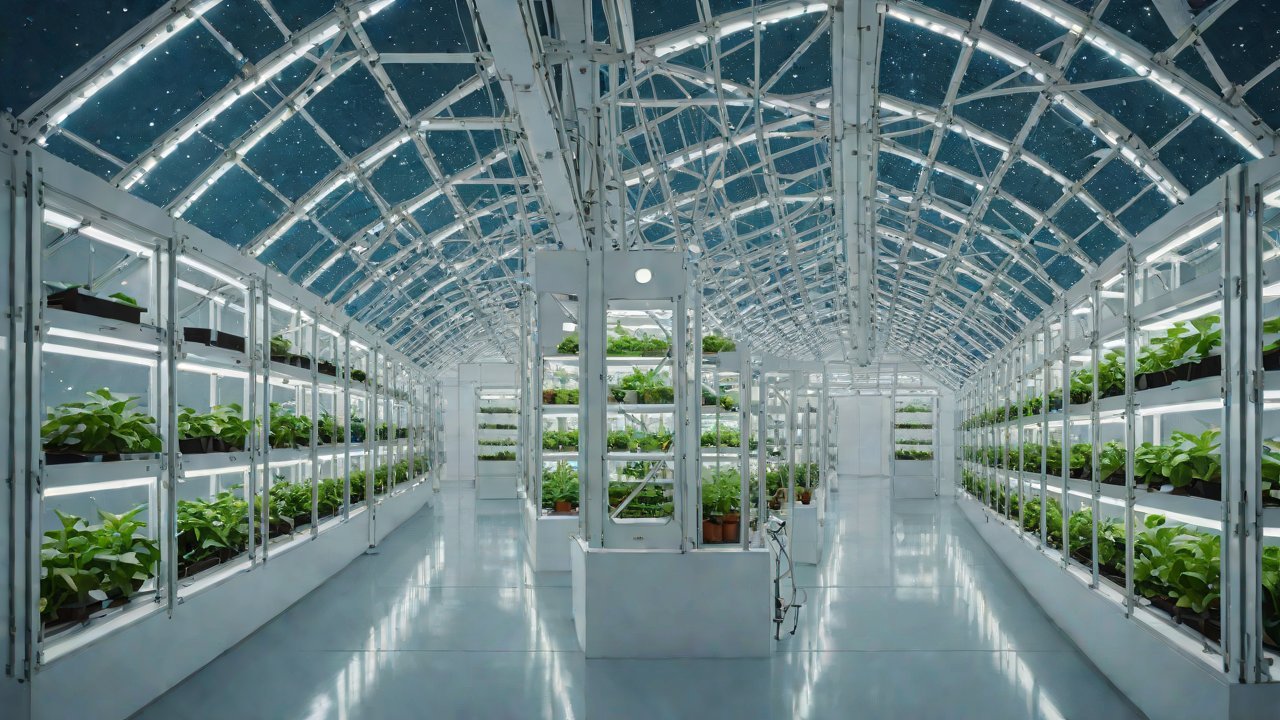
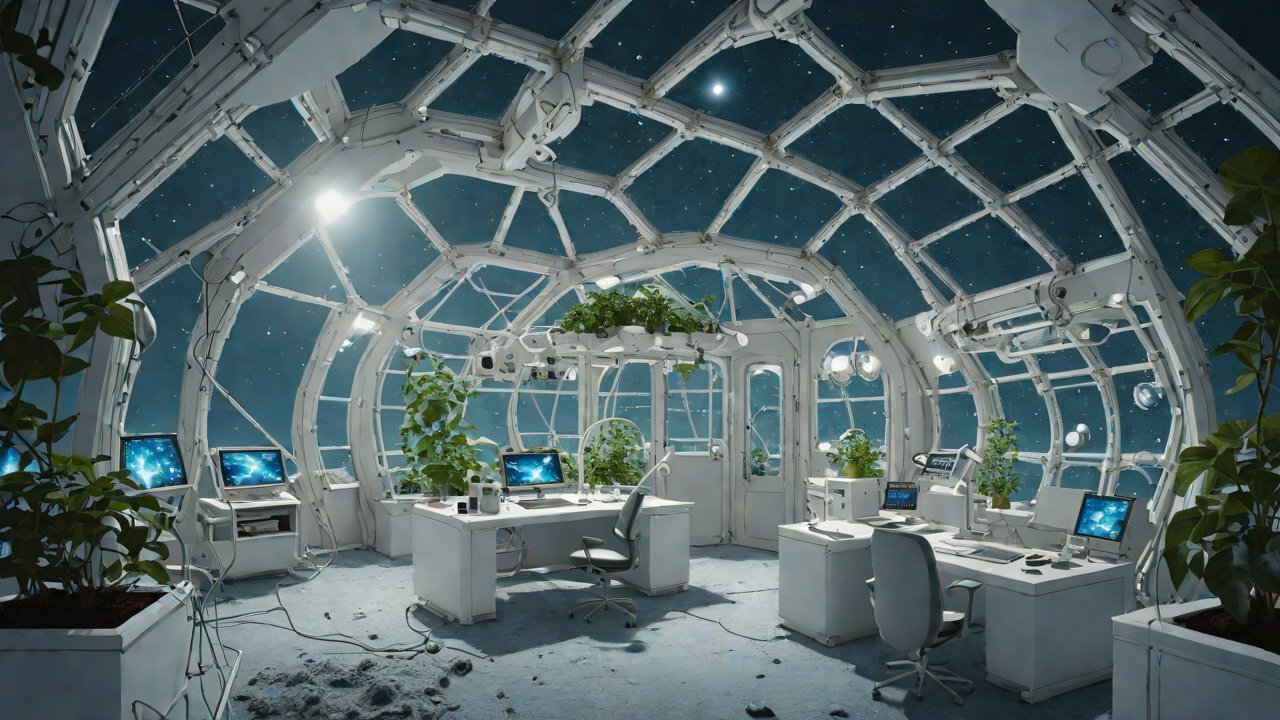
A lunar greenhouse is an enclosed, pressurized environment designed to support plant growth and potentially even animal life on the Moon’s surface. The primary objectives of such a facility include:
• Food production: Providing sustenance for future lunar missions and establishing a reliable food source
• Closed-loop ecosystems: Demonstrating the feasibility of self-sustaining environments that minimize reliance on Earth-based resources
• Scientific research: Enabling cutting-edge studies on plant growth, radiation resistance, and other phenomena relevant to space exploration
However, detecting life within this controlled environment poses significant technical hurdles. Traditional sensors used in terrestrial settings are often ineffective or even counterproductive in the vacuum of space.
2. Challenges of Sensing Life in a Vacuum
The harsh conditions on the Moon’s surface present unique challenges for sensing life:
• Pressure and temperature extremes: The lunar environment is characterized by extreme pressure fluctuations (vacuum to atmospheric) and temperature variations (day-night cycles)
• Radiation exposure: Cosmic radiation and solar flares pose significant threats to both plant growth and electronic equipment
• Atmospheric composition: The absence of a breathable atmosphere makes traditional gas sensors ineffective
3. Solutions for Sensing Life in a Vacuum
To overcome these challenges, innovative solutions are being explored:
3.1 Advanced Sensor Technologies
Emerging sensor technologies offer promising alternatives to traditional methods:
| Sensor Type | Description |
|---|---|
| Optical sensors: Utilize light scattering or fluorescence to detect changes in plant physiology | |
| Acoustic sensors: Monitor sound waves emitted by plants as they respond to environmental stimuli | |
| Electrochemical sensors: Detect chemical changes in the environment, such as pH fluctuations |
3.2 Machine Learning and AI-Powered Monitoring
Machine learning (ML) and artificial intelligence (AI) can enhance sensor performance and enable real-time monitoring:
| ML/AI Technique | Application |
|---|---|
| Anomaly detection: Identify unusual patterns in sensor data to detect potential issues or anomalies | |
| Predictive maintenance: Use historical data to forecast equipment failures and schedule maintenance |
4. Internet of Things (IoT) Integration
The IoT plays a critical role in connecting sensors, monitoring systems, and control mechanisms within the lunar greenhouse:
4.1 Network Architecture
A robust network infrastructure is essential for seamless communication between devices:
| Component | Description |
|---|---|
| Gateway: Serves as the interface between the lunar greenhouse’s internal network and external communication channels | |
| Routers: Manage data transmission between nodes within the network |
4.2 Data Analytics and Visualization

Real-time data analytics and visualization enable informed decision-making:
| Tool/Platform | Description |
|---|---|
| Data platforms: Store, process, and analyze large datasets from various sensors and systems | |
| Visualization software: Present complex data insights in an intuitive, user-friendly format |
5. Implementation Roadmap
Establishing a functional lunar greenhouse requires careful planning and phased implementation:
5.1 Research and Development (R&D)
Preliminary R&D efforts focus on developing advanced sensor technologies and ML/AI-powered monitoring systems.
5.2 Proof-of-Concept (PoC) Phase
A small-scale PoC facility will be constructed to test and refine the integrated system.
5.3 Large-Scale Deployment
The successful completion of the PoC phase will pave the way for a full-scale lunar greenhouse, marking a significant milestone in humanity’s pursuit of a sustainable presence on the Moon.
6. Conclusion
Sensing life in a vacuum is an intricate challenge that demands innovative solutions and cutting-edge technologies. By integrating advanced sensor technologies, ML/AI-powered monitoring, and IoT connectivity, we can overcome the hurdles associated with detecting life within the lunar greenhouse environment. As humanity sets its sights on the Moon’s surface, this pioneering endeavor will not only provide invaluable insights into plant growth and radiation resistance but also serve as a beacon for our next great leap – establishing a thriving, self-sustaining presence in space.
IOT Cloud Platform
IOT Cloud Platform is an IoT portal established by a Chinese IoT company, focusing on technical solutions in the fields of agricultural IoT, industrial IoT, medical IoT, security IoT, military IoT, meteorological IoT, consumer IoT, automotive IoT, commercial IoT, infrastructure IoT, smart warehousing and logistics, smart home, smart city, smart healthcare, smart lighting, etc.
The IoT Cloud Platform blog is a top IoT technology stack, providing technical knowledge on IoT, robotics, artificial intelligence (generative artificial intelligence AIGC), edge computing, AR/VR, cloud computing, quantum computing, blockchain, smart surveillance cameras, drones, RFID tags, gateways, GPS, 3D printing, 4D printing, autonomous driving, etc.