Smart Transportation: Urban Intersection Collaboration Solution Based on V2X Technology
In the heart of urban metropolises, where congestion and pollution have become endemic, a revolution is brewing in the realm of transportation. The convergence of Vehicle-to-Everything (V2X) technology with smart infrastructure is poised to transform the way cities navigate their intersections. This synergy has given birth to an innovative solution that promises to mitigate traffic jams, reduce emissions, and enhance road safety.
At the core of this transformation lies V2X communication, which enables vehicles to share real-time data with other vehicles, pedestrians, and infrastructure. This exchange of information empowers all stakeholders to make informed decisions, thereby optimizing traffic flow and reducing congestion. By leveraging V2X technology, urban intersections can become hubs of intelligent collaboration, where every vehicle is connected and aware of its surroundings.
1. Market Landscape
The global V2X market is projected to reach $13.6 billion by 2025, growing at a CAGR of 22.3% from 2020 to 2025 (Source: MarketsandMarkets). This growth can be attributed to the increasing adoption of connected and autonomous vehicles, as well as governments’ initiatives to improve road safety and reduce congestion.
| Region | Market Size (2020) | CAGR (2020-2025) |
|---|---|---|
| North America | $2.3 billion | 23.1% |
| Europe | $2.5 billion | 22.5% |
| Asia-Pacific | $4.2 billion | 24.8% |
| Rest of the World | $4.6 billion | 20.9% |
2. Technical Overview
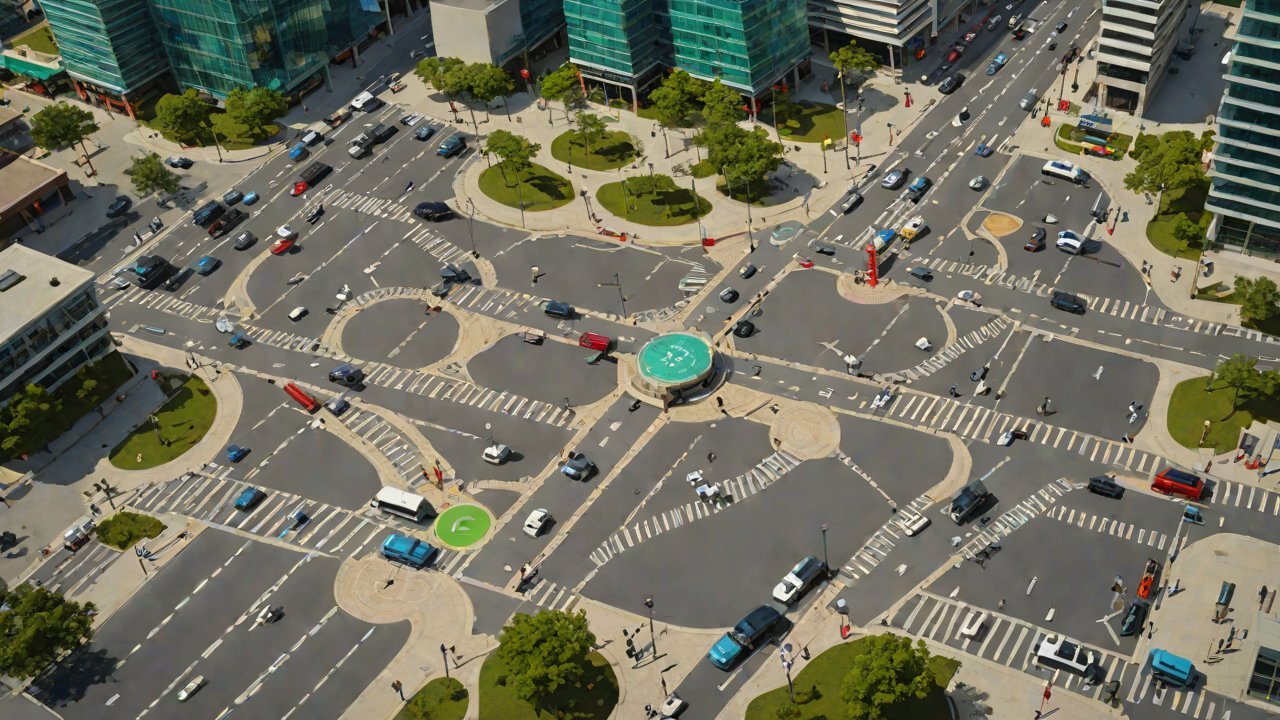
The V2X communication stack is comprised of three primary components:
- On-Board Unit (OBU): The OBU is a hardware component installed in vehicles, responsible for transmitting and receiving data to/from the surrounding environment.
- Roadside Unit (RSU): The RSU is an infrastructure element that provides connectivity between vehicles and the cloud, facilitating data exchange and processing.
- Cloud Infrastructure: The cloud serves as the central hub for data storage, analysis, and decision-making.
| Component | Description |
|---|---|
| OBU | Transmits/receives V2X data to/from surrounding environment |
| RSU | Provides connectivity between vehicles and cloud infrastructure |
| Cloud Infrastructure | Central hub for data storage, analysis, and decision-making |
3. Urban Intersection Collaboration
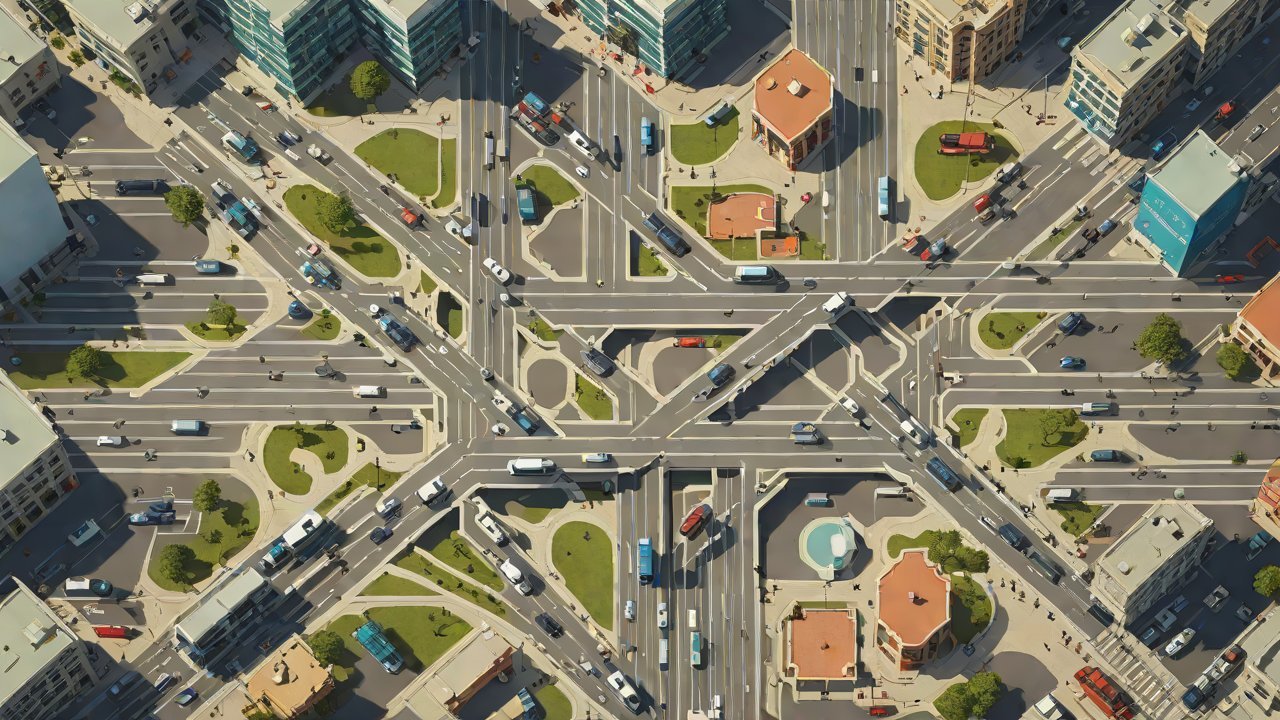
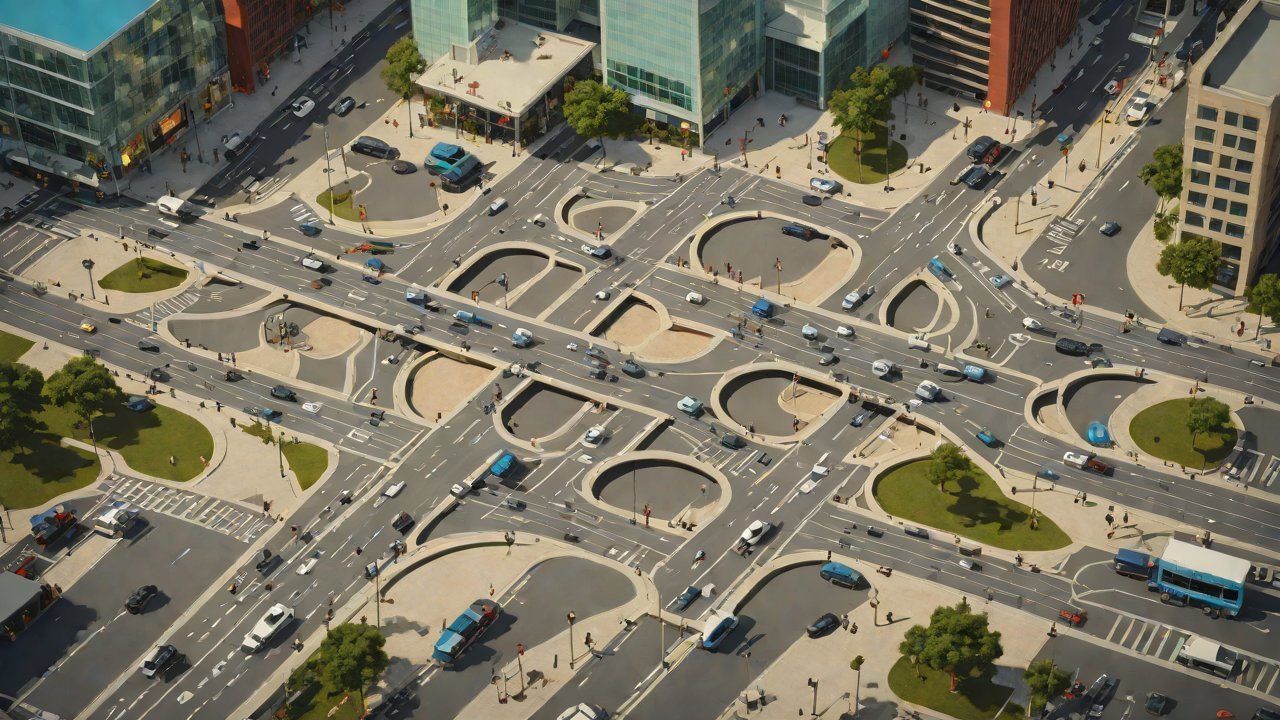
At the heart of this solution lies the urban intersection, where multiple stakeholders converge. By integrating V2X technology, intersections can become hubs of collaboration, enabling real-time communication between vehicles, pedestrians, and infrastructure.
| Stakeholder | V2X Communication |
|---|---|
| Vehicles | Share location, speed, and intentions with surrounding environment |
| Pedestrians | Receive alerts and instructions from infrastructure to ensure safe crossing |
| Infrastructure | Provide real-time information on traffic conditions and road safety |
4. Benefits and Applications
The V2X-based urban intersection collaboration solution offers numerous benefits and applications:
- Improved Road Safety: Reduced congestion, lower emissions, and enhanced awareness of surroundings.
- Enhanced Traffic Efficiency: Optimized traffic flow through real-time data exchange and informed decision-making.
- Increased Productivity: Reduced travel times, lower fuel consumption, and improved overall quality of life.
| Benefit/Application | Description |
|---|---|
| Improved Road Safety | Reduced congestion, lower emissions, enhanced awareness |
| Enhanced Traffic Efficiency | Optimized traffic flow through real-time data exchange |
| Increased Productivity | Reduced travel times, lower fuel consumption |
5. Challenges and Future Directions
While the V2X-based urban intersection collaboration solution holds immense promise, several challenges need to be addressed:
- Standardization: Ensuring compatibility across different vehicle and infrastructure manufacturers.
- Security: Protecting against potential cyber threats and data breaches.
- Scalability: Integrating with existing infrastructure and adapting to changing urban landscapes.
| Challenge | Description |
|---|---|
| Standardization | Ensuring compatibility across manufacturers |
| Security | Protecting against cyber threats and data breaches |
| Scalability | Integrating with existing infrastructure |
6. Conclusion
The V2X-based urban intersection collaboration solution represents a paradigm shift in transportation, prioritizing safety, efficiency, and productivity. By harnessing the power of connected vehicles and smart infrastructure, cities can become more livable, sustainable, and resilient. As this technology continues to evolve, it is essential to address the challenges ahead, ensuring seamless integration and widespread adoption.
Recommendations
- Encourage Standardization: Foster collaboration among manufacturers to establish common standards for V2X communication.
- Invest in Security Measures: Develop robust security protocols to safeguard against potential threats.
- Foster Public-Private Partnerships: Leverage partnerships between government, industry, and academia to drive innovation and implementation.
By embracing this vision of smart transportation, cities can unlock a brighter future for their residents, setting the stage for a more sustainable, connected, and prosperous tomorrow.
IOT Cloud Platform
IOT Cloud Platform is an IoT portal established by a Chinese IoT company, focusing on technical solutions in the fields of agricultural IoT, industrial IoT, medical IoT, security IoT, military IoT, meteorological IoT, consumer IoT, automotive IoT, commercial IoT, infrastructure IoT, smart warehousing and logistics, smart home, smart city, smart healthcare, smart lighting, etc.
The IoT Cloud Platform blog is a top IoT technology stack, providing technical knowledge on IoT, robotics, artificial intelligence (generative artificial intelligence AIGC), edge computing, AR/VR, cloud computing, quantum computing, blockchain, smart surveillance cameras, drones, RFID tags, gateways, GPS, 3D printing, 4D printing, autonomous driving, etc.