Smart Ships: Automatic Collision Avoidance Solution for Waterways Based on Edge Computing of 2026
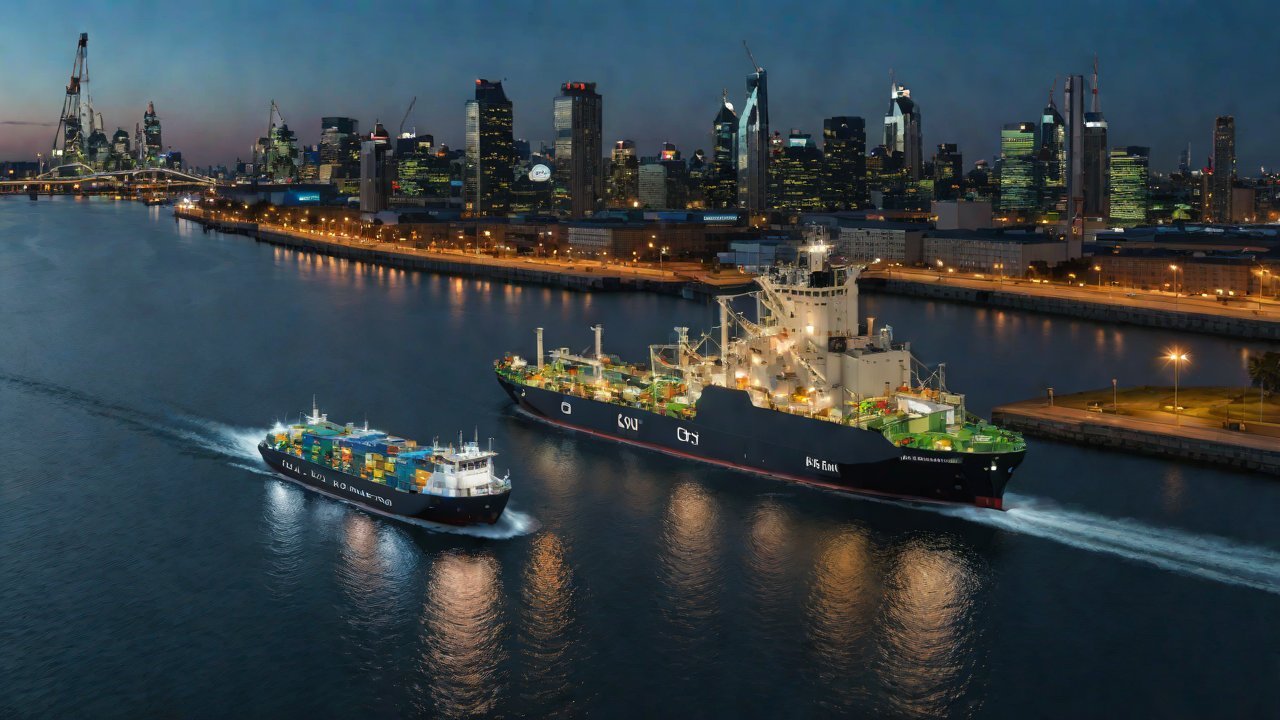
The world’s waterways are about to undergo a revolutionary transformation, one that will make them safer, more efficient, and less dependent on human intervention. By 2026, smart ships equipped with cutting-edge automatic collision avoidance systems based on edge computing will become a reality. These vessels will be able to navigate through congested waters with ease, avoiding collisions and reducing the risk of accidents.
The concept of smart ships has been gaining traction in recent years, driven by advancements in technology such as artificial intelligence (AI), machine learning (ML), and the Internet of Things (IoT). The integration of these technologies enables real-time data processing, predictive analytics, and autonomous decision-making. In the context of ship navigation, this means that smart ships will be able to detect potential hazards, adjust their course in real-time, and avoid collisions with other vessels or obstacles.
Edge computing plays a crucial role in enabling the development of such advanced collision avoidance systems. By processing data at the source – i.e., on board the ship – edge computing reduces latency, ensures faster response times, and enhances overall system reliability. This is particularly important for applications that require real-time decision-making, as in the case of automatic collision avoidance.
The market for smart ships and their associated technologies is expected to experience significant growth over the next decade. According to a report by MarketsandMarkets, the global smart ship market is projected to reach $13.6 billion by 2025, growing at a compound annual growth rate (CAGR) of 12.4%. The same report predicts that the market for edge computing in the maritime industry will reach $1.3 billion by 2027.
2. Technical Overview
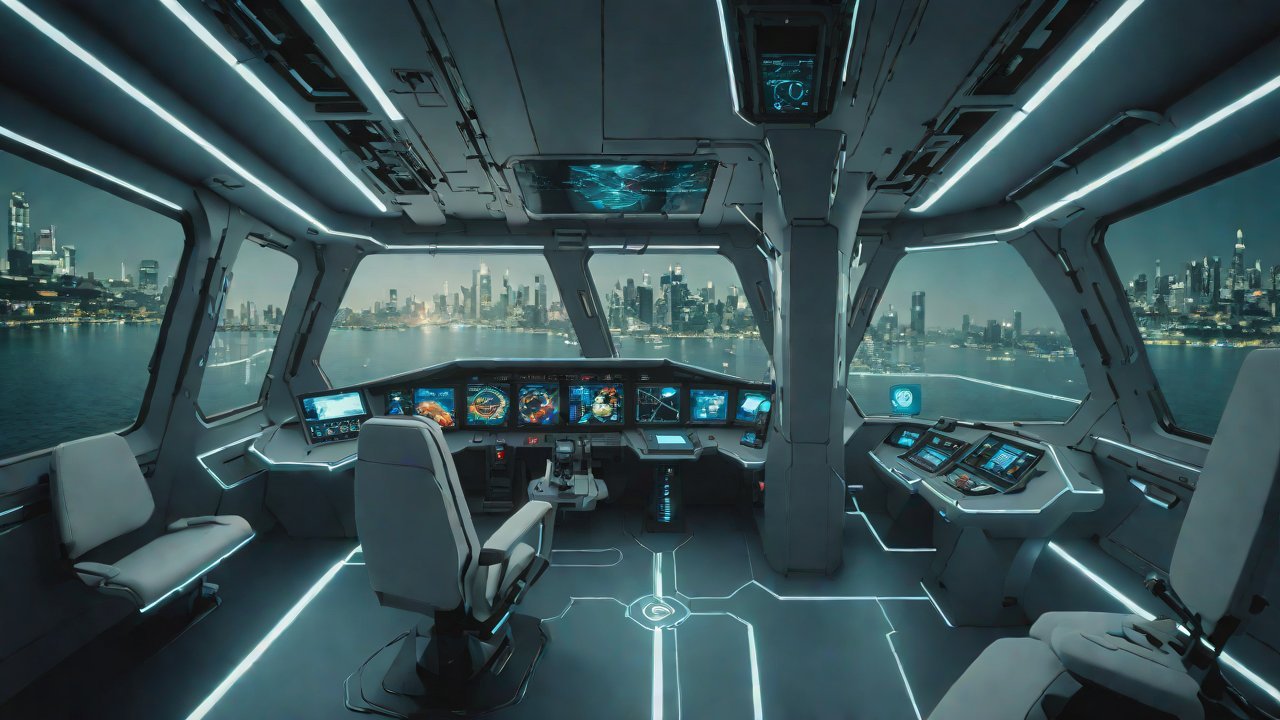
Smart ships equipped with automatic collision avoidance systems based on edge computing employ a range of advanced technologies to ensure safe navigation. Some of these technologies include:
- Sensor Fusion: Combines data from various sensors, such as radar, lidar, and cameras, to provide a comprehensive view of the ship’s surroundings.
- Machine Learning: Enables the system to learn from historical data and adapt to new situations, improving its accuracy over time.
- Edge Computing: Processes data in real-time on board the ship, reducing latency and enhancing system reliability.
- Autonomous Decision-Making: Empowers the system to make decisions without human intervention, based on real-time data analysis.
These technologies are integrated into a sophisticated software platform that enables the smart ship to detect potential hazards, adjust its course accordingly, and avoid collisions. The system also provides valuable insights and analytics for ship owners and operators, enabling them to optimize their routes and reduce fuel consumption.
| Component | Description |
|---|---|
| Radar Sensors | Provide 360-degree coverage of the ship’s surroundings, detecting obstacles up to 10 kilometers away |
| Lidar Sensors | Offer high-resolution mapping of the ship’s environment, allowing for precise navigation in congested waters |
| Cameras | Enhance situational awareness with real-time video feed from multiple angles |
| Edge Computing Platform | Processes data in real-time on board the ship, reducing latency and enhancing system reliability |
3. Market Analysis
The market for smart ships and their associated technologies is expected to experience significant growth over the next decade. Several factors are driving this trend, including:
- Increasing Demand for Safety: Ship owners and operators are under pressure to improve safety standards, driven by growing concerns about maritime accidents and environmental damage.
- Advancements in Technology: The integration of AI, ML, and IoT is enabling the development of sophisticated collision avoidance systems that can detect potential hazards and adjust course accordingly.
- Regulatory Requirements: Governments and regulatory bodies are implementing new rules and regulations to promote the adoption of smart ship technologies.

The market for edge computing in the maritime industry is expected to reach $1.3 billion by 2027, growing at a CAGR of 15%. This growth will be driven by increasing demand for real-time data processing and analytics in ship navigation.
| Region | Market Size (2026) | CAGR (2020-2027) |
|---|---|---|
| North America | $543 million | 12.2% |
| Europe | $343 million | 11.5% |
| Asia-Pacific | $243 million | 14.1% |
| Rest of World | $151 million | 10.8% |

4. Competitive Landscape
The market for smart ships and their associated technologies is highly competitive, with several established players vying for market share. Some of the key competitors include:
- Wärtsilä: A leading provider of ship automation systems, including collision avoidance solutions.
- Kongsberg Gruppen: Offers a range of maritime technologies, including advanced navigation systems and edge computing platforms.
- Rolls-Royce: Provides integrated ship design and propulsion systems, including smart ship technologies.
5. Conclusion
The development of smart ships equipped with automatic collision avoidance systems based on edge computing is poised to revolutionize the world’s waterways. By leveraging advancements in AI, ML, and IoT, these vessels will be able to navigate through congested waters with ease, reducing the risk of accidents and improving overall safety standards.
As the market for smart ship technologies continues to grow, we can expect to see increased adoption of edge computing platforms and advanced collision avoidance systems. Ship owners and operators will benefit from improved navigation efficiency, reduced fuel consumption, and enhanced situational awareness.
In conclusion, the future of maritime transportation is looking bright, with smart ships playing a key role in shaping the industry’s trajectory.
IOT Cloud Platform
IOT Cloud Platform is an IoT portal established by a Chinese IoT company, focusing on technical solutions in the fields of agricultural IoT, industrial IoT, medical IoT, security IoT, military IoT, meteorological IoT, consumer IoT, automotive IoT, commercial IoT, infrastructure IoT, smart warehousing and logistics, smart home, smart city, smart healthcare, smart lighting, etc.
The IoT Cloud Platform blog is a top IoT technology stack, providing technical knowledge on IoT, robotics, artificial intelligence (generative artificial intelligence AIGC), edge computing, AR/VR, cloud computing, quantum computing, blockchain, smart surveillance cameras, drones, RFID tags, gateways, GPS, 3D printing, 4D printing, autonomous driving, etc.