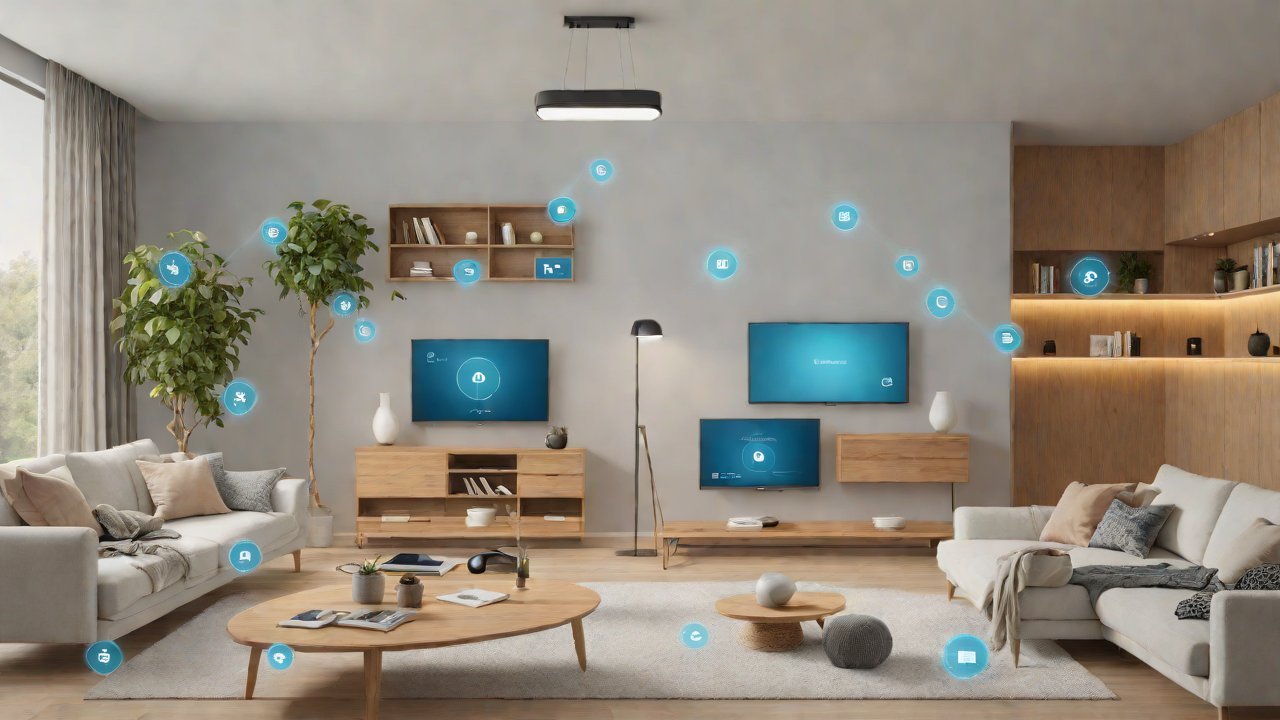
Smart Home IoT Sensor Kits
The proliferation of Internet of Things (IoT) devices has led to a significant increase in the adoption of smart home technologies, enabling homeowners to control and monitor various aspects of their living spaces remotely. At the heart of these systems are sensor kits, which provide real-time data on temperature, humidity, light levels, motion, and other environmental factors. These kits have become essential components of modern smart homes, offering unparalleled convenience, energy efficiency, and enhanced security.
1. Market Landscape
The market for smart home IoT sensor kits is experiencing rapid growth, driven by increasing consumer demand for connected living solutions. According to a report by MarketsandMarkets, the global smart home sensor market size is projected to reach $4.8 billion by 2025, growing at a Compound Annual Growth Rate (CAGR) of 18.6% from 2020 to 2025.
| Region | Market Size (2020) | Projected Market Size (2025) |
|---|---|---|
| North America | $1.2 billion | $3.4 billion |
| Europe | $820 million | $2.2 billion |
| Asia-Pacific | $540 million | $1.8 billion |
2. Key Components and Technologies
Smart home IoT sensor kits typically comprise a range of sensors, each designed to detect specific environmental factors. These include:
- Temperature and humidity sensors (e.g., DHT11, BME280)
- Light-level sensors (e.g., BH1750, VL53L0X)
- Motion detectors (e.g., PIR, infrared)
- Air quality sensors (e.g., MQ135, CO2)
- Noise level sensors (e.g., MP34DT01)

These sensors are often paired with microcontrollers (MCUs) or single-board computers (SBCs), such as the Arduino Uno or Raspberry Pi, which process and transmit data to a central hub or cloud-based platform.
| Sensor Type | Accuracy Range |
|---|---|
| Temperature (DHT11) | ±1°C (-40°C to 80°C) |
| Humidity (BME280) | ±3% RH (0-100% RH) |
3. Protocols and Communication Standards
Smart home IoT sensor kits rely on various communication protocols to transmit data between devices and the cloud. Common standards include:
- Zigbee
- Z-Wave
- Bluetooth Low Energy (BLE)
- Wi-Fi
- Thread
These protocols enable seamless integration with popular smart home platforms, such as Apple HomeKit, Amazon Alexa, and Google Assistant.
| Protocol | Data Rate |
|---|---|
| Zigbee | 40 kbps to 250 kbps |
| Z-Wave | 9.6 kbps to 400 kbps |

4. Security Considerations
As with any IoT device, smart home sensor kits pose security risks if not properly configured or maintained. Potential threats include:
- Unauthorized access to data and systems
- Malware infections
- Denial-of-Service (DoS) attacks
To mitigate these risks, manufacturers must implement robust security measures, such as encryption, secure boot mechanisms, and firmware updates.
5. Emerging Trends and Opportunities
The smart home IoT sensor market is expected to witness significant growth driven by emerging trends and opportunities:
- Integration with emerging technologies like Artificial Intelligence (AI) and Machine Learning (ML)
- Increased adoption of edge computing and fog computing
- Growing demand for energy-efficient and sustainable living solutions
- Expansion into new markets, such as commercial and industrial settings
6. Competitive Landscape
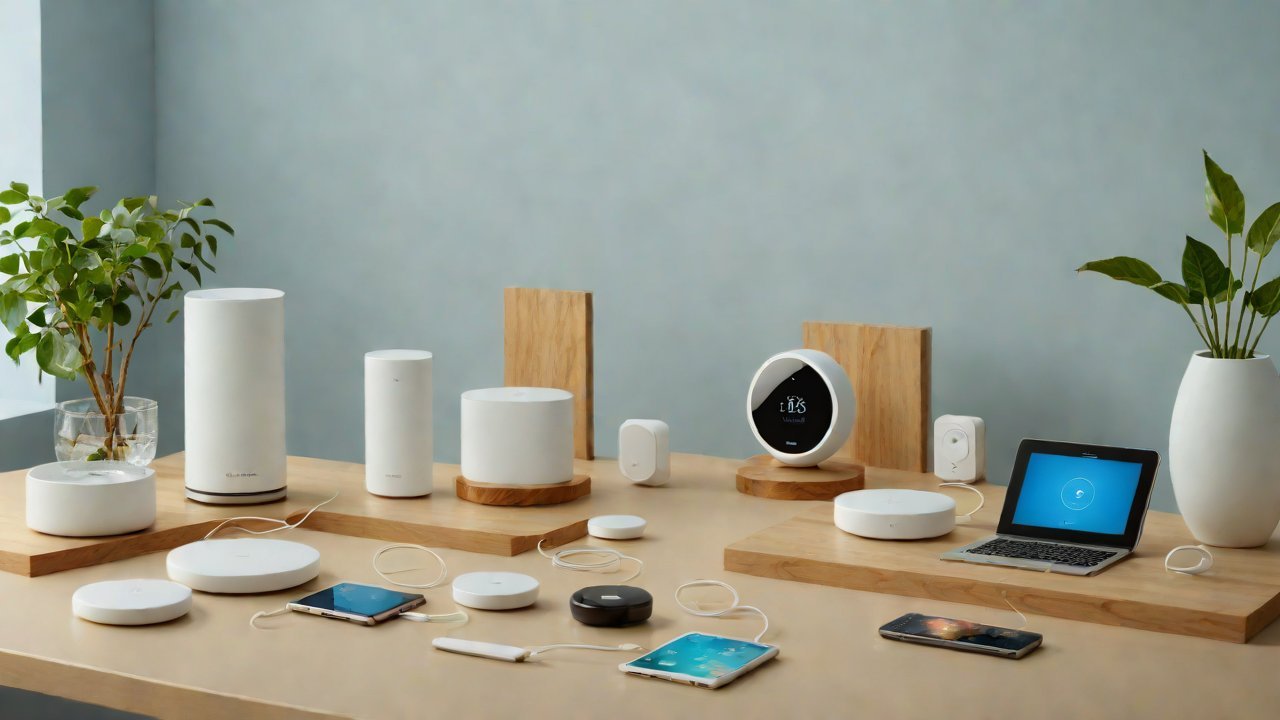
The smart home IoT sensor market is highly competitive, with numerous manufacturers vying for market share. Key players include:
- Belkin (WeMo)
- Philips Hue
- Samsung SmartThings
- Nest (Alphabet Inc.)
- IKEA Home Smart
These companies offer a range of products and services, from individual sensors to comprehensive smart home systems.
| Company | Product/Service Offerings |
|---|---|
| Belkin (WeMo) | WeMo Insight Smart Plug, WeMo Bridge |
| Philips Hue | White and Color LED bulbs, Hue Hub |
| Samsung SmartThings | SmartThings Hub, various sensors and devices |
7. Conclusion
Smart home IoT sensor kits have become an essential component of modern living spaces, offering unparalleled convenience, energy efficiency, and enhanced security. As the market continues to grow, driven by emerging trends and opportunities, manufacturers must prioritize robust security measures and innovative product development to remain competitive.
The proliferation of smart home technologies has transformed the way we live, work, and interact with our surroundings. With the increasing adoption of IoT devices and sensor kits, it is clear that this trend will continue to shape the future of smart living.
IOT Cloud Platform
IOT Cloud Platform is an IoT portal established by a Chinese IoT company, focusing on technical solutions in the fields of agricultural IoT, industrial IoT, medical IoT, security IoT, military IoT, meteorological IoT, consumer IoT, automotive IoT, commercial IoT, infrastructure IoT, smart warehousing and logistics, smart home, smart city, smart healthcare, smart lighting, etc.
The IoT Cloud Platform blog is a top IoT technology stack, providing technical knowledge on IoT, robotics, artificial intelligence (generative artificial intelligence AIGC), edge computing, AR/VR, cloud computing, quantum computing, blockchain, smart surveillance cameras, drones, RFID tags, gateways, GPS, 3D printing, 4D printing, autonomous driving, etc.