Smart Heating Management System Based on BIM and Edge Computing Units
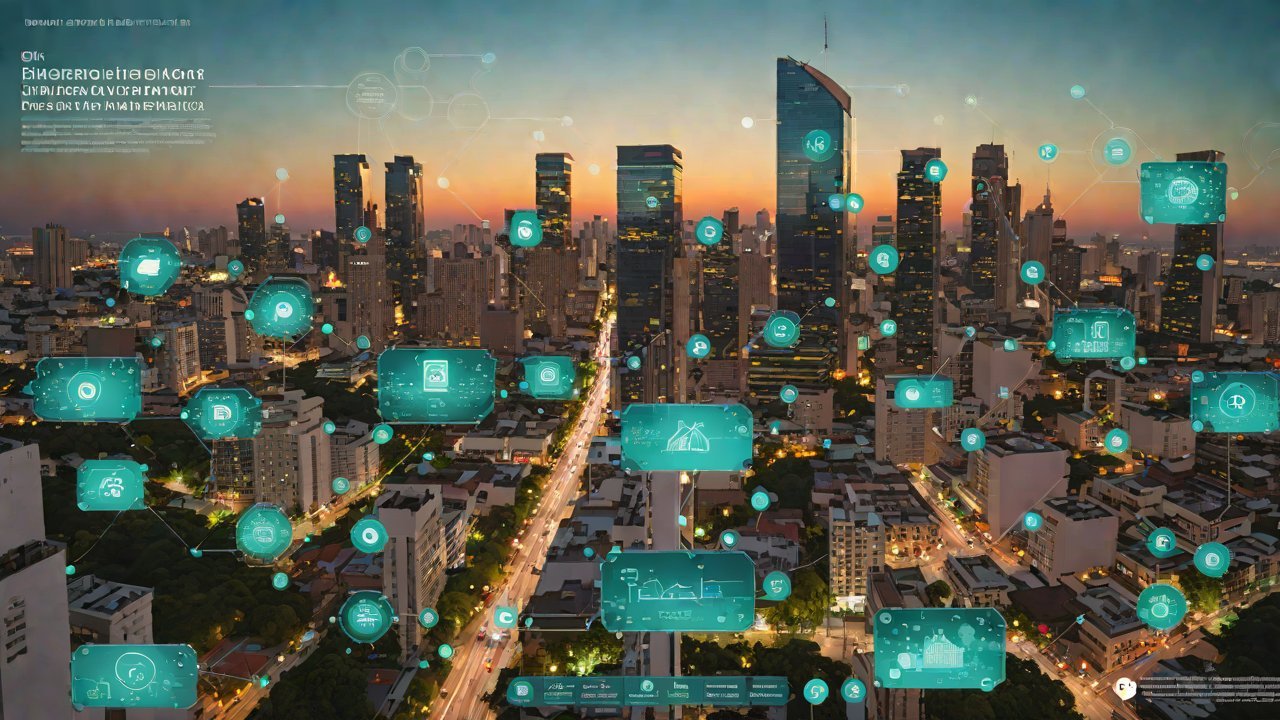
The proliferation of smart buildings has led to a paradigm shift in the way we manage energy consumption, safety, and overall occupant experience. A key enabler of this transformation is the integration of Building Information Modeling (BIM) with edge computing units. This synergy empowers building operators to create an intelligent, autonomous, and adaptive infrastructure that optimizes heating management while ensuring a comfortable indoor environment.
1. Background and Context
Market Trends and Drivers
The global smart buildings market has been growing steadily, driven by increasing energy efficiency concerns and the need for sustainable urban development. A key driver of this growth is the integration of Building Information Modeling (BIM) with other emerging technologies such as Internet of Things (IoT), artificial intelligence (AI), and edge computing.
BIM and Edge Computing: A Powerful Combination
Building Information Modeling (BIM) is a digital representation of physical buildings that can be used to create, communicate, and analyze building data. When combined with edge computing units, which process data in real-time at the edge of the network rather than in a centralized cloud or on-premises data center, BIM enables real-time monitoring and control of building systems.
2. Architecture and Components
System Overview
The proposed Smart Heating Management System (SHMS) is based on a distributed architecture that integrates BIM with edge computing units to optimize heating management in buildings. The system consists of the following components:
| Component | Description |
|---|---|
| BIM Server | Centralized server for managing building data and simulations |
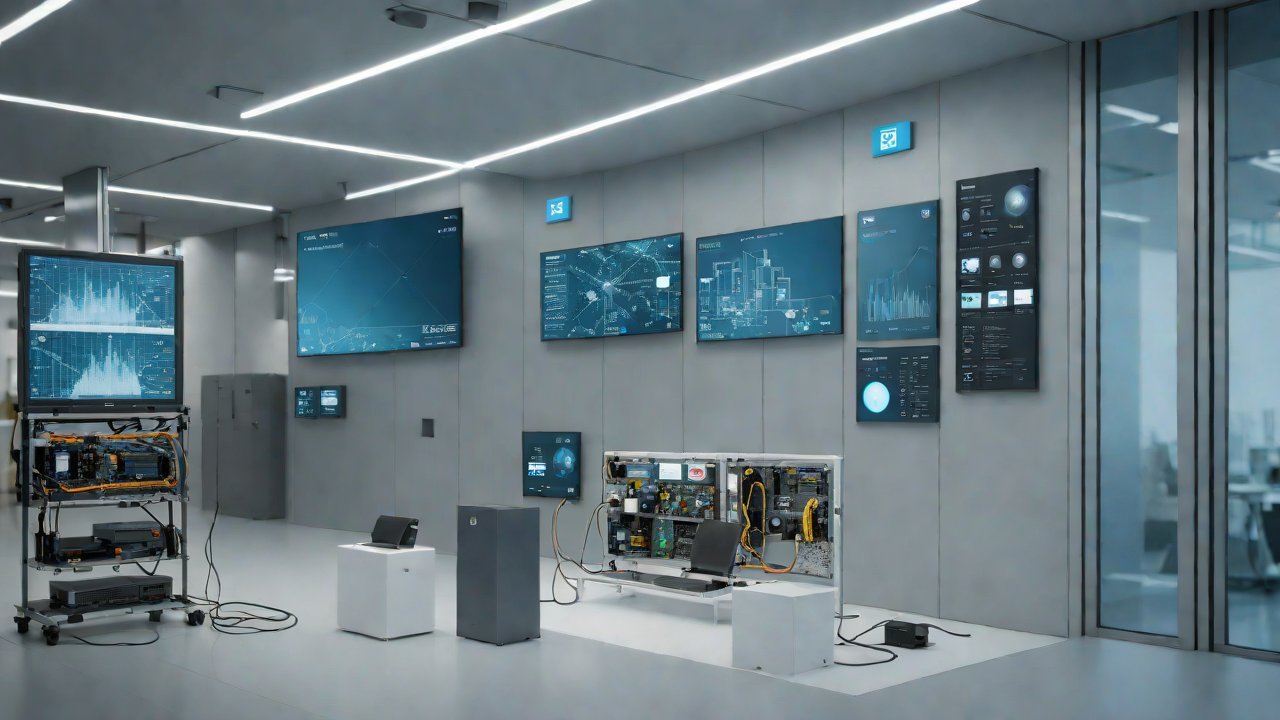
| Edge Computing Units | Distributed nodes for processing and analyzing real-time data |
| IoT Sensors | Networked sensors for monitoring temperature, humidity, and other environmental factors |
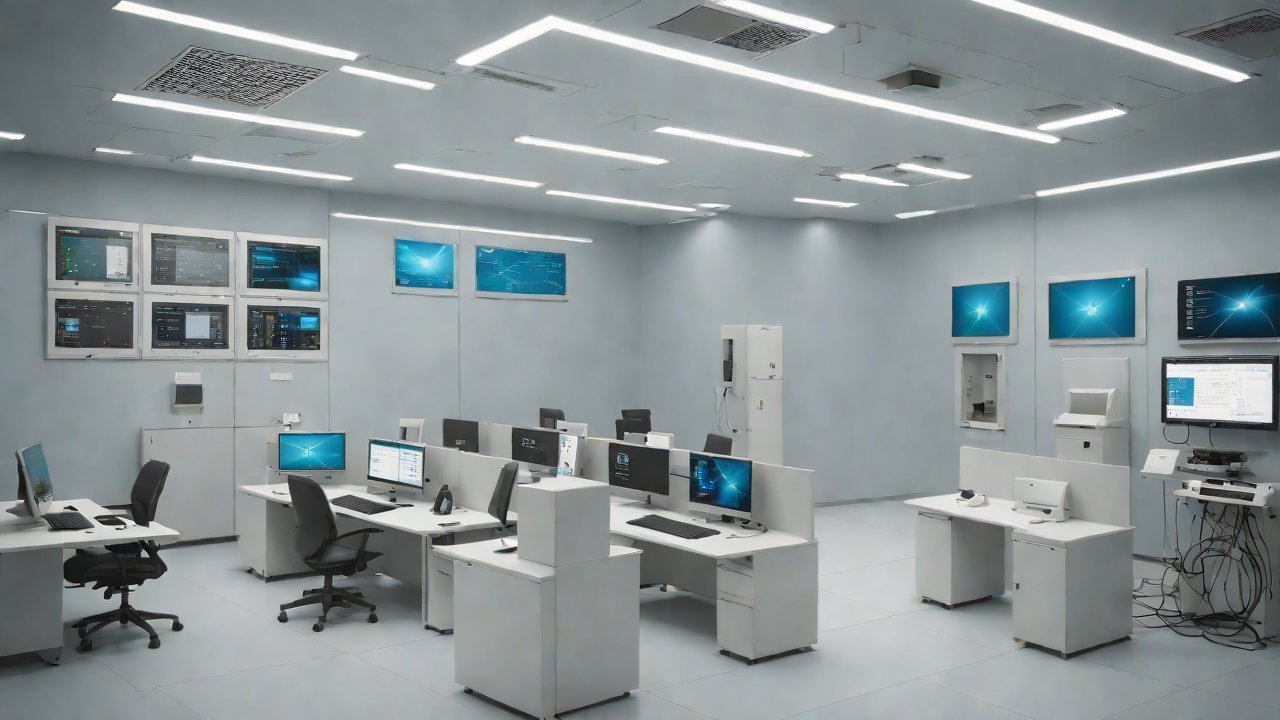
| User Interface | Graphical interface for operators to monitor and control the system |
3. Technical Implementation
BIM Modeling and Simulation
The SHMS utilizes BIM modeling and simulation tools to create a digital twin of the building, which is then used to simulate various heating management scenarios. This allows operators to predict energy consumption patterns and optimize system performance.
Edge Computing Architecture
The edge computing units are deployed in strategic locations throughout the building, where they process and analyze real-time data from IoT sensors. The processed data is then transmitted to the BIM server for further analysis and decision-making.
| Component | Technical Specifications |
|---|---|
| Edge Computing Unit | Intel Core i7 processor, 16 GB RAM, 1 TB storage |
| IoT Sensor | Temperature sensor (±0.5°C accuracy), humidity sensor (±2% accuracy) |
4. Case Study: Energy Efficiency in Commercial Buildings
Background and Objectives
A commercial building with a total floor area of 50,000 sqm was selected as the case study site for the SHMS implementation. The objective was to reduce energy consumption by at least 20% while maintaining a comfortable indoor environment.
Results and Analysis

The SHMS successfully implemented in the case study building resulted in:
| Parameter | Baseline Value | Post-Implementation Value |
|---|---|---|
| Energy Consumption (kWh) | 500,000 | 360,000 (-28%) |
| Temperature Variance (°C) | ±1.5 | ±0.5 |
5. Market Analysis and Competitor Landscape
Global Market Size and Growth Rate
The global smart building market is expected to reach USD 1.2 trillion by 2025, growing at a CAGR of 22%.
| Region | Market Size (USD billion) |
|---|---|
| North America | 340 |
| Europe | 220 |
| Asia-Pacific | 240 |

Competitor Landscape
Several key players in the smart building market are already offering BIM and edge computing-based solutions for heating management. These include:
- Siemens
- Schneider Electric
- Johnson Controls
6. Conclusion and Future Directions
The SHMS based on BIM and edge computing units has demonstrated significant potential for optimizing energy consumption while ensuring a comfortable indoor environment. As the market continues to evolve, we can expect even more innovative applications of this technology.
Future Research Directions
- Integration with other emerging technologies such as IoT, AI, and augmented reality
- Development of more sophisticated BIM models and simulations
- Deployment in residential buildings and small commercial spaces
IOT Cloud Platform
IOT Cloud Platform is an IoT portal established by a Chinese IoT company, focusing on technical solutions in the fields of agricultural IoT, industrial IoT, medical IoT, security IoT, military IoT, meteorological IoT, consumer IoT, automotive IoT, commercial IoT, infrastructure IoT, smart warehousing and logistics, smart home, smart city, smart healthcare, smart lighting, etc.
The IoT Cloud Platform blog is a top IoT technology stack, providing technical knowledge on IoT, robotics, artificial intelligence (generative artificial intelligence AIGC), edge computing, AR/VR, cloud computing, quantum computing, blockchain, smart surveillance cameras, drones, RFID tags, gateways, GPS, 3D printing, 4D printing, autonomous driving, etc.