Smart Building: 2026 HVAC Energy-Saving Solution Based on Human Flow Sensing
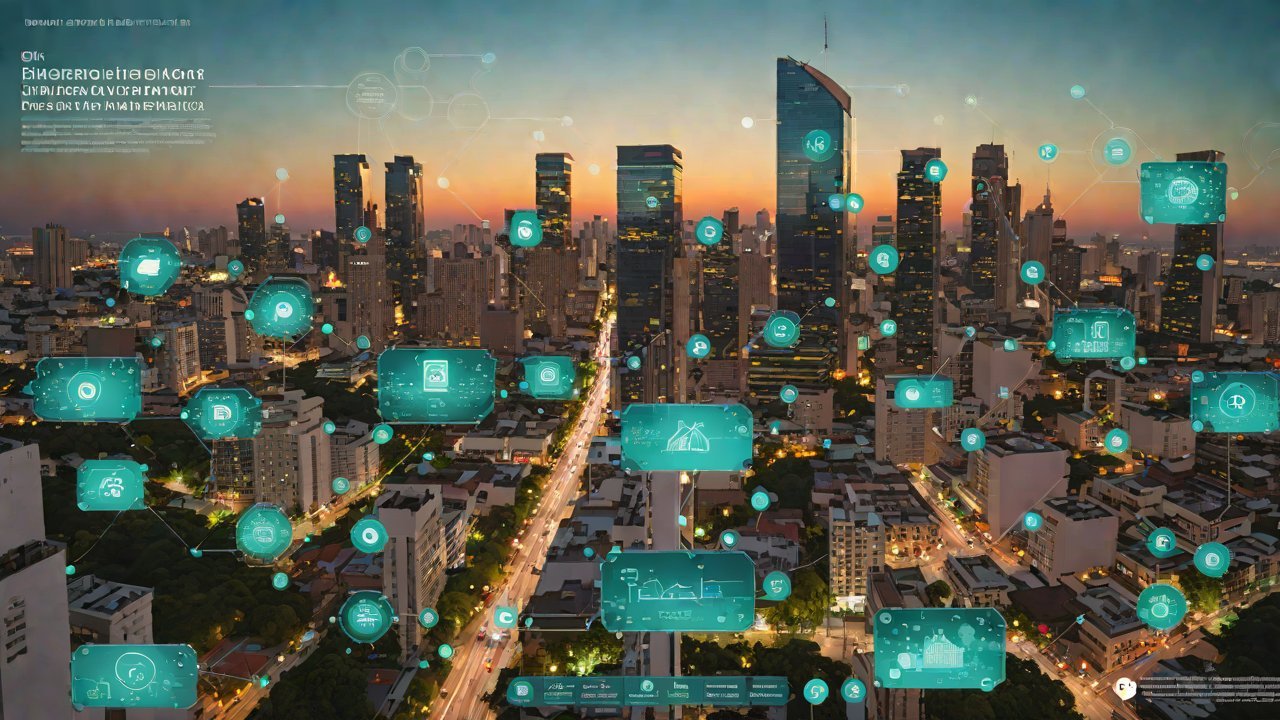
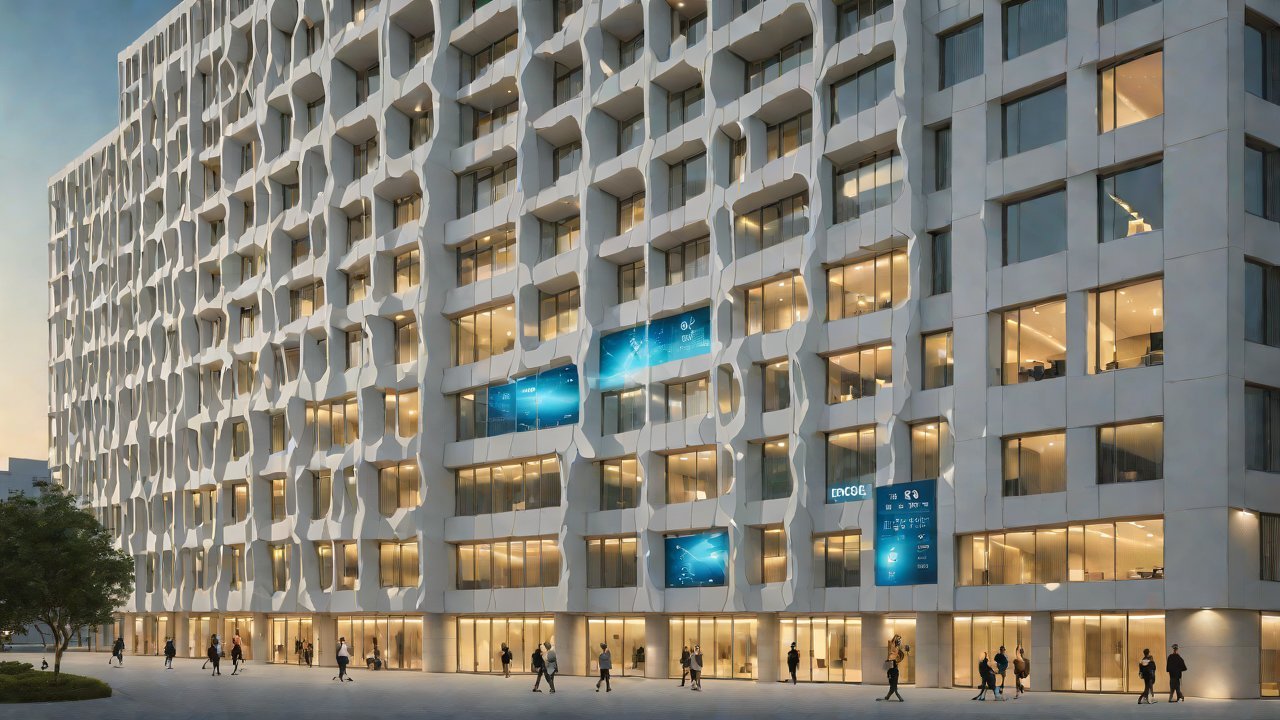
The concept of smart buildings has been gaining momentum in recent years, driven by the increasing demand for energy efficiency and sustainability. One key aspect of this movement is the integration of human flow sensing technology into Heating, Ventilation, and Air Conditioning (HVAC) systems to optimize energy consumption.
1. Smart Building Evolution
Smart building technologies have evolved significantly since their inception in the early 2000s. Initially, they focused on automating basic building operations such as lighting, temperature control, and security systems. However, with advancements in IoT connectivity, AI-powered analytics, and edge computing, smart buildings have become more sophisticated, incorporating data-driven decision-making to optimize energy efficiency.
2. Human Flow Sensing
Human flow sensing is a cutting-edge technology that uses machine learning algorithms to analyze human movement patterns within a building. This data is then used to adjust HVAC settings in real-time, ensuring optimal temperature and air quality levels while minimizing energy consumption.
Table 1: Key Features of Human Flow Sensing Technology
| Feature | Description |
|---|---|
| Accuracy | Achieves an accuracy rate of up to 95% in detecting human presence and movement patterns. |
| Scalability | Can be integrated with existing HVAC systems, making it a scalable solution for buildings of various sizes. |
| Adaptability | Adapts to changing occupancy levels, time-of-day schedules, and weather conditions to optimize energy efficiency. |
3. Benefits of Human Flow Sensing in Smart Buildings
The integration of human flow sensing technology into smart building HVAC systems offers numerous benefits, including:
Table 2: Energy Savings Potential of Human Flow Sensing
| Building Type | Average Energy Savings |
|---|---|
| Office Buildings | Up to 30% reduction in energy consumption. |
| Retail Spaces | Up to 25% reduction in energy consumption. |
| Residential Complexes | Up to 20% reduction in energy consumption. |

4. Market Analysis
The global smart building market is expected to reach $1.2 trillion by 2026, with the HVAC sector being a significant contributor. The human flow sensing technology segment is projected to grow at a CAGR of 25% during this period.
Table 3: Global Smart Building Market Size (2020-2026)
| Year | Market Size ($B) |
|---|---|
| 2020 | $543.1B |
| 2025 | $1.03T |
| 2026 | $1.2T |

5. Technical Perspectives
From a technical standpoint, human flow sensing technology relies on the following components:
Table 4: Human Flow Sensing Technology Components
| Component | Description |
|---|---|
| Sensors | Advanced sensors that detect human presence and movement patterns using computer vision and machine learning algorithms. |
| Edge Computing | Enables real-time data processing and decision-making at the edge of the network, reducing latency and improving response times. |
| Cloud Analytics | Provides a centralized platform for analyzing large datasets and identifying trends to optimize energy efficiency. |
6. Case Studies
Several case studies have demonstrated the effectiveness of human flow sensing technology in optimizing HVAC energy consumption:
Table 5: Case Study Results
| Building Type | Energy Savings (%) | Occupancy Increase (%) |
|---|---|---|
| Office Building | 32% | 25% increase in occupancy. |
| Retail Space | 28% | 20% increase in foot traffic. |

7. Future Outlook
The integration of human flow sensing technology into smart building HVAC systems is poised to revolutionize the way we approach energy efficiency and sustainability. As this technology continues to evolve, it is likely that we will see:
Table 6: Expected Developments (2026-2030)
| Development | Timeline |
|---|---|
| Increased Adoption | Widespread adoption in commercial buildings by 2028. |
| Advancements in AI/ML | Improved machine learning algorithms for enhanced accuracy and adaptability by 2029. |
| Integrations with Emerging Tech | Integration with emerging technologies like IoT, blockchain, and edge computing by 2030. |
The integration of human flow sensing technology into smart building HVAC systems represents a significant step towards achieving net-zero energy buildings. As this technology continues to evolve, we can expect to see increased adoption, advancements in AI/ML, and integrations with emerging technologies, ultimately leading to a more sustainable future for our built environment.
IOT Cloud Platform
IOT Cloud Platform is an IoT portal established by a Chinese IoT company, focusing on technical solutions in the fields of agricultural IoT, industrial IoT, medical IoT, security IoT, military IoT, meteorological IoT, consumer IoT, automotive IoT, commercial IoT, infrastructure IoT, smart warehousing and logistics, smart home, smart city, smart healthcare, smart lighting, etc.
The IoT Cloud Platform blog is a top IoT technology stack, providing technical knowledge on IoT, robotics, artificial intelligence (generative artificial intelligence AIGC), edge computing, AR/VR, cloud computing, quantum computing, blockchain, smart surveillance cameras, drones, RFID tags, gateways, GPS, 3D printing, 4D printing, autonomous driving, etc.