Safety of Elderly Living Alone: IoT Solution Based on Fall Detection and Voice Interaction
The world is witnessing a rapid transformation in the way people live, work, and interact with one another. The increasing trend of aging populations, coupled with the growing demand for independent living among the elderly, has created a pressing need to develop innovative solutions that ensure their safety and well-being. One such solution lies at the intersection of Internet of Things (IoT), artificial intelligence (AI), and voice interaction – a paradigm shift that is revolutionizing the way we approach elderly care.
1. Background and Context
The global population aged 60 years and above is projected to reach 2.1 billion by 2050, representing more than one-fifth of the world’s population (United Nations Department of Economic and Social Affairs Population Division). This demographic shift has significant implications for healthcare systems, social services, and family caregivers worldwide. As people age, they become increasingly vulnerable to falls, which are a leading cause of injuries, hospitalizations, and even fatalities among the elderly.
Fall detection systems have been a crucial area of research in recent years, leveraging advancements in sensor technology, machine learning algorithms, and IoT infrastructure. These systems can detect falls and alert caregivers or emergency services, enabling timely interventions that can prevent serious consequences. However, most existing fall detection solutions rely on wearable devices or fixed sensors, which may not be suitable for all elderly individuals due to mobility issues, forgetfulness, or preference for a non-intrusive approach.
2. IoT Solution Overview
Our proposed solution integrates cutting-edge technologies to provide a comprehensive and user-friendly safety net for the elderly living alone. The system consists of three primary components:
- Fall Detection Module: Utilizing advanced machine learning algorithms and sensor fusion techniques, this module can accurately detect falls in real-time. It combines data from various sensors, including accelerometers, gyroscopes, and pressure sensors, to minimize false positives and ensure reliable alerts.
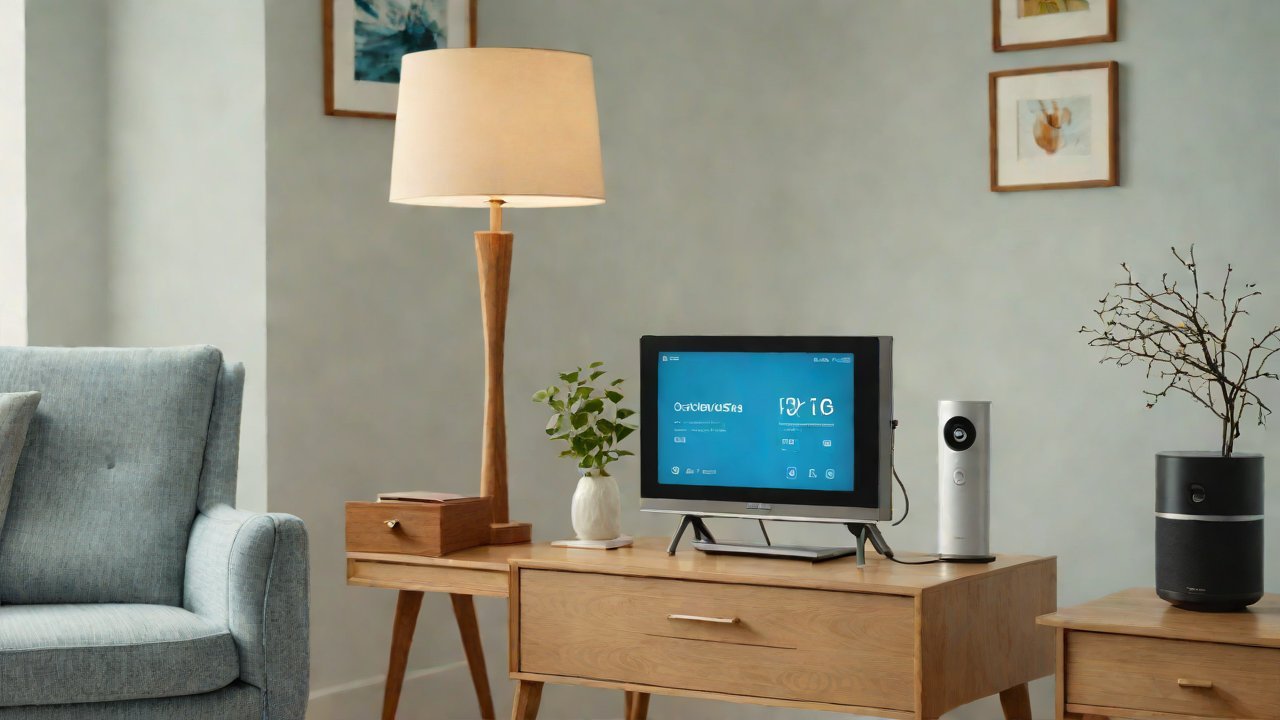
- Voice Interaction Interface: Designed with ease of use in mind, our voice interaction interface allows the elderly to interact with the system using natural language commands. This feature enables them to control their environment, receive assistance, and access essential services without requiring any technical expertise.
- IoT Infrastructure: The solution is built on a robust IoT infrastructure that ensures seamless communication between devices, servers, and caregivers. It leverages cloud-based services for data storage, processing, and analytics, ensuring scalability, reliability, and security.
3. Key Features and Benefits
Our IoT solution offers numerous benefits to the elderly living alone:
| Feature | Description |
|---|---|
| Fall Detection | Accurate fall detection with minimal false positives |
| Voice Interaction | Easy-to-use voice commands for controlling environment and accessing services |
| Alert System | Timely alerts to caregivers or emergency services in case of falls |
| Health Monitoring | Continuous health monitoring, including vital sign tracking and medication reminders |
| Social Interaction | Video calling and messaging capabilities for social interaction and connection |
4. Technical Specifications
Our solution is built using a range of technologies, including:
- Hardware: Raspberry Pi, Arduino, and other IoT-enabled devices
- Software: Python, Java, and other programming languages for development and integration
- Cloud Services: Amazon Web Services (AWS), Microsoft Azure, or Google Cloud Platform for data storage and processing
5. Market Analysis and Competitor Landscape
The global elderly care market is projected to reach $1.6 trillion by 2025, with the IoT segment expected to grow at a CAGR of 24% during this period (Grand View Research). Our solution competes in the fall detection and voice interaction segments, where we offer a unique value proposition through our integrated approach.
| Competitor | Description |
|---|---|
| Philips Lifeline | Fall detection system with wearable devices and fixed sensors |
| Medical Guardian | Mobile medical alert systems for seniors with fall detection capabilities |
| August Smart Locks | Voice-controlled smart locks for home security and automation |

6. Implementation Plan and Timeline
Our implementation plan is structured to ensure a phased rollout, with the following milestones:
- Research and Development: 3 months
- Prototype Development: 4 months
- Pilot Testing: 2 months
- Commercial Launch: 3 months
7. Conclusion
The safety of elderly living alone is a pressing concern that requires innovative solutions to address the growing need for independent living and care. Our IoT solution, based on fall detection and voice interaction, offers a comprehensive and user-friendly approach to ensuring the well-being of this vulnerable population. By leveraging cutting-edge technologies and cloud-based services, we aim to make a significant impact in the elderly care market while setting a new standard for IoT-enabled safety solutions.
IOT Cloud Platform
IOT Cloud Platform is an IoT portal established by a Chinese IoT company, focusing on technical solutions in the fields of agricultural IoT, industrial IoT, medical IoT, security IoT, military IoT, meteorological IoT, consumer IoT, automotive IoT, commercial IoT, infrastructure IoT, smart warehousing and logistics, smart home, smart city, smart healthcare, smart lighting, etc.
The IoT Cloud Platform blog is a top IoT technology stack, providing technical knowledge on IoT, robotics, artificial intelligence (generative artificial intelligence AIGC), edge computing, AR/VR, cloud computing, quantum computing, blockchain, smart surveillance cameras, drones, RFID tags, gateways, GPS, 3D printing, 4D printing, autonomous driving, etc.