Power consumption balancing and heat dissipation solutions for poles with multiple sensors
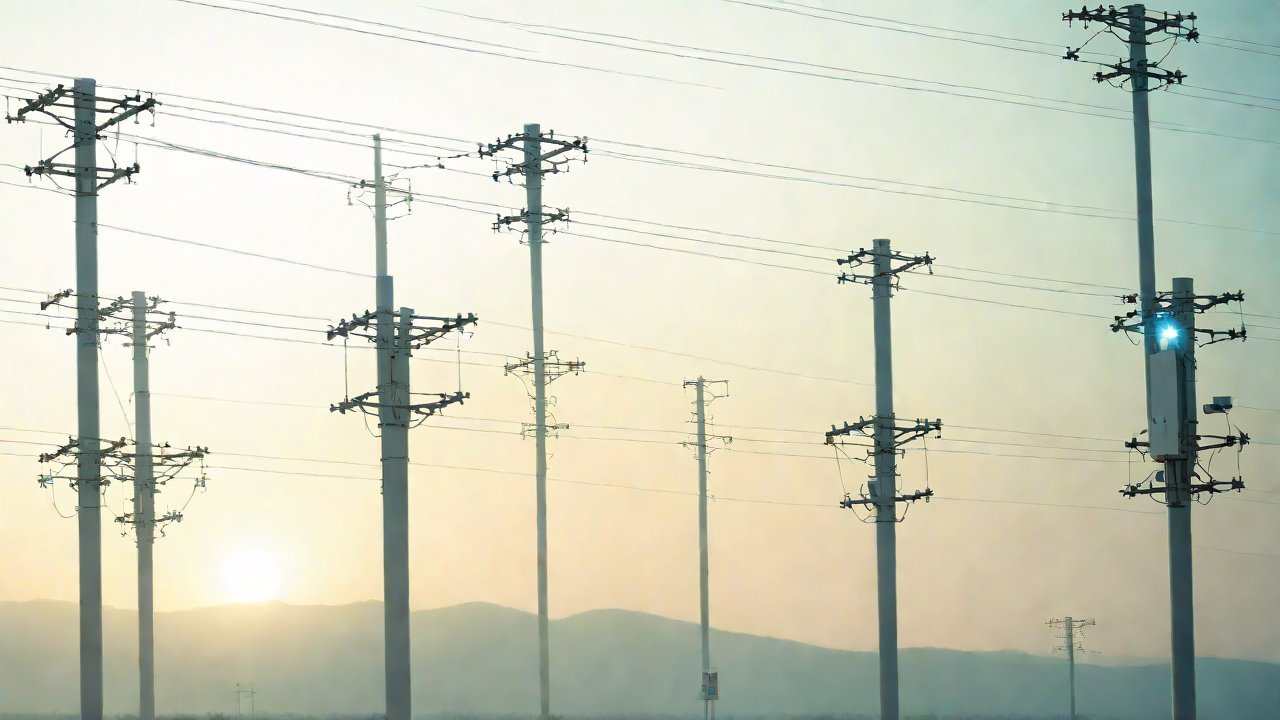
The proliferation of IoT (Internet of Things) devices has led to an exponential increase in the number of sensors being installed on utility poles, which are used for monitoring vital infrastructure such as power grids, water supply systems, and telecommunications networks. These sensors require reliable power sources to function continuously, often relying on batteries or solar panels that can be inefficient and prone to overheating. This has sparked a pressing need for innovative solutions that balance power consumption while effectively dissipating heat generated by these devices.
1. Challenges with Multiple Sensors on Utility Poles
Utility poles are being transformed into IoT hubs due to the increasing demand for real-time monitoring of critical infrastructure, necessitating the installation of multiple sensors. However, this proliferation poses several challenges:
- Power Consumption: Each sensor requires power to function, contributing to increased overall consumption.
- Heat Dissipation: The concentration of electronic devices on a single pole leads to excessive heat generation, which can compromise device lifespan and affect performance.
- Space Constraints: Utility poles have limited space for accommodating the increasing number of sensors, batteries, or solar panels required to power them.
- Maintenance Accessibility: With more equipment installed, maintenance access becomes increasingly difficult, leading to potential downtime and reduced efficiency.
2. Current Solutions and Limitations
Traditional approaches to managing power consumption and heat dissipation include:
Power Consumption Management Strategies
| Strategy | Description |
|---|---|
| Load Balancing | Distributing the load across multiple devices to reduce the burden on any single unit. |
| Energy Harvesting | Using renewable energy sources like solar or wind power to supplement battery life. |
Heat Dissipation Methods
| Method | Description |
|---|---|
| Passive Cooling | Utilizing natural convection and radiation to dissipate heat without active cooling mechanisms. |
| Active Cooling | Employing fans, air conditioning units, or liquid cooling systems to actively remove heat from the system. |

While these strategies offer some relief, they are not comprehensive solutions due to their limitations:
- Inefficient Energy Harvesting: Renewable energy sources often struggle with consistency and reliability.
- Limited Load Balancing: Effective load distribution is complex and often requires sophisticated algorithms.
3. Emerging Trends in Power Consumption Balancing
Advancements in technology are leading towards more efficient power consumption balancing solutions:
Internet of Things (IoT) Integration
| IoT Component | Description |
|---|---|
| Sensor Nodes | Miniaturized devices that collect data from the environment and transmit it wirelessly to a central hub. |
| Gateways | Intermediary devices that process sensor data, perform analytics, and communicate with cloud servers or other systems. |
Energy Harvesting Innovations
| Innovation | Description |
|---|---|
| Piezoelectric Materials | Convert mechanical stress into electrical energy, suitable for applications where vibrations are prevalent. |
| Thermoelectric Generators | Convert waste heat into electricity through the Seebeck effect, ideal for environments with high thermal gradients. |
These emerging trends offer more effective power consumption balancing strategies by leveraging IoT capabilities and innovative energy harvesting technologies.
4. Heat Dissipation Solutions
Advanced materials and designs are being explored to enhance heat dissipation efficiency:
Phase Change Materials (PCMs)
| PCM Type | Description |
|---|---|
| Paraffin Waxes | High-temperature melting point, suitable for applications requiring high thermal energy storage capacity. |
| Salt Hydrates | Lower melting points, ideal for systems where a wider temperature range is anticipated. |
Nanomaterials and Nanostructures
| Material/Structure | Description |
|---|---|
| Carbon Nanotubes | High thermal conductivity, often used in composites to enhance heat dissipation in electronic devices. |
| Graphene Sheets | High surface area and superior thermal properties make them ideal for applications requiring efficient heat management. |
These advanced materials offer significant improvements over traditional methods by providing enhanced thermal energy storage capacity and improved heat transfer rates.
5. Implementation Strategies
Effective implementation of these solutions requires a multi-faceted approach:
System Design Considerations
| Factor | Description |
|---|---|
| Sensor Placement | Careful consideration must be given to the placement of sensors to ensure optimal power consumption and heat dissipation. |
| Power Management Unit (PMU) Selection | Choosing an appropriate PMU is crucial for balancing power consumption while minimizing heat generation. |
Integration with Existing Infrastructure
| Aspect | Description |
|---|---|
| Compatibility | Ensure seamless integration with existing infrastructure, including communication protocols and data management systems. |
| Scalability | Design the system to accommodate future expansion or upgrades without compromising performance or reliability. |
By adopting a holistic approach that considers both power consumption balancing and heat dissipation strategies, utility poles can be transformed into efficient IoT hubs, providing real-time insights while minimizing environmental impact.
6. Conclusion
The increasing demand for IoT applications on utility poles necessitates innovative solutions that balance power consumption with effective heat dissipation. By embracing emerging trends in power consumption balancing, such as IoT integration and energy harvesting innovations, and leveraging advanced materials for enhanced heat dissipation, the industry can move towards more efficient and sustainable operations.
IOT Cloud Platform
IOT Cloud Platform is an IoT portal established by a Chinese IoT company, focusing on technical solutions in the fields of agricultural IoT, industrial IoT, medical IoT, security IoT, military IoT, meteorological IoT, consumer IoT, automotive IoT, commercial IoT, infrastructure IoT, smart warehousing and logistics, smart home, smart city, smart healthcare, smart lighting, etc.
The IoT Cloud Platform blog is a top IoT technology stack, providing technical knowledge on IoT, robotics, artificial intelligence (generative artificial intelligence AIGC), edge computing, AR/VR, cloud computing, quantum computing, blockchain, smart surveillance cameras, drones, RFID tags, gateways, GPS, 3D printing, 4D printing, autonomous driving, etc.