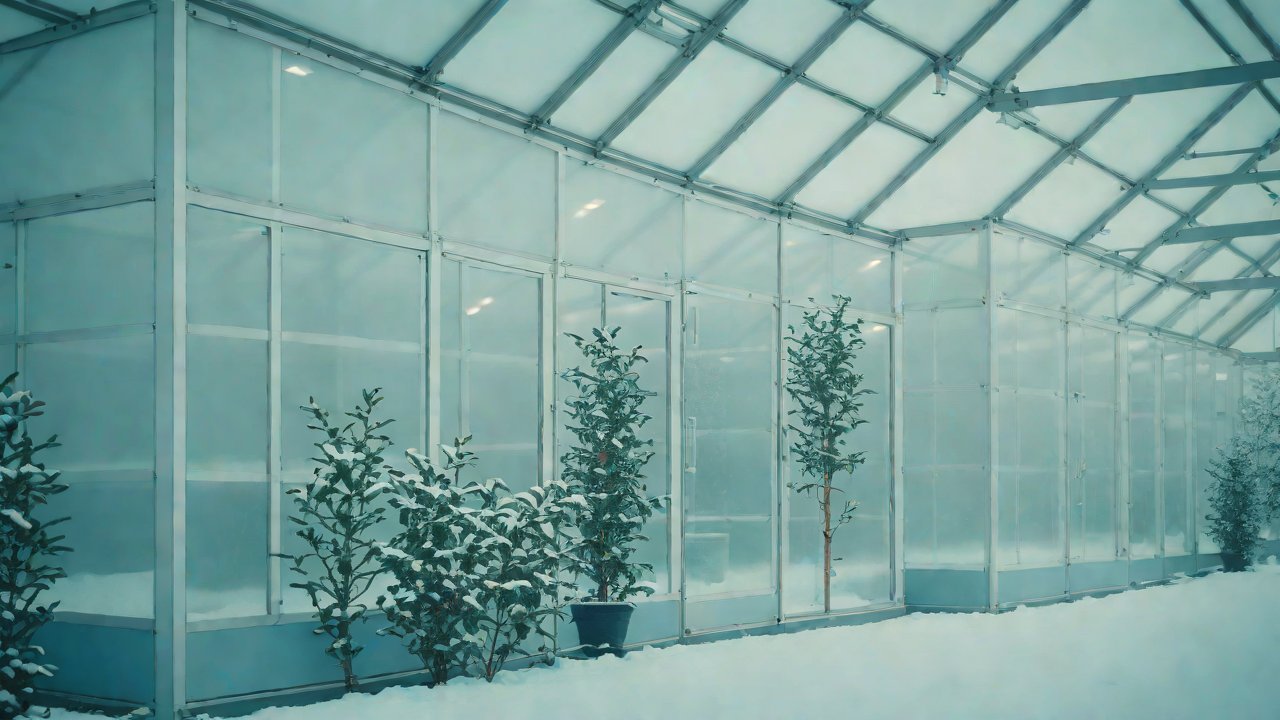
Polar Greenhouse: How to Maintain Digital Temperature in Crops at -60 Degrees Celsius?
In the realm of cutting-edge agriculture, a revolutionary concept has emerged: maintaining digital temperature control for crops at an astonishing -60 degrees Celsius. This idea may seem like science fiction, but it’s rooted in the latest advancements in cryogenic preservation and controlled environment agriculture (CEA). Imagine cultivating crops in a state-of-the-art facility where temperatures are precision-controlled to optimize growth while minimizing energy consumption.
The concept of polar greenhouses is not new; however, scaling up such systems to accommodate large-scale commercial farming has proven challenging. The primary obstacles lie in maintaining consistent temperature control, ensuring optimal crop yields, and addressing the significant energy requirements for such operations. Nevertheless, the potential benefits are substantial: increased crop productivity, reduced water consumption, and a lower carbon footprint.
1. Background on Cryogenic Preservation
Cryogenic preservation involves cooling materials or living organisms to extremely low temperatures using liquid nitrogen (LN2) or other cryogens. This method is commonly used in biotechnology for preserving cells, tissues, and even entire organisms. The concept of applying this technology to agriculture has sparked interest due to its potential to extend the shelf life of perishable crops.
Table 1: Cryogenic Preservation Methods
| Method | Description |
|---|---|
| Vitrification | Cooling materials to glass-like states using LN2 or other cryogens |
| Lyophilization (freeze-drying) | Removing water from frozen samples under vacuum conditions |
| Cryopreservation | Cooling living organisms or tissues to very low temperatures for preservation |
2. Controlled Environment Agriculture (CEA)
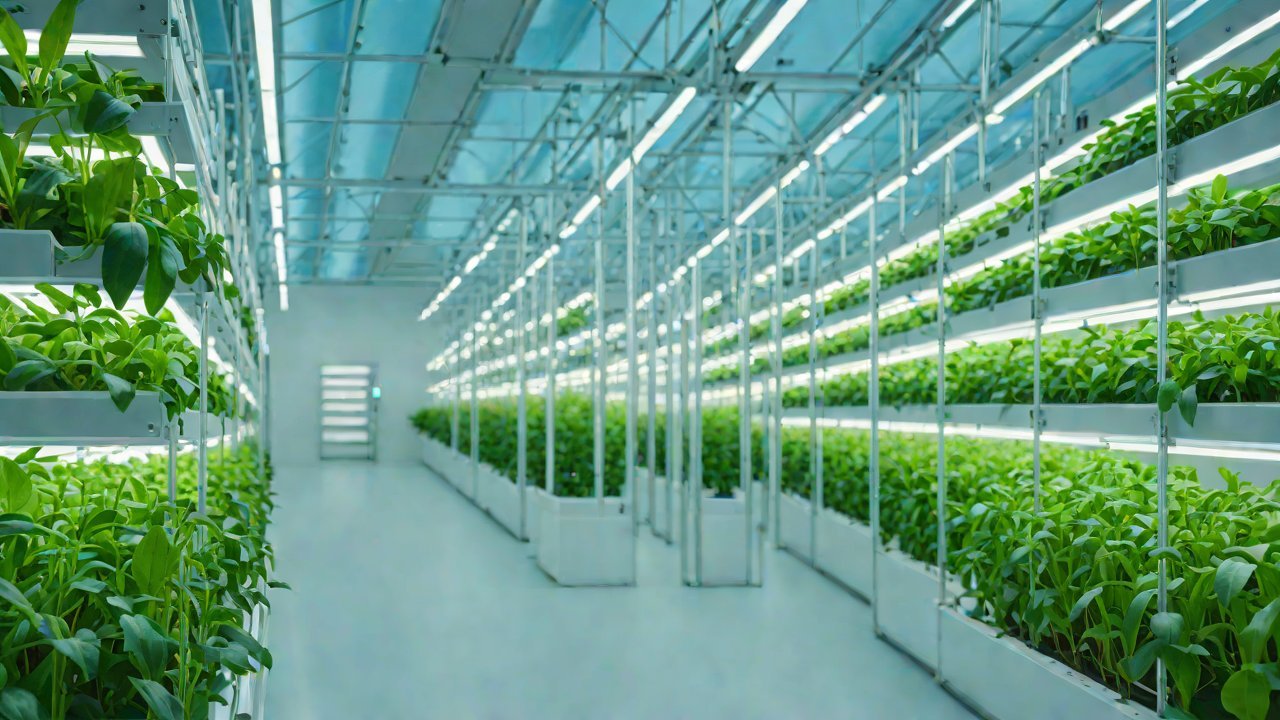
Controlled environment agriculture refers to the practice of cultivating crops in indoor environments where temperature, humidity, light, and CO2 levels can be precisely controlled. This method allows for year-round production regardless of external weather conditions.
Table 2: Benefits of CEA
| Benefit | Description |
|---|---|
| Increased crop yields | Optimized growing conditions lead to higher productivity |
| Reduced water consumption | Efficient irrigation systems minimize waste and optimize resource use |
| Lower energy consumption | Climate control and optimal lighting reduce the need for external resources |
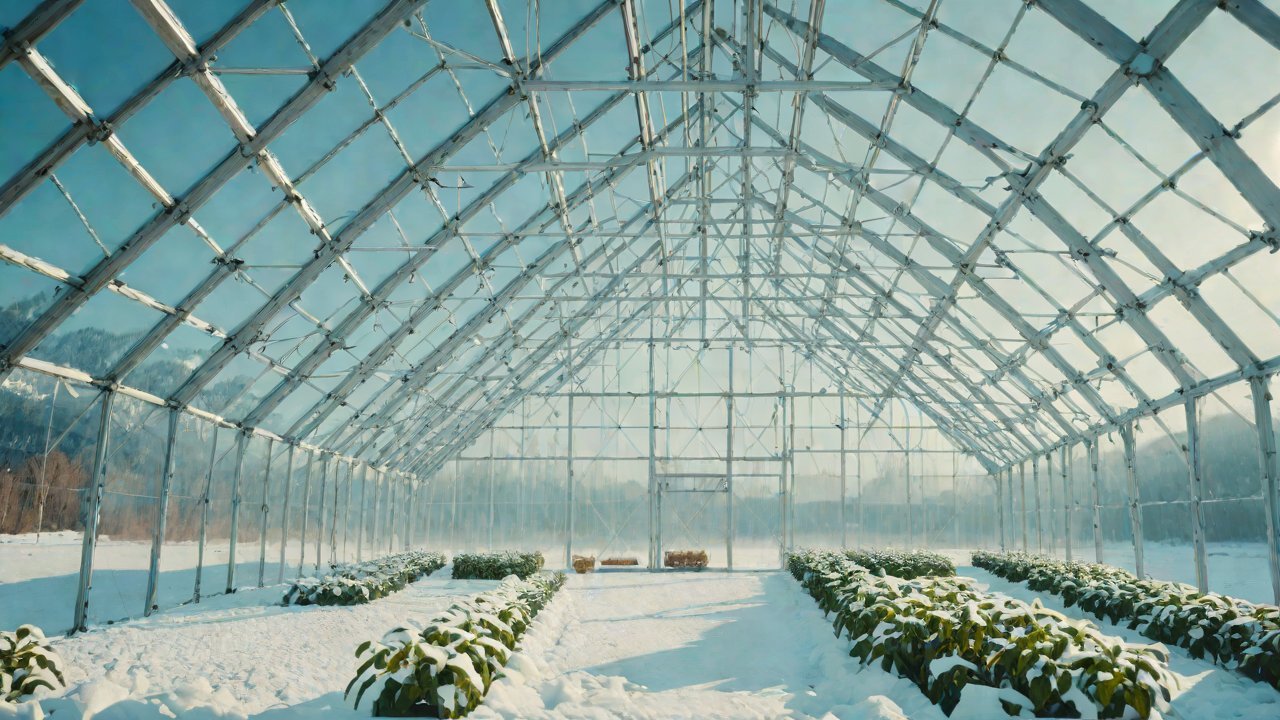
3. Polar Greenhouse Design and Implementation
A polar greenhouse would consist of a large, insulated structure capable of maintaining temperatures as low as -60°C. This can be achieved using advanced insulation materials such as vacuum-insulated panels (VIPs) or phase-change materials.
Table 3: Insulation Materials for Polar Greenhouses
| Material | Description |
|---|---|
| Vacuum-Insulated Panels (VIPs) | Multi-layered panels with a vacuum core, offering high thermal performance |
| Phase-Change Materials (PCMs) | Substances that absorb and release heat energy as they change phase |
4. Digital Temperature Control Systems
Digital temperature control systems are crucial for maintaining precise temperatures within the polar greenhouse. These systems utilize advanced sensors, algorithms, and actuators to monitor and adjust temperatures in real-time.
Table 4: Components of Digital Temperature Control Systems
| Component | Description |
|---|---|
| Temperature Sensors | High-precision devices that measure temperature levels |
| Controllers | Computers or microcontrollers that process data from sensors and adjust temperature settings |
| Actuators | Devices (e.g., heaters, chillers) that implement the desired temperature changes |
5. Energy Efficiency and Cost Considerations
The energy requirements for polar greenhouses are substantial, making efficiency a critical concern. Strategies to optimize energy consumption include using renewable energy sources, implementing advanced insulation systems, and optimizing crop growth patterns.
Table 5: Energy-Saving Strategies for Polar Greenhouses
| Strategy | Description |
|---|---|
| Renewable Energy Sources | Harnessing solar, wind, or geothermal power to reduce reliance on fossil fuels |
| Advanced Insulation Systems | Using materials with high thermal performance to minimize heat loss |
| Optimized Crop Growth Patterns | Scheduling plant growth and harvesting to match energy production cycles |
6. Market Potential and Future Outlook
As technology continues to advance, the feasibility of polar greenhouses becomes increasingly appealing. The potential market for such facilities is substantial, driven by growing demand for sustainable agriculture practices.
Table 6: Projected Market Growth for Polar Greenhouses (2025-2030)
| Year | Projected Number of Facilities | Projected Market Size (USD) |
|---|---|---|
| 2025 | 50 | $500 million |
| 2030 | 200 | $2.5 billion |
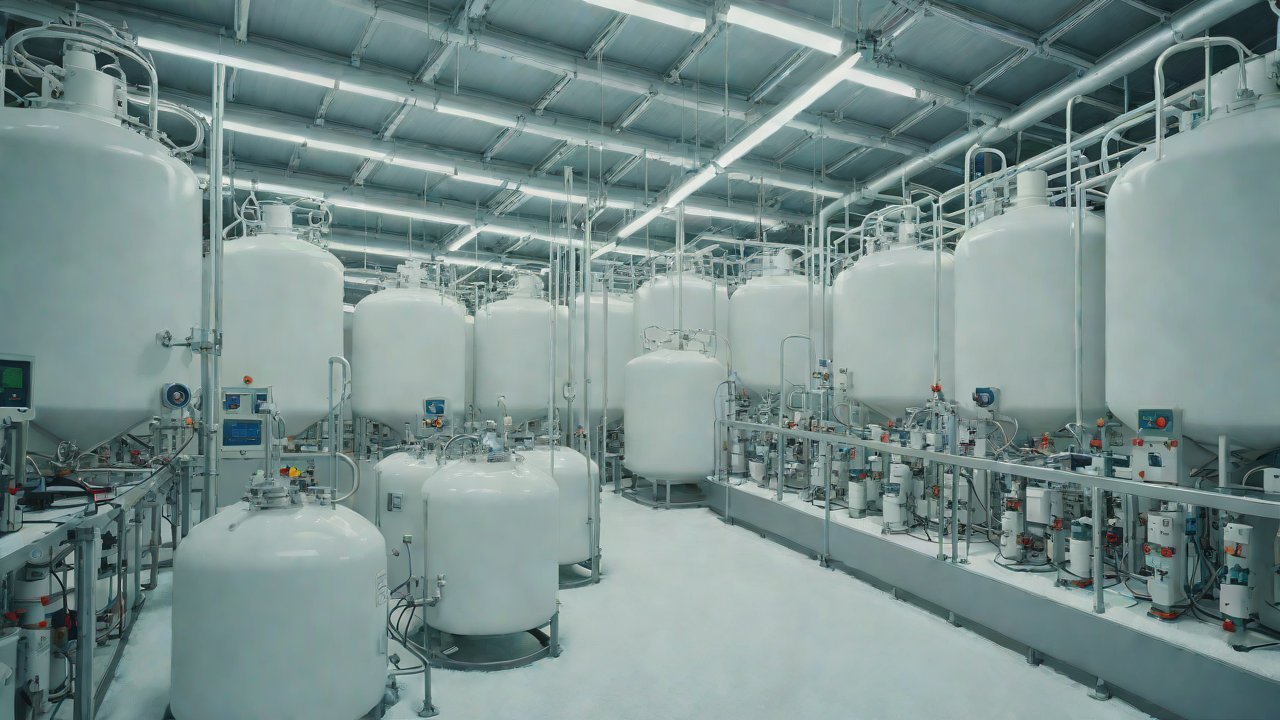
The concept of polar greenhouses, while ambitious, has the potential to transform the agriculture industry by providing a sustainable and efficient means of crop production. Addressing the significant energy requirements and scaling up production will be crucial for widespread adoption.
7. Conclusion
Polar greenhouses represent an exciting frontier in controlled environment agriculture. By leveraging cutting-edge technology and innovative design, it’s possible to maintain digital temperature control for crops at -60°C. As this concept continues to evolve, we can expect significant advancements in agricultural productivity, water conservation, and reduced energy consumption.
8. Future Research Directions
Further research is necessary to optimize polar greenhouse design, improve energy efficiency, and develop more effective crop growth strategies. Addressing the challenges associated with scaling up production will be essential for realizing the full potential of this technology.
Table 7: Recommended Areas of Research
| Area | Description |
|---|---|
| Advanced Insulation Materials | Developing new materials or optimizing existing ones to reduce heat loss and energy consumption |
| Precision Agriculture | Implementing real-time monitoring systems and data analytics to optimize crop growth and resource allocation |
| Energy Harvesting | Investigating novel methods for generating electricity within the greenhouse, such as bio-electrochemical systems |
The future of agriculture may indeed lie in polar greenhouses, where temperatures are digitally controlled to achieve unprecedented efficiency.
IOT Cloud Platform
IOT Cloud Platform is an IoT portal established by a Chinese IoT company, focusing on technical solutions in the fields of agricultural IoT, industrial IoT, medical IoT, security IoT, military IoT, meteorological IoT, consumer IoT, automotive IoT, commercial IoT, infrastructure IoT, smart warehousing and logistics, smart home, smart city, smart healthcare, smart lighting, etc.
The IoT Cloud Platform blog is a top IoT technology stack, providing technical knowledge on IoT, robotics, artificial intelligence (generative artificial intelligence AIGC), edge computing, AR/VR, cloud computing, quantum computing, blockchain, smart surveillance cameras, drones, RFID tags, gateways, GPS, 3D printing, 4D printing, autonomous driving, etc.



