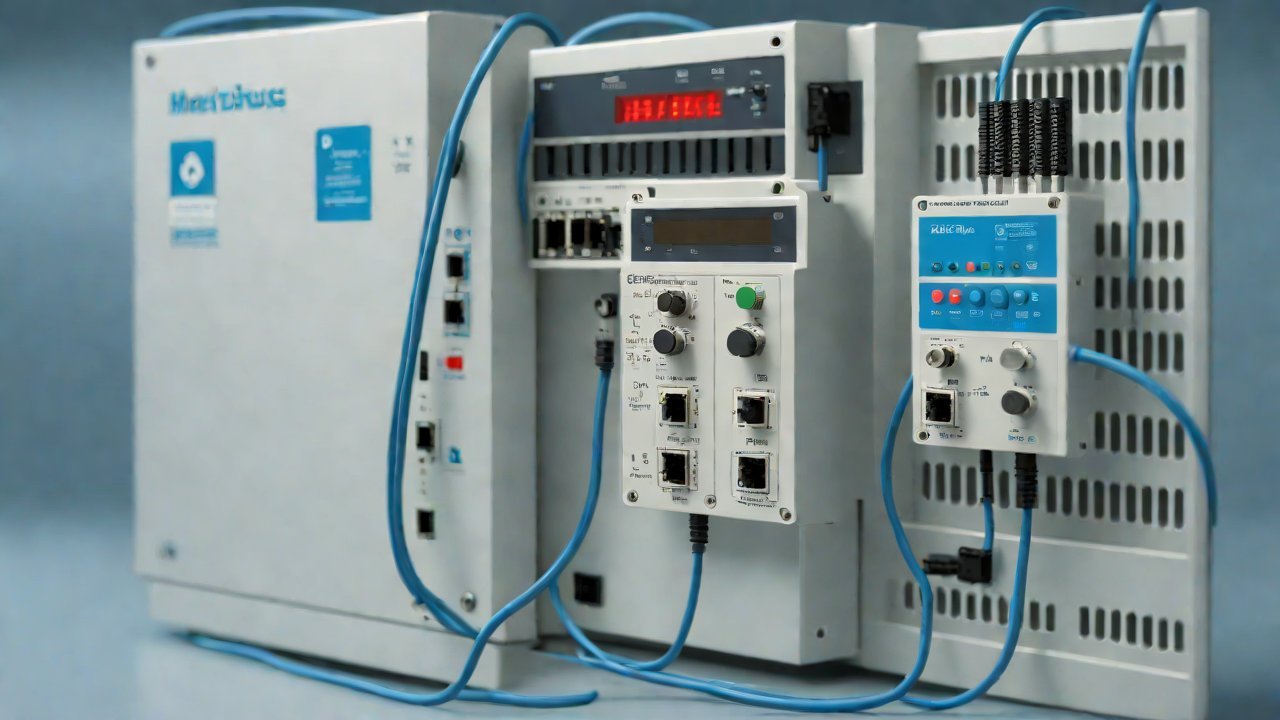
Modbus RTU to OPC UA Gateway: Solving Heterogeneous Issues
The industrial automation landscape is witnessing a paradigm shift towards interoperability and standardization. The convergence of different communication protocols, data formats, and device types has become an essential aspect of modern industrial control systems. Among these, Modbus RTU and OPC UA are two prominent technologies that have been widely adopted across various industries.
Modbus RTU, developed by Schneider Electric in the 1970s, is a popular master-slave protocol used for communication between devices over serial lines or TCP/IP networks. Its simplicity, ease of implementation, and wide adoption have made it an industry standard for many years. However, as industrial automation systems become increasingly complex, the limitations of Modbus RTU have begun to surface.
OPC UA (Open Platform Communications Unified Architecture), on the other hand, is a newer protocol developed by the OPC Foundation in 2008. It offers improved interoperability, scalability, and security features compared to Modbus RTU. However, its adoption has been slower due to the need for significant changes in existing infrastructure and systems.
The transition from Modbus RTU to OPC UA requires a gateway that can bridge the two protocols while ensuring seamless communication between devices. This report explores the concept of a Modbus RTU to OPC UA gateway and its role in solving heterogeneous issues within industrial automation systems.
1. The Problem Statement
Modbus RTU is still widely used in many industries, including power generation, water treatment, and building management. However, as IoT (Internet of Things) technologies gain traction, the need for more advanced communication protocols has become apparent. OPC UA offers several benefits over Modbus RTU, including:
- Improved security features
- Enhanced data modeling capabilities
- Better support for complex data types
- Scalability and flexibility
Despite these advantages, adopting OPC UA directly in existing systems can be a daunting task due to the need for significant changes in device firmware, system architecture, and operational procedures.
2. The Need for Interoperability
The lack of interoperability between different communication protocols is a major challenge facing industrial automation today. Modbus RTU devices may not be compatible with OPC UA systems, leading to issues such as:
- Data loss or corruption during transmission
- Incompatibility between device firmware and system software
- Difficulty in integrating new devices into existing systems
To address these challenges, a gateway that can translate data between Modbus RTU and OPC UA protocols is essential.
3. Gateway Requirements and Design Considerations
A successful Modbus RTU to OPC UA gateway must meet the following requirements:
| Feature | Description |
|---|---|
| Protocol Conversion | Translate Modbus RTU packets into OPC UA messages and vice versa |
| Data Mapping | Map device-specific data formats to OPC UA-compliant data models |
| Error Handling | Detect and handle errors in both protocols, including CRC (Cyclic Redundancy Check) failures |
| Performance Optimization | Ensure real-time communication between devices without compromising system performance |
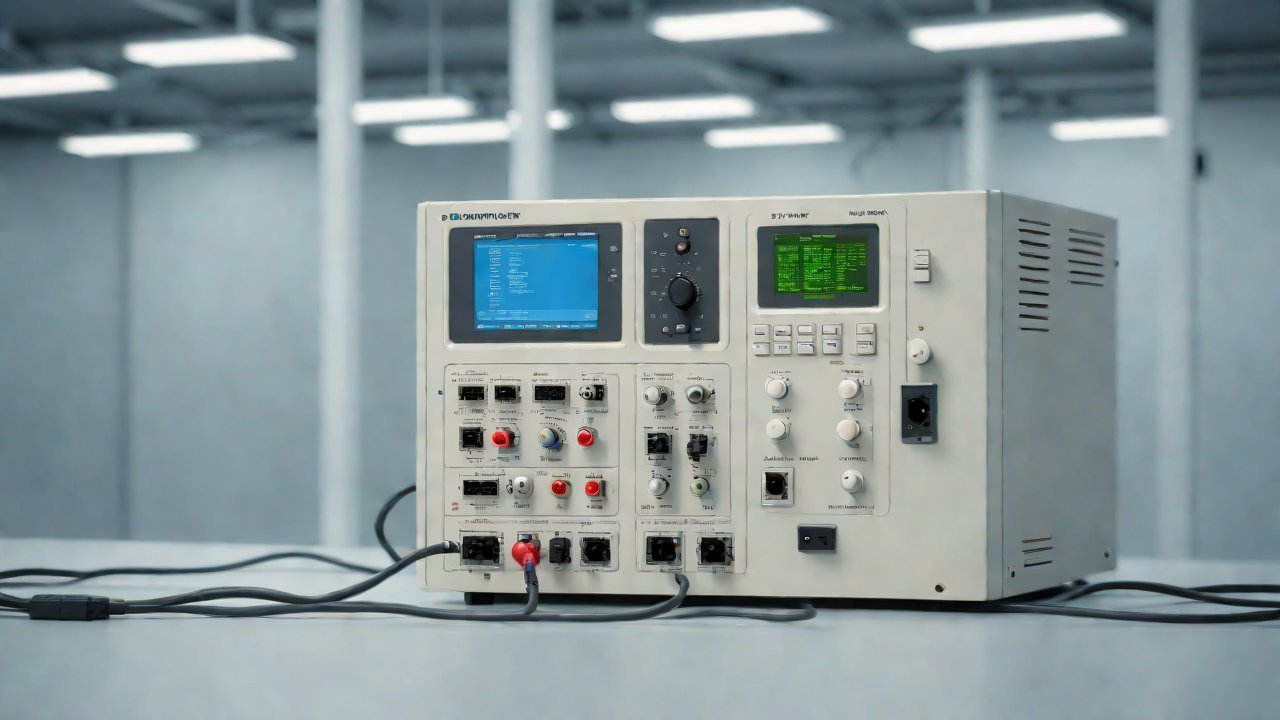
The gateway design should also consider the following factors:
- Scalability: Support for multiple devices and systems
- Security: Compliance with OPC UA security features and best practices
- Flexibility: Ability to adapt to changing device and system requirements
4. Implementation Considerations
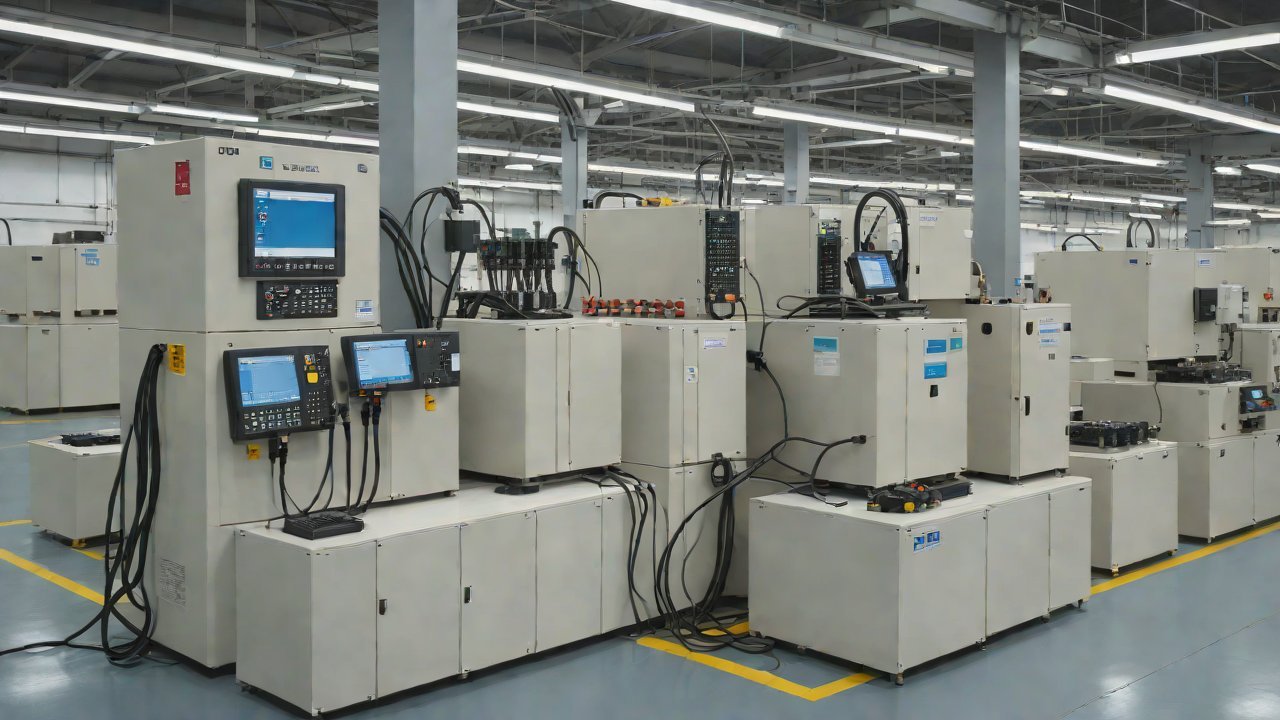
Implementing a Modbus RTU to OPC UA gateway requires careful consideration of the following aspects:
| Aspect | Description |
|---|---|
| Hardware Requirements | Selection of suitable hardware platforms, including CPUs, memory, and interfaces |
| Software Development | Design and development of protocol conversion algorithms, data mapping logic, and error handling mechanisms |
| Testing and Validation | Thorough testing of the gateway with various devices and systems to ensure interoperability and performance |
5. Case Study: Implementation of a Modbus RTU to OPC UA Gateway
A leading industrial automation company developed a Modbus RTU to OPC UA gateway using a custom-built hardware platform and software framework. The gateway was designed to support multiple devices and systems, with built-in error handling mechanisms and data mapping logic.
| Device Type | Protocol Version | Data Format |
|---|---|---|
| PLC (Programmable Logic Controller) | Modbus RTU 1.0 | ASCII-encoded binary |
| OPC UA Server | OPC UA 1.04 | XML-compliant data models |
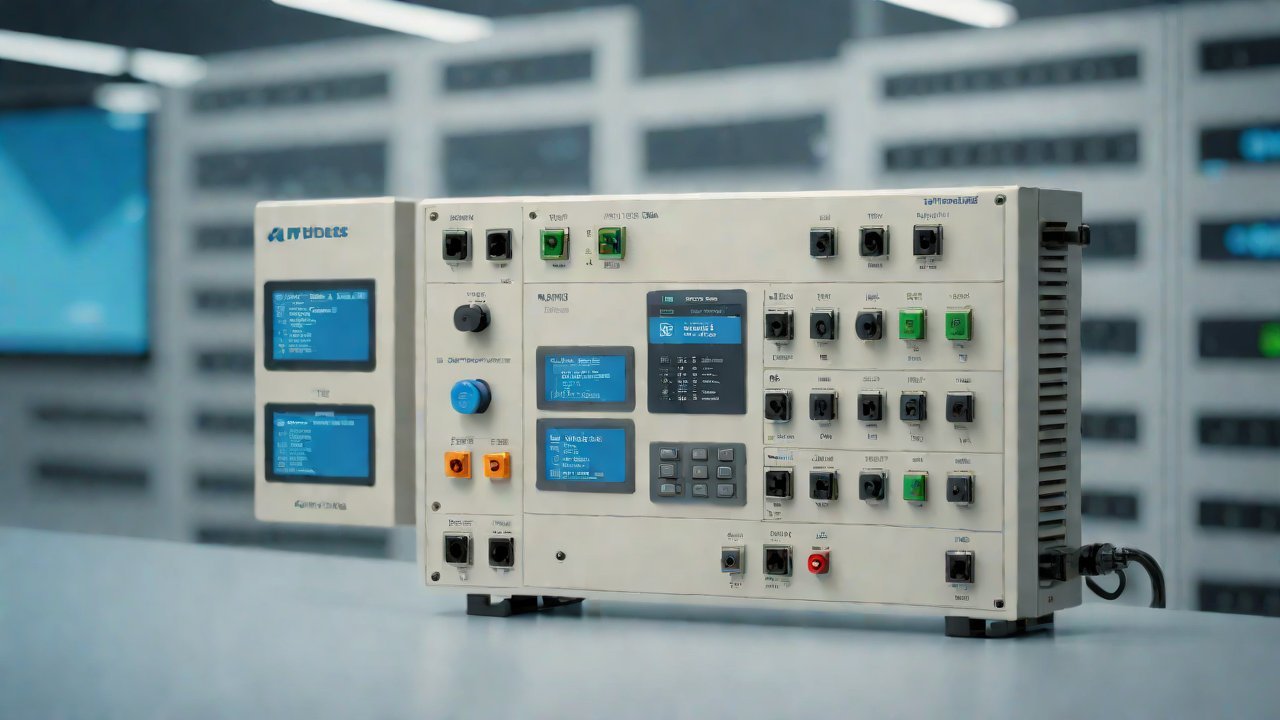
The gateway was tested with various devices and systems, demonstrating successful protocol conversion and data mapping between Modbus RTU and OPC UA.
6. Market Analysis and Future Outlook
The market for industrial automation gateways is expected to grow significantly in the next few years, driven by increasing demand for interoperability and standardization. Key players in this space are investing heavily in research and development, with a focus on:
- Improving gateway performance and scalability
- Enhancing security features and compliance with industry standards
- Developing more advanced data modeling capabilities
7. Conclusion
The transition from Modbus RTU to OPC UA requires a reliable and efficient gateway that can bridge the two protocols while ensuring seamless communication between devices. This report has highlighted the importance of interoperability in industrial automation, the need for a gateway that meets specific requirements, and the implementation considerations involved.
As the industry continues to evolve towards IoT-based systems and advanced data analytics, the demand for Modbus RTU to OPC UA gateways is expected to increase. Companies investing in this space must prioritize research and development, focusing on performance optimization, security enhancements, and advanced data modeling capabilities.
The future of industrial automation depends on our ability to overcome heterogeneous issues and ensure seamless communication between devices and systems. By developing reliable and efficient Modbus RTU to OPC UA gateways, we can unlock the full potential of modern industrial control systems.
IOT Cloud Platform
IOT Cloud Platform is an IoT portal established by a Chinese IoT company, focusing on technical solutions in the fields of agricultural IoT, industrial IoT, medical IoT, security IoT, military IoT, meteorological IoT, consumer IoT, automotive IoT, commercial IoT, infrastructure IoT, smart warehousing and logistics, smart home, smart city, smart healthcare, smart lighting, etc.
The IoT Cloud Platform blog is a top IoT technology stack, providing technical knowledge on IoT, robotics, artificial intelligence (generative artificial intelligence AIGC), edge computing, AR/VR, cloud computing, quantum computing, blockchain, smart surveillance cameras, drones, RFID tags, gateways, GPS, 3D printing, 4D printing, autonomous driving, etc.