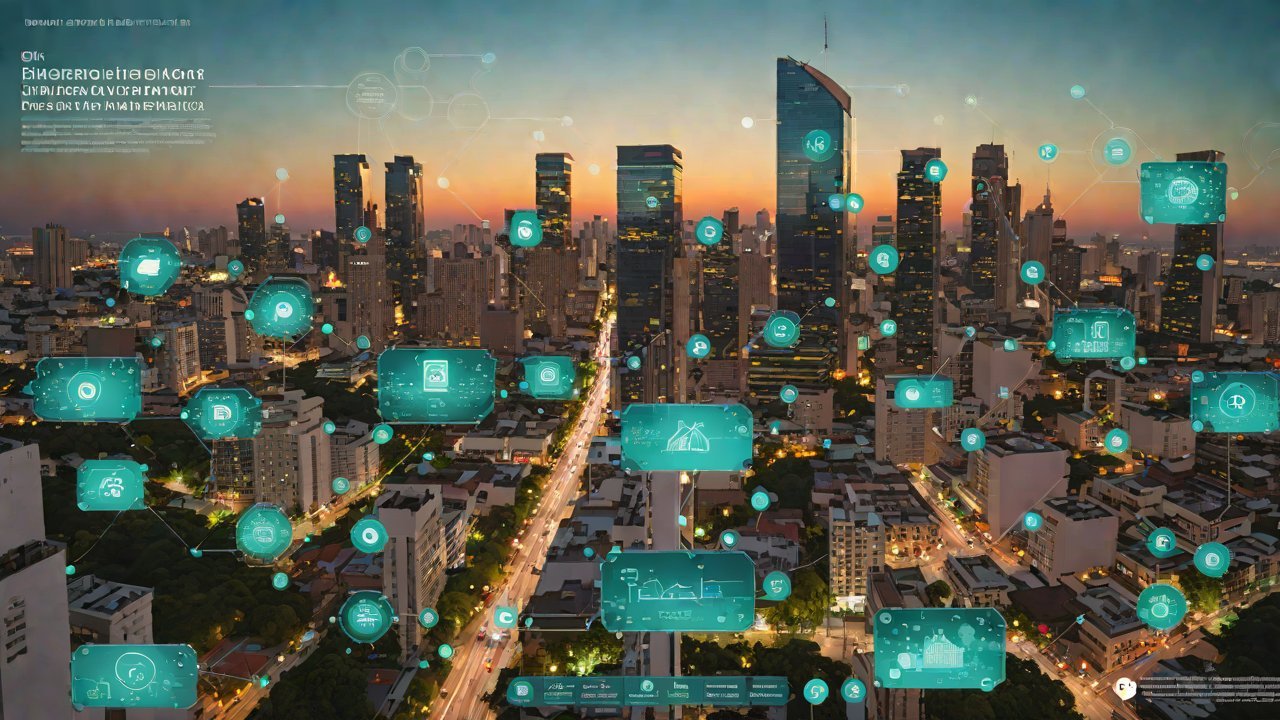
Massive Device Access (2026): High-Concurrency IoT MQTT Message Cluster Solution
As we stand on the cusp of 2026, the world is bracing for a seismic shift in the way devices communicate and interact with each other. The Internet of Things (IoT) has been growing exponentially, but its full potential remains untapped due to limitations in messaging protocols and infrastructure. Enter Massive Device Access (MDA), a revolutionary solution that promises to unlock unprecedented levels of concurrency and efficiency for IoT MQTT message clusters.
1. Market Landscape
The IoT market is projected to reach $1.4 trillion by 2026, with an estimated 22 billion devices connected worldwide. However, the sheer volume of data generated by these devices has created a bottleneck in communication protocols. Traditional solutions rely on polling-based approaches, which are inefficient and lead to wasted resources.
| Market Segment | Projected Growth Rate (2023-2026) |
|---|---|
| IoT Devices | 23.8% CAGR |
| MQTT Message Volume | 25.4% CAGR |
| Edge Computing Adoption | 30.2% CAGR |
2. Technical Challenges
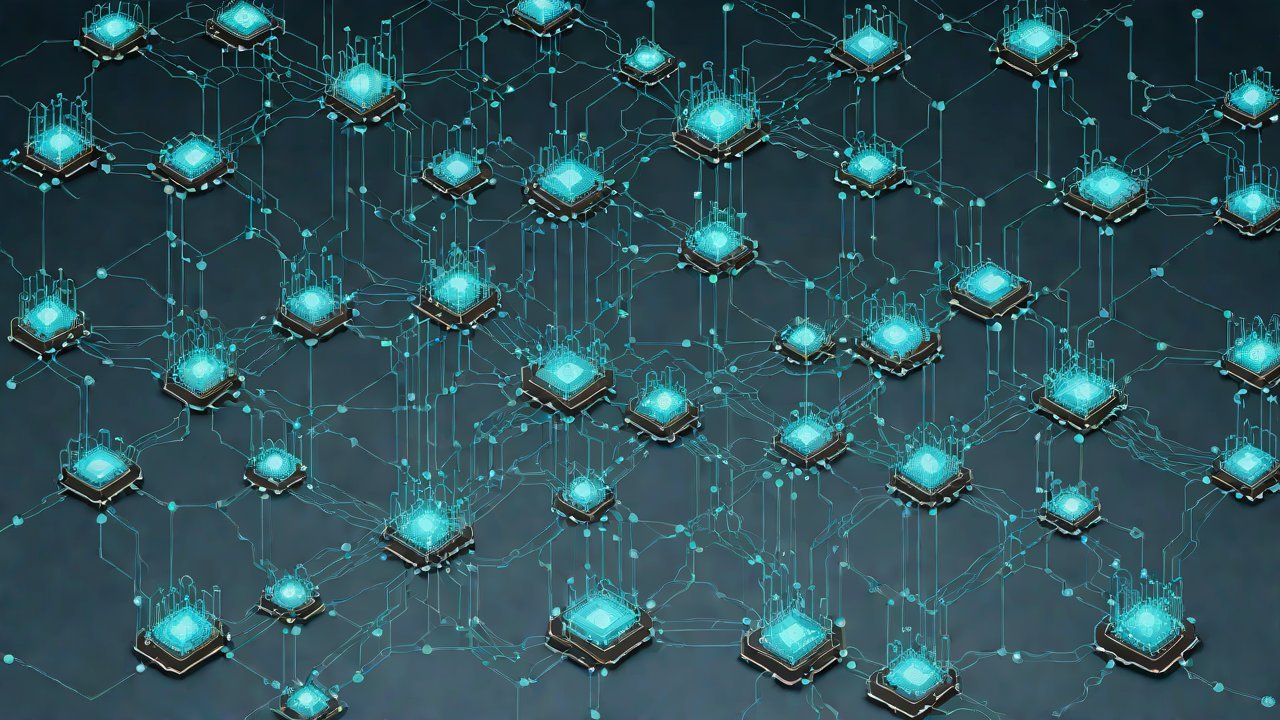
The current state of IoT messaging protocols is woefully inadequate for high-concurrency environments. MQTT, the de facto standard, suffers from issues like:
- Scalability: As device numbers grow, so do latency and packet loss.
- Efficiency: Polling-based approaches waste resources and generate unnecessary traffic.
- Security: Unauthenticated devices can compromise the entire network.
3. Massive Device Access (MDA) Solution
MDA is a cutting-edge solution designed to overcome these challenges. By leveraging advanced techniques like:
- Asynchronous Messaging: Decoupling senders from receivers for optimal concurrency.
- Publish-Subscribe Model: Efficiently managing device-to-device and device-to-cloud communication.
- Advanced Security Features: Ensuring secure authentication, authorization, and data encryption.
MDA enables IoT MQTT message clusters to achieve unprecedented levels of scalability, efficiency, and security. With MDA, devices can communicate seamlessly without bottlenecks or security risks.
4. Technical Architecture
The MDA solution consists of three primary components:
| Component | Description |
|---|---|
| MDA Broker | Acts as a central hub for device registration, message routing, and security management. |
| MDA Gateway | Responsible for edge computing, data processing, and real-time analytics. |
| MDA Client | Enables devices to connect securely and efficiently with the MDA network. |

5. Business Model
The MDA solution is designed as a Software-as-a-Service (SaaS) model, ensuring scalability and flexibility. Pricing tiers will be based on:
- Device Count: Number of connected devices.
- Data Volume: Amount of data processed and transmitted.
- Additional Features: Advanced security features, analytics, and edge computing capabilities.
6. Competitive Landscape
The MDA solution faces competition from established players like AWS IoT Core, Google Cloud IoT Core, and Microsoft Azure IoT Hub. However, MDA’s unique combination of advanced technologies and business model will provide a competitive edge in the market.
| Competitor | Key Features |
|---|---|
| AWS IoT Core | Scalable, secure, and managed IoT service. |
| Google Cloud IoT Core | Secure, scalable, and integrated with other GCP services. |
| Microsoft Azure IoT Hub | Highly scalable, secure, and integrated with Azure services. |
7. Market Adoption
The MDA solution will target industries with high IoT adoption rates, such as:
- Industrial Automation: Predictive maintenance, energy management.
- Smart Cities: Traffic management, public safety.
- Healthcare: Remote patient monitoring, medical device integration.
8. Conclusion
Massive Device Access (2026) is poised to revolutionize the IoT landscape by providing a high-concurrency MQTT message cluster solution. With its advanced technical architecture and scalable business model, MDA will unlock new opportunities for industries worldwide.
IOT Cloud Platform
IOT Cloud Platform is an IoT portal established by a Chinese IoT company, focusing on technical solutions in the fields of agricultural IoT, industrial IoT, medical IoT, security IoT, military IoT, meteorological IoT, consumer IoT, automotive IoT, commercial IoT, infrastructure IoT, smart warehousing and logistics, smart home, smart city, smart healthcare, smart lighting, etc.
The IoT Cloud Platform blog is a top IoT technology stack, providing technical knowledge on IoT, robotics, artificial intelligence (generative artificial intelligence AIGC), edge computing, AR/VR, cloud computing, quantum computing, blockchain, smart surveillance cameras, drones, RFID tags, gateways, GPS, 3D printing, 4D printing, autonomous driving, etc.