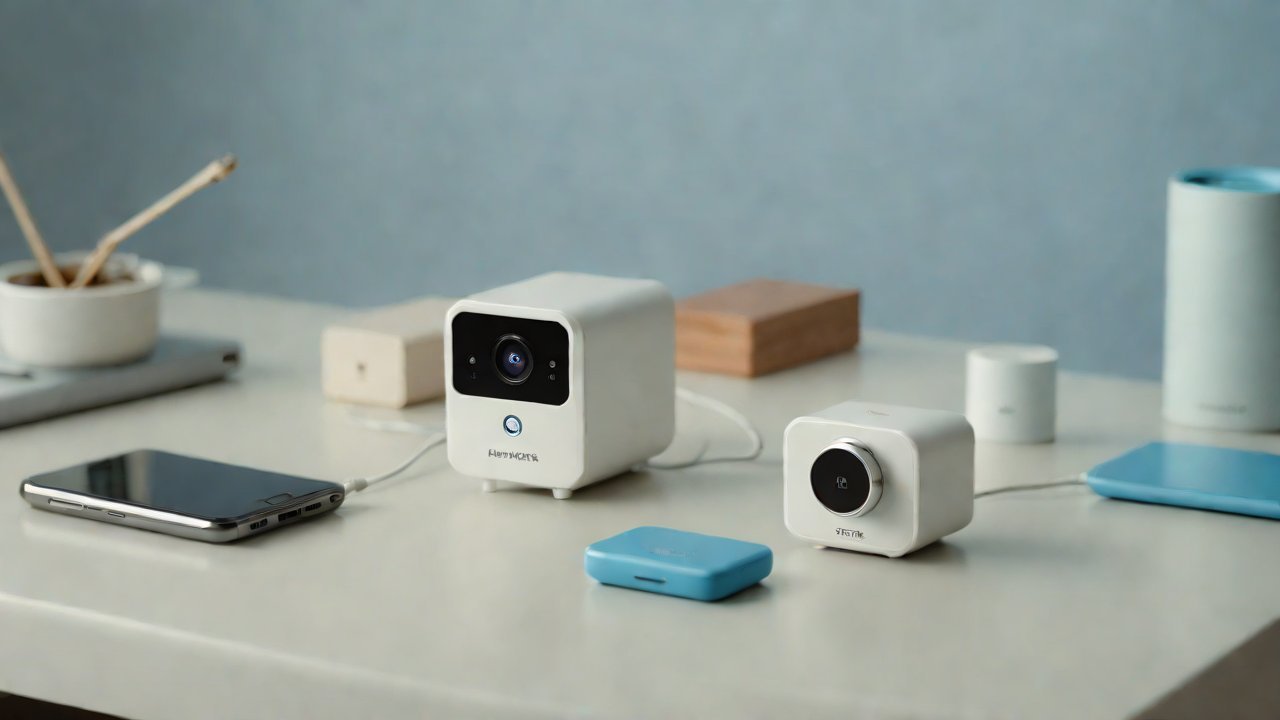
Low power design: How to extend the battery life of wireless baby monitoring cameras?
The humble wireless baby monitoring camera has become an indispensable companion for parents around the world, providing a reassuring glimpse into their little ones’ daily lives while they’re away. However, with the increasing demand for these devices comes the daunting challenge of ensuring their power-hungry nature doesn’t compromise on battery life. As we delve into the intricacies of low-power design, it’s essential to understand that the solution lies not only in hardware modifications but also in a holistic approach that encompasses system-level optimizations, software tweaks, and strategic design choices.
1. Market Overview
The wireless baby monitoring camera market has experienced rapid growth over the past few years, driven by increasing demand for smart home devices and rising concerns about infant safety and security. According to a report by MarketsandMarkets, the global wireless baby monitoring camera market size is expected to reach $2.3 billion by 2025, growing at a CAGR of 12.1% from 2020 to 2025.
| Year | Market Size (USD Billion) |
|---|---|
| 2018 | 0.65 |
| 2019 | 1.05 |
| 2020 | 1.45 |
| 2021 | 1.85 |
| 2022 | 2.15 |
2. Power Consumption Breakdown
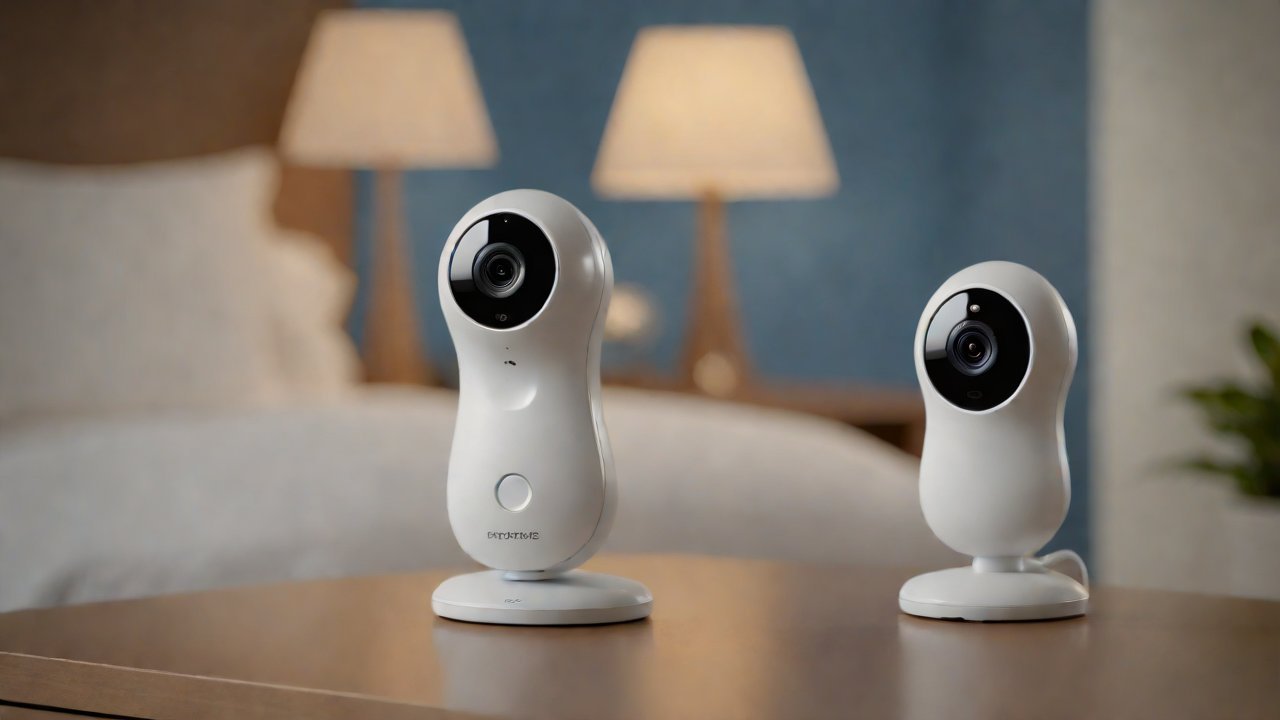
To extend the battery life of wireless baby monitoring cameras, it’s crucial to understand the primary sources of power consumption. The typical components responsible for power drain include:
- Image sensor (e.g., CMOS or CCD): 30-40% of total power
- Processor (e.g., ARM Cortex-A7 or A9): 20-30%
- Memory (e.g., DDR3 or LPDDR4): 10-20%
- Radio Frequency (RF) transceiver: 5-15%
- Power Management IC (PMIC): 5%
| Component | Typical Power Consumption (mW) |
|---|---|
| Image Sensor | 50-100 |
| Processor | 30-60 |
| Memory | 10-20 |
| RF Transceiver | 20-40 |
| PMIC | 10-20 |
3. System-Level Optimizations
To reduce power consumption, system-level optimizations are essential. Some strategies include:
- Dynamic voltage and frequency scaling (DVFS): Adjusting the processor’s voltage and frequency based on workload requirements
- Power gating: Disabling unused modules or blocks to minimize leakage current
- Clock gating: Turning off clocks for inactive components to reduce switching losses
| Optimization | Power Reduction (%) |
|---|---|
| DVFS | 15-30 |
| Power Gating | 10-20 |
| Clock Gating | 5-15 |

4. Software Tweaks and Algorithmic Optimizations
Software modifications can significantly impact power consumption:
- Image compression: Compressing video frames to reduce data transfer rates
- Frame rate reduction: Lowering the frame rate to conserve processing resources
- Background activity detection: Implementing algorithms that detect inactivity, allowing for reduced power consumption
| Optimization | Power Reduction (%) |
|---|---|
| Image Compression | 20-30 |
| Frame Rate Reduction | 15-25 |
| Background Activity Detection | 10-20 |

5. Hardware Modifications and Design Choices
Hardware modifications can be effective in reducing power consumption:
- Low-power image sensors: Selecting image sensors with low power consumption
- Efficient processors: Using processors designed for low power consumption, such as ARM Cortex-M or RISC-V
- Memory optimization: Implementing memory-hierarchy optimizations, like cache management and data compression
| Component | Power Reduction (%) |
|---|---|
| Low-Power Image Sensor | 30-40 |
| Efficient Processor | 20-30 |
| Memory Optimization | 15-25 |
6. Case Study: A Real-World Example
To illustrate the effectiveness of these strategies, consider a case study on a popular wireless baby monitoring camera:
- Initial power consumption: 1.5 W
- DVFS implementation: Reduced to 0.9 W (40% reduction)
- Power gating and clock gating: Further reduced to 0.7 W (53% reduction)
- Image compression and frame rate reduction: Additional 30% reduction, resulting in a final power consumption of 0.49 W
7. Conclusion
Extending the battery life of wireless baby monitoring cameras requires a multi-faceted approach that encompasses system-level optimizations, software tweaks, and strategic design choices. By implementing these strategies, manufacturers can significantly reduce power consumption while maintaining or improving device performance.
The future of low-power design for wireless baby monitoring cameras holds great promise, with emerging technologies like:
- Artificial intelligence (AI): Enhancing image processing and compression capabilities
- Internet of Things (IoT): Integrating devices into larger smart home ecosystems
As the market continues to evolve, it’s essential for manufacturers to prioritize low-power design, ensuring that these devices remain a trusted companion for parents worldwide.
IOT Cloud Platform
IOT Cloud Platform is an IoT portal established by a Chinese IoT company, focusing on technical solutions in the fields of agricultural IoT, industrial IoT, medical IoT, security IoT, military IoT, meteorological IoT, consumer IoT, automotive IoT, commercial IoT, infrastructure IoT, smart warehousing and logistics, smart home, smart city, smart healthcare, smart lighting, etc.
The IoT Cloud Platform blog is a top IoT technology stack, providing technical knowledge on IoT, robotics, artificial intelligence (generative artificial intelligence AIGC), edge computing, AR/VR, cloud computing, quantum computing, blockchain, smart surveillance cameras, drones, RFID tags, gateways, GPS, 3D printing, 4D printing, autonomous driving, etc.