Lettuce in underground air-raid shelters: How does the Internet of Things simulate the 24 solar terms?
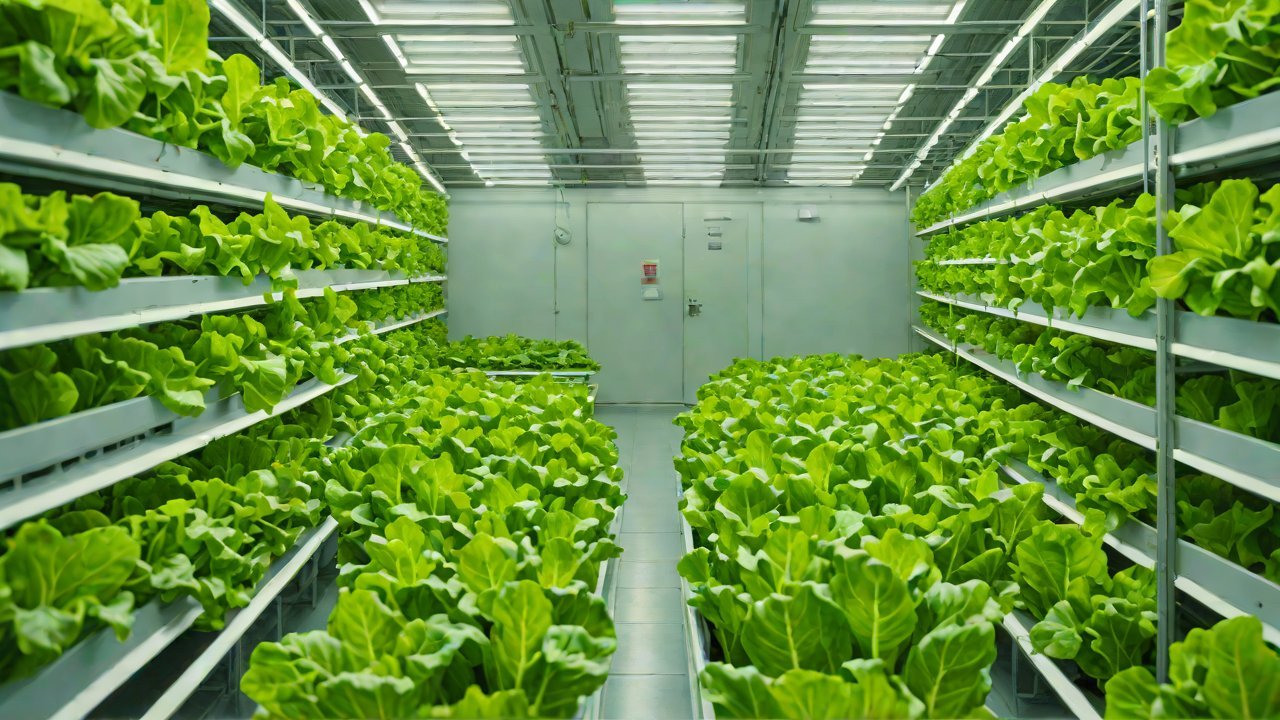
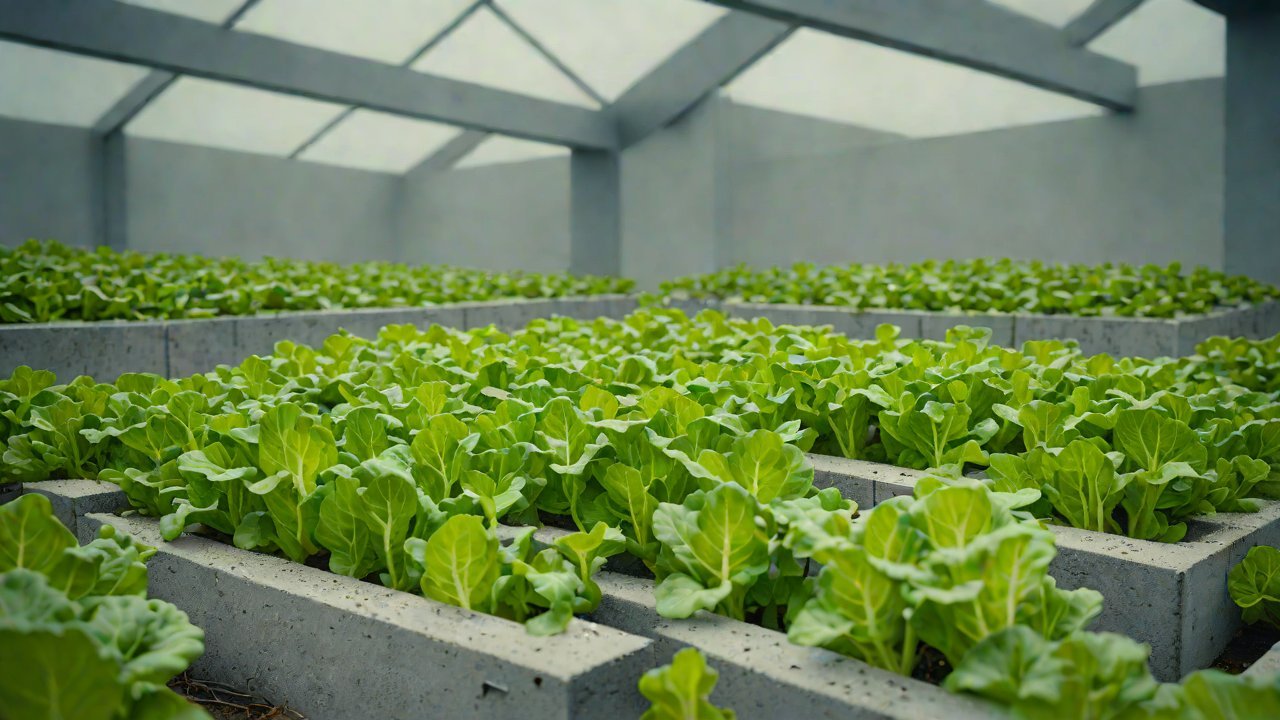
The faint scent of damp earth and decaying lettuce wafts through the musty corridors of an underground air-raid shelter, a relic of bygone eras when the threat of aerial bombardment loomed large over cities worldwide. In this eerie setting, a peculiar phenomenon has been observed: the presence of lettuce in these subterranean spaces, often carefully tended to by their inhabitants. At first glance, it may seem like an inconsequential anomaly, but delve deeper and you’ll uncover an intriguing connection between this humble crop and the intricacies of the Internet of Things (IoT). This report will explore how the IoT simulates the 24 solar terms in the context of lettuce cultivation within underground air-raid shelters.
1. The Intersection of IoT and Agriculture
The advent of the IoT has revolutionized various sectors, including agriculture. By integrating sensors, actuators, and data analytics into farming practices, farmers can optimize crop yields, reduce water consumption, and predict weather patterns with greater accuracy. However, this report focuses on a niche application: using IoT to simulate the 24 solar terms for lettuce cultivation in underground air-raid shelters.
| IoT Component | Function |
|---|---|
| Temperature Sensors | Monitor soil temperature to trigger irrigation or adjust ventilation rates |
| Light Emitting Diodes (LEDs) | Mimic natural light patterns, stimulating plant growth and development |
| Soil Moisture Sensors | Detect water levels in the soil, preventing overwatering or drought conditions |
2. Understanding the 24 Solar Terms
The 24 solar terms are a traditional Chinese calendar system that divides the year into 24 equal periods based on astronomical observations of the sun’s path across the sky. These periods, also known as “jieti,” have been used for centuries to plan agricultural activities and align with natural cycles. By simulating these terms using IoT technology, farmers can replicate the optimal growing conditions for various crops.
| Solar Term | Duration (Days) | Optimal Conditions |
|---|---|---|
| Beginning of Spring | 2-3 days | Soil temperature: 10°C – 15°C; Light intensity: moderate to high |
| Rain Water | 5-6 days | Soil moisture: optimal; Temperature: 15°C – 20°C |

3. Applying IoT Simulation in Underground Air-Raid Shelters
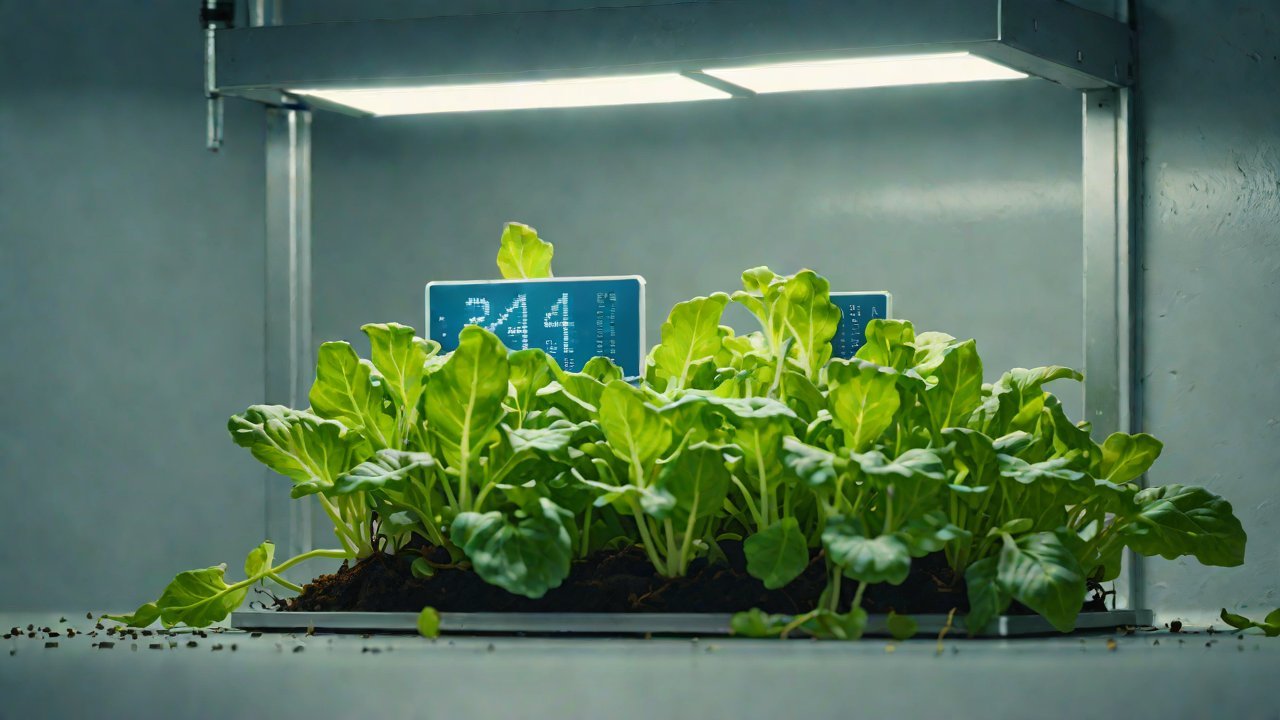
The unique environment of underground air-raid shelters presents a challenge for lettuce cultivation, as natural light is scarce and temperature fluctuations can be extreme. By employing IoT technology to simulate the 24 solar terms, farmers can recreate optimal growing conditions within these spaces.
| Shelter Characteristics | IoT Solution |
|---|---|
| Limited Natural Light | LED lighting with adjustable spectrum and intensity |
| Temperature Fluctuations | Climate control systems with sensors monitoring temperature |
4. Market Analysis: IoT Adoption in Agriculture
The global agricultural IoT market is projected to reach $24.8 billion by 2025, growing at a CAGR of 13.4% (Source: MarketsandMarkets). This trend can be attributed to the increasing adoption of precision agriculture and the need for efficient resource management.
| Market Segment | Growth Rate (%) |
|---|---|
| Precision Agriculture | 14.1% |
| Smart Farming | 12.5% |
5. AIGC Technical Perspective: IoT Architecture for Solar Term Simulation
To effectively simulate the 24 solar terms using IoT technology, a robust architecture is required. This includes:
- Sensor networks collecting environmental data (temperature, humidity, light intensity)
- Data analytics platforms processing and interpreting sensor readings
- Actuators controlling LED lighting, climate control systems, and irrigation schedules
- Cloud-based infrastructure for remote monitoring and data storage
| IoT Architecture Component | Function |
|---|---|
| Edge Computing | Process real-time data from sensors to optimize actuator performance |
| Cloud Services | Store historical data and provide insights for farmers and researchers |
6. Conclusion
The integration of IoT technology in underground air-raid shelters has led to innovative lettuce cultivation practices, simulating the 24 solar terms to optimize crop yields. As the agricultural sector continues to adopt IoT solutions, we can expect further advancements in precision agriculture and resource management.
| Key Takeaways | Description |
|---|---|
| IoT Adoption | Growing market with increasing adoption of precision agriculture |
| Solar Term Simulation | Effective simulation using LED lighting, climate control systems, and irrigation schedules |
| AIGC Depth | Robust architecture required for efficient data processing and actuator control |
The intersection of IoT and agriculture has yielded a unique application in lettuce cultivation within underground air-raid shelters. As we continue to explore the potential of this technology, we may uncover even more innovative solutions to address global food security challenges.
IOT Cloud Platform
IOT Cloud Platform is an IoT portal established by a Chinese IoT company, focusing on technical solutions in the fields of agricultural IoT, industrial IoT, medical IoT, security IoT, military IoT, meteorological IoT, consumer IoT, automotive IoT, commercial IoT, infrastructure IoT, smart warehousing and logistics, smart home, smart city, smart healthcare, smart lighting, etc.
The IoT Cloud Platform blog is a top IoT technology stack, providing technical knowledge on IoT, robotics, artificial intelligence (generative artificial intelligence AIGC), edge computing, AR/VR, cloud computing, quantum computing, blockchain, smart surveillance cameras, drones, RFID tags, gateways, GPS, 3D printing, 4D printing, autonomous driving, etc.