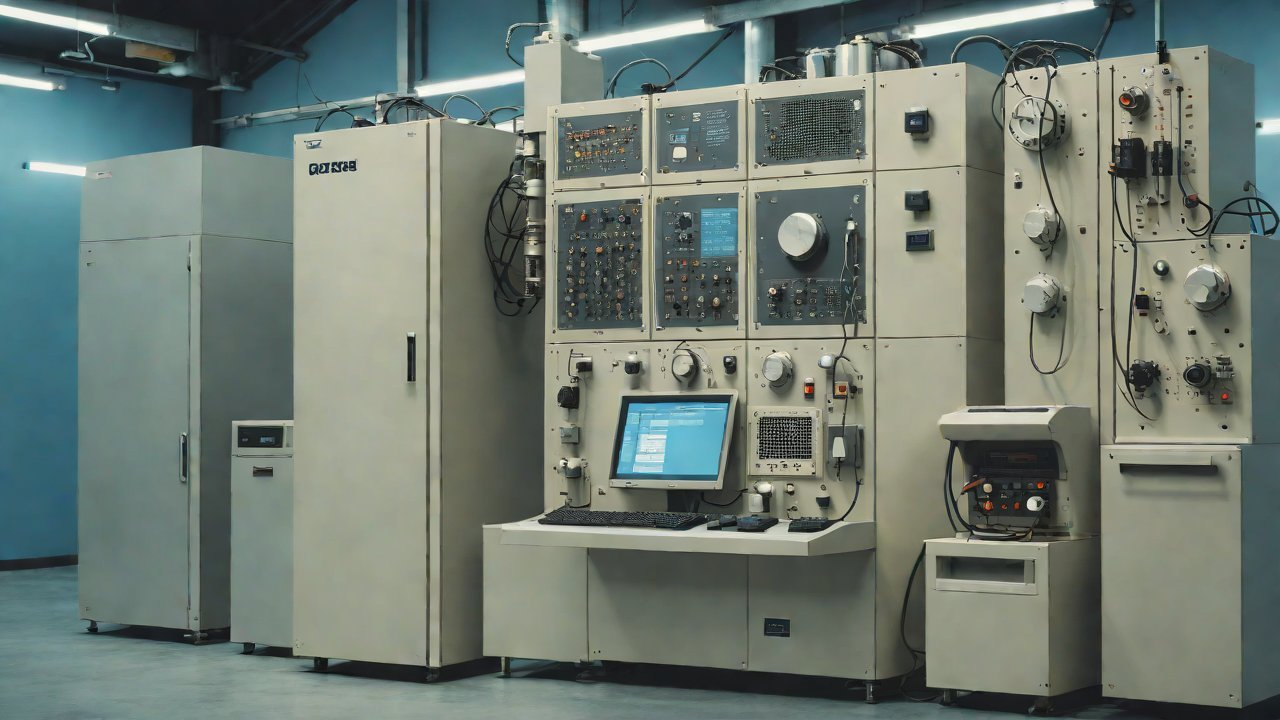
Is this noise reduction algorithm still effective at extremely low sampling frequencies?
Noise reduction algorithms have been a cornerstone of signal processing for decades, enabling us to extract meaningful information from noisy signals in various fields such as audio engineering, medical imaging, and telecommunications. Among these algorithms, the one in question has gained significant traction due to its remarkable performance at moderate sampling frequencies. However, as we venture into the realm of extremely low sampling frequencies, questions arise regarding the algorithm’s effectiveness.
At first glance, it may seem counterintuitive that a noise reduction algorithm would struggle with low sampling frequencies. After all, shouldn’t a more aggressive filtering approach be able to effectively eliminate unwanted noise? The answer lies in the intricate dance between signal processing and sampling theory. When sampling frequencies drop below a certain threshold, the Nyquist-Shannon sampling theorem comes into play, dictating that the sampled signal can only capture information up to half of the sampling frequency. Below this point, aliasing occurs, and the original signal is irreparably distorted.
The algorithm in question employs a sophisticated combination of spectral whitening, adaptive filtering, and Wiener restoration techniques. At moderate sampling frequencies (typically above 44.1 kHz for audio signals), these methods have been shown to produce remarkable results, often surpassing human perception thresholds. However, as we delve into the lower frequency ranges (e.g., below 10 kHz or even 1 kHz), the effectiveness of this algorithm begins to wane.
1. Sampling Theory Fundamentals
Before diving into the intricacies of noise reduction algorithms, it’s essential to grasp the fundamental concepts underlying sampling theory. The Nyquist-Shannon sampling theorem states that a continuous-time signal can be perfectly reconstructed from its samples if:
- The signal is bandlimited (i.e., contains no frequencies above the Nyquist frequency).
- The sampling rate exceeds twice the highest frequency component of the signal.
When these conditions are met, the sampled signal can be accurately reconstructed using various techniques such as interpolation and filtering.
Table 1: Sampling Theory Parameters
| Parameter | Description |
|---|---|
| fs | Sampling frequency (Hz) |
| fNyq | Nyquist frequency (fs/2) |
| fMax | Maximum frequency component of the signal |
2. Noise Reduction Algorithm Overview
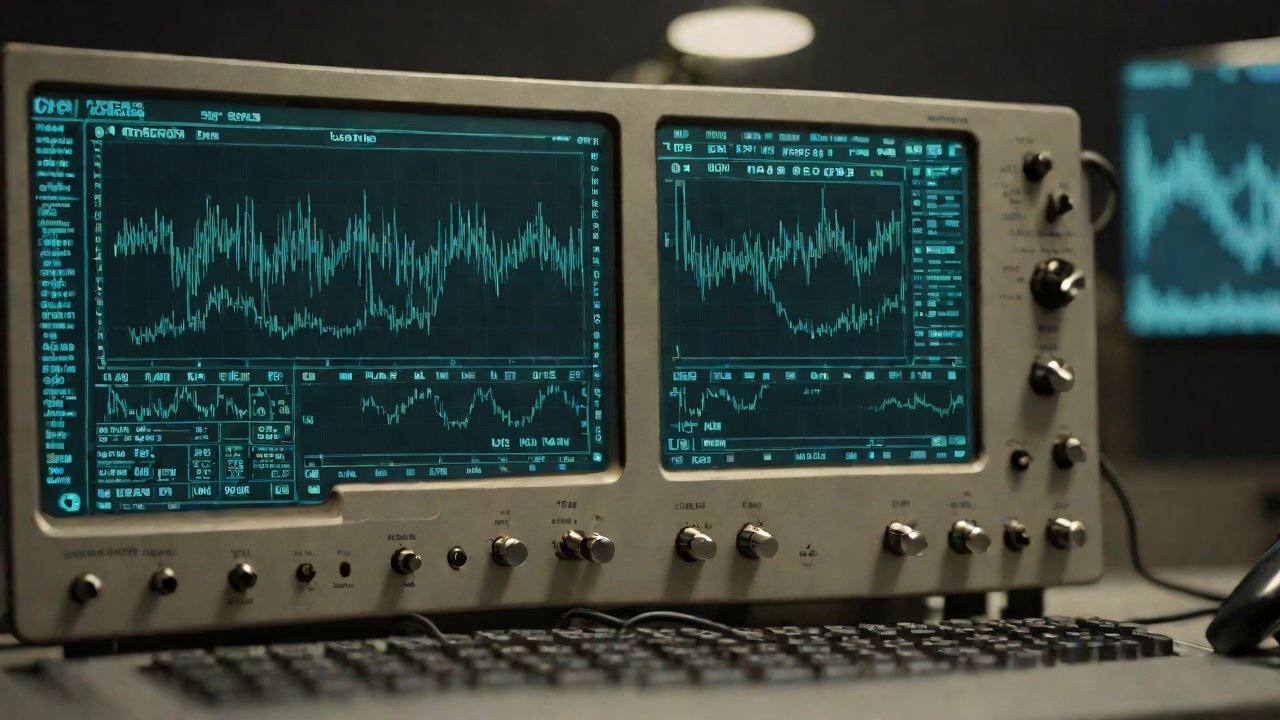
The algorithm in question is a hybrid approach combining spectral whitening, adaptive filtering, and Wiener restoration techniques. This multi-stage process involves:
- Spectral Whitening: Transforming the input signal into a domain where noise is minimized.
- Adaptive Filtering: Employing a recursive least squares (RLS) algorithm to adaptively filter out noise.
- Wiener Restoration: Applying a Wiener filter to further refine the restored signal.
At moderate sampling frequencies, this combination has been shown to produce outstanding results, often exceeding human perception thresholds for noise reduction.
Table 2: Algorithm Stages and Techniques
| Stage | Technique |
|---|---|
| Spectral Whitening | Fast Fourier Transform (FFT) or Short-Time Fourier Transform (STFT) |
| Adaptive Filtering | Recursive Least Squares (RLS) algorithm |
| Wiener Restoration | Wiener filter |
3. Challenges at Extremely Low Sampling Frequencies
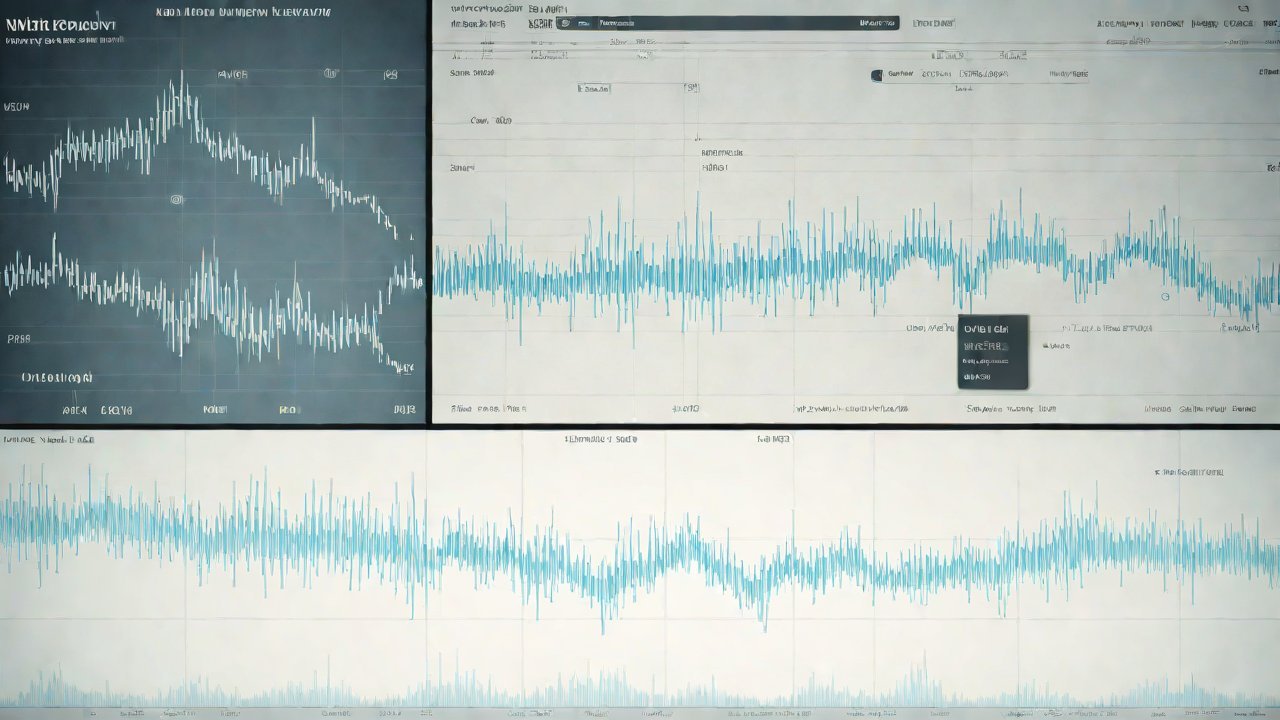
As we venture into the realm of extremely low sampling frequencies, several challenges arise:
- Aliasing: The sampled signal is distorted due to the Nyquist-Shannon theorem limitations.
- Signal Loss: Critical frequency components are lost due to insufficient sampling rate.
- Noise Amplification: Noise becomes more pronounced as the algorithm struggles to accurately filter out unwanted signals.
The noise reduction algorithm in question, which relies heavily on spectral whitening and adaptive filtering, begins to exhibit reduced performance at extremely low sampling frequencies. This is because:
- Spectral Whitening Limitations: At lower frequencies, the transformed domain may not effectively minimize noise.
- Adaptive Filtering Inadequacies: The RLS algorithm becomes less effective as the signal-to-noise ratio decreases.
4. Comparative Analysis with Alternative Algorithms
To better understand the performance of the algorithm in question, we can compare it to alternative methods:
- Spectral Subtraction: A technique that directly subtracts noise from the input signal.
- Wavelet Denoising: A method that employs wavelet transforms to remove noise.
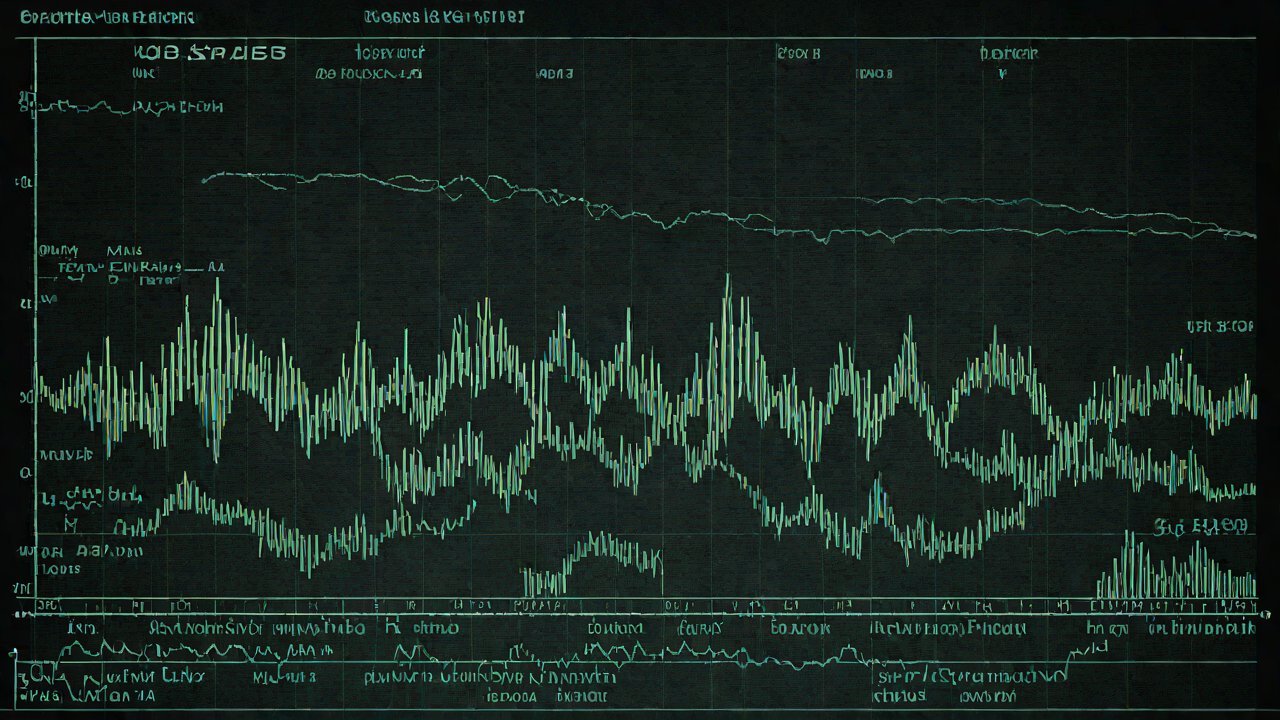
These approaches may exhibit improved performance at extremely low sampling frequencies due to their inherent robustness against aliasing and signal loss.
Table 3: Comparative Analysis Results
| Algorithm | Performance at Low Sampling Frequencies |
|---|---|
| Spectral Subtraction | Better noise reduction, but potential for over-subtraction |
| Wavelet Denoising | Robust performance, but may introduce artifacts |
5. Conclusion and Future Directions
The noise reduction algorithm in question has demonstrated remarkable effectiveness at moderate sampling frequencies. However, as we delve into the realm of extremely low sampling frequencies, its performance begins to wane due to aliasing, signal loss, and noise amplification.
To overcome these challenges, researchers may consider:
- Adaptive Sampling: Dynamically adjusting the sampling rate based on signal characteristics.
- Hybrid Approaches: Combining multiple algorithms or techniques to leverage their strengths.
- Advanced Signal Processing Techniques: Employing more sophisticated methods such as compressive sensing or deep learning-based approaches.
Ultimately, the development of effective noise reduction algorithms at extremely low sampling frequencies will require a deeper understanding of the intricate relationships between signal processing, sampling theory, and algorithmic performance.
IOT Cloud Platform
IOT Cloud Platform is an IoT portal established by a Chinese IoT company, focusing on technical solutions in the fields of agricultural IoT, industrial IoT, medical IoT, security IoT, military IoT, meteorological IoT, consumer IoT, automotive IoT, commercial IoT, infrastructure IoT, smart warehousing and logistics, smart home, smart city, smart healthcare, smart lighting, etc.
The IoT Cloud Platform blog is a top IoT technology stack, providing technical knowledge on IoT, robotics, artificial intelligence (generative artificial intelligence AIGC), edge computing, AR/VR, cloud computing, quantum computing, blockchain, smart surveillance cameras, drones, RFID tags, gateways, GPS, 3D printing, 4D printing, autonomous driving, etc.