Is an Edge Computing Unit Hardware or Software?
The concept of edge computing has revolutionized the way we process and analyze data, allowing for faster insights and more efficient decision-making in a variety of industries. At its core, edge computing involves moving computational tasks away from centralized data centers to the “edge” of the network – closer to where the data is generated. This shift has significant implications for how we classify an edge computing unit: is it hardware or software? In this report, we’ll delve into the intricacies of edge computing and explore the complexities surrounding this question.
1. Edge Computing Fundamentals
Edge computing involves processing data in real-time, closer to where it’s generated, rather than sending it to a centralized cloud or data center for processing. This approach offers several benefits, including:
- Reduced latency: By processing data locally, edge computing reduces the time it takes for data to be processed and analyzed.
- Increased bandwidth efficiency: By reducing the amount of data that needs to be transmitted, edge computing conserves network bandwidth.
- Improved security: Edge computing reduces the risk of data breaches by keeping sensitive data on-premises.
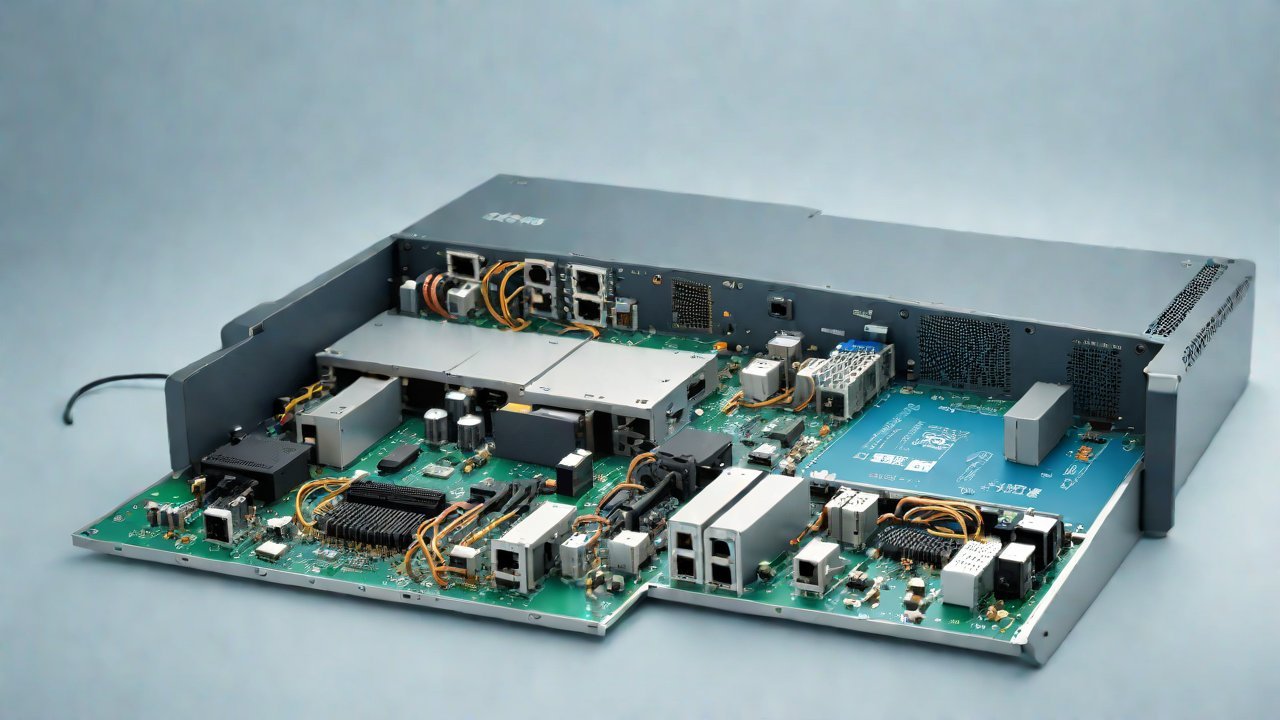
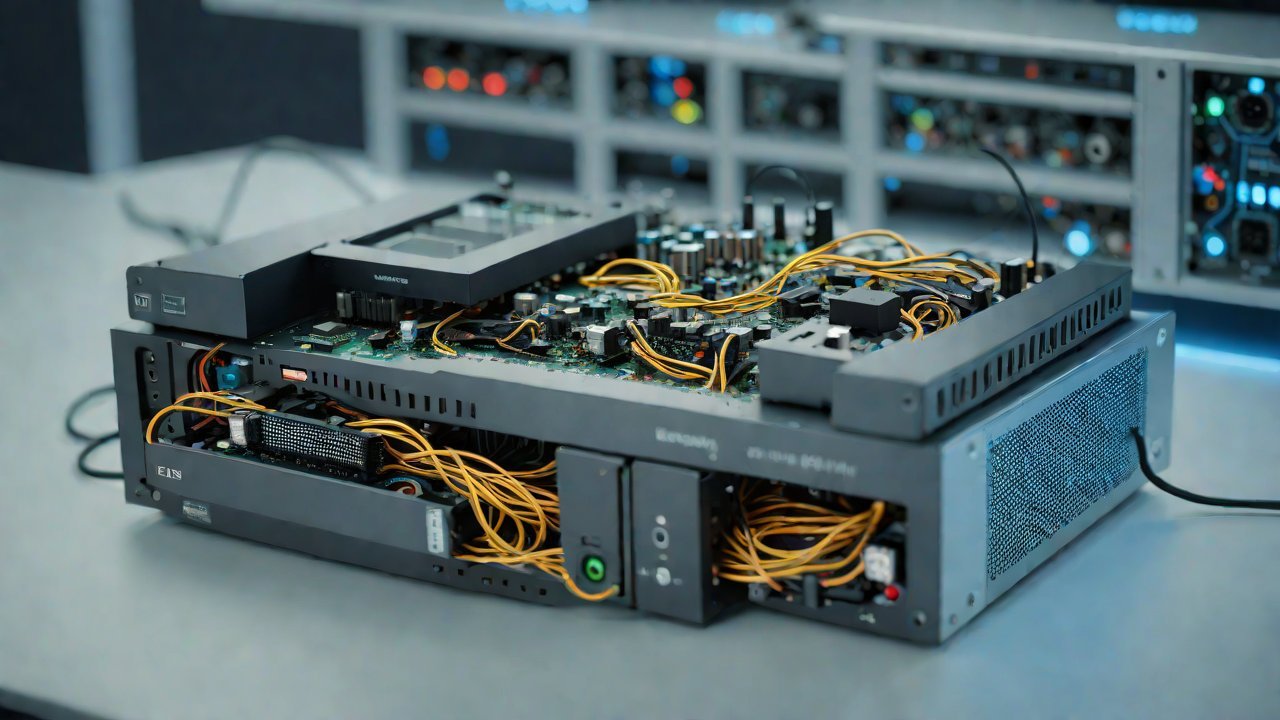
Edge computing units can take various forms, including specialized hardware appliances, software-based solutions, or a combination of both. Some common examples of edge computing devices include:
| Device | Description |
|---|---|
| Routers and Switches | Manage network traffic and direct it to the correct destinations. |
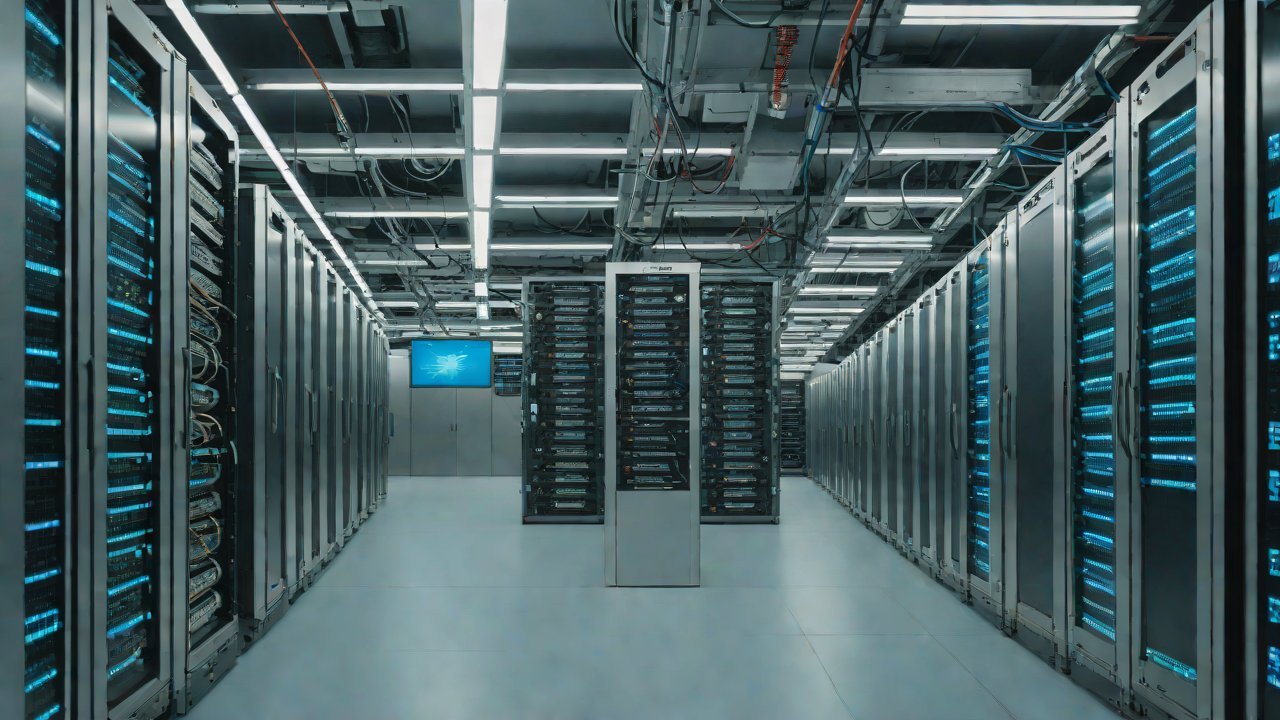
| Servers and Storage Systems | Provide processing power and storage capacity for edge applications. |
| Gateways and Proxies | Act as intermediaries between different networks or systems, facilitating data exchange. |
2. Hardware vs. Software: A Gray Area
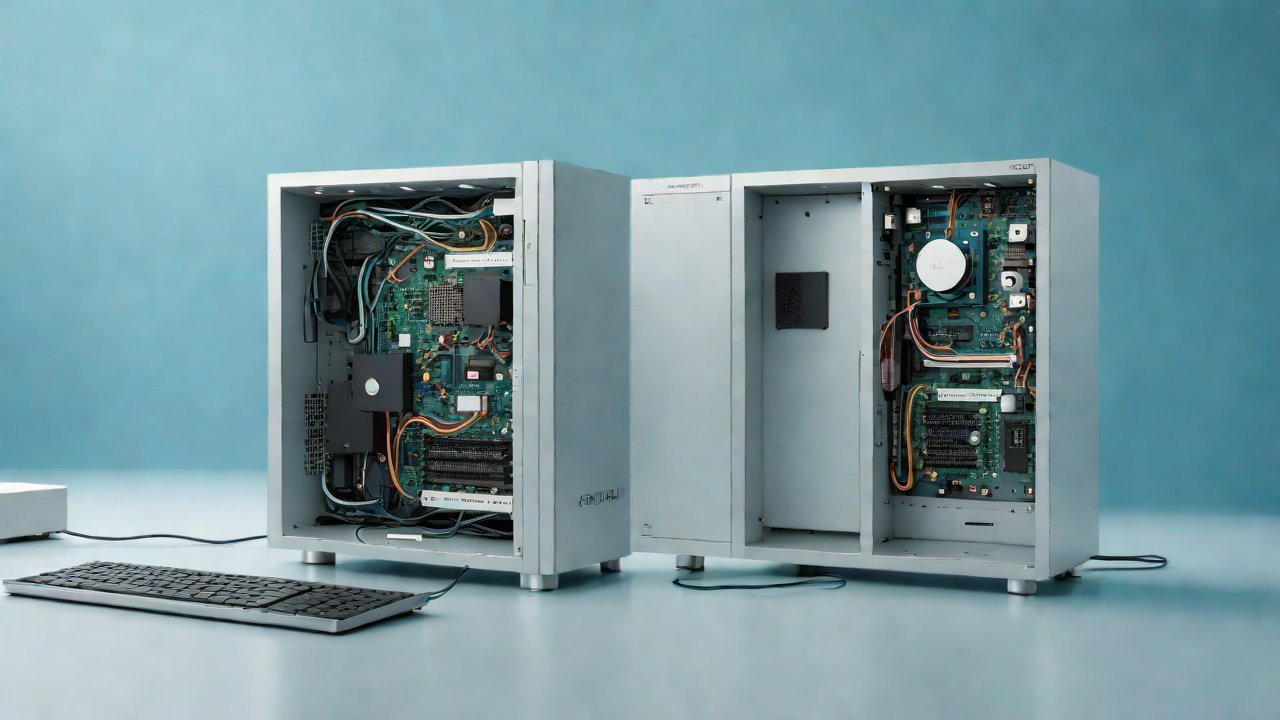
The classification of an edge computing unit as hardware or software is not always clear-cut. In many cases, the distinction between the two becomes blurred.
On one hand, some edge computing solutions rely heavily on specialized hardware components, such as:
- Field-Programmable Gate Arrays (FPGAs): Programmable integrated circuits that can be reconfigured to perform specific tasks.
- Graphics Processing Units (GPUs): High-performance processors designed for graphics rendering and other compute-intensive tasks.
These hardware components are often used in conjunction with software frameworks, such as TensorFlow or PyTorch, to create a complete edge computing solution.
On the other hand, some edge computing solutions rely entirely on software-based approaches, leveraging:
- Containerization: Lightweight virtualization techniques that allow for multiple applications to run on a single host.
- Serverless Computing: Cloud-based services that abstract away the underlying infrastructure and focus on providing scalable compute resources.
In these cases, the distinction between hardware and software becomes even more tenuous, as the same solution may involve both components.
3. Market Trends and Perspectives
The edge computing market is rapidly evolving, driven by growing demand for real-time insights and increased network congestion. According to a recent report by MarketsandMarkets:
| Year | Edge Computing Market Size (USD billion) |
|---|---|
| 2020 | 2.8 |
| 2025 | 13.4 |
As the market continues to grow, we can expect to see even more innovative solutions emerge that blur the lines between hardware and software.
4. Case Studies: Real-World Applications
Several companies are already leveraging edge computing to drive business value in various industries:
- Industrial Automation: Companies like Siemens and GE use edge computing to optimize manufacturing processes, improve product quality, and reduce energy consumption.
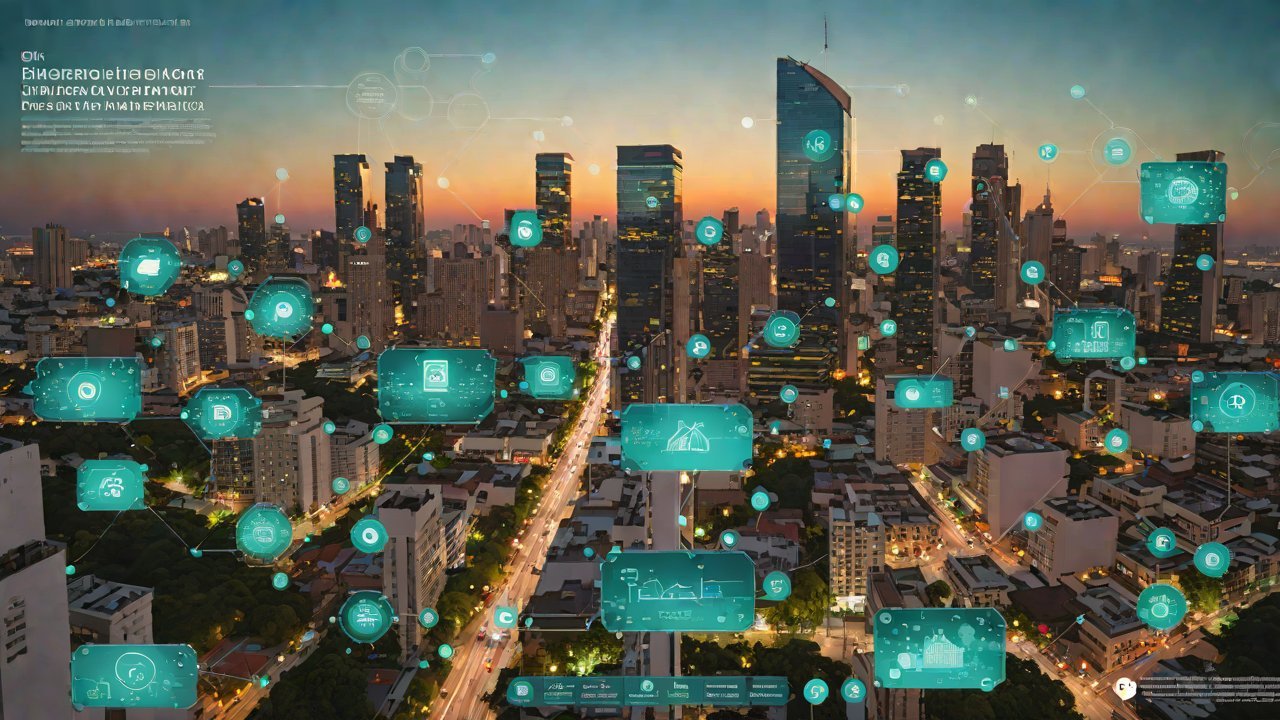
- Smart Cities: Municipalities like Barcelona and Singapore deploy edge computing solutions to manage traffic flow, monitor air quality, and provide public Wi-Fi services.
- Retail and Marketing: Retailers like Walmart and Target use edge computing to analyze customer behavior, optimize supply chains, and enhance in-store experiences.
These case studies demonstrate the versatility of edge computing and its ability to drive business value across various industries.
5. Conclusion
In conclusion, the classification of an edge computing unit as hardware or software is complex and multifaceted. While some solutions rely heavily on specialized hardware components, others focus on software-based approaches. As the market continues to evolve, we can expect to see even more innovative solutions emerge that blur the lines between these two categories.
Ultimately, the true power of edge computing lies in its ability to drive real-time insights and decision-making across various industries. By embracing this technology and understanding its intricacies, businesses can unlock new opportunities for growth and competitiveness.
IOT Cloud Platform
IOT Cloud Platform is an IoT portal established by a Chinese IoT company, focusing on technical solutions in the fields of agricultural IoT, industrial IoT, medical IoT, security IoT, military IoT, meteorological IoT, consumer IoT, automotive IoT, commercial IoT, infrastructure IoT, smart warehousing and logistics, smart home, smart city, smart healthcare, smart lighting, etc.
The IoT Cloud Platform blog is a top IoT technology stack, providing technical knowledge on IoT, robotics, artificial intelligence (generative artificial intelligence AIGC), edge computing, AR/VR, cloud computing, quantum computing, blockchain, smart surveillance cameras, drones, RFID tags, gateways, GPS, 3D printing, 4D printing, autonomous driving, etc.