IoT project ideas for engineering students in 2026
As we step into the uncharted territories of 2026, the Internet of Things (IoT) landscape is poised to transform the world around us. With an estimated 27.1 billion connected devices by 2025, the IoT market is expected to reach a staggering $14.2 trillion in value by 2027. For engineering students, this represents a vast playground for innovation and creativity. The potential applications of IoT technologies are diverse, ranging from smart cities and homes to industrial automation and healthcare. In this report, we will delve into some of the most exciting and relevant IoT project ideas that engineering students can explore in 2026.
1. Smart City Infrastructure
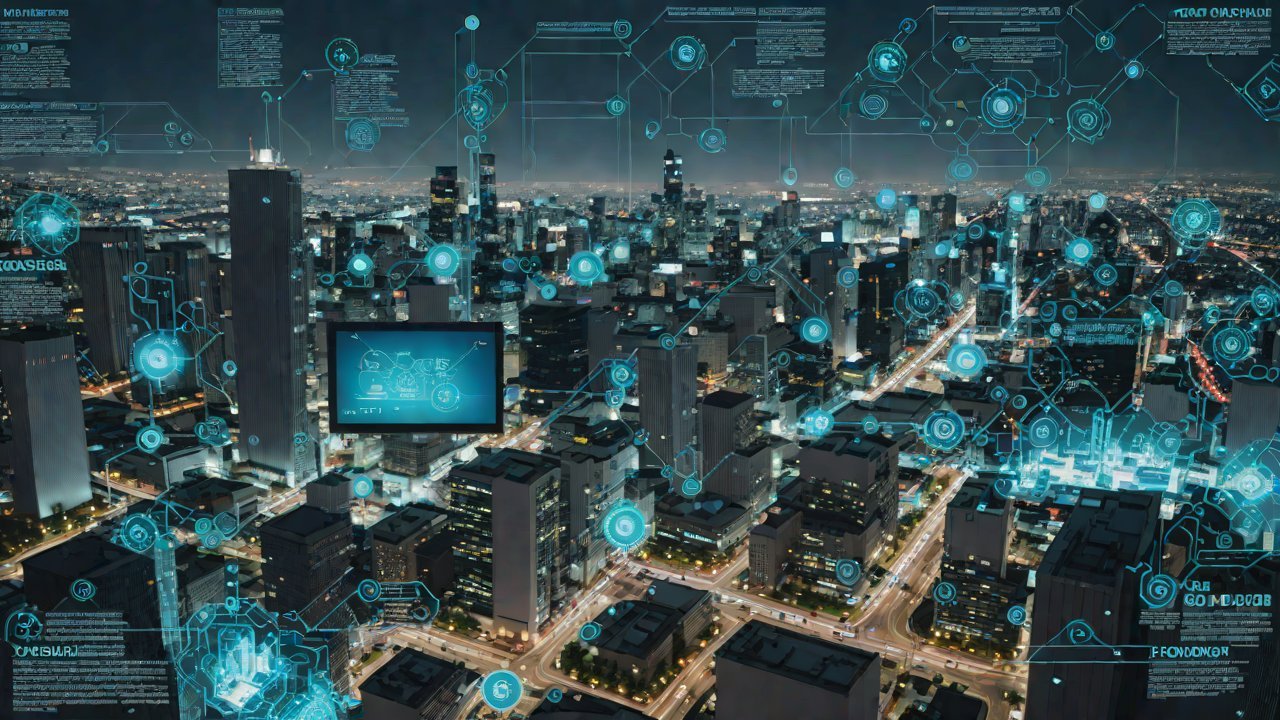
Smart city infrastructure is one of the most promising areas for IoT adoption. With the increasing population and urbanization, cities are facing challenges such as traffic congestion, energy consumption, and waste management. Engineering students can develop IoT projects that integrate sensors, data analytics, and AI to optimize city operations.
| Project Idea | Description |
|---|---|
| Smart Traffic Management | Implementing intelligent traffic lights that adjust their timing based on real-time traffic data and pedestrian flow. |
| Energy-Efficient Buildings | Developing a system that monitors energy consumption in buildings and adjusts lighting, temperature, and HVAC systems accordingly. |
2. Industrial Automation
Industrial automation is another significant area for IoT adoption. With the increasing demand for efficiency and productivity, companies are looking to leverage IoT technologies to optimize their manufacturing processes.
| Project Idea | Description |
|---|---|
| Predictive Maintenance | Developing a system that uses machine learning algorithms to predict equipment failures and schedule maintenance accordingly. |
| Supply Chain Optimization | Implementing a real-time tracking system that monitors inventory levels, shipping routes, and delivery times to minimize delays and costs. |
3. Healthcare and Medical Devices
The healthcare industry is undergoing a significant transformation with the adoption of IoT technologies. Engineering students can develop projects that integrate medical devices, sensors, and data analytics to improve patient outcomes.
| Project Idea | Description |
|---|---|
| Wearable Health Monitors | Developing wearable devices that track vital signs, physical activity, and sleep patterns to provide real-time health insights. |
| Remote Patient Monitoring | Implementing a system that allows healthcare professionals to remotely monitor patients with chronic conditions, reducing the need for hospital visits. |
4. Home Automation
Home automation is becoming increasingly popular as people seek to make their living spaces more convenient and energy-efficient. Engineering students can develop projects that integrate IoT technologies with home appliances and devices.
| Project Idea | Description |
|---|---|
| Smart Lighting Systems | Developing a system that adjusts lighting levels based on natural light, occupancy, and time of day. |
| Energy-Efficient Home Appliances | Implementing a system that monitors energy consumption in homes and optimizes appliance usage accordingly. |
5. Agriculture and Farming
Agriculture is another significant area for IoT adoption. With the increasing demand for food security and sustainability, farmers are looking to leverage IoT technologies to optimize their crop yields.
| Project Idea | Description |
|---|---|
| Precision Farming | Developing a system that uses sensors, drones, and data analytics to monitor soil moisture, temperature, and crop health in real-time. |
| Livestock Monitoring | Implementing a system that tracks animal behavior, health, and nutrition to improve farm efficiency and reduce costs. |

6. Environmental Monitoring
Environmental monitoring is critical for understanding the impact of human activities on the environment. Engineering students can develop projects that integrate IoT technologies with sensors, data analytics, and AI to monitor air quality, water pollution, and climate change.
| Project Idea | Description |
|---|---|
| Air Quality Monitoring | Developing a system that tracks real-time air quality levels in urban areas, providing insights into pollution sources and mitigation strategies. |
| Water Pollution Detection | Implementing a system that uses sensors and machine learning algorithms to detect water pollutants in real-time, enabling early intervention and prevention. |
7. Robotics and Autonomous Systems
Robotics and autonomous systems are becoming increasingly important in various industries, including manufacturing, logistics, and healthcare. Engineering students can develop projects that integrate IoT technologies with robotics and AI to improve efficiency and productivity.
| Project Idea | Description |
|---|---|
| Autonomous Delivery Robots | Developing a system that uses machine learning algorithms to navigate delivery routes and optimize package delivery times. |
| Robotic Process Automation | Implementing a system that automates repetitive tasks in manufacturing, logistics, and healthcare using robotics and AI. |
8. Cybersecurity
Cybersecurity is a critical aspect of IoT adoption, as connected devices can create new vulnerabilities for hacking and data breaches. Engineering students can develop projects that integrate IoT technologies with cybersecurity measures to protect against cyber threats.
| Project Idea | Description |
|---|---|
| IoT Device Security | Developing a system that monitors IoT device activity in real-time, detecting potential security threats and alerting administrators accordingly. |
| Data Encryption | Implementing a system that encrypts data transmitted between devices, ensuring confidentiality and integrity of sensitive information. |

9. Education and Training
Education and training are critical for upskilling workers to adapt to the changing job market. Engineering students can develop projects that integrate IoT technologies with educational platforms to provide immersive and interactive learning experiences.
| Project Idea | Description |
|---|---|
| Virtual Reality Training | Developing a system that uses VR technology to simulate real-world scenarios, enabling hands-on training for professionals in industries such as manufacturing and healthcare. |
| Smart Classrooms | Implementing a system that integrates IoT devices with educational platforms, providing real-time feedback and analytics on student performance and learning outcomes. |
10. Research and Development
Research and development are essential for advancing the state-of-the-art in IoT technologies. Engineering students can develop projects that explore new applications, algorithms, and architectures for IoT systems.
| Project Idea | Description |
|---|---|
| Edge AI for IoT Devices | Developing a system that integrates edge computing with machine learning algorithms to enable real-time processing of IoT data on device-level. |
| Blockchain-based IoT Security | Implementing a system that uses blockchain technology to secure IoT device data and prevent unauthorized access or tampering. |
In conclusion, the potential applications of IoT technologies are vast and diverse, offering engineering students a wide range of project ideas to explore in 2026. From smart city infrastructure to industrial automation, healthcare, and environmental monitoring, there is no shortage of opportunities for innovation and creativity. By integrating sensors, data analytics, AI, and cybersecurity measures with IoT devices, engineering students can develop projects that transform industries and improve lives.
IOT Cloud Platform
IOT Cloud Platform is an IoT portal established by a Chinese IoT company, focusing on technical solutions in the fields of agricultural IoT, industrial IoT, medical IoT, security IoT, military IoT, meteorological IoT, consumer IoT, automotive IoT, commercial IoT, infrastructure IoT, smart warehousing and logistics, smart home, smart city, smart healthcare, smart lighting, etc.
The IoT Cloud Platform blog is a top IoT technology stack, providing technical knowledge on IoT, robotics, artificial intelligence (generative artificial intelligence AIGC), edge computing, AR/VR, cloud computing, quantum computing, blockchain, smart surveillance cameras, drones, RFID tags, gateways, GPS, 3D printing, 4D printing, autonomous driving, etc.
Note: This article was professionally generated with the assistance of AIGC and has been fact-checked and manually corrected by IoT expert editor IoTCloudPlatForm.