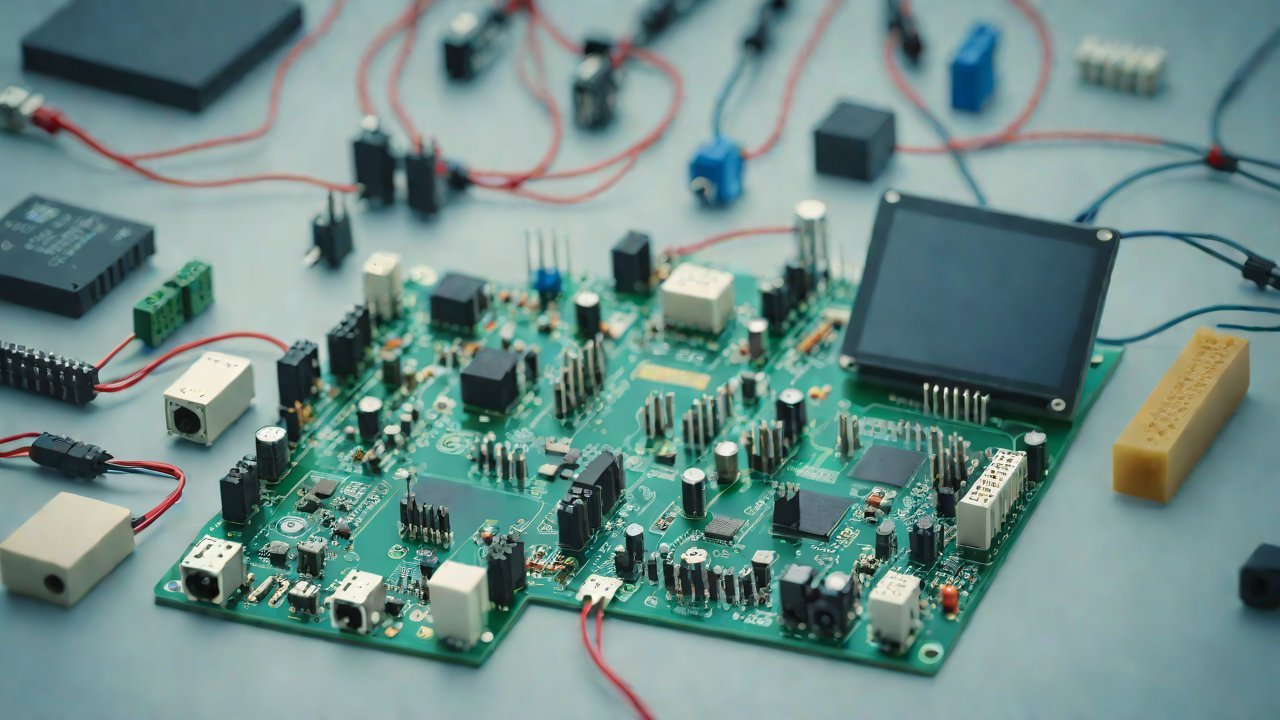
IoT Microcontroller Principles and Technology
The Internet of Things (IoT) has revolutionized the way we live and work, and at its core is the microcontroller – a tiny, yet mighty, computer that enables devices to interact with the physical world. As the world becomes increasingly interconnected, the demand for efficient, reliable, and secure IoT microcontrollers is skyrocketing. In this report, we will delve into the principles and technology behind IoT microcontrollers, exploring their architecture, applications, and future prospects.
1. Microcontroller Fundamentals
A microcontroller (MCU) is a single chip that integrates a processor, memory, and input/output (I/O) peripherals. It is essentially a small computer that can perform tasks independently, making it an essential component in IoT devices. The basic architecture of a microcontroller consists of:
- Central Processing Unit (CPU): executes instructions and performs calculations
- Memory: stores program code, data, and operating system
- Input/Output (I/O) Peripherals: interact with external devices, such as sensors, displays, and actuators
Types of Microcontrollers
There are several types of microcontrollers, each with its own strengths and weaknesses:
| Type | Description |
|---|---|
| 8-bit MCUs | Simple, low-cost, and widely used in IoT devices, such as sensors and actuators |
| 16-bit MCUs | More powerful than 8-bit MCUs, used in applications requiring higher performance, such as motor control and robotics |
| 32-bit MCUs | High-performance MCUs used in demanding applications, such as industrial automation and medical devices |
2. Microcontroller Architecture
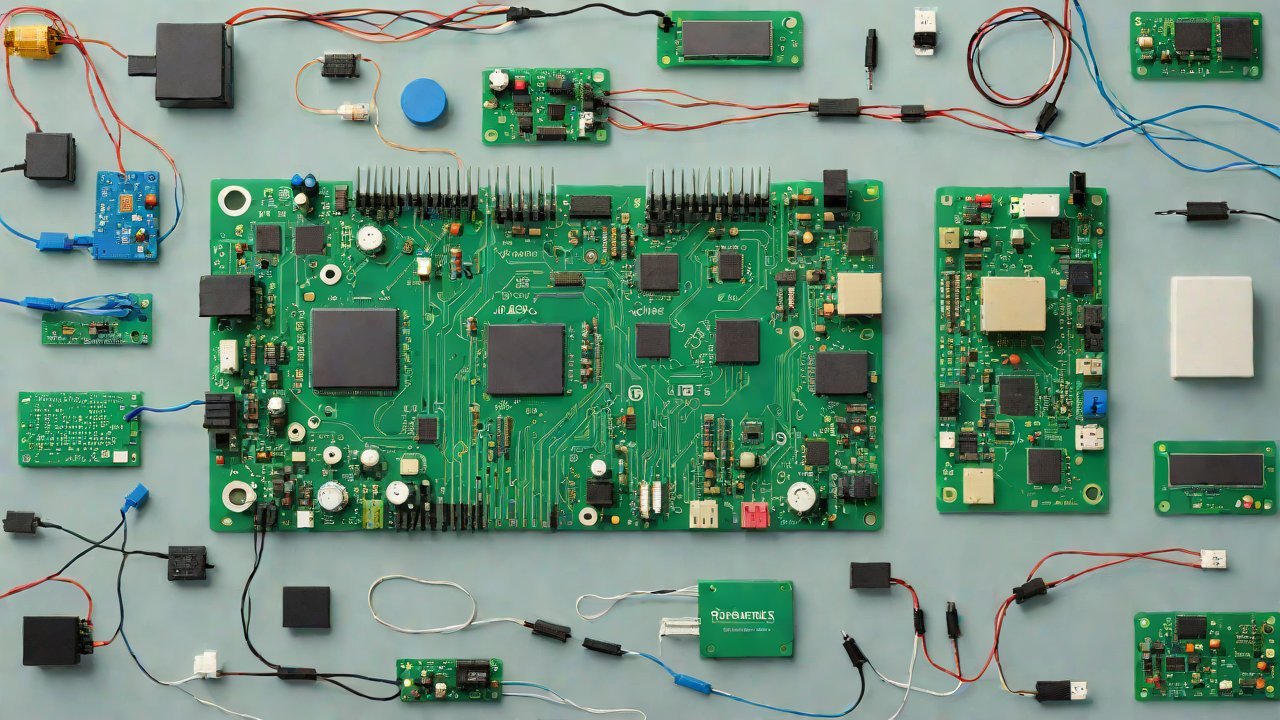
The architecture of a microcontroller is critical to its performance and functionality. The main components of a microcontroller architecture are:
- Memory Hierarchy: includes cache memory, main memory, and external memory
- Bus Architecture: connects the CPU, memory, and I/O peripherals
- Interrupt System: handles interrupts and exceptions
Memory Hierarchy
The memory hierarchy is crucial to a microcontroller’s performance, as it affects the speed and efficiency of data access. The memory hierarchy consists of:
| Level | Description |
|---|---|
| Cache Memory | Small, fast memory that stores frequently accessed data |
| Main Memory | Larger, slower memory that stores program code and data |
| External Memory | External memory devices, such as flash memory and RAM |
3. Microcontroller Programming
Programming a microcontroller requires a deep understanding of the microcontroller’s architecture, peripherals, and programming model. The most common programming languages used for microcontrollers are:
- C: a popular, widely used language for microcontroller programming
- C++: an object-oriented language that provides more flexibility and control
- Assembly Language: a low-level language that provides direct access to hardware resources
Programming Models
There are several programming models used for microcontrollers, each with its own strengths and weaknesses:
| Model | Description |
|---|---|
| Linear Programming Model | Simple, easy to understand, but limited in functionality |
| Interrupt-Driven Programming Model | More complex, but provides better performance and responsiveness |
| Event-Driven Programming Model | Most complex, but provides the highest level of flexibility and control |
4. Microcontroller Applications
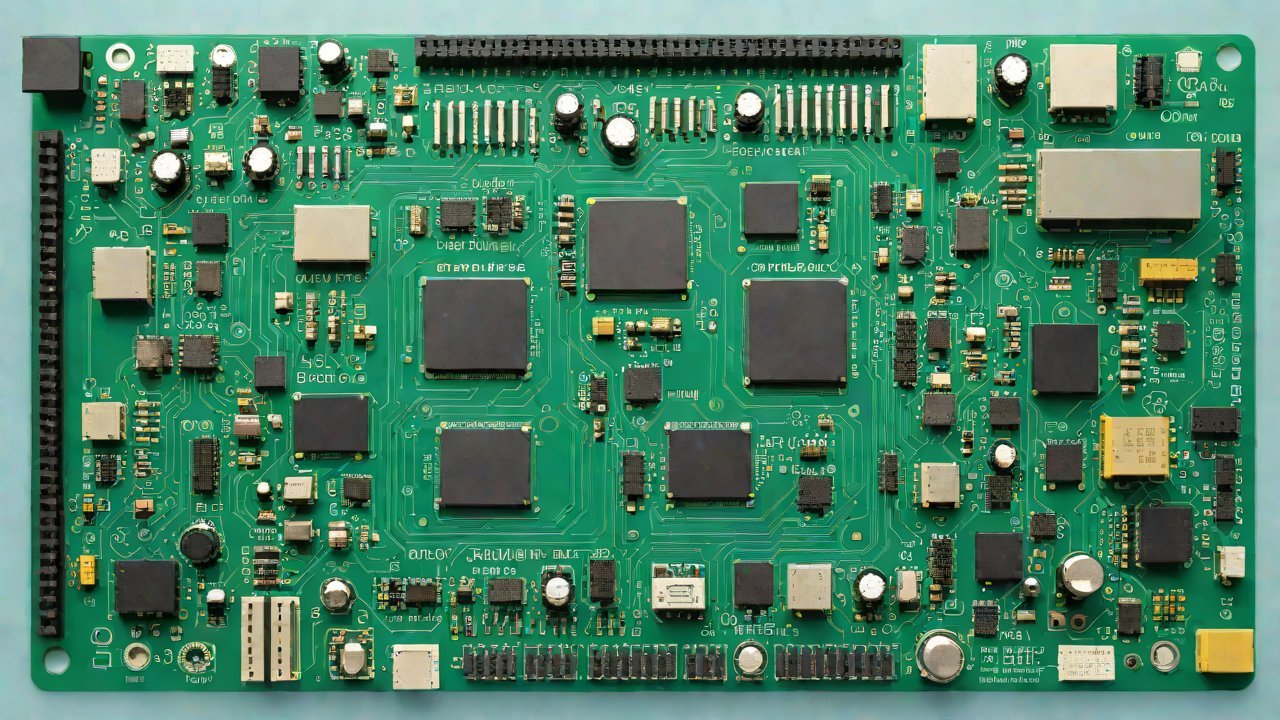
Microcontrollers are used in a wide range of applications, from simple sensors and actuators to complex industrial automation systems. Some of the most common applications of microcontrollers include:
- IoT Devices: microcontrollers are used in IoT devices, such as smart home appliances, wearables, and industrial sensors
- Automotive Systems: microcontrollers are used in automotive systems, such as engine control units, transmission control units, and safety systems
- Industrial Automation: microcontrollers are used in industrial automation systems, such as motor control, robotics, and process control
5. Microcontroller Security
As IoT devices become increasingly connected, security becomes a critical concern. Microcontrollers are vulnerable to various types of attacks, including:
- Malware: malicious software that can compromise the integrity and security of the microcontroller
- Side-Channel Attacks: attacks that exploit the microcontroller’s electromagnetic radiation or power consumption
- Physical Attacks: attacks that compromise the microcontroller’s physical security, such as tampering or reverse engineering
Countermeasures
To mitigate these risks, various countermeasures can be employed, including:
- Secure Boot: ensures that the microcontroller boots with a trusted firmware image
- Code Signing: ensures that the microcontroller executes only trusted code
- Encryption: protects the microcontroller’s data and communications from unauthorized access
6. Microcontroller Future Prospects
The future of microcontrollers is bright, with advances in technology and increasing demand for IoT devices. Some of the key trends and prospects for microcontrollers include:
- Artificial Intelligence (AI): microcontrollers will increasingly integrate AI capabilities, enabling more sophisticated and autonomous applications
- Internet of Things (IoT): microcontrollers will continue to play a critical role in IoT devices, enabling connectivity, sensing, and actuation
- 5G and Edge Computing: microcontrollers will need to adapt to the increasing demands of 5G and edge computing, enabling faster, more efficient, and more secure applications
The microcontroller is a critical component in the IoT ecosystem, enabling devices to interact with the physical world. As the world becomes increasingly connected, the demand for efficient, reliable, and secure microcontrollers will only continue to grow. By understanding the principles and technology behind microcontrollers, developers can create more sophisticated and autonomous applications, driving innovation and progress in the IoT industry.
IOT Cloud Platform
IOT Cloud Platform is an IoT portal established by a Chinese IoT company, focusing on technical solutions in the fields of agricultural IoT, industrial IoT, medical IoT, security IoT, military IoT, meteorological IoT, consumer IoT, automotive IoT, commercial IoT, infrastructure IoT, smart warehousing and logistics, smart home, smart city, smart healthcare, smart lighting, etc.
The IoT Cloud Platform blog is a top IoT technology stack, providing technical knowledge on IoT, robotics, artificial intelligence (generative artificial intelligence AIGC), edge computing, AR/VR, cloud computing, quantum computing, blockchain, smart surveillance cameras, drones, RFID tags, gateways, GPS, 3D printing, 4D printing, autonomous driving, etc.



