IoT Kit Raspberry Pi Prices
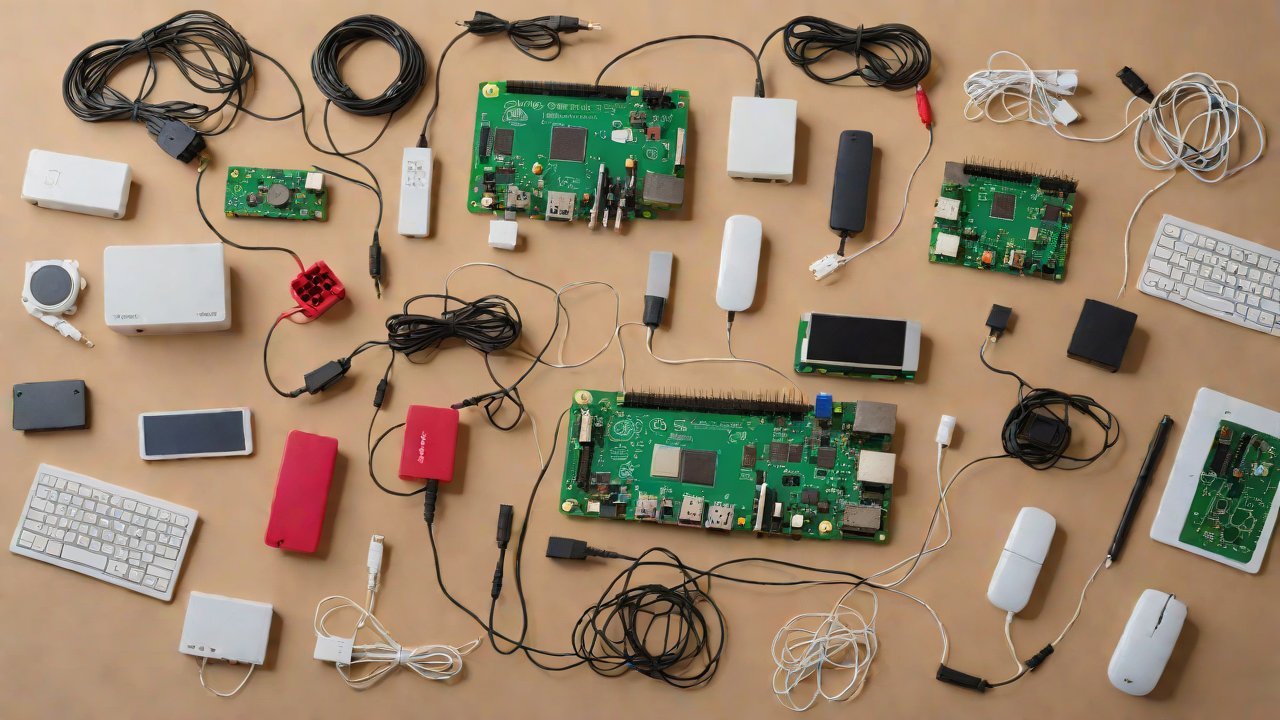
The Raspberry Pi has been a stalwart in the world of IoT development kits for over a decade, offering an affordable and accessible entry point into the realm of microcontrollers and single-board computers. As the landscape of IoT continues to evolve, with advancements in AI, ML, and edge computing, the demand for versatile and cost-effective development tools like Raspberry Pi has never been higher.
The versatility of Raspberry Pi lies not just in its affordability but also in its adaptability. With a wide range of add-ons and modules available, users can transform their Raspberry Pi into everything from a fully-fledged computer to a dedicated IoT device, capable of handling complex tasks such as image recognition, natural language processing, and more.
However, with this versatility comes the challenge of pricing. The market for IoT development kits is saturated with numerous options, each vying for space in what seems an increasingly crowded field. From established players like Arduino and ESP32 to newcomers pushing the boundaries of innovation, the landscape is complex.
1. Market Overview
To better understand the market dynamics surrounding Raspberry Pi prices, let’s start by examining the broader context of IoT development kits.
| Manufacturer | Device Model | Average Price (USD) |
|---|---|---|
| Arduino | Uno R3 | $25-$35 |
| ESP32 | DevKitC V4 | $20-$30 |
| Raspberry Pi | 4 Model B | $55-$65 |
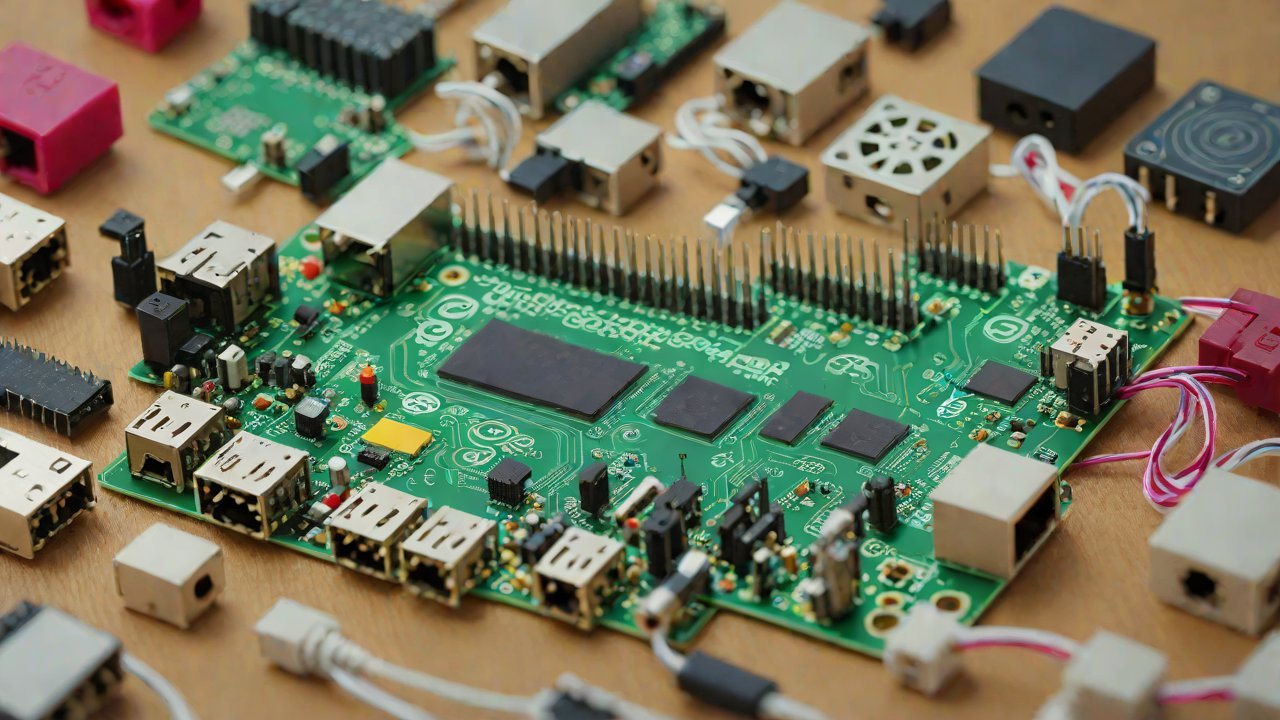
The above table gives a snapshot of the competitive landscape, highlighting popular devices from major manufacturers. The prices listed are averages and can vary based on location, retailer, and availability.
2. Factors Influencing Price
Several factors contribute to the pricing strategy of IoT development kits like Raspberry Pi. These include:
- Production Costs: The cost of production is a significant factor in determining the final price of a product.
- Research and Development (R&D) Expenditure: Companies invest heavily in R&D, which can be reflected in their prices.
- Market Positioning: Manufacturers often position themselves based on pricing to differentiate from competitors.
3. AIGC Perspective
From an Artificial Intelligence and General Computing perspective, the Raspberry Pi is an exemplary device for several reasons:
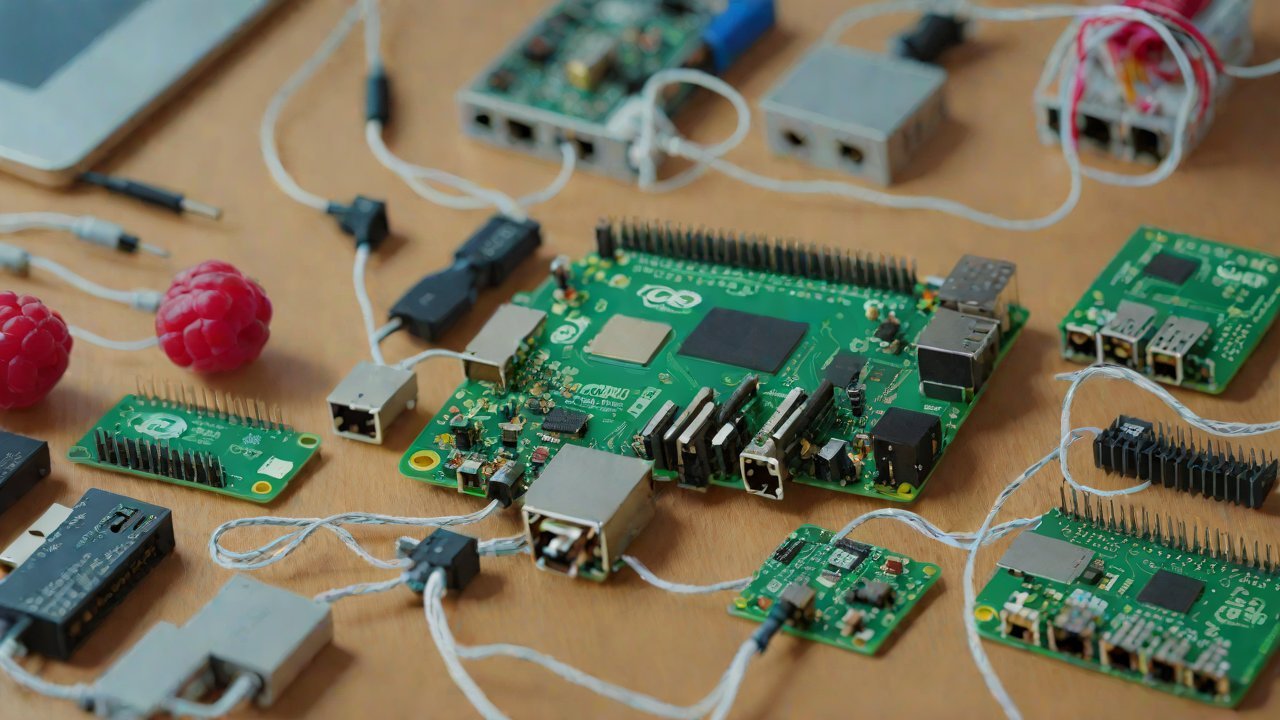
- AI Compute Capabilities: Despite its affordability, the Raspberry Pi can handle AI computations with relative ease.
- Edge Computing Potential: Its compact form factor makes it ideal for edge computing applications.
| Device Model | CPU Cores | GPU Cores |
|---|---|---|
| Raspberry Pi 4 | Quad-core Cortex-A72 | Broadcom VideoCore VI |
4. Pricing Trends
Historical data indicates a trend towards decreasing prices as the market matures and economies of scale improve.
- 2020: Prices for the Raspberry Pi 4 Model B hovered around $65.
- 2019: The previous model, Raspberry Pi 3B+, was priced at approximately $55.
- 2018: A significant drop in price occurred with the introduction of the Raspberry Pi 3 Model B, which cost around $35.
5. Future Outlook
As technology continues to advance and the demand for IoT devices grows, manufacturers are likely to face pressure to maintain their market share while innovating. This could lead to more competitive pricing strategies or a shift towards premium products with advanced features.
| Scenario | Potential Impact on Prices |
|---|---|
| Increased Competition | Decreasing prices to stay competitive |
| Advancements in Technology | Possibly higher prices for newer, more feature-rich models |
6. Conclusion
The world of IoT development kits is complex and dynamic, driven by technological advancements, market trends, and the relentless pursuit of innovation. The Raspberry Pi, with its versatility and affordability, remains a beacon for developers worldwide.
While pricing strategies will continue to evolve as manufacturers adapt to changing market conditions, one thing is clear: the demand for accessible and powerful tools like the Raspberry Pi shows no signs of waning.
7. Recommendations
For those looking to venture into IoT development or expand their current projects:
- Consider the Specific Needs: Align your choice with project requirements.
- Future-Proof Your Investment: Choose devices that can adapt to future technological advancements.
- Explore Alternatives: Don’t overlook other manufacturers and models when selecting a device.
8. Final Thoughts
As we look towards the future of IoT development, one thing is certain: the landscape will continue to evolve at an unprecedented pace. The Raspberry Pi’s position as a stalwart in this field is a testament to its adaptability and affordability.
IOT Cloud Platform
IOT Cloud Platform is an IoT portal established by a Chinese IoT company, focusing on technical solutions in the fields of agricultural IoT, industrial IoT, medical IoT, security IoT, military IoT, meteorological IoT, consumer IoT, automotive IoT, commercial IoT, infrastructure IoT, smart warehousing and logistics, smart home, smart city, smart healthcare, smart lighting, etc.
The IoT Cloud Platform blog is a top IoT technology stack, providing technical knowledge on IoT, robotics, artificial intelligence (generative artificial intelligence AIGC), edge computing, AR/VR, cloud computing, quantum computing, blockchain, smart surveillance cameras, drones, RFID tags, gateways, GPS, 3D printing, 4D printing, autonomous driving, etc.