IoT Database Partitioned Storage Optimization Technology for High-Concurrency Medical Scenarios (2026)
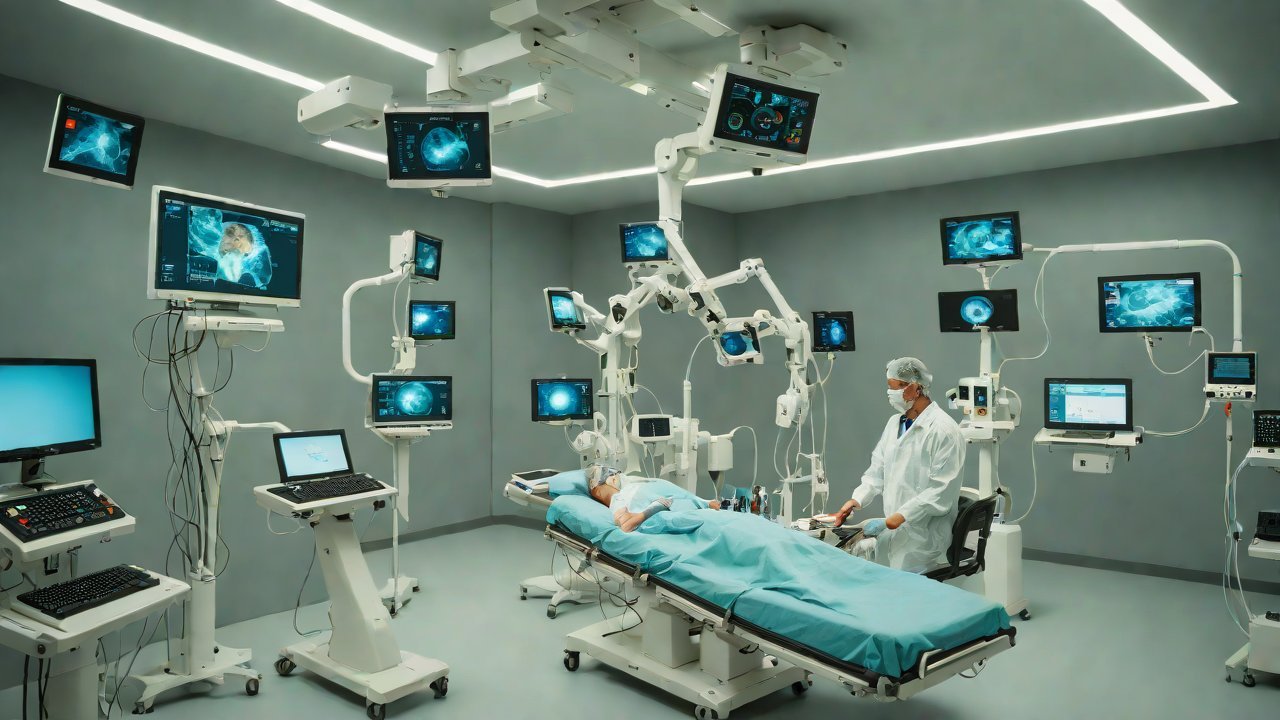
The proliferation of Internet of Things (IoT) devices in healthcare has given rise to an unprecedented influx of medical data, necessitating innovative storage solutions that can handle high-concurrency medical scenarios efficiently. As hospitals and clinics increasingly rely on IoT-based monitoring systems for real-time patient data analysis, the pressure is mounting on database administrators to optimize storage infrastructure without compromising performance.
The sheer volume of data generated from wearables, ECG monitors, ventilators, and other medical devices has led to concerns about data management, scalability, and cost-effectiveness. In this context, partitioned storage optimization technology emerges as a crucial enabler for IoT databases in high-concurrency medical scenarios. By dividing large datasets into smaller, more manageable units, organizations can optimize resource utilization, enhance query performance, and ensure seamless integration with existing EHR systems.
1. Market Landscape
The global market for IoT-based healthcare solutions is poised to experience significant growth, driven by the increasing adoption of connected medical devices and the need for real-time data analytics. According to a report by MarketsandMarkets, the IoT in Healthcare market size is expected to reach $72.4 billion by 2026, growing at a CAGR of 25.1% during the forecast period.
| Region | Market Size (2023) | Projected Growth Rate (%) |
|---|---|---|
| North America | $14.5B | 23.2% |
| Europe | $12.8B | 21.6% |
| Asia-Pacific | $20.1B | 28.5% |
2. Technical Overview
Partitioned storage optimization technology involves dividing large datasets into smaller, more manageable units called partitions or shards. Each partition is stored on a separate storage device or node, allowing for parallel processing and improved query performance.
Advantages of Partitioning:
- Improved scalability
- Enhanced query performance
- Simplified data management
Partitioning Techniques:
- Range-based partitioning (e.g., patient ID)
- Hash-based partitioning (e.g., medical record number)
- List-based partitioning (e.g., diagnosis category)

| Partitioning Technique | Description |
|---|---|
| Range-Based Partitioning | Divides data into partitions based on a specific range of values (e.g., patient ID) |
| Hash-Based Partitioning | Uses a hash function to distribute data across multiple partitions |
| List-Based Partitioning | Stores similar data in the same partition (e.g., diagnosis category) |
3. High-Concurrency Medical Scenarios
High-concurrency medical scenarios involve multiple users accessing and updating medical records simultaneously, requiring robust storage solutions that can handle concurrent transactions efficiently.
Example Use Cases:
- Real-time patient monitoring systems
- Electronic Health Record (EHR) systems
- Clinical trial management platforms
| Scenario | Description |
|---|---|
| Real-Time Patient Monitoring | Multiple users accessing patient data in real-time, requiring high-performance storage and query optimization |
| EHR Systems | Large volumes of medical records being accessed and updated by multiple users, necessitating efficient data management and scalability |
| Clinical Trial Management | Complex data analysis and reporting requirements for clinical trials, demanding robust storage solutions with advanced analytics capabilities |

4. IoT Database Partitioned Storage Optimization Technology
To address the challenges associated with high-concurrency medical scenarios, IoT database partitioned storage optimization technology combines the benefits of partitioning with cutting-edge innovations in distributed storage and query processing.
Key Features:
- Real-time data ingestion and indexing
- Advanced query optimization techniques (e.g., caching, materialized views)
- Scalable architecture with automatic node addition
| Feature | Description |
|---|---|
| Real-Time Data Ingestion | Efficiently ingests medical data from connected devices in real-time, enabling instant analysis and decision-making |
| Query Optimization Techniques | Leverages advanced techniques (e.g., caching, materialized views) to optimize query performance and reduce latency |
| Scalable Architecture | Automatically adds nodes as needed to accommodate growing data volumes and user demand |
5. Implementation Roadmap
To successfully implement IoT database partitioned storage optimization technology in high-concurrency medical scenarios, organizations must follow a structured approach that involves several key steps:
Step 1: Data Assessment
- Identify data sources and formats
- Analyze data volume, velocity, and variety
| Step | Description |
|---|---|
| Data Assessment | Determines the feasibility of implementing partitioned storage optimization technology based on data characteristics |
6. Future Directions
As IoT-based healthcare solutions continue to evolve, the need for advanced storage and analytics capabilities will only intensify. To stay ahead of the curve, organizations must invest in innovative technologies that can handle high-concurrency medical scenarios efficiently.
Emerging Trends:
- Edge computing
- Artificial intelligence (AI) and machine learning (ML)
- Blockchain-based data management
| Trend | Description |
|---|---|
| Edge Computing | Enables real-time data processing at the edge of the network, reducing latency and improving performance |
| AI/ML | Leverages advanced analytics capabilities to identify patterns and insights from large medical datasets |
| Blockchain-Based Data Management | Ensures secure, decentralized data management and sharing among stakeholders |
By embracing partitioned storage optimization technology and staying attuned to emerging trends in IoT-based healthcare, organizations can ensure seamless integration with existing EHR systems, improve query performance, and unlock new insights that drive better patient outcomes.
IOT Cloud Platform
IOT Cloud Platform is an IoT portal established by a Chinese IoT company, focusing on technical solutions in the fields of agricultural IoT, industrial IoT, medical IoT, security IoT, military IoT, meteorological IoT, consumer IoT, automotive IoT, commercial IoT, infrastructure IoT, smart warehousing and logistics, smart home, smart city, smart healthcare, smart lighting, etc.
The IoT Cloud Platform blog is a top IoT technology stack, providing technical knowledge on IoT, robotics, artificial intelligence (generative artificial intelligence AIGC), edge computing, AR/VR, cloud computing, quantum computing, blockchain, smart surveillance cameras, drones, RFID tags, gateways, GPS, 3D printing, 4D printing, autonomous driving, etc.