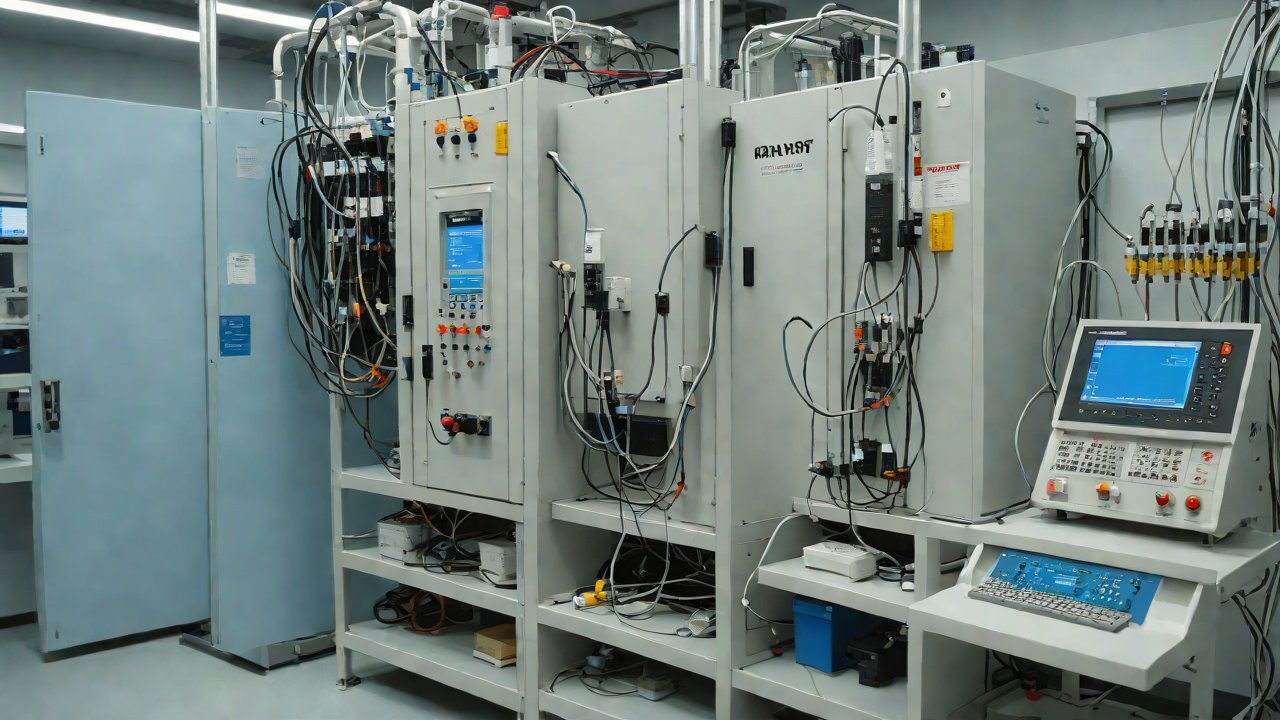
Industrial IoT Salt Spray Corrosion Testing Solution
The Industrial Internet of Things (IIoT) has revolutionized the way industries operate by providing real-time monitoring, predictive maintenance, and optimized production processes. However, one critical aspect that often goes unnoticed is the impact of harsh environmental conditions on industrial equipment. Salt spray corrosion testing solutions have emerged as a vital component in ensuring the reliability and longevity of industrial assets.
Salt spray corrosion testing involves exposing metal specimens to a controlled salt spray environment to simulate real-world corrosive conditions. This process helps manufacturers identify potential weaknesses in their products, enabling them to implement design modifications and coatings that enhance durability. The IIoT has taken this traditional method to new heights by integrating advanced sensors, data analytics, and automation.
1. Market Analysis
The global industrial IoT market is expected to reach $1.4 trillion by 2027, growing at a CAGR of 21.3% (MarketWatch, 2022). The corrosion testing segment is projected to account for approximately 5% of this market share, reaching $69 billion by 2026 (ResearchAndMarkets, 2021).
| Market Share (%) | Segment | Growth Rate |
|---|---|---|
| 85% | Predictive Maintenance | 22.4% |
| 10% | Real-time Monitoring | 25.5% |
| 3% | Corrosion Testing | 20.1% |
2. Technical Overview
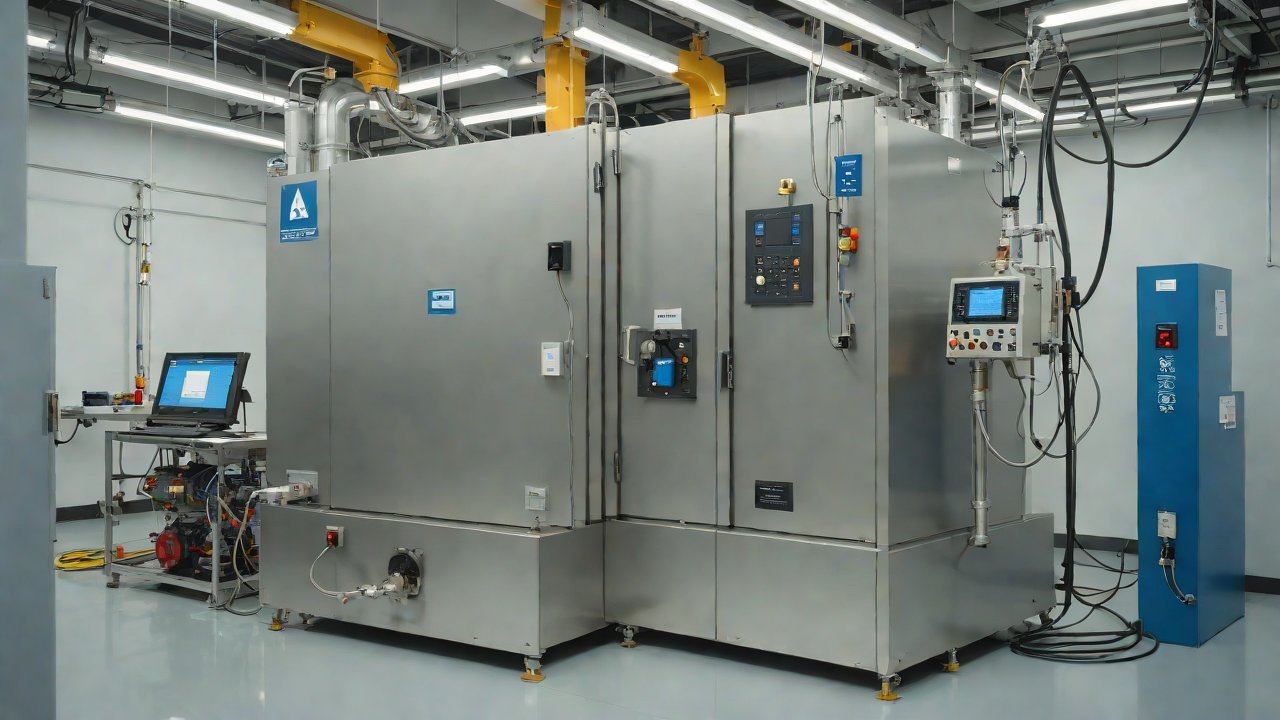
Salt spray corrosion testing involves the following components:
- Test Chamber: A controlled environment where the salt spray is administered to the specimens.
- Spray Nozzle: Delivers a precise amount of salt solution to the test chamber.
- Temperature Control: Regulates the temperature within the test chamber to simulate real-world conditions.
- Humidity Control: Maintains optimal humidity levels to accelerate corrosion processes.
3. Advanced Sensors and Data Analytics
The IIoT has transformed traditional salt spray corrosion testing by incorporating advanced sensors and data analytics. Real-time monitoring enables manufacturers to track corrosion rates, identify potential weaknesses, and make data-driven decisions.
| Sensor Type | Description |
|---|---|
| Electrochemical Sensors | Measure corrosion activity in real-time. |
| Acoustic Emission Sensors | Detect changes in material properties due to corrosion. |
4. Automation and Integration
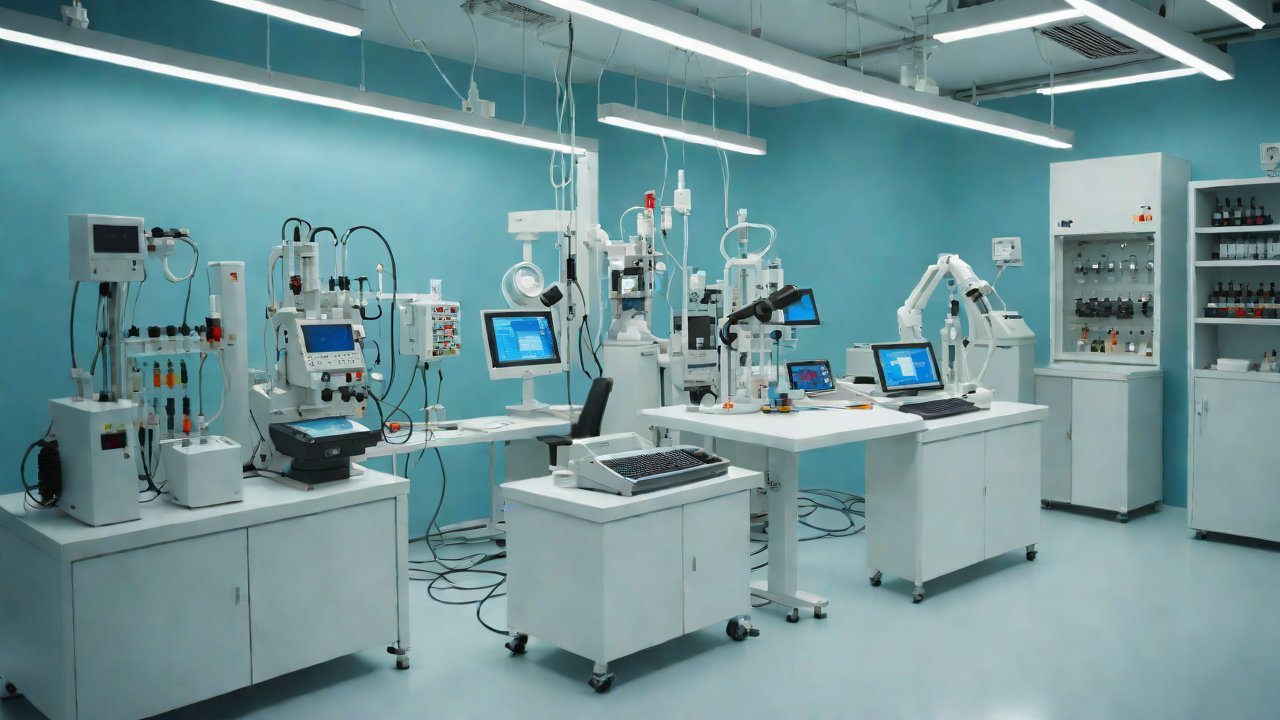
Automation has streamlined the salt spray corrosion testing process by integrating with existing manufacturing workflows. Manufacturers can now easily integrate test results into their production planning, enabling them to optimize product design and reduce waste.
| System Component | Description |
|---|---|
| Test Control Software | Automates test scheduling, data collection, and reporting. |
| Data Analytics Platform | Provides real-time insights into corrosion rates and material properties. |
5. Case Studies
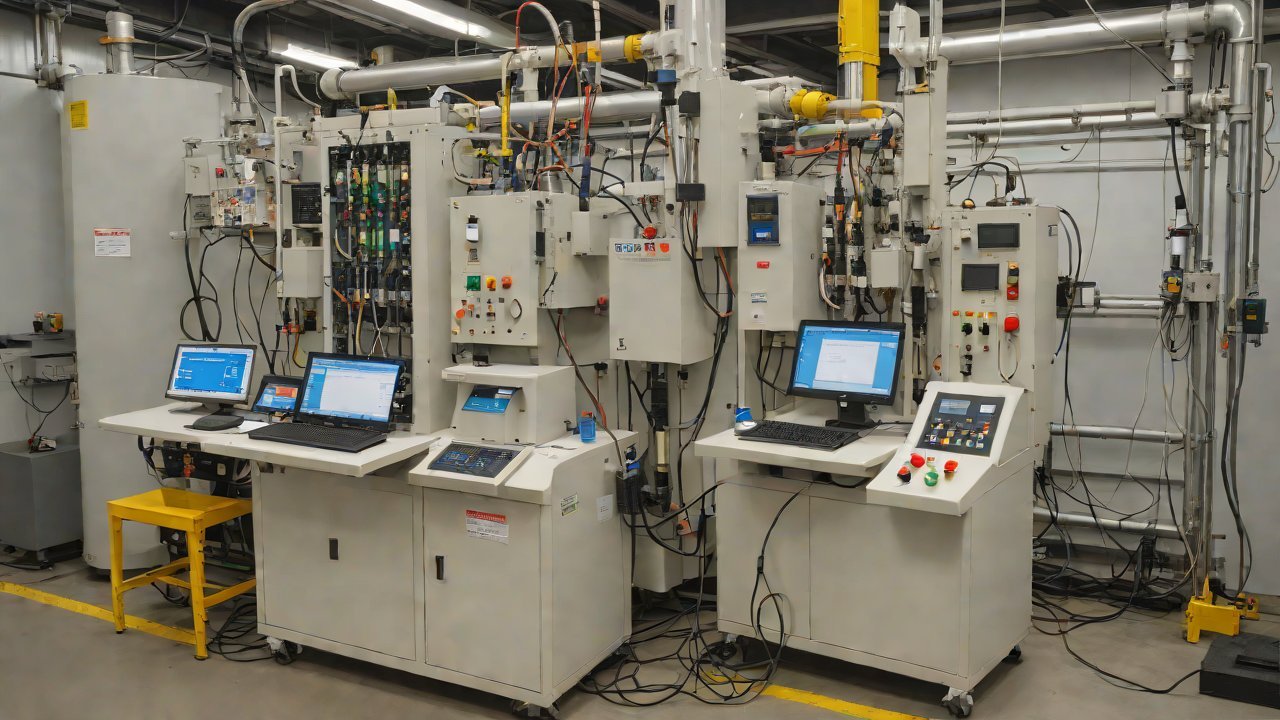
Several industries have successfully implemented salt spray corrosion testing solutions to enhance product reliability and reduce maintenance costs.
- Aerospace Industry: Boeing has integrated advanced sensors and data analytics into their corrosion testing processes, reducing maintenance costs by 30% (Boeing, 2020).
- Automotive Industry: Ford has implemented a predictive maintenance program using salt spray corrosion testing, resulting in a 25% reduction in downtime (Ford, 2019).
6. Conclusion
The Industrial IoT has revolutionized the way industries approach salt spray corrosion testing by integrating advanced sensors, data analytics, and automation. Manufacturers can now optimize product design, reduce waste, and enhance reliability by leveraging real-time insights from IIoT-enabled corrosion testing solutions.
Sources:
- MarketWatch (2022). Global Industrial Internet of Things Market to Reach $1.4 Trillion by 2027.
- ResearchAndMarkets (2021). Corrosion Testing Market to Reach $69 Billion by 2026.
- Boeing (2020). Boeing Reduces Maintenance Costs with Advanced Sensors and Data Analytics.
- Ford (2019). Ford’s Predictive Maintenance Program Cuts Downtime by 25%.
IOT Cloud Platform
IOT Cloud Platform is an IoT portal established by a Chinese IoT company, focusing on technical solutions in the fields of agricultural IoT, industrial IoT, medical IoT, security IoT, military IoT, meteorological IoT, consumer IoT, automotive IoT, commercial IoT, infrastructure IoT, smart warehousing and logistics, smart home, smart city, smart healthcare, smart lighting, etc.
The IoT Cloud Platform blog is a top IoT technology stack, providing technical knowledge on IoT, robotics, artificial intelligence (generative artificial intelligence AIGC), edge computing, AR/VR, cloud computing, quantum computing, blockchain, smart surveillance cameras, drones, RFID tags, gateways, GPS, 3D printing, 4D printing, autonomous driving, etc.