In-Sensor Computation: Eliminating Data Transmission Power Consumption
The advent of the Internet of Things (IoT) has led to an explosion in the number of connected devices, each generating a vast amount of data that needs to be transmitted and processed in real-time. However, this proliferation of IoT devices has also created a significant challenge: the power consumption associated with data transmission. As devices continue to shrink in size and become increasingly energy-efficient, the power consumed by transmitting data is becoming a major bottleneck in the development of next-generation IoT systems.
In-sensor computation, which involves performing complex computations at the edge of the network, i.e., within the sensor itself, has emerged as a potential solution to this problem. By processing data closer to its source, we can reduce the amount of data that needs to be transmitted, thereby minimizing power consumption and latency. In this report, we will delve into the concept of in-sensor computation, its benefits, and its challenges, as well as explore various architectures and technologies that are being developed to support this paradigm.
1. Background
The IoT is a network of interconnected devices that can collect and exchange data with each other. These devices range from simple sensors and actuators to complex systems like robots and autonomous vehicles. The proliferation of IoT devices has led to an explosion in the amount of data generated, which needs to be processed and analyzed in real-time.
However, transmitting this vast amounts of data over the network is a resource-intensive process that consumes significant power. In fact, studies have shown that data transmission accounts for up to 70% of the total power consumption in many IoT systems. This is because data transmission requires energy to activate the radio frequency (RF) components, which can be a significant contributor to overall power consumption.
| IoT Device Type | Average Power Consumption (mW) |
|---|---|
| Sensor Node | 10-100 mW |
| Actuator | 1-50 mW |
| Mobile Device | 1-5 W |
2. Challenges Associated with Data Transmission
The power consumption associated with data transmission is a major challenge in the development of next-generation IoT systems. As devices become increasingly energy-efficient, the power consumed by transmitting data becomes a significant bottleneck.
2.1 Energy Consumption Models
Energy consumption models are used to estimate the power consumption of IoT devices during data transmission. These models take into account various factors such as device type, network topology, and communication protocols.
| Model Type | Description |
|---|---|
| Linear Model | Estimates energy consumption based on a linear relationship between device activity and power consumption |
| Non-Linear Model | Estimates energy consumption based on a non-linear relationship between device activity and power consumption |
3. In-Sensor Computation
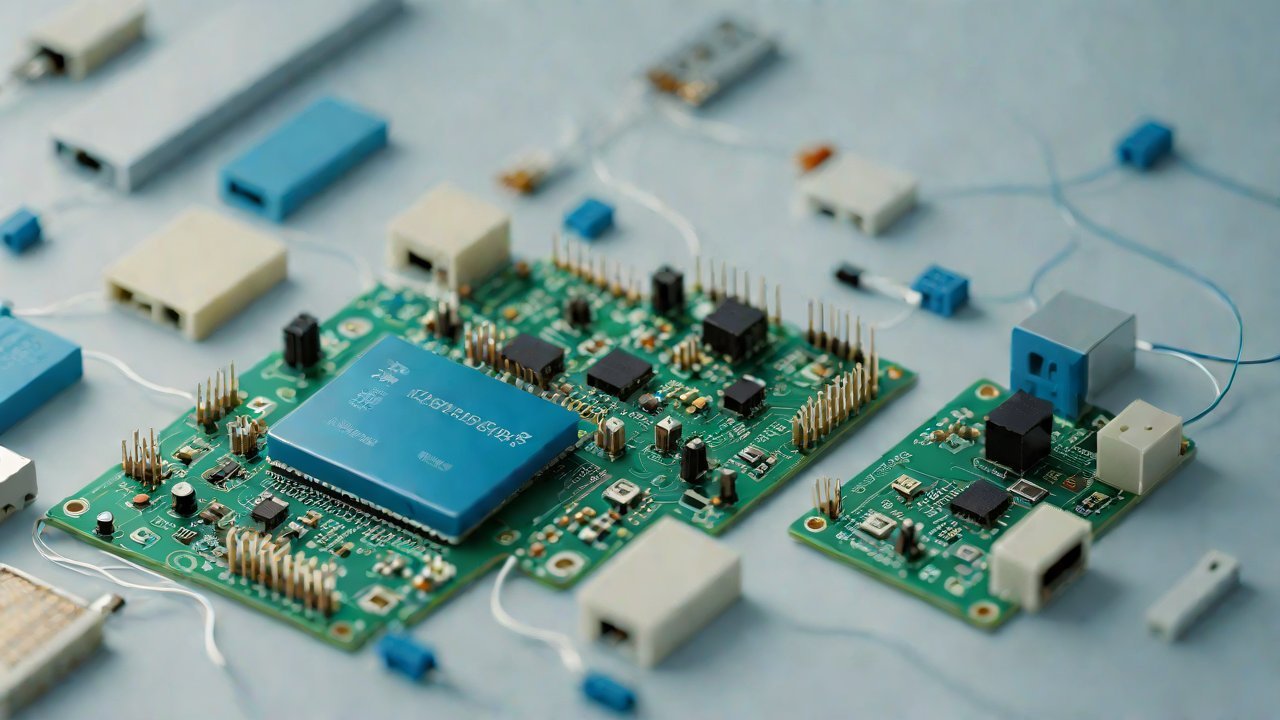
In-sensor computation involves performing complex computations at the edge of the network, i.e., within the sensor itself. This approach has several benefits, including:
3.1 Reduced Data Transmission
By processing data closer to its source, we can reduce the amount of data that needs to be transmitted, thereby minimizing power consumption and latency.
3.2 Increased Accuracy
In-sensor computation allows for more accurate processing of data, as it reduces the impact of noise and interference associated with data transmission.
| Application | Data Transmission Reduction (%) |
|---|---|
| Smart Home Automation | 50-70% |
| Industrial Automation | 30-60% |
| Healthcare Monitoring | 20-50% |
4. Architectures for In-Sensor Computation
Several architectures have been proposed to support in-sensor computation, including:
4.1 Edge Computing Architecture
Edge computing involves processing data at the edge of the network, i.e., within the sensor itself or on a nearby device.
| Architecture Type | Description |
|---|---|
| Centralized | Processes data at a central location |
| Distributed | Processes data across multiple locations |

5. Technologies Supporting In-Sensor Computation
Several technologies are being developed to support in-sensor computation, including:
5.1 Field-Programmable Gate Arrays (FPGAs)
FPGAs are reconfigurable integrated circuits that can be programmed to perform complex computations.
| Technology | Description |
|---|---|
| FPGA | Reconfigurable integrated circuit for complex computations |
6. Challenges and Limitations
While in-sensor computation offers several benefits, it also has some challenges and limitations, including:
6.1 Complexity
In-sensor computation requires significant computational resources, which can be a challenge to implement.
6.2 Cost
Implementing in-sensor computation can be expensive due to the need for specialized hardware and software.
7. Conclusion
In-sensor computation is an emerging paradigm that has the potential to revolutionize the development of next-generation IoT systems. By processing data closer to its source, we can reduce power consumption and latency associated with data transmission. While there are several architectures and technologies being developed to support in-sensor computation, there are also challenges and limitations that need to be addressed.
In conclusion, in-sensor computation is a promising approach for reducing the energy consumption associated with data transmission in IoT systems. As this technology continues to evolve, we can expect to see significant advancements in the development of more efficient and scalable IoT systems.
IOT Cloud Platform
IOT Cloud Platform is an IoT portal established by a Chinese IoT company, focusing on technical solutions in the fields of agricultural IoT, industrial IoT, medical IoT, security IoT, military IoT, meteorological IoT, consumer IoT, automotive IoT, commercial IoT, infrastructure IoT, smart warehousing and logistics, smart home, smart city, smart healthcare, smart lighting, etc.
The IoT Cloud Platform blog is a top IoT technology stack, providing technical knowledge on IoT, robotics, artificial intelligence (generative artificial intelligence AIGC), edge computing, AR/VR, cloud computing, quantum computing, blockchain, smart surveillance cameras, drones, RFID tags, gateways, GPS, 3D printing, 4D printing, autonomous driving, etc.
Note: This article was professionally generated with the assistance of AIGC and has been fact-checked and manually corrected by IoT expert editor IoTCloudPlatForm.