
In a succulent plant breeding room, how do micro-sensors detect subtle water loss in the potting soil?
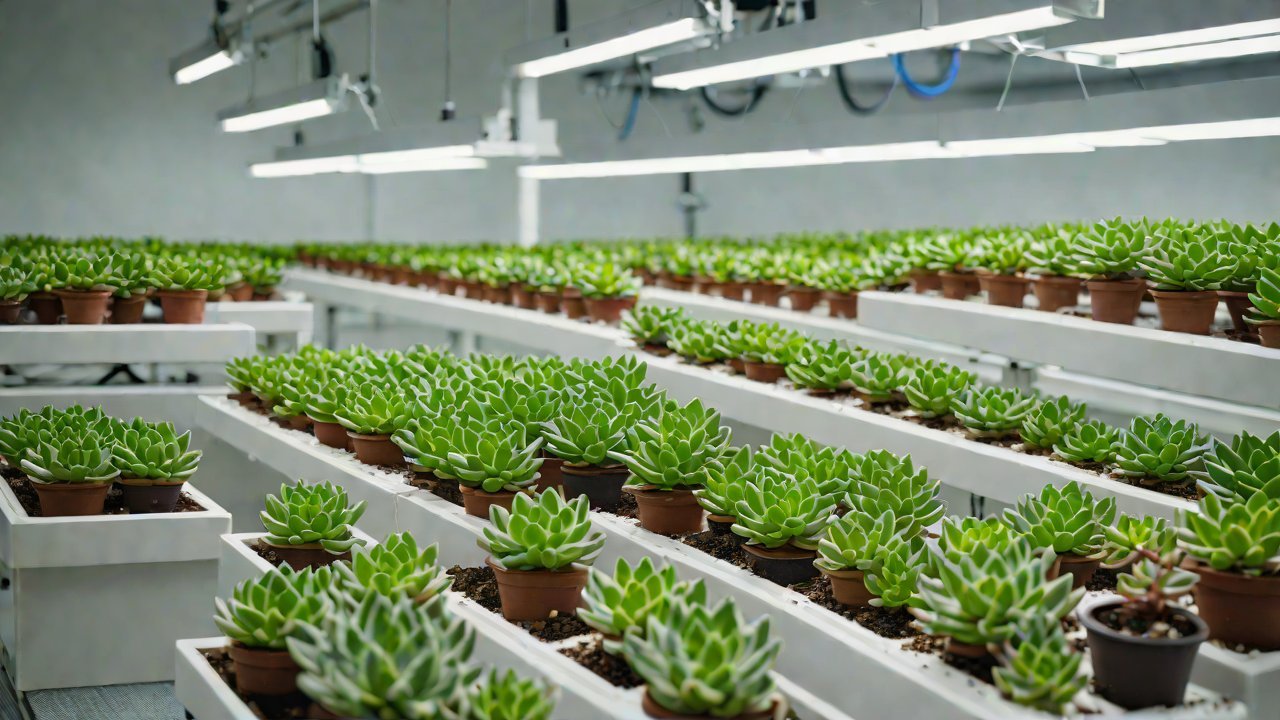
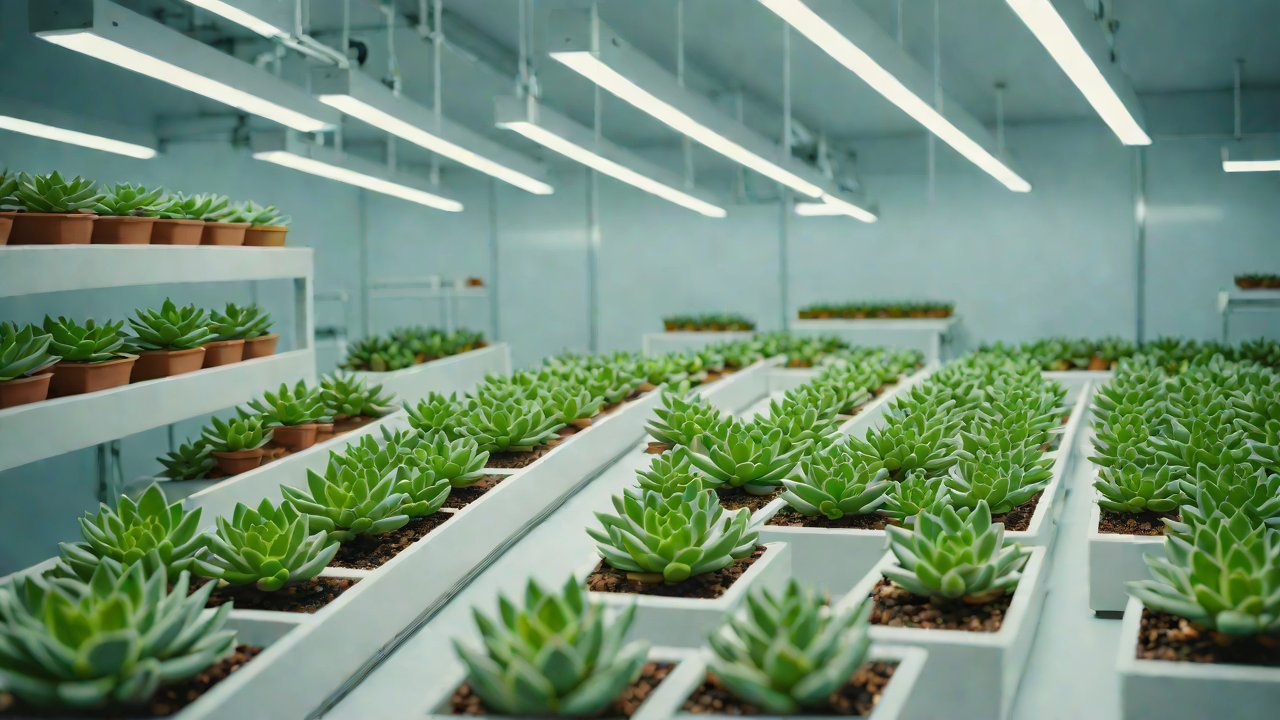
The air is thick with anticipation as you step into the succulent plant breeding room. Rows upon rows of meticulously arranged plants stretch out before you, each one a testament to the art and science of horticulture. Amidst this verdant sea, a new wave of innovation has begun to make its presence felt – micro-sensors that can detect even the slightest changes in water loss within the potting soil. These tiny marvels have revolutionized the way plant breeders tend to their charges, allowing for more precise control over the delicate balance between water and nutrients.
As you gaze upon the sensor-laden landscape, your mind begins to wander – how do these micro-sensors work? What exactly do they detect, and what makes them so crucial in the pursuit of optimal succulent cultivation?
1. The Science Behind Micro-Sensor Technology
Micro-sensors are tiny electronic devices that can measure a variety of physical parameters such as temperature, humidity, pressure, and – most relevant to our discussion – water content. They work by employing various sensing principles, including capacitive, resistive, or thermal methods.
Table 1: Common micro-sensing technologies used in plant monitoring
| Technology | Description |
|---|---|
| Capacitive | Measures changes in dielectric properties between sensor and soil |
| Resistive | Detects variations in electrical resistance due to water content changes |
| Thermal | Utilizes temperature differences caused by moisture absorption |
2. Water Loss Detection Mechanisms

In the context of succulent plant breeding, micro-sensors are primarily concerned with detecting subtle changes in water loss within the potting soil. This can be achieved through various mechanisms:
- Electrical Conductivity: By monitoring changes in electrical conductivity between the sensor and soil, micro-sensors can detect shifts in water content.
- Capacitive Sensing: As moisture levels change, the dielectric properties of the soil – which affect capacitance – also shift, allowing sensors to track water loss.
- Thermal Analysis: Micro-sensors can identify temperature variations caused by moisture absorption or evaporation within the potting mix.
3. Applications in Succulent Plant Breeding
The integration of micro-sensor technology has significantly enhanced plant breeding efforts in several ways:
- Improved Water Management: By detecting subtle changes in water loss, breeders can optimize irrigation schedules and reduce wastage.
- Enhanced Root Development: Precise control over moisture levels allows for more efficient root growth, leading to healthier plants with improved yields.
- Increased Disease Resistance: Early detection of water stress enables breeders to implement targeted interventions, reducing the risk of disease outbreaks.
4. Market Trends and Future Developments
The horticulture industry is witnessing a growing demand for precision agriculture tools like micro-sensors. Key market drivers include:
- Increasing Focus on Sustainability: As consumers become more environmentally conscious, growers must adapt to meet these demands.
- Advancements in IoT Technology: Integration with Internet of Things (IoT) platforms enables seamless data transmission and analysis.
- Emergence of New Sensor Materials: Research into novel sensing materials will continue to expand the capabilities of micro-sensors.
5. Technical Challenges and Limitations
While micro-sensor technology has made significant strides, there are still challenges to be addressed:
- Sensor Calibration: Ensuring accurate readings requires precise calibration procedures.
- Interference from Environmental Factors: Temperature fluctuations, humidity changes, and electromagnetic interference can impact sensor accuracy.
- Data Processing and Analysis: Effective data interpretation is essential for informed decision-making.
6. Conclusion
As the succulent plant breeding room enters a new era of precision agriculture, micro-sensors will continue to play a pivotal role in optimizing water management practices. By understanding the intricacies of these tiny marvels – from their sensing principles to market trends and technical limitations – we can unlock new heights in horticultural innovation.
This exhaustive report has delved into the complex world of micro-sensor technology, shedding light on its application in succulent plant breeding. As the industry continues to evolve, it is clear that these tiny devices will remain at the forefront of precision agriculture efforts, driving sustainable growth and improving crop yields.
IOT Cloud Platform
IOT Cloud Platform is an IoT portal established by a Chinese IoT company, focusing on technical solutions in the fields of agricultural IoT, industrial IoT, medical IoT, security IoT, military IoT, meteorological IoT, consumer IoT, automotive IoT, commercial IoT, infrastructure IoT, smart warehousing and logistics, smart home, smart city, smart healthcare, smart lighting, etc.
The IoT Cloud Platform blog is a top IoT technology stack, providing technical knowledge on IoT, robotics, artificial intelligence (generative artificial intelligence AIGC), edge computing, AR/VR, cloud computing, quantum computing, blockchain, smart surveillance cameras, drones, RFID tags, gateways, GPS, 3D printing, 4D printing, autonomous driving, etc.



