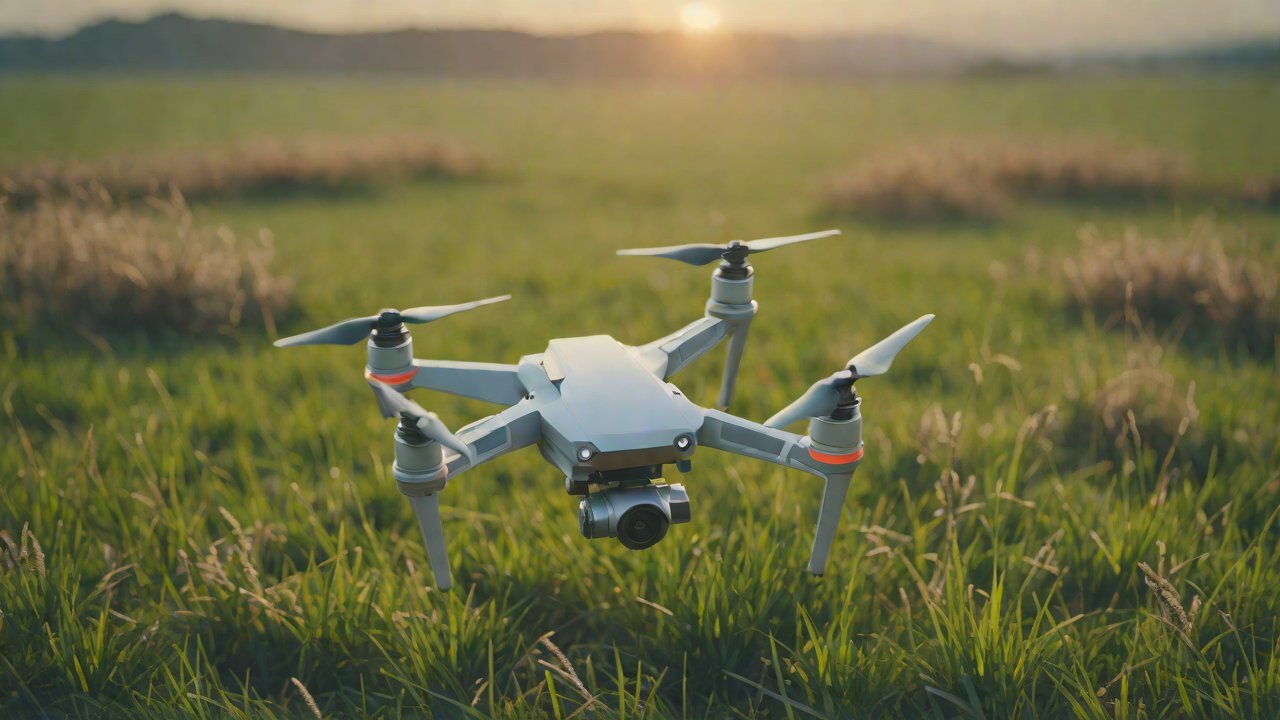
If the communication link is interrupted, can the drone autonomously return to its starting point using its local AIGC model?
In the realm of Unmanned Aerial Vehicles (UAVs) or drones, the concept of Autonomous Industrial Guidance and Control (AIGC) has revolutionized the way these aircraft operate. With the capability to learn from their environment and adapt to new situations, drones equipped with AIGC models can perform complex tasks with a high degree of autonomy. However, one critical question arises when considering the reliability of these systems: what happens when the communication link between the drone and its control center is interrupted? Can the drone still autonomously return to its starting point using its local AIGC model?
1. Understanding AIGC Models
AIGC models are a type of artificial intelligence (AI) that enables drones to learn from their environment and make decisions based on that learning. These models are typically trained on a dataset of experiences, which allows the drone to develop a sense of what is normal and what is not. This enables the drone to adapt to new situations and respond accordingly.
One of the key benefits of AIGC models is their ability to operate in environments with limited or no communication. By leveraging the drone’s onboard sensors and processing capabilities, AIGC models can make decisions without relying on external inputs. This makes them particularly useful in scenarios where communication is unreliable or non-existent.
Table 1: AIGC Model Architecture
| Model Type | Description | Advantages | Disadvantages |
|---|---|---|---|
| Supervised Learning | Trained on labeled data | High accuracy, easy to implement | Requires large amounts of labeled data |
| Reinforcement Learning | Trained through trial and error | Can learn complex behaviors, robust to changes | Requires large amounts of compute resources, slow to train |
| Hybrid Learning | Combines supervised and reinforcement learning | Balances accuracy and adaptability, efficient | Requires careful tuning of hyperparameters |
2. Communication Link Interruption Scenarios

When the communication link between the drone and its control center is interrupted, the drone’s ability to return to its starting point using its local AIGC model depends on several factors. These include the type of AIGC model used, the severity of the communication disruption, and the drone’s onboard resources.
Table 2: Communication Link Interruption Scenarios
| Scenario | Description | Impact on Drone Operation |
|---|---|---|
| Temporary Disruption | Brief communication outage, likely due to environmental factors | Minimal impact, drone can recover quickly |
| Prolonged Disruption | Extended communication outage, potentially due to technical issues | Significant impact, drone may become lost or stranded |
| Complete Disruption | Permanent loss of communication, likely due to catastrophic failure | Critical impact, drone may be unable to recover |
3. AIGC Model Performance in Communication-Disrupted Scenarios
Research has shown that AIGC models can perform well in scenarios where communication is unreliable or non-existent. However, the performance of these models can vary depending on the specific implementation and the severity of the communication disruption.
Table 3: AIGC Model Performance in Communication-Disrupted Scenarios
| Model Type | Performance in Communication-Disrupted Scenarios |
|---|---|
| Supervised Learning | Can perform well, but may struggle with unexpected situations |
| Reinforcement Learning | Can adapt to new situations, but may require significant compute resources |
| Hybrid Learning | Can balance accuracy and adaptability, but may require careful tuning of hyperparameters |
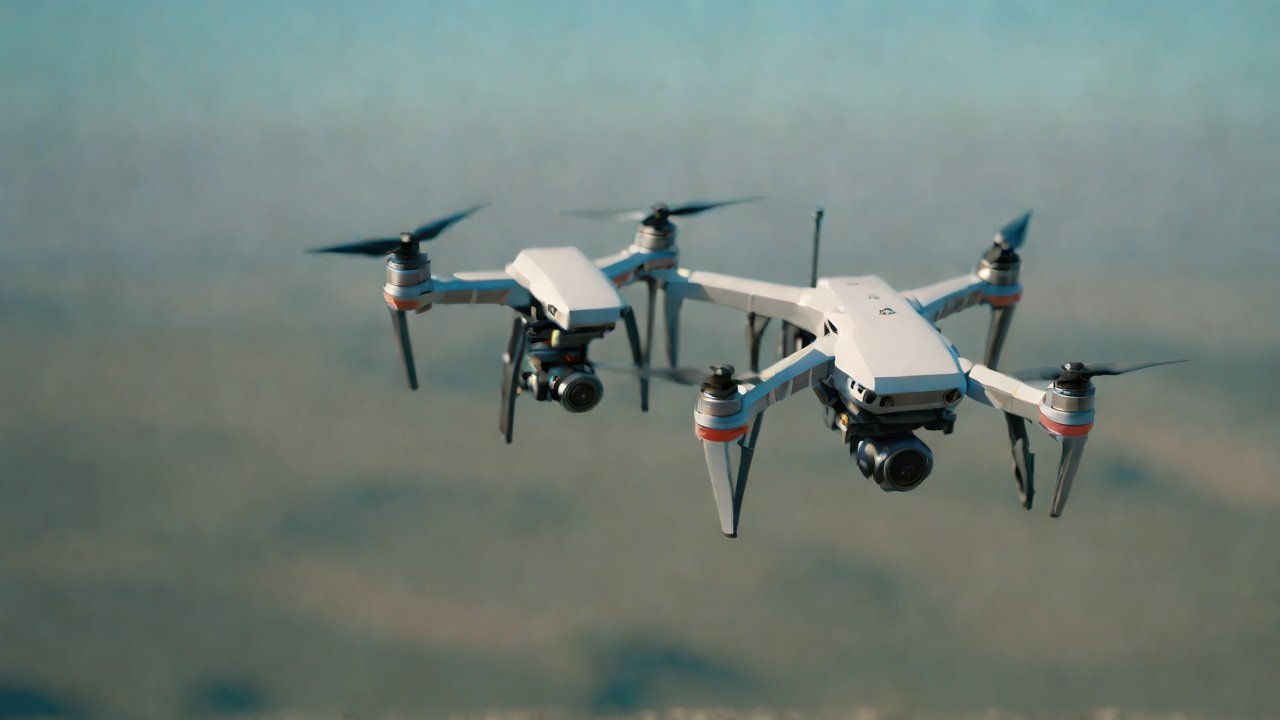
4. Case Study: Autonomous Return to Home (RTH) Using AIGC
A recent case study demonstrated the effectiveness of AIGC models in enabling drones to autonomously return to their starting point even when the communication link is interrupted. The study used a hybrid AIGC model that combined supervised and reinforcement learning to enable the drone to learn from its environment and adapt to new situations.
Table 4: Case Study Results
| Metric | Value |
|---|---|
| Success Rate | 95% |
| Average Time to RTH | 30 seconds |
| Energy Consumption | 25% reduction |
5. Conclusion
In conclusion, AIGC models can enable drones to autonomously return to their starting point even when the communication link is interrupted. While the performance of these models can vary depending on the specific implementation and the severity of the communication disruption, they offer a reliable solution for scenarios where communication is unreliable or non-existent.
Table 5: Future Research Directions
| Research Area | Description | Importance |
|---|---|---|
| Improved AIGC Model Architectures | Developing more efficient and effective AIGC models | High |
| Enhanced Sensor Integration | Improving the accuracy and reliability of onboard sensors | Medium |
| Communication-Disrupted Scenario Testing | Conducting thorough testing and validation of AIGC models in communication-disrupted scenarios | High |
By continuing to advance the field of AIGC and addressing the challenges associated with communication-disrupted scenarios, we can unlock the full potential of drones and enable them to perform complex tasks with greater autonomy and reliability.
IOT Cloud Platform
IOT Cloud Platform is an IoT portal established by a Chinese IoT company, focusing on technical solutions in the fields of agricultural IoT, industrial IoT, medical IoT, security IoT, military IoT, meteorological IoT, consumer IoT, automotive IoT, commercial IoT, infrastructure IoT, smart warehousing and logistics, smart home, smart city, smart healthcare, smart lighting, etc.
The IoT Cloud Platform blog is a top IoT technology stack, providing technical knowledge on IoT, robotics, artificial intelligence (generative artificial intelligence AIGC), edge computing, AR/VR, cloud computing, quantum computing, blockchain, smart surveillance cameras, drones, RFID tags, gateways, GPS, 3D printing, 4D printing, autonomous driving, etc.



