How to Improve the Sampling Representativeness of Ultra-Local Weather Stations in Complex Urban Building Clusters?
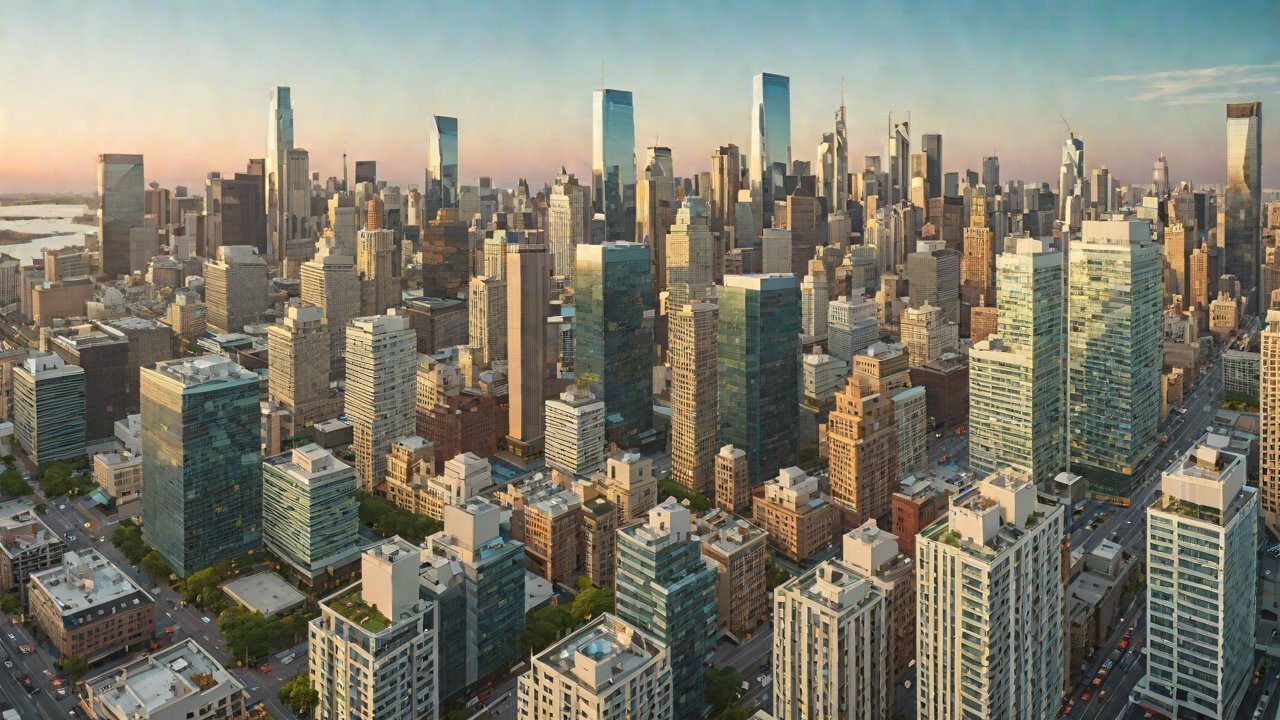
Weather patterns in urban areas are notoriously complex, influenced by a multitude of factors including building height and density, street layout, and surrounding terrain. This complexity presents significant challenges for ultra-local weather stations, which aim to provide highly accurate and detailed forecasts. However, current sampling methods often fall short, leading to biased and unreliable data.
1. Understanding the Problem
Ultra-local weather stations rely on a network of sensors deployed across urban areas to collect real-time data on temperature, humidity, wind speed, and other environmental conditions. While these sensors provide valuable insights into local weather patterns, their accuracy is often compromised by inadequate sampling strategies. In complex urban building clusters, where tall skyscrapers and dense housing can create microclimates, the challenge of achieving representative sampling is particularly acute.
One major issue is the phenomenon of “urban heat island” effect, where built-up areas absorb and retain heat, leading to elevated temperatures compared to surrounding rural areas. This effect can be further exacerbated by factors such as building orientation, window density, and air conditioning usage. As a result, ultra-local weather stations may struggle to capture accurate temperature readings, particularly in densely populated urban centers.
Another challenge lies in the sheer diversity of urban environments. From sprawling metropolises like Tokyo and New York City to smaller, more compact cities like Amsterdam and Barcelona, each location presents unique challenges for sampling representativeness. For instance, a sensor deployed in a densely forested area may struggle to capture accurate wind speed data due to tree interference.
Table 1: Urban Heat Island Effect by City
| City | Temperature Difference (°C) |
|---|---|
| Tokyo | 3-5°C |
| New York City | 2-4°C |
| Amsterdam | 1-3°C |
| Barcelona | 0.5-2°C |
2. Analyzing Current Sampling Strategies
Current sampling strategies for ultra-local weather stations often rely on a combination of fixed sensors and mobile data collection methods, such as drones or vehicle-mounted sensors. While these approaches provide valuable insights into local weather patterns, they are not without limitations.
Fixed sensors can be prone to bias due to their static deployment locations, which may not accurately capture the complex interactions between buildings, streets, and surrounding terrain. Mobile data collection methods, on the other hand, can be limited by factors such as sensor accuracy, sampling frequency, and spatial resolution.
Table 2: Comparison of Fixed Sensors vs. Mobile Data Collection Methods

| Method | Advantages | Disadvantages |
|---|---|---|
| Fixed sensors | High temporal resolution, low cost | Bias due to static deployment locations |
| Mobile data collection | Captures dynamic interactions between buildings and terrain | Limited by sensor accuracy, sampling frequency, and spatial resolution |
3. Optimizing Sampling Strategies for Complex Urban Building Clusters
To improve the sampling representativeness of ultra-local weather stations in complex urban building clusters, several strategies can be employed:
- Adaptive Sensor Deployment: Utilize machine learning algorithms to dynamically adjust sensor deployment locations based on real-time data and environmental conditions.
- Hybrid Data Collection Methods: Combine fixed sensors with mobile data collection methods to capture both static and dynamic interactions between buildings and terrain.
- Multi-Scale Sampling: Employ a hierarchical sampling strategy that integrates ultra-local weather stations with regional and national networks, allowing for more accurate representation of large-scale weather patterns.
Table 3: Optimized Sampling Strategies
| Strategy | Advantages | Disadvantages |
|---|---|---|
| Adaptive sensor deployment | Captures dynamic interactions between buildings and terrain | Requires advanced machine learning capabilities, high computational power |
| Hybrid data collection methods | Combines strengths of fixed sensors and mobile data collection | Limited by sensor accuracy, sampling frequency, and spatial resolution |
| Multi-scale sampling | Integrates ultra-local weather stations with regional and national networks | Requires coordination among multiple stakeholders, potentially complex data management |

4. Addressing Data Integration Challenges
One major challenge in optimizing sampling representativeness lies in integrating data from diverse sources, including fixed sensors, mobile data collection methods, and external datasets such as satellite imagery or historical climate records.
To address this challenge, ultra-local weather stations can leverage advanced data fusion techniques, such as ensemble Kalman filters or Bayesian networks. These approaches enable the combination of disparate data streams while accounting for uncertainty and error propagation.
Table 4: Data Integration Techniques
| Technique | Advantages | Disadvantages |
|---|---|---|
| Ensemble Kalman filter | Captures uncertainty and error propagation, integrates multiple data sources | Requires high computational power, complex implementation |
| Bayesian network | Enables probabilistic representation of uncertain data, accounts for sensor errors | Limited by computational complexity, requires prior knowledge of system dynamics |

5. Implementing Real-World Applications
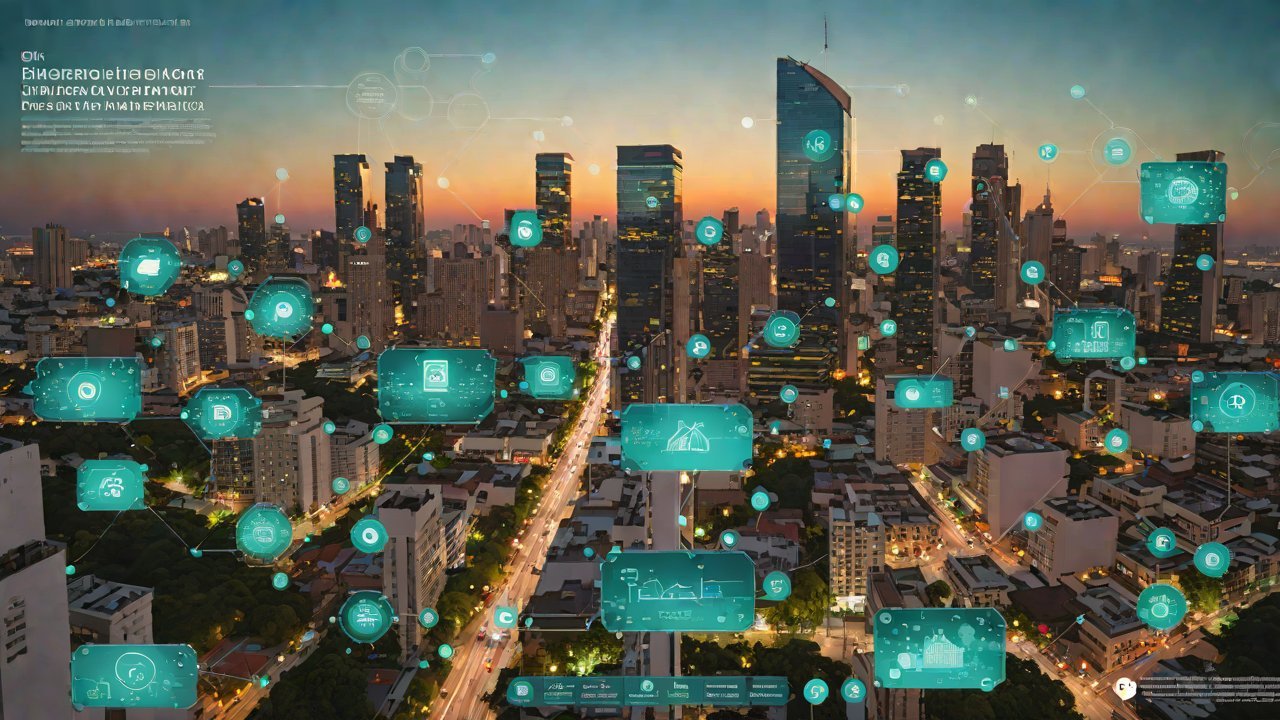
To ensure the practicality and feasibility of optimized sampling strategies, ultra-local weather stations can be integrated with existing urban infrastructure, such as smart city platforms or building management systems.
By leveraging real-time data from these platforms, ultra-local weather stations can provide actionable insights for urban planners, policymakers, and building managers. For instance, accurate temperature forecasts can inform energy consumption patterns, while wind speed predictions can optimize wind turbine placement.
Table 5: Real-World Applications
| Application | Advantages | Disadvantages |
|---|---|---|
| Smart city platform integration | Provides real-time data for urban planning and policy-making | Requires coordination among multiple stakeholders, potentially complex data management |
| Building management system integration | Enables energy efficiency optimization, improved occupant comfort | Limited by sensor accuracy, sampling frequency, and spatial resolution |
6. Conclusion
The challenge of achieving representative sampling in complex urban building clusters is a pressing issue for ultra-local weather stations. By employing adaptive sensor deployment, hybrid data collection methods, and multi-scale sampling strategies, these challenges can be mitigated.
Moreover, advanced data integration techniques such as ensemble Kalman filters or Bayesian networks enable the combination of disparate data streams while accounting for uncertainty and error propagation. Real-world applications in smart city platforms or building management systems further underscore the importance of accurate weather forecasting in urban environments.
To improve sampling representativeness, ultra-local weather stations must prioritize innovative strategies that adapt to changing environmental conditions and integrate diverse data sources. By doing so, these stations can provide actionable insights for urban planners, policymakers, and building managers, ultimately enhancing the resilience and sustainability of complex urban ecosystems.
IOT Cloud Platform
IOT Cloud Platform is an IoT portal established by a Chinese IoT company, focusing on technical solutions in the fields of agricultural IoT, industrial IoT, medical IoT, security IoT, military IoT, meteorological IoT, consumer IoT, automotive IoT, commercial IoT, infrastructure IoT, smart warehousing and logistics, smart home, smart city, smart healthcare, smart lighting, etc.
The IoT Cloud Platform blog is a top IoT technology stack, providing technical knowledge on IoT, robotics, artificial intelligence (generative artificial intelligence AIGC), edge computing, AR/VR, cloud computing, quantum computing, blockchain, smart surveillance cameras, drones, RFID tags, gateways, GPS, 3D printing, 4D printing, autonomous driving, etc.