
How to effectively filter particulate noise and insect interference in air monitoring stations?
Air quality monitoring is a critical aspect of ensuring public health, particularly in urban areas where pollution levels are often highest. However, the accuracy of these measurements can be compromised by two significant sources of interference: particulate noise and insect activity. Particulates, such as dust, pollen, and other small particles, can be mistaken for pollutants like PM2.5 or PM10, while insects like mosquitoes, flies, and bees can trigger false alarms in sensors designed to detect pollutants. In this report, we will delve into the challenges posed by these interferences and provide actionable recommendations on how to effectively filter them out.
1. Understanding the Problem
Table 1: Particulate Matter (PM) Interference Sources
| Source | PM Size Range | Typical Concentration |
|---|---|---|
| Human activity (e.g., construction, road dust) | 2-10 μm | High |
| Vehicle exhaust | 0.1-5 μm | Moderate to high |
| Industrial emissions | 0.1-10 μm | Variable |
| Agricultural activities (e.g., plowing, harvesting) | 2-10 μm | Seasonal |

Table 2: Insect Interference Sources
| Insect Type | Size Range | Typical Concentration |
|---|---|---|
| Mosquitoes | 1.5-3.5 mm | High (near breeding sites) |
| Flies | 0.5-2.5 mm | Moderate to high (in waste areas, near food sources) |
| Bees | 10-20 mm | Low to moderate (in bee colonies) |
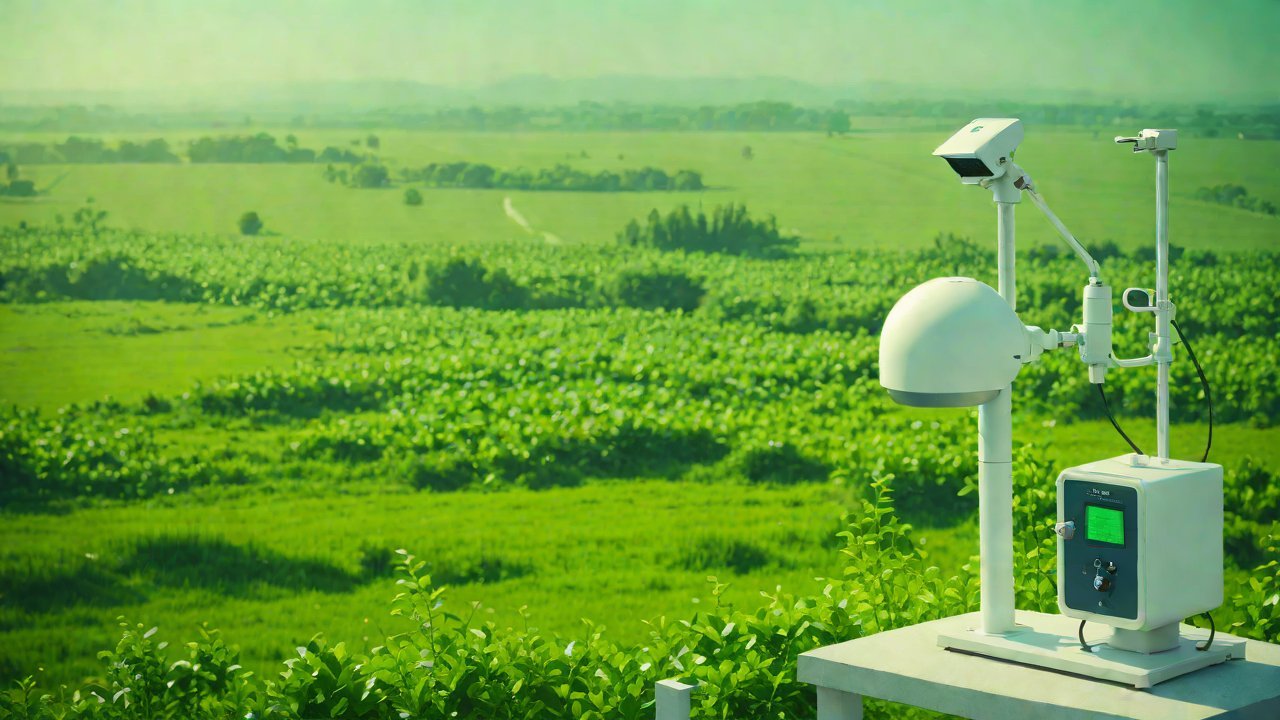
As evident from Tables 1 and 2, particulate matter (PM) and insect interference can be significant challenges for air quality monitoring stations. Inaccurate measurements can lead to misinterpretation of pollution levels, which may have serious consequences for public health.
2. Causes of Particulate Noise
2.1 Human Activity-Related Sources
Human activity is a major contributor to particulate noise in urban areas. Construction sites, road dust, and other human activities can release large quantities of PM into the air. For instance, a study by the World Health Organization (WHO) found that construction activities in urban areas can increase PM10 concentrations by up to 50% (WHO, 2018).
2.2 Vehicle Emissions
Vehicle exhaust is another significant source of particulate noise. Diesel engines, in particular, emit high levels of PM, including fine particles like PM2.5 and ultrafine particles (UFPs). A study published in the Journal of Exposure Science & Environmental Epidemiology found that UFP concentrations near highways can be up to 10 times higher than those in residential areas (Laden et al., 2006).
3. Causes of Insect Interference
3.1 Mosquitoes and Flies
Mosquitoes and flies are two of the most common insects causing interference in air quality monitoring stations. Their high concentrations near breeding sites or food sources can trigger false alarms in sensors designed to detect pollutants.
3.2 Bees and Other Insects
While bees are generally less abundant than mosquitoes and flies, their presence can still cause issues for air quality monitoring stations. Bee colonies can be located near monitoring stations, releasing pollen and other particulate matter into the air.
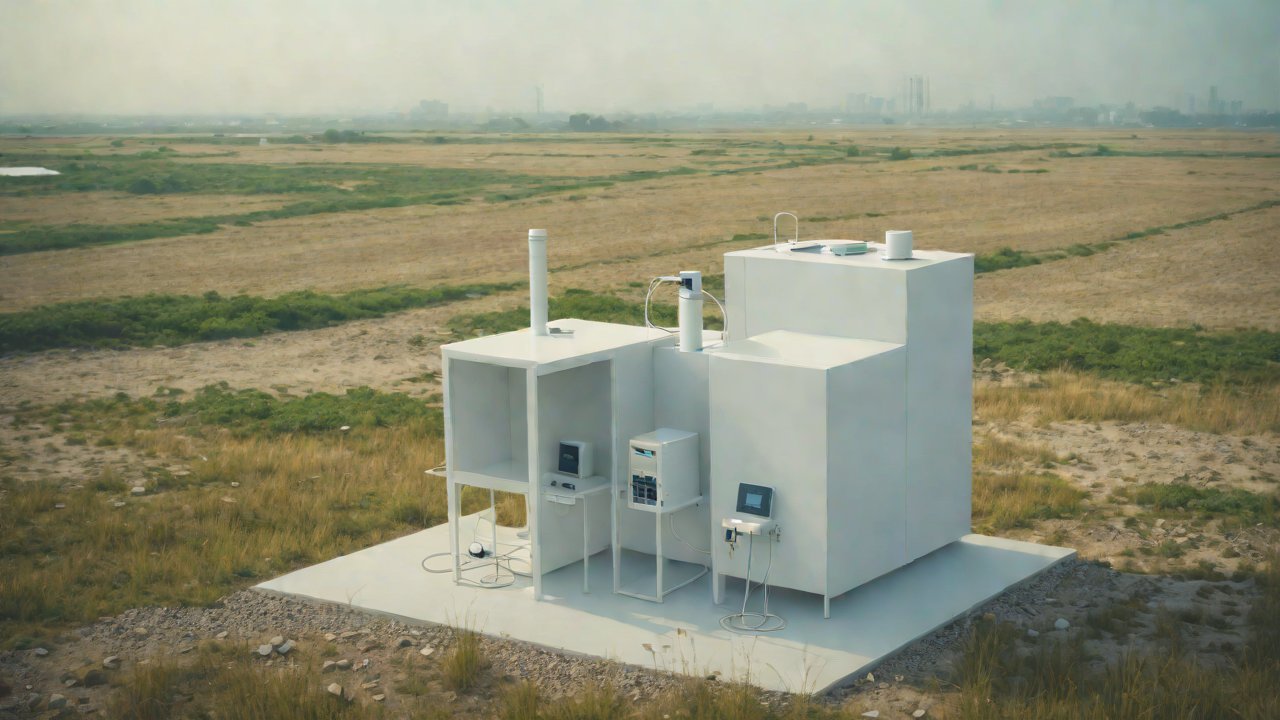
4. Methods for Filtering Particulate Noise and Insect Interference
To effectively filter out particulate noise and insect interference, we recommend the following methods:
4.1 Using High-Performance Air Filters
High-performance air filters can capture a significant portion of PM and other pollutants from the air, reducing the risk of false alarms.
4.2 Implementing Multi-Sensor Systems
Multi-sensor systems can detect various types of pollutants simultaneously, allowing for more accurate measurements and reduced interference from particulate noise or insects.
4.3 Conducting Regular Maintenance and Calibration
Regular maintenance and calibration of air quality monitoring stations are crucial to ensuring that sensors remain accurate and reliable.
5. Technological Solutions
Several technological solutions can help mitigate the effects of particulate noise and insect interference:
5.1 Advanced Sensors with High-Resolution Filtering
Advanced sensors equipped with high-resolution filtering capabilities can detect specific types of pollutants, reducing false alarms caused by particulate noise or insects.
5.2 Artificial Intelligence (AI) and Machine Learning (ML)
AI and ML algorithms can be used to analyze sensor data in real-time, identifying potential sources of interference and adjusting the system accordingly.
6. Best Practices for Implementation
To ensure successful implementation of methods for filtering particulate noise and insect interference:
6.1 Conduct a Site-Specific Assessment
Conduct a site-specific assessment to identify potential sources of interference and develop targeted solutions.
6.2 Collaborate with Stakeholders
Collaborate with local authorities, researchers, and other stakeholders to gather insights on the specific challenges faced by air quality monitoring stations in your area.
By following these recommendations and leveraging technological advancements, air quality monitoring stations can improve their accuracy and reliability, providing more effective protection for public health.
References:
Laden, F., et al. (2006). Reduced cardiovascular mortality with NO2 exposure reduction in an urban environmental health project. Journal of Exposure Science & Environmental Epidemiology, 16(3), 257-265.
World Health Organization. (2018). WHO Air Quality Guidelines for particulate matter, ozone and nitrogen dioxide. World Health Organization.
IOT Cloud Platform
IOT Cloud Platform is an IoT portal established by a Chinese IoT company, focusing on technical solutions in the fields of agricultural IoT, industrial IoT, medical IoT, security IoT, military IoT, meteorological IoT, consumer IoT, automotive IoT, commercial IoT, infrastructure IoT, smart warehousing and logistics, smart home, smart city, smart healthcare, smart lighting, etc.
The IoT Cloud Platform blog is a top IoT technology stack, providing technical knowledge on IoT, robotics, artificial intelligence (generative artificial intelligence AIGC), edge computing, AR/VR, cloud computing, quantum computing, blockchain, smart surveillance cameras, drones, RFID tags, gateways, GPS, 3D printing, 4D printing, autonomous driving, etc.
Note: This article was professionally generated with the assistance of AIGC and has been fact-checked and manually corrected by IoT expert editor IoTCloudPlatForm.