How to Deploy and Optimize Edge Computing Units?
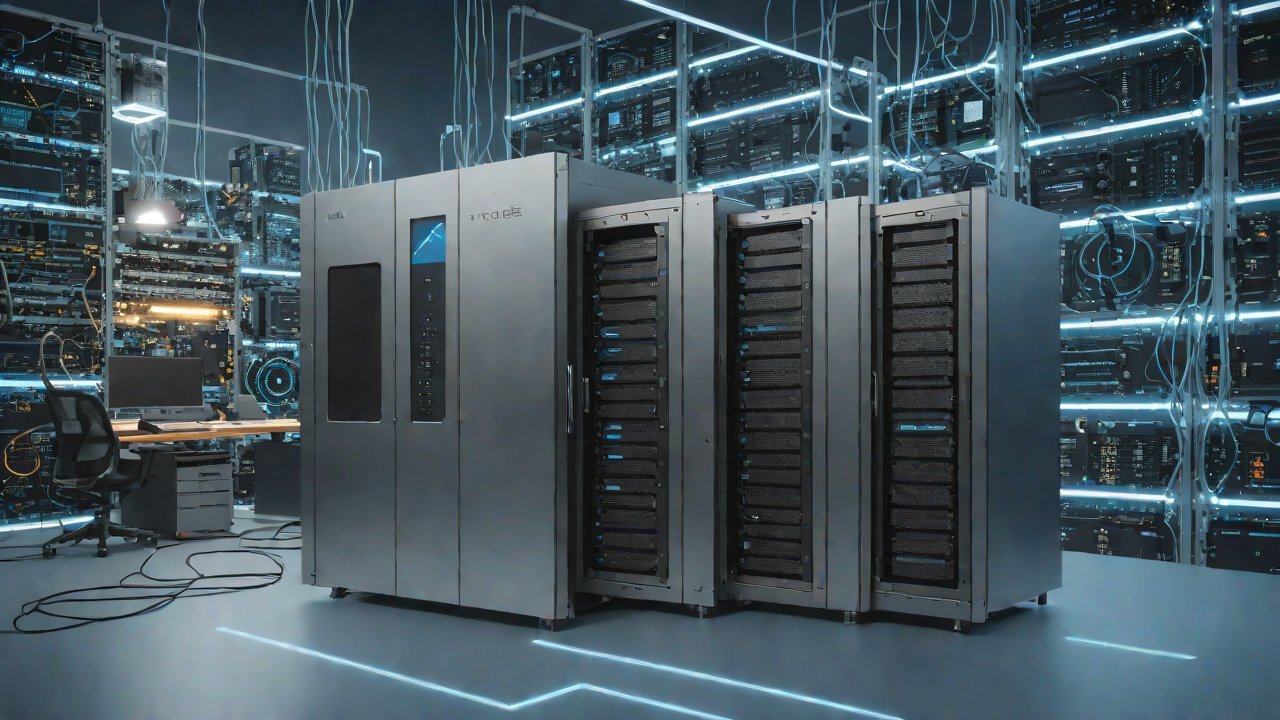
Edge computing has emerged as a transformative technology that enables real-time processing, reduced latency, and increased efficiency in various industries. The concept involves deploying compute resources at the edge of the network, closest to where data is generated or consumed, rather than relying on centralized cloud or on-premises data centers. This approach offers numerous benefits, including improved performance, enhanced security, and reduced bandwidth requirements.
Edge computing units are designed to operate in diverse environments, from industrial settings to public spaces, and must be able to withstand varying conditions such as temperature fluctuations, humidity, and vibration. To ensure optimal performance and reliability, it is essential to carefully plan and deploy these units.
1. Planning the Deployment
Before deploying edge computing units, a thorough assessment of the environment and requirements is necessary. This involves identifying the specific use case or application, determining the type and number of devices needed, and evaluating the network infrastructure and connectivity options available. A detailed analysis of power supply, cooling, and physical security measures must also be conducted.
| Use Case | Device Type | Network Requirements |
|---|---|---|
| Video Surveillance | Edge Cameras | High-bandwidth internet connection (1 Gb/s) |
| Industrial Automation | IoT Sensors | Low-latency, high-availability network |
A well-planned deployment will minimize downtime and ensure that the edge computing units operate within their specified temperature range (-20°C to 60°C for most models). This involves:
- Conducting a site survey to identify potential interference sources
- Selecting devices with suitable power requirements (e.g., 12V, 24W)
- Ensuring sufficient cooling mechanisms are in place
2. Choosing the Right Edge Computing Unit
The selection of an edge computing unit depends on various factors such as the specific application, available budget, and desired performance level. Some key considerations include:
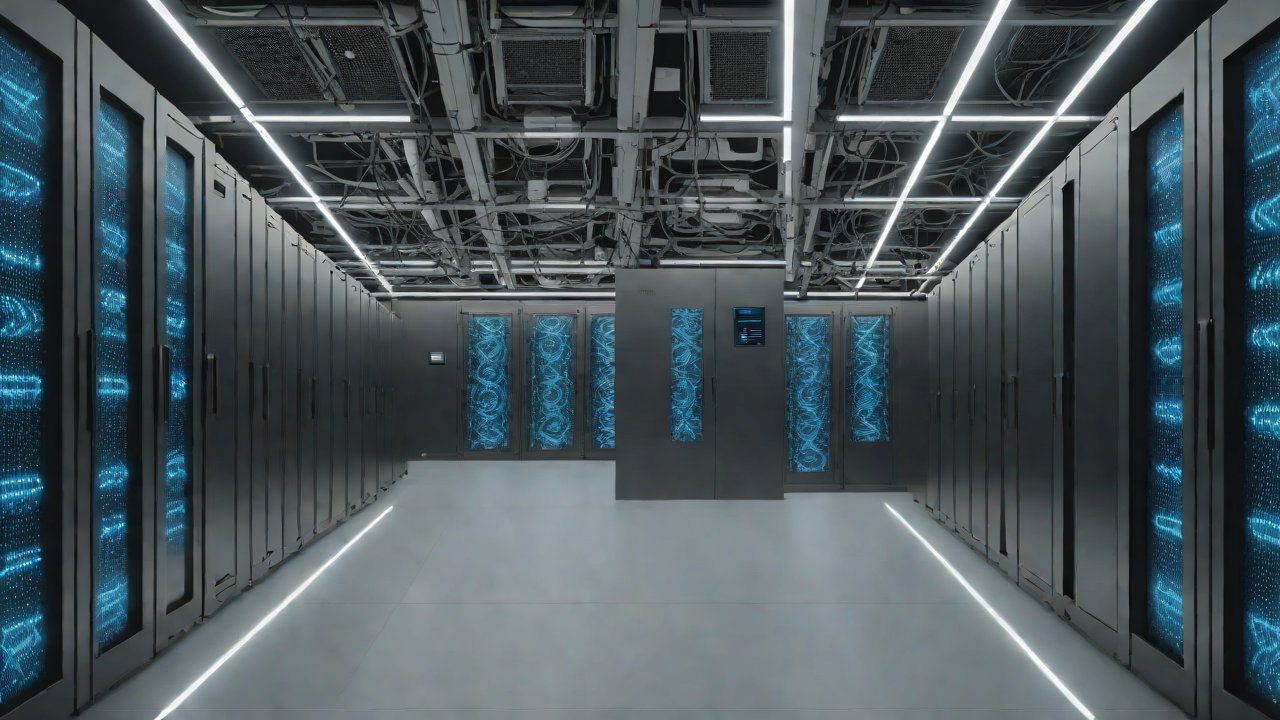
- Processor: Choose a device with a high-performance processor (e.g., Intel Core i7) to ensure efficient processing of data.
- Memory and Storage: Select devices with ample RAM (at least 16 GB) and storage capacity (SSD or HDD, depending on the application).
- Connectivity Options: Ensure the unit supports multiple connectivity options (Ethernet, Wi-Fi, Bluetooth) for seamless integration with other devices.
| Device Model | Processor | Memory and Storage | Connectivity Options |
|---|---|---|---|
| Edge Box 1000 | Intel Core i7 | 16 GB RAM, 512 GB SSD | Ethernet (10 GbE), Wi-Fi (5 GHz) |
3. Configuring the Edge Computing Unit
Proper configuration of the edge computing unit is crucial for optimal performance and efficient data processing. This involves:
- Operating System: Install a suitable operating system (e.g., Linux, Windows 10 IoT) to ensure seamless integration with other devices.
- Software Applications: Select and install necessary software applications (e.g., video analytics, machine learning frameworks) tailored to the specific use case.
- Network Settings: Configure network settings for secure communication between devices.
| Configuration Option | Description |
|---|---|
| Network Protocol | Set protocol for device-to-device communication (TCP/IP, UDP, etc.) |
| Data Storage | Configure data storage options (local, cloud, or hybrid) |
4. Optimizing Edge Computing Unit Performance
To maximize the efficiency and effectiveness of edge computing units, it is essential to optimize their performance through:
- Monitoring and Analytics: Regularly monitor system resources and analyze data for insights on device performance.
- Firmware Updates: Apply firmware updates to ensure devices operate with the latest features and security patches.
- Power Management: Implement power-saving measures (e.g., sleep mode, shutdown) during periods of low activity.
| Performance Metric | Target Value |
|---|---|
| Average Response Time | < 100 ms |
| Data Throughput | > 1 Gb/s |
5. Security and Maintenance
Security and maintenance are critical aspects of edge computing unit deployment, ensuring the integrity of data and preventing potential downtime.
- Physical Security: Implement robust physical security measures (e.g., locking mechanisms, tamper-proof enclosures) to prevent unauthorized access.
- Network Security: Configure network settings for secure communication between devices and implement regular software updates.
- Regular Maintenance: Schedule regular maintenance activities (e.g., cleaning, firmware updates) to ensure optimal performance.
| Security Measure | Description |
|---|---|
| Authentication | Implement authentication mechanisms for user access control |
| Data Encryption | Configure data encryption protocols (e.g., SSL/TLS) for secure communication |
By carefully planning and deploying edge computing units, organizations can unlock the full potential of this transformative technology. By following these guidelines, stakeholders can ensure optimal performance, reliability, and security of their edge computing solutions.
IOT Cloud Platform
IOT Cloud Platform is an IoT portal established by a Chinese IoT company, focusing on technical solutions in the fields of agricultural IoT, industrial IoT, medical IoT, security IoT, military IoT, meteorological IoT, consumer IoT, automotive IoT, commercial IoT, infrastructure IoT, smart warehousing and logistics, smart home, smart city, smart healthcare, smart lighting, etc.
The IoT Cloud Platform blog is a top IoT technology stack, providing technical knowledge on IoT, robotics, artificial intelligence (generative artificial intelligence AIGC), edge computing, AR/VR, cloud computing, quantum computing, blockchain, smart surveillance cameras, drones, RFID tags, gateways, GPS, 3D printing, 4D printing, autonomous driving, etc.