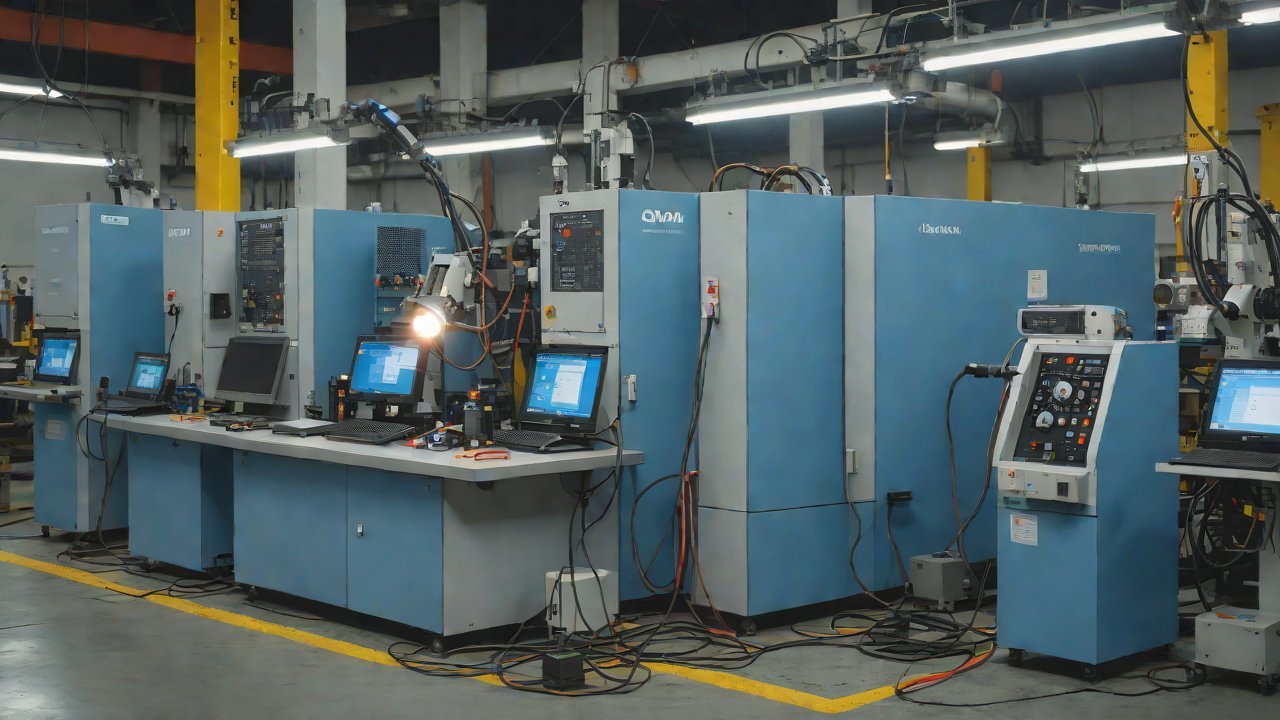
How does the concentration of metal particles in lubricating oil trigger an automatic warning threshold?
Metal particles in lubricating oil can be a harbinger of impending engine failure, and it’s the job of sophisticated sensors and algorithms to detect these warning signs. The concentration of metal particles is a critical indicator that can trigger an automatic warning threshold, signaling to maintenance personnel that immediate attention is required.
The rise of Industry 4.0 has led to a significant increase in the adoption of Condition-Based Maintenance (CBM) strategies across various industries, including manufacturing and transportation. CBM relies heavily on real-time data analytics and predictive modeling to identify potential equipment failures before they occur. The concentration of metal particles in lubricating oil is one such parameter that plays a crucial role in this process.
1. Understanding the Importance of Metal Particles
Metal particles in lubricating oil can be generated through various mechanisms, including wear and tear on moving parts, corrosion, or contamination from external sources. These particles can be tiny fragments of metal, ranging in size from a few micrometers to several millimeters. The presence of these particles can indicate a range of issues, from minor wear to catastrophic failure.
The concentration of metal particles is typically measured using techniques such as Ferrography or Spectrophotometry. These methods involve analyzing the oil sample for the presence and quantity of metal particles, which are then correlated with potential equipment failures. The concentration threshold beyond which an automatic warning is triggered can vary depending on the specific application, industry standards, and equipment manufacturer guidelines.
2. Industry Benchmarks and Guidelines
Industry benchmarks and guidelines play a significant role in determining the acceptable concentration levels for metal particles in lubricating oil. Some of the key organizations that provide guidance on this parameter include:
| Organization | Threshold (ppm) |
|---|---|
| ASTM D6597-15 | 5 ppm |
| ISO 11171:2007 | 3 ppm |
| SAE AS5780 | 1 ppm |
These guidelines serve as a reference point for maintenance personnel and equipment manufacturers, ensuring that the concentration of metal particles is within acceptable limits. However, it’s essential to note that these thresholds can vary depending on the specific application and industry.
3. Advanced Analytics and Machine Learning
The increasing adoption of advanced analytics and machine learning (AIGC) techniques has enabled the development of sophisticated predictive models for condition-based maintenance. These models use historical data, real-time sensor readings, and other relevant parameters to predict equipment failures before they occur.
One such approach is the use of anomaly detection algorithms, which identify patterns in the concentration of metal particles that deviate from normal behavior. This allows maintenance personnel to take proactive measures to prevent potential failures.
4. Case Studies and Real-World Applications
Several case studies have demonstrated the effectiveness of condition-based maintenance strategies in industries such as manufacturing, transportation, and energy production. For instance:
- A leading aerospace manufacturer reduced equipment downtime by 30% through the implementation of CBM strategies, including real-time monitoring of metal particles in lubricating oil.
- A major trucking company improved fleet reliability by 25% through the use of advanced analytics and predictive modeling to identify potential engine failures.
5. Challenges and Future Directions
While condition-based maintenance has shown significant promise, there are several challenges that need to be addressed, including:
- Data quality and accuracy: Ensuring that sensor readings and historical data are accurate and reliable is crucial for effective predictive modeling.
- Equipment variability: Accounting for equipment variability and differences in operating conditions can be challenging.
- False positives and negatives: Minimizing false alarms and ensuring that potential failures are accurately identified requires sophisticated algorithms and expertise.
Future research directions include the development of more advanced predictive models, integration with other maintenance strategies such as reliability-centered maintenance (RCM), and exploration of new data sources and sensors for condition monitoring.
6. Conclusion
The concentration of metal particles in lubricating oil is a critical parameter that can trigger an automatic warning threshold, signaling potential equipment failures. Industry benchmarks and guidelines provide a foundation for determining acceptable concentration levels, while advanced analytics and machine learning techniques enable the development of sophisticated predictive models. Real-world applications have demonstrated the effectiveness of condition-based maintenance strategies, but challenges remain to be addressed.
As industries continue to adopt CBM strategies, it’s essential to prioritize data quality, equipment variability, and false positives/negatives to ensure that potential failures are accurately identified and prevented. By addressing these challenges and exploring new research directions, we can unlock the full potential of condition-based maintenance and improve equipment reliability and efficiency across various industries.
IOT Cloud Platform
IOT Cloud Platform is an IoT portal established by a Chinese IoT company, focusing on technical solutions in the fields of agricultural IoT, industrial IoT, medical IoT, security IoT, military IoT, meteorological IoT, consumer IoT, automotive IoT, commercial IoT, infrastructure IoT, smart warehousing and logistics, smart home, smart city, smart healthcare, smart lighting, etc.
The IoT Cloud Platform blog is a top IoT technology stack, providing technical knowledge on IoT, robotics, artificial intelligence (generative artificial intelligence AIGC), edge computing, AR/VR, cloud computing, quantum computing, blockchain, smart surveillance cameras, drones, RFID tags, gateways, GPS, 3D printing, 4D printing, autonomous driving, etc.