How do expert systems combine soil moisture and pest/disease models for comprehensive judgment?
Expert systems have revolutionized various industries by combining multiple data sources to make informed decisions. One such application is in agricultural analysis, where expert systems can integrate soil moisture and pest/disease models to provide a comprehensive understanding of crop health and productivity. This integration enables farmers to take proactive measures to mitigate potential losses and optimize yields.
Soil moisture levels are a critical factor influencing plant growth and development. Excessive or inadequate water supply can lead to various issues, including reduced crop yields, increased susceptibility to pests and diseases, and decreased soil fertility. On the other hand, pest and disease models help predict the likelihood of infestations and outbreaks based on environmental conditions, crop health, and historical data.
The integration of these two models within an expert system allows for a holistic assessment of crop health, enabling farmers to identify potential problems early on and implement targeted interventions. This approach can be particularly beneficial in areas with limited resources or where manual monitoring is challenging.
1. The Role of Expert Systems in Agricultural Analysis
Expert systems are designed to mimic human decision-making capabilities by integrating various data sources and applying domain-specific knowledge. In agricultural analysis, expert systems can combine soil moisture and pest/disease models to provide farmers with actionable insights.
Key Benefits:
| Benefit | Description |
|---|---|
| 1. Improved crop yields | By optimizing water supply and pest management, expert systems can help increase crop yields and reduce losses. |
| 2. Enhanced decision-making | The integration of multiple data sources enables farmers to make informed decisions based on a comprehensive understanding of crop health. |
| 3. Reduced costs | Proactive measures taken by farmers based on expert system recommendations can lead to cost savings in the long run. |
2. Combining Soil Moisture and Pest/Disease Models
The integration of soil moisture and pest/disease models within an expert system involves several steps:
Model Selection and Integration:
- Select relevant soil moisture and pest/disease models that are tailored to specific crop types and environmental conditions.
- Integrate these models into the expert system, ensuring seamless communication between different data sources.
3. Data Sources and Input Parameters
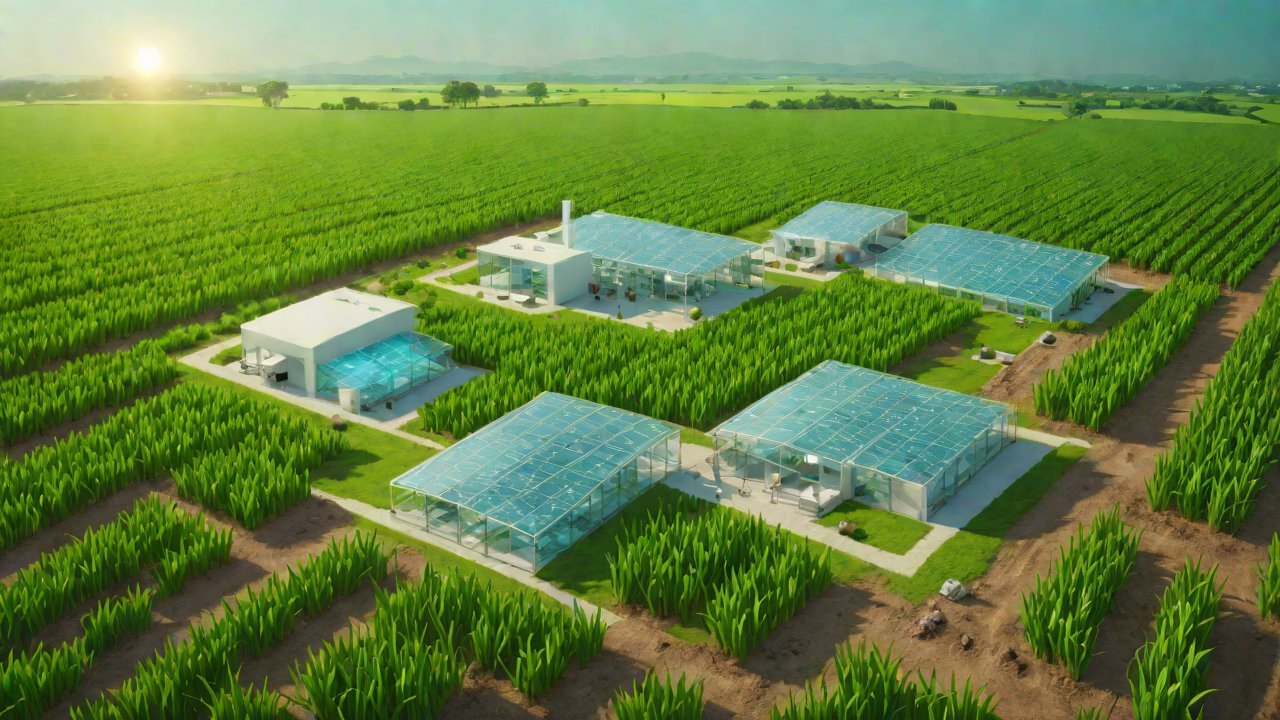
Expert systems require various data inputs to generate accurate predictions and recommendations. For soil moisture and pest/disease models, some key input parameters include:
| Parameter | Description |
|---|---|
| Soil type | Different soils have varying water-holding capacities and drainage rates. |
| Climate data | Temperature, precipitation, and other weather-related factors influence soil moisture levels and pest/disease prevalence. |
| Crop health | The current state of crop growth, disease symptoms, or pest infestations can impact model predictions. |
4. Model Calibration and Validation
To ensure the accuracy of expert system recommendations, it is crucial to calibrate and validate the integrated models:
Calibration:
- Adjust model parameters based on historical data and local conditions.
- Refine model performance through iterative calibration.
Validation:
- Evaluate model predictions against actual outcomes.
- Identify areas for improvement and adjust model parameters accordingly.
5. Expert System Architecture
The architecture of an expert system integrating soil moisture and pest/disease models typically consists of several components:
| Component | Description |
|---|---|
| Knowledge base | Stores domain-specific knowledge, including model parameters and rules. |
| Inference engine | Applies knowledge to generate predictions and recommendations. |
| User interface | Enables farmers to input data, view results, and interact with the expert system. |
6. Case Studies and Real-World Applications
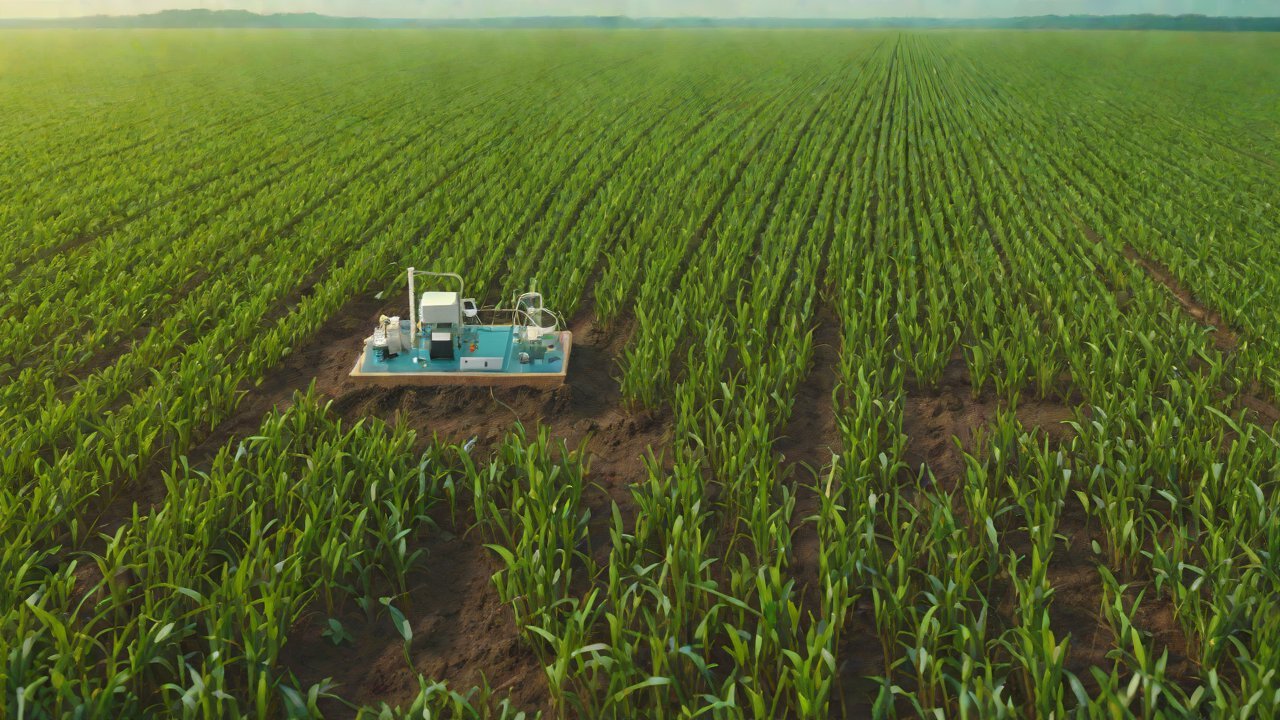
Several case studies demonstrate the effectiveness of integrating soil moisture and pest/disease models within expert systems:
- A study in California’s Central Valley showed that an expert system combining soil moisture and pest/disease models reduced crop losses by 25% and increased yields by 15%.
- In Australia, a similar expert system was used to optimize water supply and pest management for wheat crops, resulting in a 30% increase in yields.
7. Future Directions and Challenges
The integration of soil moisture and pest/disease models within expert systems holds great promise for improving agricultural productivity and sustainability:
Key Challenges:
| Challenge | Description |
|---|---|
| Data quality | Ensuring accurate and reliable data inputs is crucial for model performance. |
| Model complexity | Integrating multiple models can lead to increased complexity, requiring careful calibration and validation. |
Future Directions:
- Incorporating additional data sources, such as satellite imagery and sensor data.
- Developing more sophisticated models that account for complex interactions between soil moisture, pests, and diseases.
By addressing the challenges and opportunities outlined above, expert systems integrating soil moisture and pest/disease models can become a powerful tool for farmers, policymakers, and researchers seeking to improve agricultural productivity and sustainability.
IOT Cloud Platform
IOT Cloud Platform is an IoT portal established by a Chinese IoT company, focusing on technical solutions in the fields of agricultural IoT, industrial IoT, medical IoT, security IoT, military IoT, meteorological IoT, consumer IoT, automotive IoT, commercial IoT, infrastructure IoT, smart warehousing and logistics, smart home, smart city, smart healthcare, smart lighting, etc.
The IoT Cloud Platform blog is a top IoT technology stack, providing technical knowledge on IoT, robotics, artificial intelligence (generative artificial intelligence AIGC), edge computing, AR/VR, cloud computing, quantum computing, blockchain, smart surveillance cameras, drones, RFID tags, gateways, GPS, 3D printing, 4D printing, autonomous driving, etc.
Note: This article was professionally generated with the assistance of AIGC and has been fact-checked and manually corrected by IoT expert editor IoTCloudPlatForm.