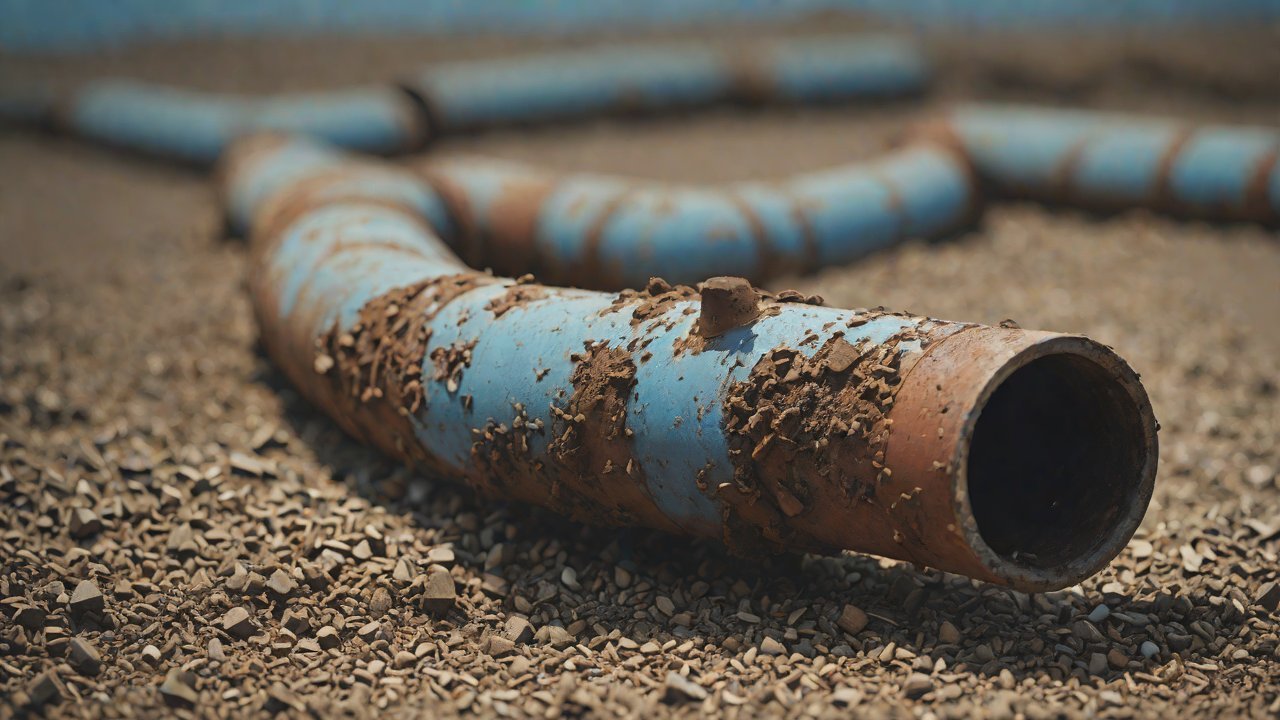
How can you determine if the probe is corroded without digging it up?
The probe, a crucial component in various industrial settings, is exposed to harsh environments that can lead to corrosion over time. Detecting corrosion before it compromises the integrity of the system or causes catastrophic failures is essential for maintaining safety and preventing costly repairs. In many cases, digging up the probe is not feasible due to logistical constraints, environmental concerns, or the risk of causing further damage. Therefore, developing methods to determine if a probe is corroded without excavation is vital.
1. Visual Inspection
A visual inspection is one of the most straightforward methods for detecting corrosion on probes. This involves using optical instruments such as borescopes or endoscopes that allow operators to visually inspect internal components remotely. These tools can be inserted through existing access points, eliminating the need for excavation.
Table 1: Advantages and Limitations of Visual Inspection
| Advantages | Limitations |
|---|---|
| Non-invasive | Limited accessibility in complex geometries |
| Cost-effective | Requires specialized equipment and training |
| Real-time feedback | May not detect internal corrosion |
2. Ultrasonic Testing (UT)
Ultrasonic testing involves sending high-frequency sound waves through the probe to detect any changes in density, which can indicate corrosion. This method is particularly effective for detecting wall-thinning or pitting corrosion but requires a clear path for the ultrasonic signal.
Table 2: Advantages and Limitations of Ultrasonic Testing
| Advantages | Limitations |
|---|---|
| High sensitivity to density changes | Requires access to both sides of the probe |
| Non-destructive testing | Operator expertise is critical |

3. Acoustic Emission (AE) Testing
Acoustic emission testing detects the high-frequency stress waves emitted by materials under mechanical load, which can be indicative of corrosion activity. This method is particularly useful for detecting active corrosion but requires a significant amount of data and signal processing to interpret results accurately.
Table 3: Advantages and Limitations of Acoustic Emission Testing
| Advantages | Limitations |
|---|---|
| Real-time monitoring of stress waves | Requires extensive data analysis |
| Sensitive to early stages of corrosion | May not detect passive or inactive corrosion |
4. Electrical Resistance Tomography (ERT)
Electrical resistance tomography involves passing an electrical current through the probe and measuring the resulting voltage drop, which can indicate changes in conductivity due to corrosion. This method is non-invasive but requires a clear path for the electrical signal.
Table 4: Advantages and Limitations of Electrical Resistance Tomography
| Advantages | Limitations |
|---|---|
| Non-destructive testing | Limited resolution compared to other methods |
| Real-time monitoring | Requires calibration and maintenance |
5. Chemical Analysis
Chemical analysis involves extracting a sample from the probe or analyzing the surrounding environment for signs of corrosion products, such as iron oxide or sulfuric acid. This method is destructive but can provide definitive evidence of corrosion.
Table 5: Advantages and Limitations of Chemical Analysis
| Advantages | Limitations |
|---|---|
| Definitive diagnosis of corrosion | Destructive sampling required |
| Wide range of analytical techniques available | Time-consuming analysis process |
6. Machine Learning and Predictive Maintenance
Machine learning algorithms can be trained on historical data from sensors monitoring the probe’s condition to predict when a probe is likely to corrode based on patterns in temperature, pressure, or other environmental factors. This approach requires continuous monitoring and real-time data processing.
Table 6: Advantages and Limitations of Machine Learning and Predictive Maintenance
| Advantages | Limitations |
|---|---|
| Proactive maintenance scheduling | Requires extensive historical data |
| Reduced risk of unexpected failures | May not account for unforeseen events |
7. Combining Methods
In many cases, a combination of the methods outlined above is necessary to accurately determine if a probe is corroded without excavation. For instance, visual inspection can be used as an initial screening tool followed by more sophisticated techniques like ultrasonic testing or chemical analysis.
Table 7: Advantages and Limitations of Combining Methods
| Advantages | Limitations |
|---|---|
| Comprehensive assessment of probe condition | Requires expertise to select appropriate methods |
| Reduced risk of missed corrosion detection | May increase complexity and cost |
In conclusion, determining if a probe is corroded without digging it up requires a multi-faceted approach that incorporates various non-destructive testing (NDT) techniques. By understanding the advantages and limitations of each method, operators can choose the most appropriate combination for their specific situation, ensuring the integrity of their systems while minimizing downtime and costs.
Note
The tables provided above are meant to serve as a guide rather than an exhaustive list. The selection of methods should be based on the specific context and requirements of the application.
IOT Cloud Platform
IOT Cloud Platform is an IoT portal established by a Chinese IoT company, focusing on technical solutions in the fields of agricultural IoT, industrial IoT, medical IoT, security IoT, military IoT, meteorological IoT, consumer IoT, automotive IoT, commercial IoT, infrastructure IoT, smart warehousing and logistics, smart home, smart city, smart healthcare, smart lighting, etc.
The IoT Cloud Platform blog is a top IoT technology stack, providing technical knowledge on IoT, robotics, artificial intelligence (generative artificial intelligence AIGC), edge computing, AR/VR, cloud computing, quantum computing, blockchain, smart surveillance cameras, drones, RFID tags, gateways, GPS, 3D printing, 4D printing, autonomous driving, etc.



